The Evolution and Essential Role of Modern Conveyor Systems
From rudimentary wooden rollers in ancient mines to the sophisticated, AI-driven networks that power global logistics, the evolution of the conveyor system marks a pivotal chapter in industrial history. What began as a simple mechanism for moving bulk materials has transformed into the backbone of modern manufacturing, warehousing, and distribution, underpinning virtually every sector from e-commerce to aerospace. This remarkable journey reflects a continuous quest for efficiency, safety, and operational excellence. Today's conveyor systems are not merely transporters; they are intelligent, integrated platforms that optimize flow, reduce manual labor, and significantly enhance productivity. They represent a complex interplay of mechanical engineering, automation, and digital intelligence, designed to meet the ever-increasing demands for speed, precision, and reliability. The inherent adaptability and scalability of these systems allow them to be deployed in environments ranging from cleanrooms handling delicate electronics to rugged mining operations moving tons of raw materials. Their pervasive presence and continuous innovation underscore their critical role in shaping the operational landscapes of businesses worldwide, driving efficiencies that were once unimaginable. This blog delves into the multifaceted world of modern conveyor systems, exploring their profound impact, technical sophistication, and future trajectory.
Unlocking Efficiency: The Economic Impact and Data-Driven Advantages of Conveyor Technologies
The economic impact of advanced conveyor technologies is profound, translating directly into significant cost savings, enhanced throughput, and improved safety across various industries. Businesses that strategically integrate modern conveyor systems often report dramatic improvements in their operational metrics. For instance, studies indicate that implementing an automated conveyor solution can reduce manual material handling costs by up to 70%, primarily by minimizing labor requirements and reducing the risk of workplace injuries. The National Safety Council estimates that material handling incidents account for over 300,000 workplace injuries annually, many of which can be mitigated or eliminated through intelligent conveyor deployment. Furthermore, the global conveyor systems market is projected to reach approximately $12.5 billion by 2027, growing at a Compound Annual Growth Rate (CAGR) of around 5.5%, a clear indicator of sustained investment and perceived value. This growth is largely fueled by the burgeoning e-commerce sector, which relies heavily on high-speed sorting and fulfillment systems to meet stringent delivery timelines.
Consider a large distribution center processing 100,000 orders per day. Without an automated conveyor system, the labor required to manually pick, pack, and sort these items would be astronomical, leading to bottlenecks, errors, and soaring operational costs. With a well-designed system, this same center can achieve a picking rate of over 1,000 items per hour per picker, a 300% increase over purely manual methods, while simultaneously reducing order fulfillment errors by up to 95%. This translates into tangible Return on Investment (ROI), often recouping initial capital expenditures within 18-36 months. Beyond immediate cost savings, conveyor systems contribute to a more optimized workflow, predictable processing times, and enhanced inventory control, all of which are critical for maintaining competitiveness in today's fast-paced markets. The data unequivocally supports the notion that investing in sophisticated conveyor technology is not merely an operational upgrade but a strategic economic imperative.
Innovating Movement: Deep Dive into Technical Advancements and Component Excellence
Modern conveyor systems are a testament to relentless engineering innovation, integrating cutting-edge technologies to deliver unparalleled performance and versatility. At their core, these systems are a symphony of precision-engineered components, each playing a vital role in seamless material flow. Key technical advancements include the proliferation of intelligent automation, where programmable logic controllers (PLCs) and supervisory control and data acquisition (SCADA) systems manage complex routes, sorting logic, and throughput. This allows for dynamic adjustments to speed and direction, optimizing flow based on real-time demand. The integration of the Internet of Things (IoT) enables predictive maintenance, with sensors monitoring parameters like motor temperature, belt tension, and component wear. This data-driven approach allows for proactive servicing, reducing unplanned downtime by up to 40% and extending the operational lifespan of the system.
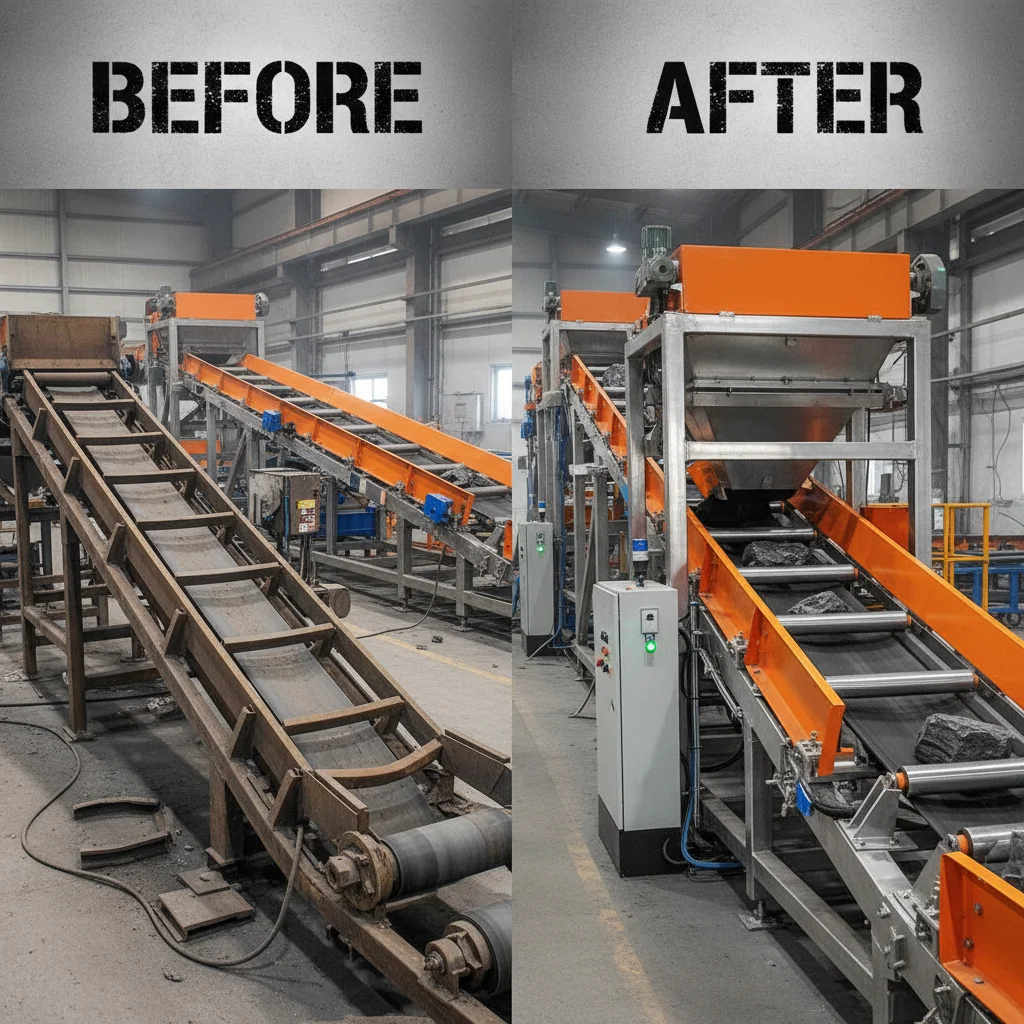
Another significant leap forward lies in motor and drive technologies. Energy-efficient direct-drive motors, often coupled with variable frequency drives (VFDs), precisely control speed and torque, leading to substantial energy savings—sometimes up to 30% compared to older hydraulic or pneumatic systems. Modular designs have also revolutionized installation and reconfiguration. Components like belt sections, rollers, and even entire drive units can be easily interchanged, significantly reducing installation time by up to 50% and enabling rapid adaptation to changing production layouts or product lines. Advanced belt materials, from robust PVC and polyurethane for general applications to specialized food-grade or high-temperature resistant options, ensure optimal material handling without contamination or degradation. Furthermore, vision systems and robotic pick-and-place units are increasingly integrated into conveyor lines, allowing for automated quality control, precise object manipulation, and personalized order fulfillment, demonstrating a profound shift towards truly intelligent and autonomous material handling ecosystems.
Strategic Selection: A Comparative Analysis of Conveyor System Manufacturers and Types
Selecting the right conveyor system is a critical decision that impacts operational efficiency, cost, and long-term sustainability. The market offers a diverse array of manufacturers, each with distinct strengths, and various types of systems suited for different applications. Understanding these differences through a comparative lens is essential for informed procurement. Factors such as capacity, material compatibility, environmental conditions, maintenance requirements, and overall cost of ownership must be carefully weighed. Below is a comparative table illustrating key considerations for common conveyor types and how different manufacturers often specialize.
Feature/System Type | Belt Conveyor | Roller Conveyor (Powered/Gravity) | Chain Conveyor | Slat Conveyor | Overhead Conveyor |
Typical Throughput Capacity | High (Continuous) | Medium-High (Intermittent/Continuous) | Medium-High (Heavy-duty) | Medium-High (Heavy/Irregular) | Low-Medium (Flexible route) |
Material Suitability | Bulk, packages, irregular items | Flat-bottomed items, pallets, totes | Pallets, large containers, heavy items | Heavy, hot, abrasive, delicate items | Garments, components, assembly lines |
Customization Potential | High (Belts, accessories) | Medium (Accumulation, diverting) | Medium (Attachments, fixtures) | High (Slat material, size) | Very High (3D paths, sorting) |
Energy Efficiency | Good (Varies with motor) | Excellent (Gravity sections) | Moderate (Heavy-duty drives) | Moderate (Robust drives) | Good (Optimized for weight) |
Maintenance Complexity | Moderate (Belt tracking, replacement) | Low-Moderate (Roller replacement) | High (Chain wear, lubrication) | Moderate (Slat replacement) | Moderate (Lubrication, hanger checks) |
Initial Cost Range | Low to Medium | Low to Medium | Medium to High | Medium to High | Medium to High |
Leading Manufacturers' Strengths (Illustrative) | Company A: High-speed sorting, parcel handling. Company B: Bulk material transport, mining. | Company C: Automated warehouse solutions, pallet handling. Company D: Light-duty assembly lines. | Company E: Automotive assembly, heavy industrial. Company F: Foundry, high-temperature applications. | Company G: Delicate product handling, food processing. Company H: Heavy-duty manufacturing. | Company I: Garment sorting, paint lines. Company J: Aerospace component transport. |
Manufacturer comparison often involves evaluating their reputation for innovation, product reliability, customer support, and global service networks. For instance, some manufacturers excel in high-speed package handling for e-commerce, offering systems capable of sorting over 10,000 items per hour, while others specialize in robust, heavy-duty systems for aggregate or automotive production, designed to withstand extreme environments and transport items weighing several tons. A thorough vendor assessment, including factory visits and reference checks, is paramount.
Precision Engineering: Crafting Bespoke Conveyor Solutions for Unique Operational Demands
In an increasingly competitive landscape, off-the-shelf conveyor systems often fall short of optimizing complex operational workflows. This is where precision engineering and bespoke customization become indispensable. Tailored conveyor solutions are designed from the ground up to address the unique challenges and opportunities presented by a specific product, process, or facility layout. The customization process begins with a comprehensive analysis of the client's operational objectives, including desired throughput rates, product characteristics (size, weight, fragility, temperature sensitivity), environmental conditions (cleanroom, washdown, dusty, hazardous), and existing infrastructure. For example, a pharmaceutical company requiring sterile handling of vials will demand different specifications than an automotive plant moving engine blocks.
Customization extends to every aspect of the system. This might involve unique belt materials with specific coefficients of friction, specialized flighted belts for inclines, or modular sections that allow for reconfigurable layouts to adapt to seasonal demand shifts. Advanced systems can incorporate integrated robotics for precise pick-and-place operations, vision systems for quality inspection, or custom accumulation zones to buffer production flows. Energy efficiency is also a key area for customization, with solutions like zero-pressure accumulation conveyors using smart zone control to minimize energy consumption by only powering sections when needed, leading to energy savings of up to 60% in idle periods. Furthermore, ergonomic considerations are paramount; custom conveyor heights and orientations can drastically reduce worker strain and improve safety, contributing to a more productive and compliant work environment. The investment in a bespoke solution, though potentially higher initially, frequently yields a superior ROI through enhanced operational efficiency, reduced waste, and prolonged system longevity, perfectly aligning the material handling capabilities with the core business objectives.
Transforming Industries: Diverse Application Case Studies of Conveyor Systems in Action
The versatility of conveyor systems is best illustrated by their pervasive and transformative impact across a multitude of industries. From streamlining logistics to enhancing safety and accelerating production, these systems are critical enablers of modern industrial processes. Each industry presents unique challenges, which bespoke conveyor solutions are expertly designed to overcome.
· E-commerce and Logistics: A leading global e-commerce giant implemented a sophisticated network of high-speed belt and roller conveyors, integrated with automated sortation systems and robotic handlers, to manage millions of parcels daily. This system increased outbound shipping capacity by over 200% during peak seasons, reducing delivery times and significantly improving customer satisfaction by handling a peak volume of over 50,000 packages per hour within a single fulfillment center.
· Automotive Manufacturing: An international car manufacturer utilized overhead power-and-free conveyors to transport vehicle bodies through various stages of assembly, painting, and inspection. This allowed for flexible routing and accumulation, providing critical buffers between stages and reducing bottlenecks. The system contributed to a 15% reduction in production cycle time for a new model, demonstrating optimized flow and space utilization.
· Food and Beverage Processing: A major confectionery producer deployed hygienic modular plastic belt conveyors, designed for easy washdown and resistant to chemical sanitizers, to transport unpackaged food items. This minimized contamination risks, ensured compliance with stringent food safety regulations, and reduced cleaning time by up to 30% compared to older stainless steel systems, thereby increasing operational uptime.
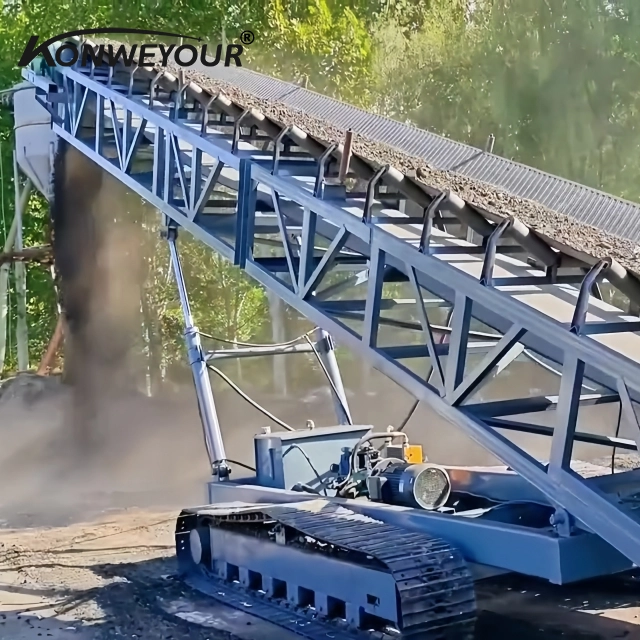
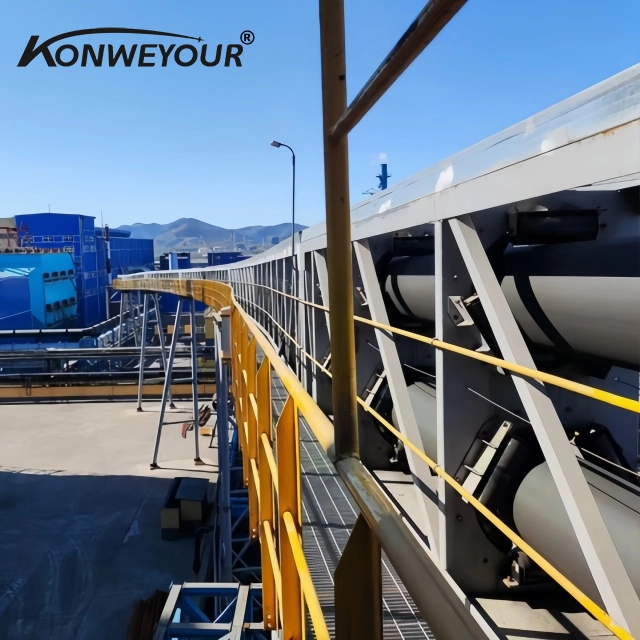
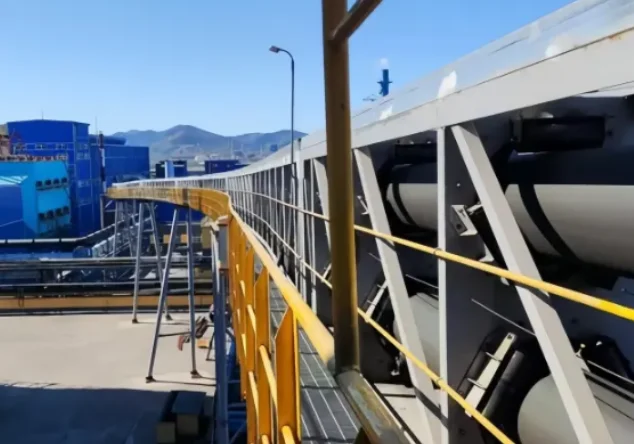
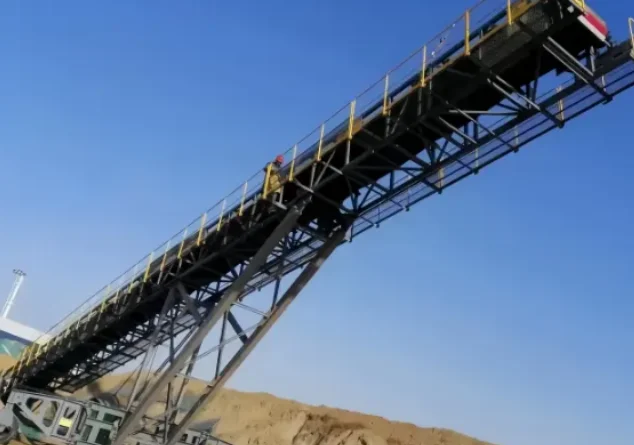
· Mining and Raw Materials: A large-scale open-pit mine installed heavy-duty troughed belt conveyors, stretching for several kilometers, to transport excavated ore from the pit to processing facilities. These robust systems, capable of moving thousands of tons per hour, drastically reduced the reliance on costly and environmentally intensive truck transport, leading to a 25% reduction in fuel consumption and associated emissions for material movement.
· Airport Baggage Handling: A major international airport upgraded its baggage handling system with a complex network of high-speed conveyors, tilt-tray sorters, and automated guided vehicles (AGVs). This system can process over 8,000 bags per hour, dramatically decreasing mishandled luggage incidents by over 90% and significantly improving passenger experience by ensuring timely baggage delivery for connecting flights.
These diverse applications underscore the critical role of custom-engineered conveyor systems in addressing specific industry demands, driving efficiency, enhancing safety, and delivering measurable operational improvements.
Future-Proofing Your Operations with Advanced Conveyor Systems
The trajectory of the conveyor system industry is undeniably towards greater intelligence, autonomy, and sustainability. Future-proofing operations demands a forward-thinking approach to material handling, embracing emerging technologies that promise even higher levels of efficiency and adaptability. One prominent trend is the widespread adoption of artificial intelligence and machine learning for predictive maintenance. AI algorithms, fed by vast datasets from IoT sensors, can accurately forecast component failures, allowing for maintenance to be scheduled proactively, virtually eliminating unexpected downtime and potentially saving millions in lost production. This proactive approach is expected to reduce unscheduled maintenance events by another 20-25%.
Furthermore, the integration of collaborative robots (cobots) directly onto or alongside conveyor lines is becoming more common, enabling flexible automation for tasks like picking, packing, and quality control that were previously difficult to automate. These cobots work safely alongside human operators, enhancing productivity without requiring extensive safety guarding. The focus on sustainability is also intensifying, with manufacturers developing more energy-efficient motors, lightweight yet durable materials, and modular designs that facilitate easier recycling and reuse of components. Regenerative braking systems, for instance, are gaining traction, allowing energy generated during deceleration or on declines to be fed back into the power grid, contributing to greener operations. Ultimately, as supply chains become more intricate and consumer expectations for speed and customization continue to rise, advanced conveyor systems will remain at the forefront of innovation, ensuring that businesses can navigate these complexities with agility, efficiency, and a robust capacity for growth.
Frequently Asked Questions about Conveyor Systems
Q1: What is the primary purpose of a conveyor system?
A1: A conveyor system is primarily designed to move materials, products, or goods from one location to another within a facility, optimizing workflow, reducing manual labor, and increasing operational efficiency and safety.
Q2: How do conveyor systems improve efficiency in a warehouse?
A2: Conveyor systems improve warehouse efficiency by automating the movement of goods, reducing travel time, minimizing manual handling, facilitating faster sorting and picking processes, and enabling continuous flow, which collectively boosts throughput and reduces errors.
Q3: What are the main types of conveyor systems?
A3: The main types include belt conveyors (for bulk and packaged goods), roller conveyors (powered or gravity, for flat-bottomed items), chain conveyors (for heavy-duty items), slat conveyors (for large or irregular items), and overhead conveyors (for assembly lines or garments).
Q4: How do I choose the right conveyor system for my business?
A4: Choosing the right system involves evaluating factors such as the type, size, weight, and fragility of the items being moved, desired throughput, available space, environmental conditions (e.g., washdown, hazardous), budget, and long-term maintenance considerations. Consulting with an expert is highly recommended.
Q5: Can conveyor systems be integrated with other automation technologies?
A5: Absolutely. Modern conveyor systems are designed for seamless integration with a wide range of automation technologies, including robotics, Automated Guided Vehicles (AGVs), Automated Storage and Retrieval Systems (AS/RS), vision systems, and warehouse management software (WMS) for comprehensive material flow control.
Q6: What is predictive maintenance in the context of conveyor systems?
A6: Predictive maintenance for conveyor systems involves using sensors and data analytics (often powered by IoT and AI) to monitor the condition of components in real-time. This allows for the anticipation of potential failures, enabling maintenance to be scheduled proactively before an actual breakdown occurs, thereby minimizing downtime and extending equipment life.
Q7: Are conveyor systems environmentally friendly?
A7: Modern conveyor systems are increasingly designed with sustainability in mind. This includes using energy-efficient motors, regenerative braking systems, durable and recyclable materials, and optimizing routes to reduce overall energy consumption. Automation also often reduces reliance on fossil fuel-powered vehicles within facilities.