Belt Cleaner

Belt Cleaner

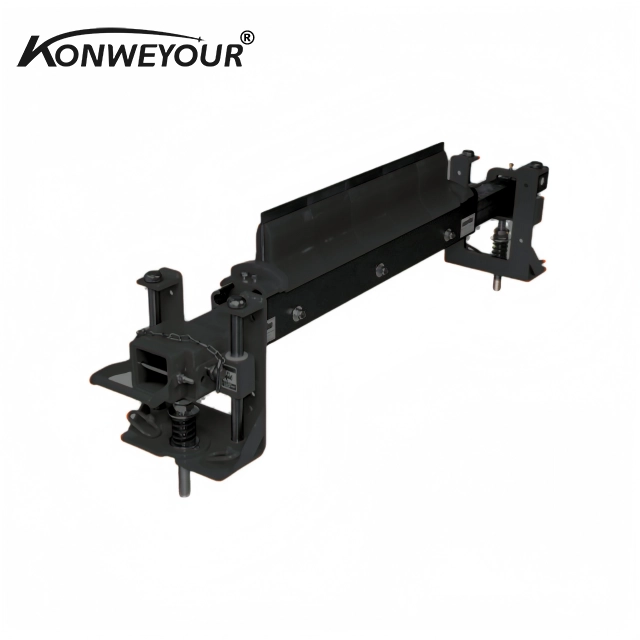
A belt cleaner is an essential device used to maintain the cleanliness and performance of conveyor belt systems. Installed at strategic points—typically at the head pulley—it effectively removes material buildup, debris, and residue from the belt surface, helping to prevent carryback and improve operational efficiency.

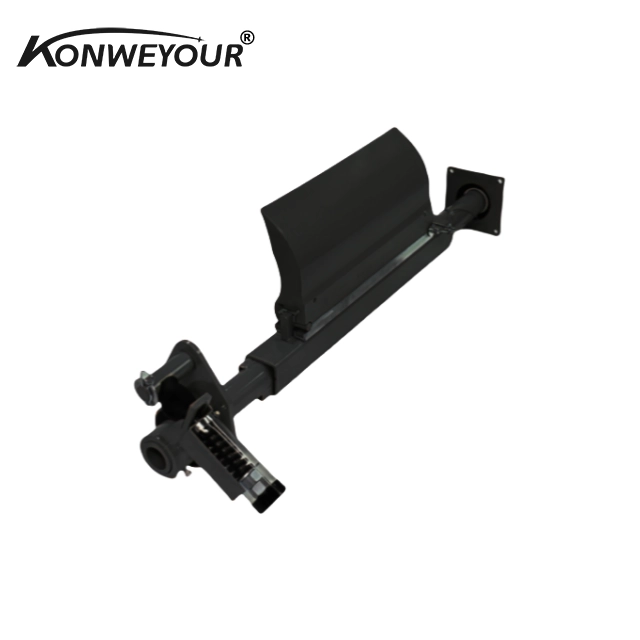
Belt cleaners come in various designs, including primary cleaners, secondary cleaners, and rotary brush cleaners, each serving specific cleaning needs. Primary cleaners remove the bulk of material immediately after discharge, while secondary cleaners provide a more precise cleaning result. Rotary brush cleaners are ideal for fine particles and sticky materials.

Constructed from durable materials such as polyurethane, stainless steel, and tungsten carbide, belt cleaners are built to withstand harsh industrial environments, from mining and cement to food processing and packaging industries.By maintaining a clean belt, these devices reduce downtime, minimize belt wear, and extend the life of both the conveyor and its components. They also help prevent product contamination and support safer, more hygienic operations.Easy to install and maintain, a quality belt cleaner is a smart investment for any conveyor system, improving productivity while reducing maintenance costs over time.


Types of Belt Cleaners

Belt cleaners are essential accessories for conveyor systems, designed to remove material carryback from the belt surface and maintain smooth, efficient operation. By preventing material buildup, they help reduce downtime, extend belt life, and improve overall system performance. Belt cleaners come in several types, each suited to specific applications, materials, and operating conditions.

Primary belt cleaners are installed directly against the head pulley to remove the bulk of material as the belt discharges. Typically made with polyurethane or rubber blades, these cleaners provide firm but flexible contact, effectively scraping off large particles such as coal, aggregates, or grain. They are the first line of defense for maintaining a clean belt surface.

Secondary belt cleaners, mounted further along the conveyor after the primary unit, target finer residues that remain on the belt. Often equipped with tungsten carbide or stainless steel tips, they deliver precise cleaning for sticky materials like wet sand or clay, ensuring the belt returns spotless to the loading area.

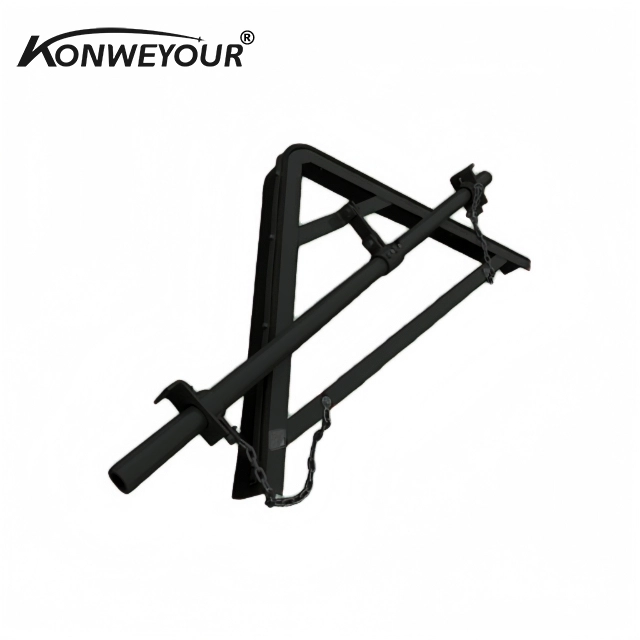
V-plow or diagonal cleaners are designed for the return side of the belt. Positioned before the tail pulley, they protect the belt and pulleys by sweeping away debris, preventing damage and reducing wear on mechanical components. These cleaners are especially valuable in dusty or abrasive environments.

Specialized options include wash-box systems that use water sprays and brushes for heavy contamination, and motorized rotary brushes for light materials or food-grade applications.

Selecting the correct combination of belt cleaners depends on material type, belt speed, and operating environment. Regular maintenance and proper tensioning further ensure long service life and consistent performance. By integrating the right types of belt cleaners, conveyor systems achieve higher efficiency, lower maintenance costs, and improved safety for a wide range of industrial operations.


Conveyor Belt Cleaning Solutions

Conveyor Belt Cleaning Solutions

Conveyor belt cleaning solutions are essential for maintaining efficient, safe, and cost-effective material handling operations. Over time, residual material—known as carryback—can adhere to the belt surface, causing spillage, increased wear, and unexpected downtime. Comprehensive cleaning systems remove this buildup, extend belt life, and keep the entire conveyor line running smoothly.

A complete cleaning solution typically combines mechanical, chemical, and automated methods. Primary belt cleaners, mounted at the head pulley, use durable polyurethane or rubber blades to scrape off the bulk of material as the belt discharges. Secondary belt cleaners, often fitted with tungsten carbide tips, follow up by removing finer residues and sticky particles, ensuring the belt returns clean to the loading point. V-plow cleaners or diagonal plows protect the return side by sweeping away debris before it reaches the tail pulley.

For applications with heavy or wet contamination, wash-box systems introduce water sprays, detergents, and rotating brushes to break down and flush away stubborn material. In food processing or hygienic environments, food-grade rotary brushes and FDA-approved cleaning agents meet strict sanitation standards while avoiding belt damage. Automated tensioning devices maintain consistent pressure, reducing manual adjustments and maximizing scraper performance.

Advanced conveyor belt cleaning solutions may also incorporate sensor-based monitoring to detect carryback levels, optimize cleaner pressure, and signal maintenance needs. Properly designed systems help prevent material buildup that can lead to belt misalignment, increased energy consumption, and environmental hazards.

By choosing the right combination of mechanical cleaners, washing systems, and automated controls, operators can significantly reduce maintenance costs, minimize downtime, and enhance workplace safety. Conveyor belt cleaning solutions are a smart investment for industries such as mining, cement, recycling, and food production, delivering long-term reliability and improved operational efficiency.


Conveyor Belt Cleaning Solutions

SUBSCRIBE NEWSLETTER

Efficient Conveying Equipment, Get Customized Solutions Immediately

If you are interested in our products, you can choose to leave your information here, and we will be in touch with you shortly.

  • captcha