Understanding Conveyor Components: A Comprehensive PDF Guide
Conveyor systems are the backbone of countless industries, from manufacturing and logistics to food processing and airport baggage handling. The efficiency and reliability of these systems depend heavily on the quality and proper selection of conveyor components. This article provides a comprehensive overview of these crucial parts, highlighting key considerations and offering a guide to resources, including valuable conveyor components PDF documentation. Understanding these components is vital for optimal system performance and minimizing downtime.
Essential Conveyor Components
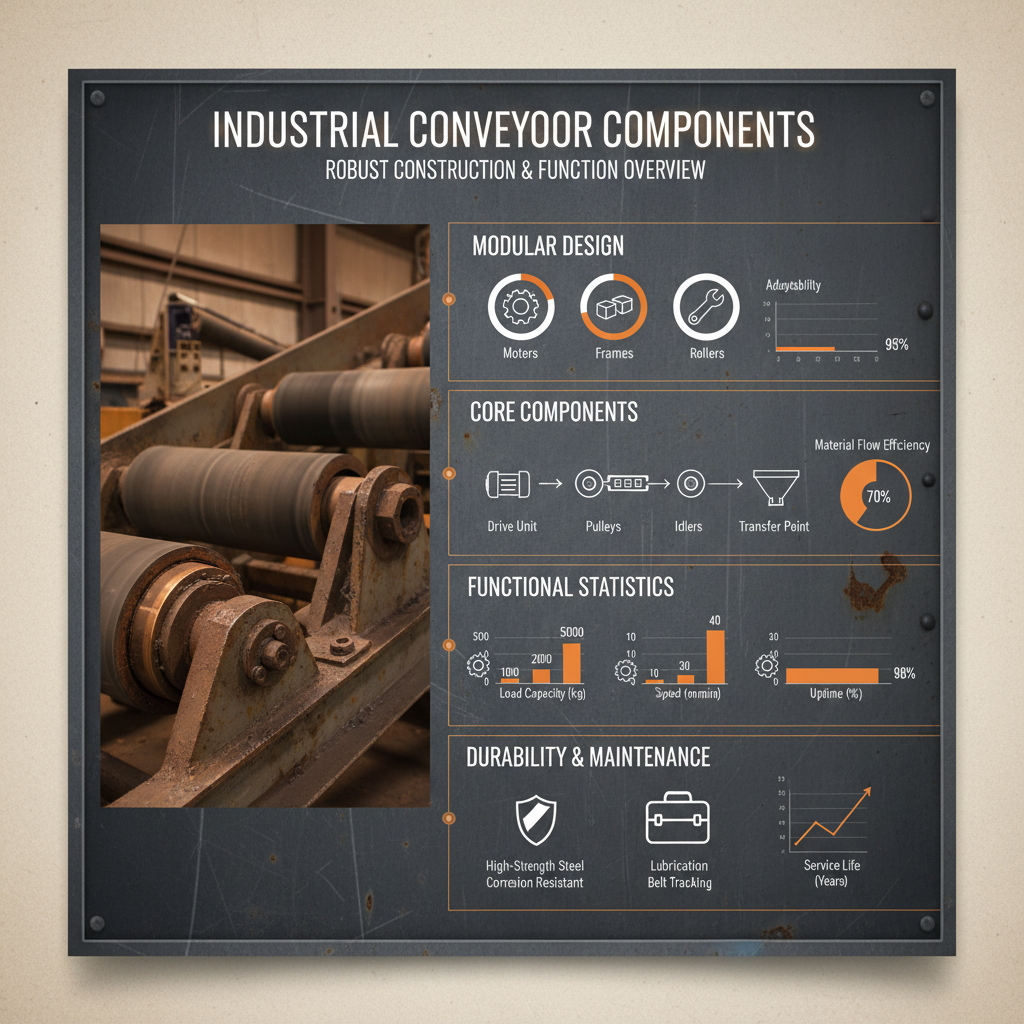
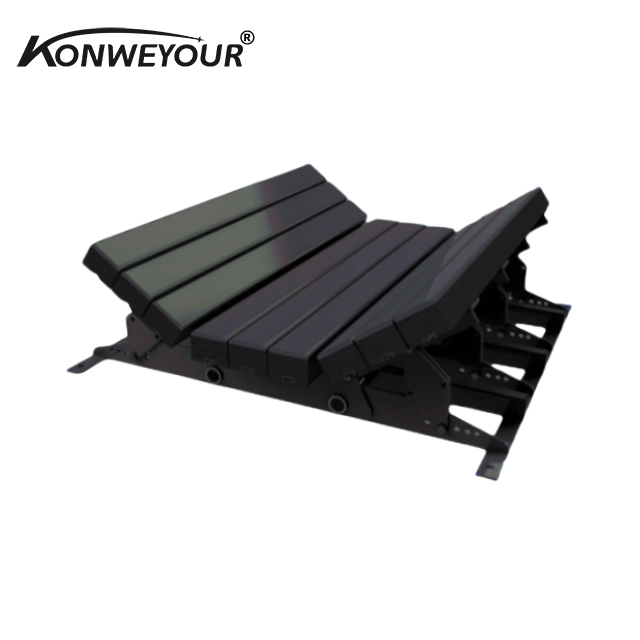
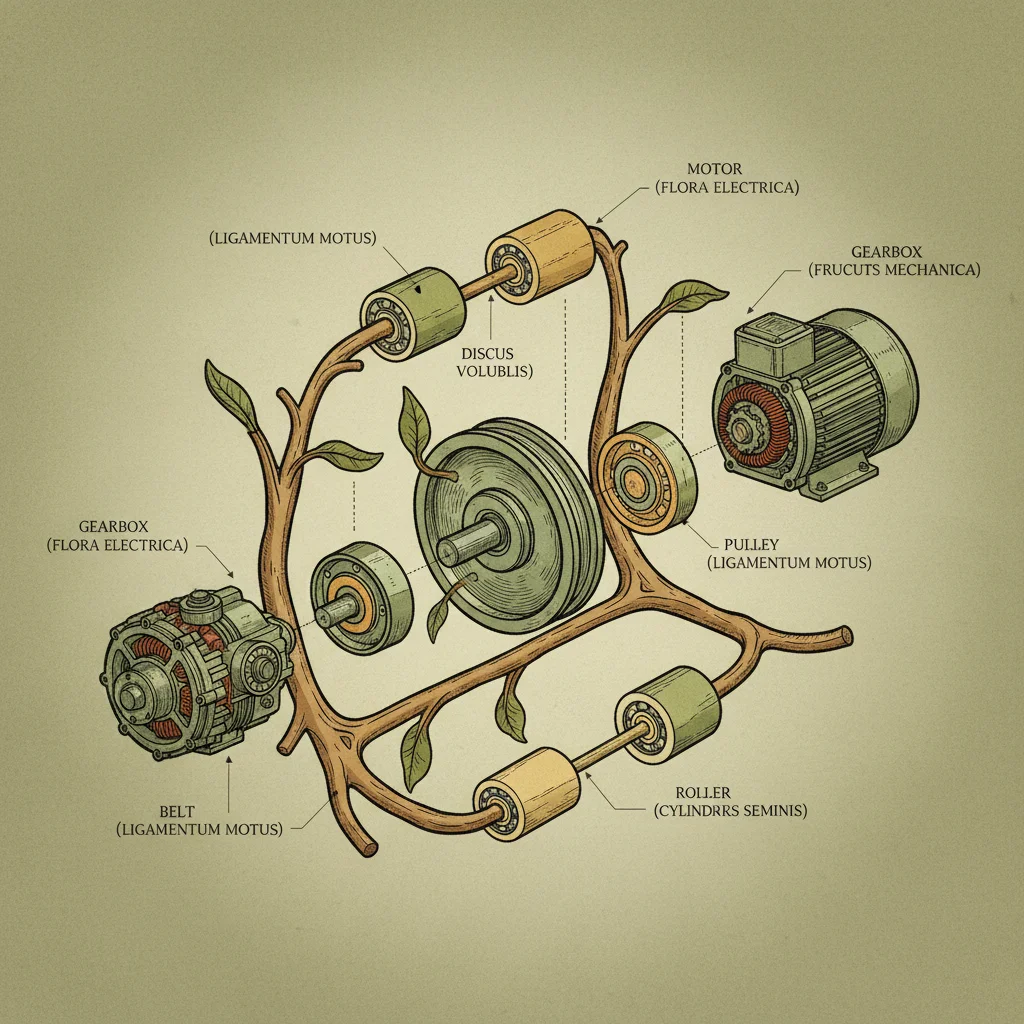
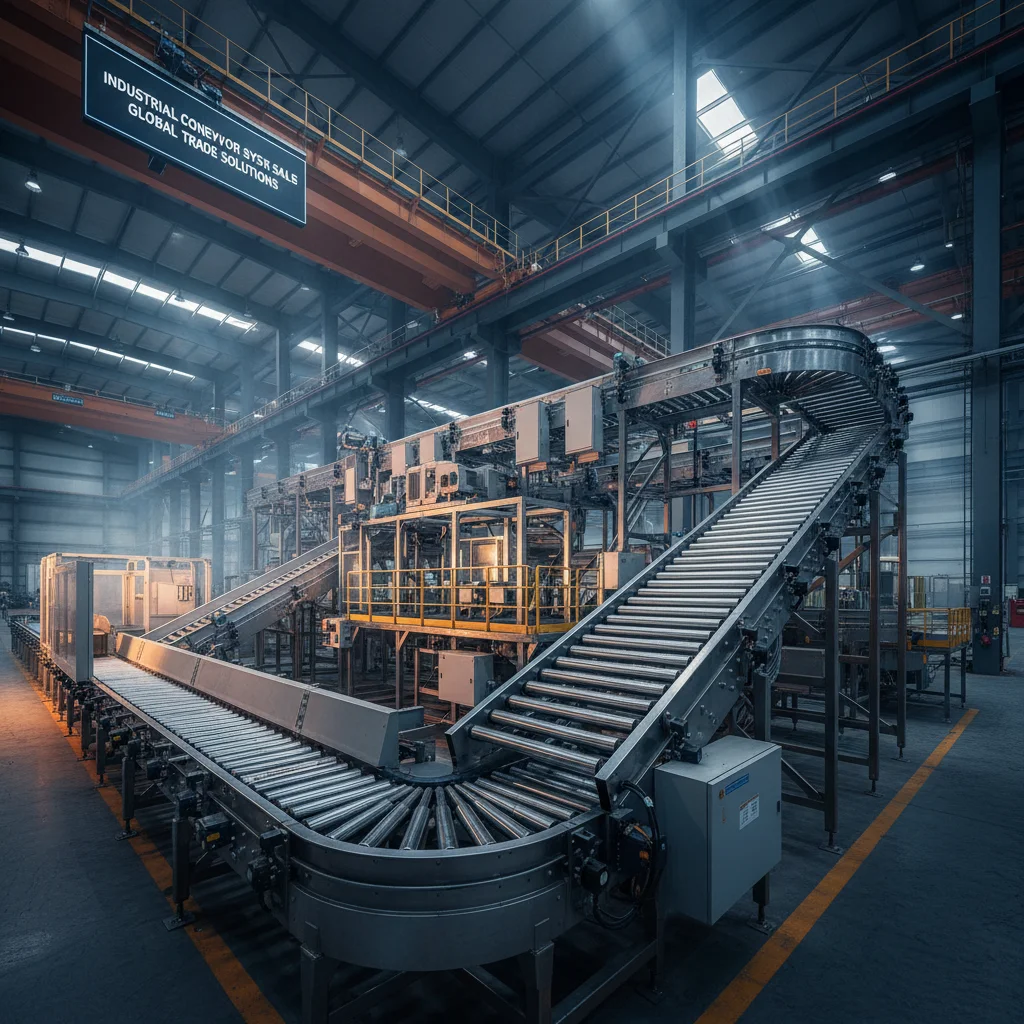
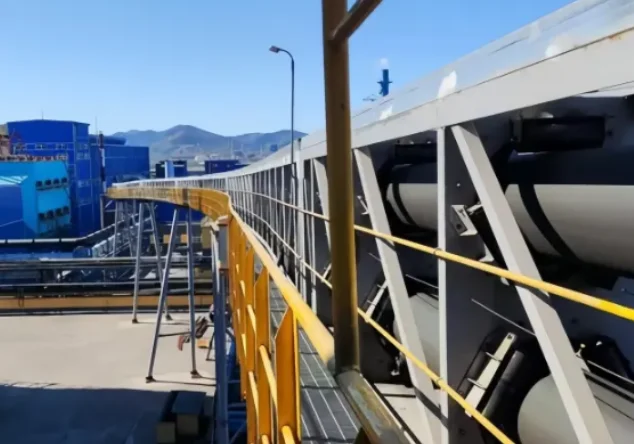
A typical conveyor system comprises several key components, each playing a critical role in the transport of materials. These include the conveyor belt itself, rollers (powered or gravity), idlers, pulleys, drive motors, gearboxes, bearings, and supporting structures. The specific components and their design will vary depending on the application, the type of material being conveyed, and the desired throughput. Selecting the right components directly impacts the system's capacity, efficiency, and longevity. For detailed specifications, exploring resources like JT Conveyor's component catalogs is highly recommended.
Key Takeaway: Understanding the interplay between different conveyor components is crucial for building a robust and efficient system. Proper component selection minimizes maintenance and maximizes operational lifespan.
Types of Conveyor Belts: A Detailed Overview
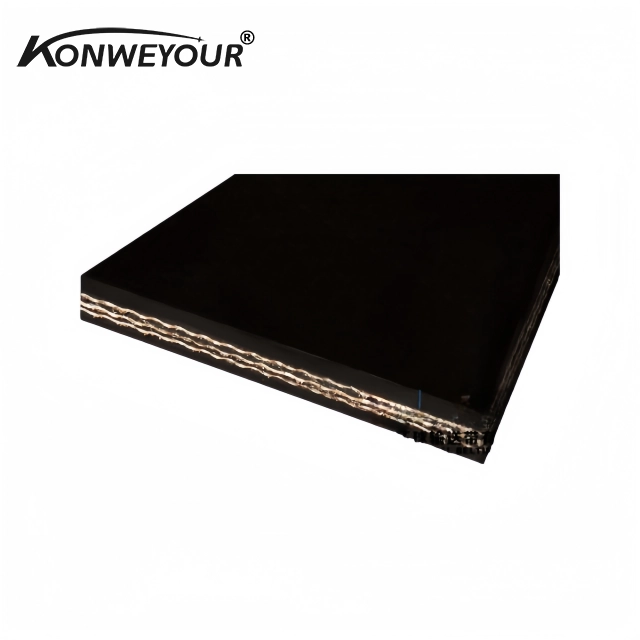
Conveyor belts are arguably the most important component of any conveyor system. They come in a vast array of materials and constructions, each suited for different applications. Common types include: flat belts (PVC, rubber, fabric), modular plastic belts, wire mesh belts, and cleated belts. PVC belts are widely used for light-duty applications and food processing, while rubber belts are preferred for heavier loads and abrasive materials. Modular plastic belts offer excellent sanitation and durability. Understanding the properties of each belt type is crucial for selecting the optimal solution for your needs. Detailed specifications and material data sheets can often be found in JT Conveyor's downloadable PDFs.
Belt Material Selection Guide:
• PVC: Light-duty, food-grade applications.
• Rubber: Heavy-duty, abrasive materials, oil resistance.
• Modular Plastic: Sanitary, durable, positive drive.
• Wire Mesh: High-temperature, heavy loads, airflow applications.
Conveyor Rollers & Idlers: Supporting the Load
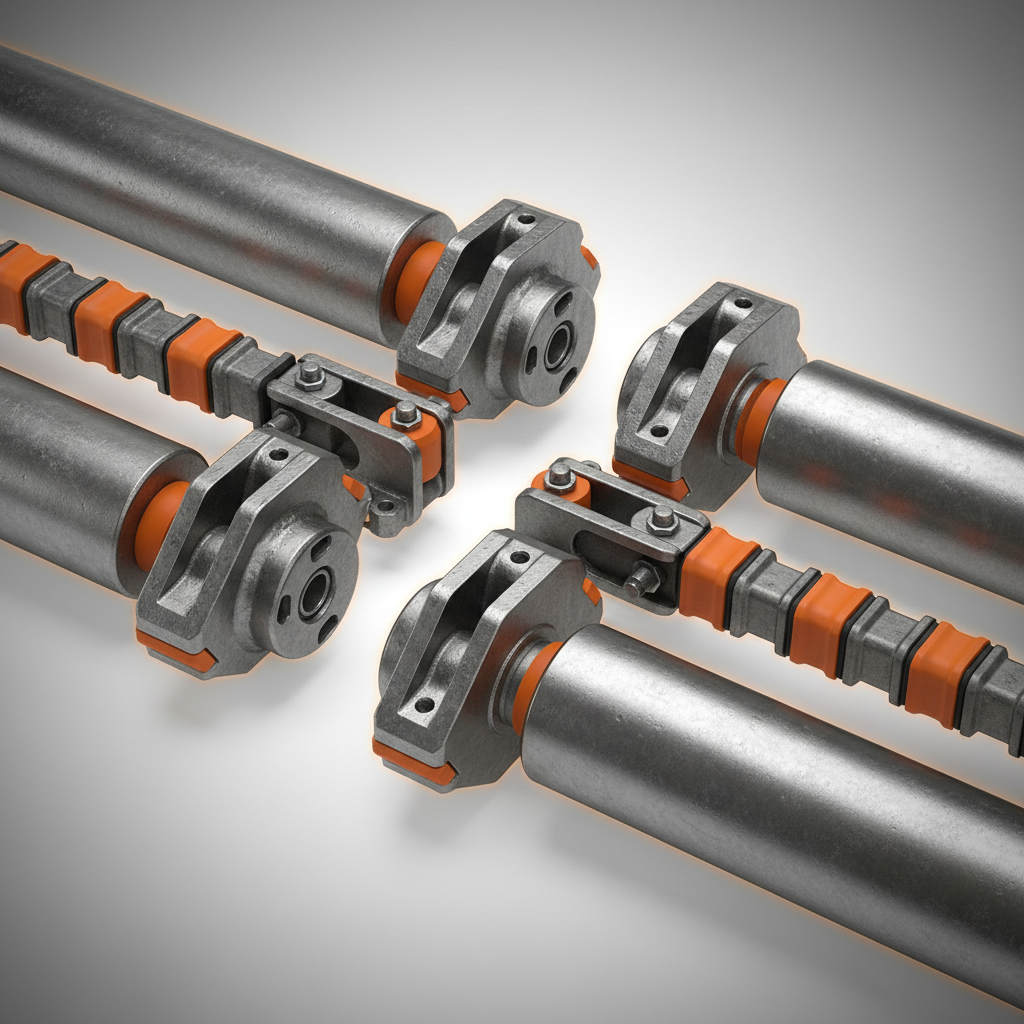
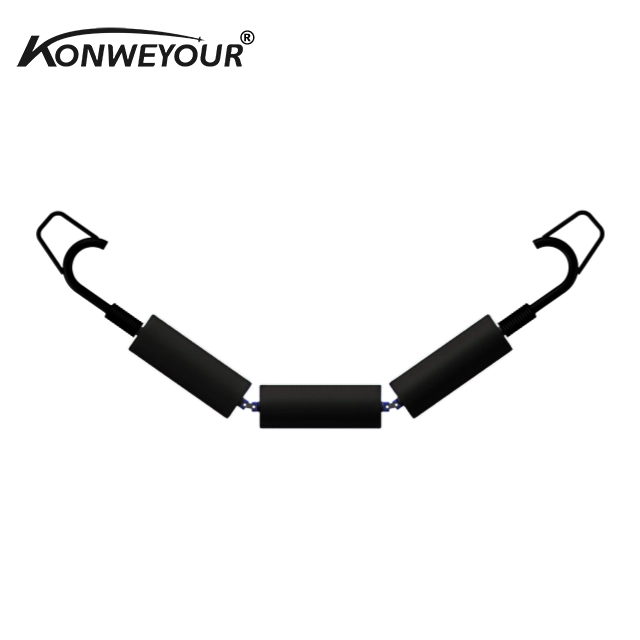
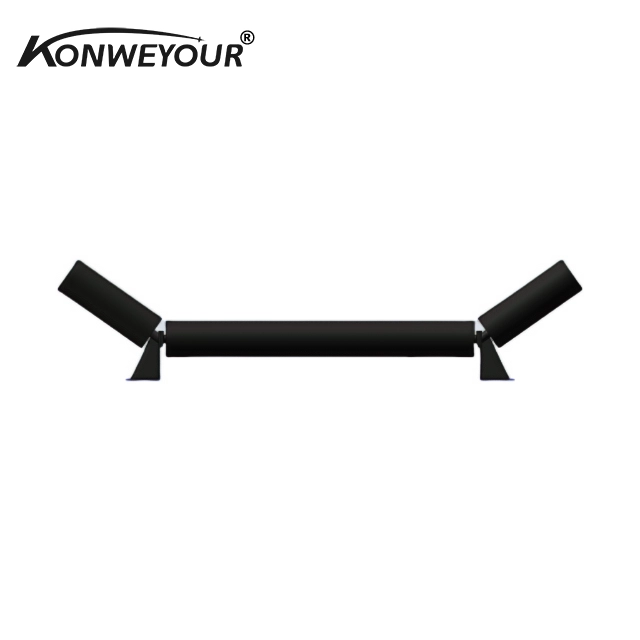
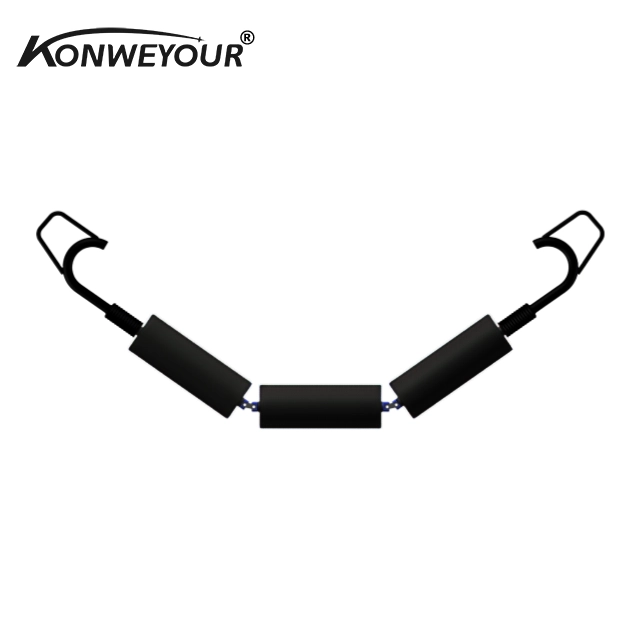
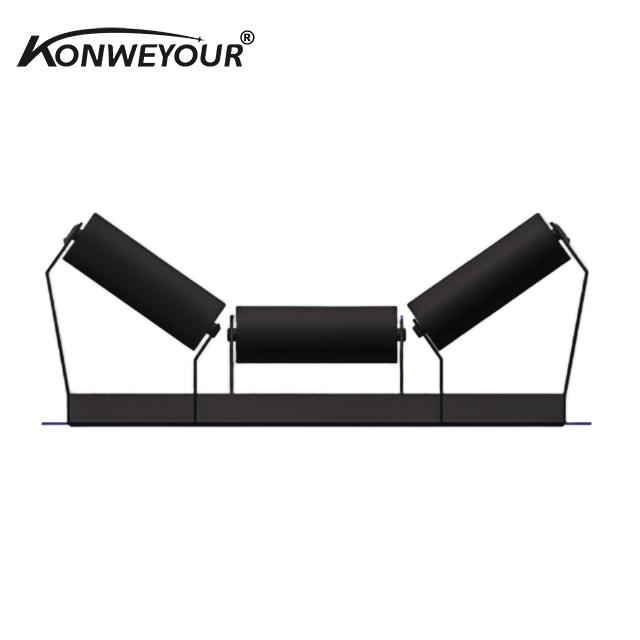
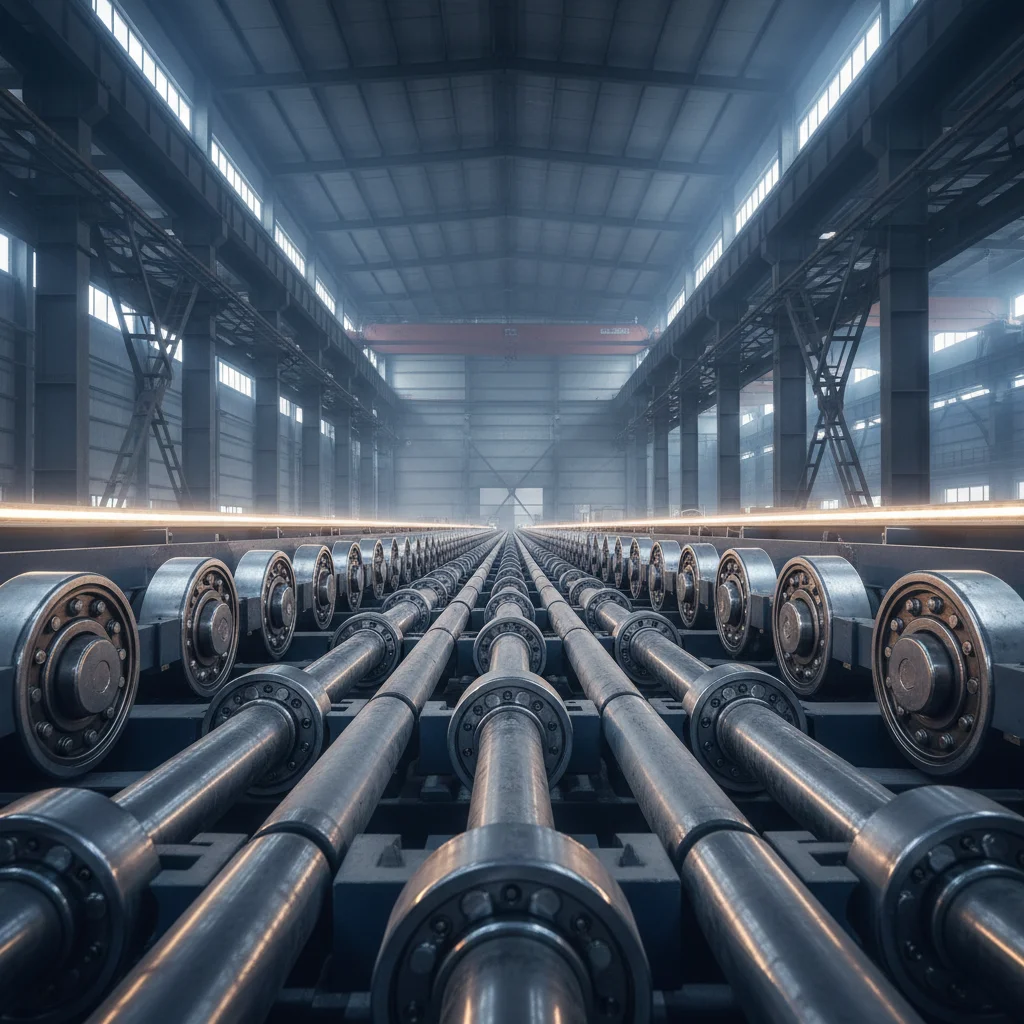
Rollers and idlers provide support for the conveyor belt and facilitate smooth material flow. Powered rollers drive the belt, while gravity rollers allow materials to move via inclination. Idlers, typically unpowered, support the belt between drive sections and prevent sagging. The material and construction of rollers and idlers are critical, especially in demanding environments. Factors to consider include load capacity, speed, and the presence of abrasive or corrosive materials. Regular inspection and maintenance of these components are essential to prevent breakdowns. You can find detailed specifications for rollers and idlers in JT Conveyor’s components PDF.
| Component |
Material Options |
Typical Applications |
| Powered Rollers |
Steel, Stainless Steel |
High-volume sorting, accumulation |
| Gravity Rollers |
Steel, PVC |
Light-duty transport, accumulation |
| Idlers |
Steel, Rubber-covered |
Belt support, reducing friction |
Accessing Conveyor Component PDFs for Detailed Information
Detailed technical specifications, dimensions, and material properties are often best accessed through downloadable PDF documents. JT Conveyor provides a comprehensive library of conveyor components PDFs, covering everything from belts and rollers to motors and gearboxes. These resources are invaluable for engineers, maintenance personnel, and anyone involved in the design, installation, or maintenance of conveyor systems. Utilizing these PDFs ensures you have the most accurate and up-to-date information at your fingertips.
Choosing the Right Supplier for Conveyor Components
Selecting a reliable supplier is crucial for ensuring the quality and performance of your conveyor system. Look for suppliers with a proven track record, a wide product range, and excellent customer support. A supplier that provides detailed technical documentation, such as conveyor components PDFs, demonstrates a commitment to transparency and customer satisfaction. Consider factors like delivery times, pricing, and warranty policies when making your decision. JT Conveyor is a trusted partner for businesses seeking high-quality conveyor components and expert support.
Conclusion: Ensuring Efficient Material Handling
Selecting the right conveyor components is paramount for building a reliable and efficient material handling system. Leveraging resources like detailed conveyor components PDFs and partnering with a trusted supplier like JT Conveyor will significantly contribute to your operational success. Don't underestimate the importance of quality components in optimizing your workflow.
Frequently Asked Questions (FAQs)
What factors should I consider when selecting a conveyor belt material?
Several factors influence conveyor belt material selection, including the type of material being conveyed (abrasive, oily, hot, etc.), the load weight, the conveyor's speed and incline, and the environmental conditions. For abrasive materials, a durable belt like rubber is recommended. For food processing, a sanitary PVC or modular plastic belt is ideal. Consider temperature resistance if conveying hot materials and oil resistance for oily products. Refer to manufacturer's specifications and conveyor components PDFs for detailed guidance.
How often should I inspect my conveyor system?
Regular inspection is critical for preventing breakdowns and ensuring safe operation. Inspect belts for wear and tear, rollers for smooth rotation, and bearings for lubrication. Check for loose bolts or damaged components. A daily visual inspection is recommended, with a more thorough inspection performed weekly or monthly, depending on the system's usage. Document your inspections and address any issues promptly.
Where can I find detailed specifications for JT Conveyor components?
JT Conveyor provides comprehensive conveyor components PDFs on their website, including detailed specifications, dimensions, and material properties for all their products. These PDFs are a valuable resource for engineers and maintenance personnel.
What is the importance of using the correct bearings in a conveyor system?
Bearings are essential for smooth and efficient conveyor operation. Using the correct type and size of bearings minimizes friction, reduces energy consumption, and extends the lifespan of the conveyor system. Incorrect bearings can lead to premature failure, increased noise levels, and costly downtime. Always refer to the manufacturer's recommendations and conveyor components PDFs for proper bearing selection.