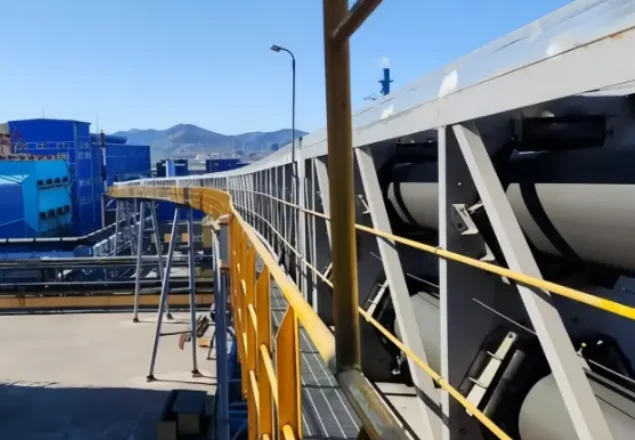
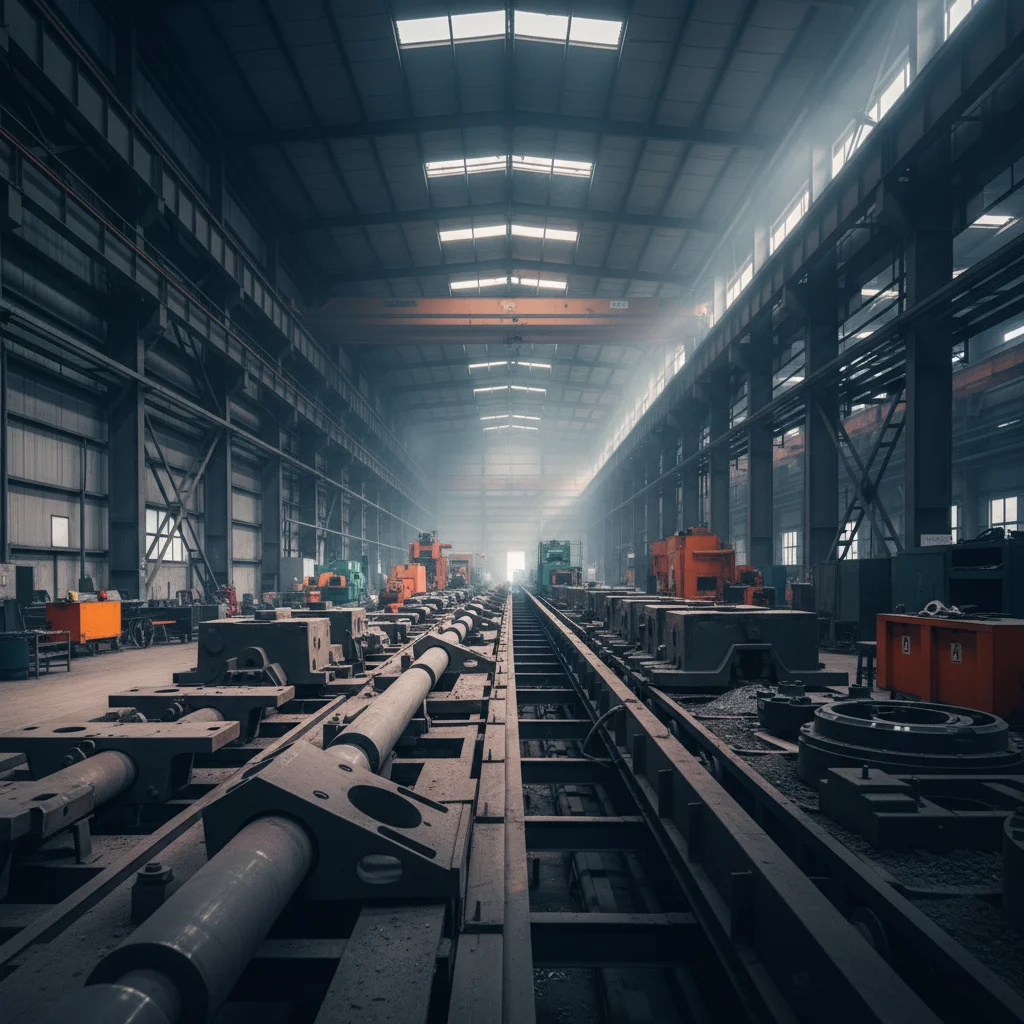
Aggregate Conveyor Rollers: A Comprehensive Guide
Efficient material handling is crucial in industries like mining, agriculture, and recycling. Aggregate conveyor rollers play a vital role in this process, ensuring smooth and reliable transportation of bulk materials. This article provides an in-depth look at these essential components, covering their types, applications, maintenance, and factors to consider when selecting the right rollers for your needs. Understanding the nuances of aggregate conveyor rollers will allow you to optimize your conveying systems for maximum efficiency and longevity.
Understanding the Different Types of Aggregate Conveyor Rollers
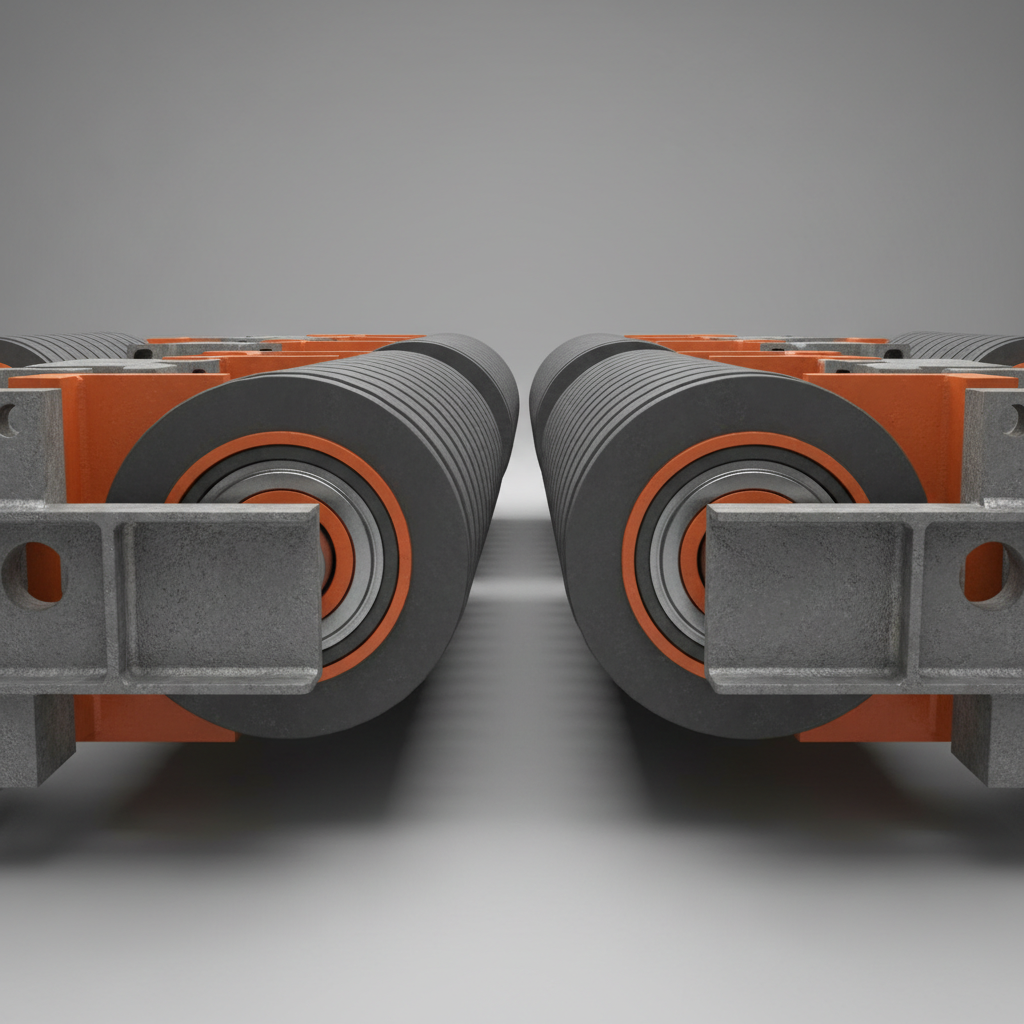
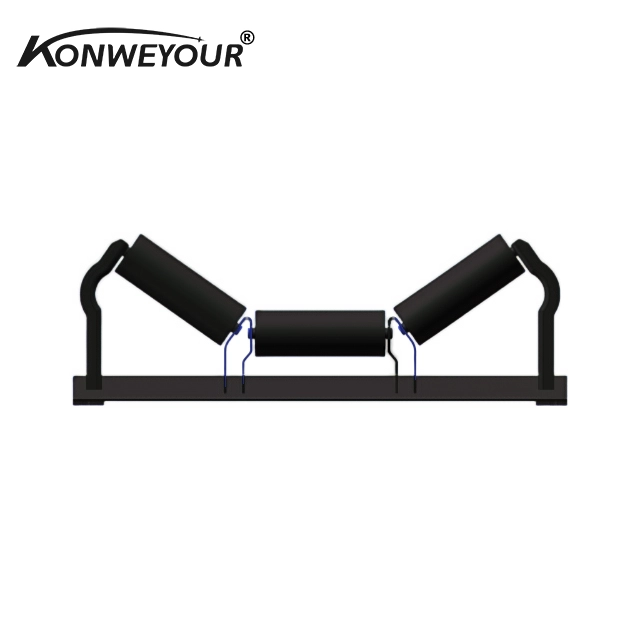
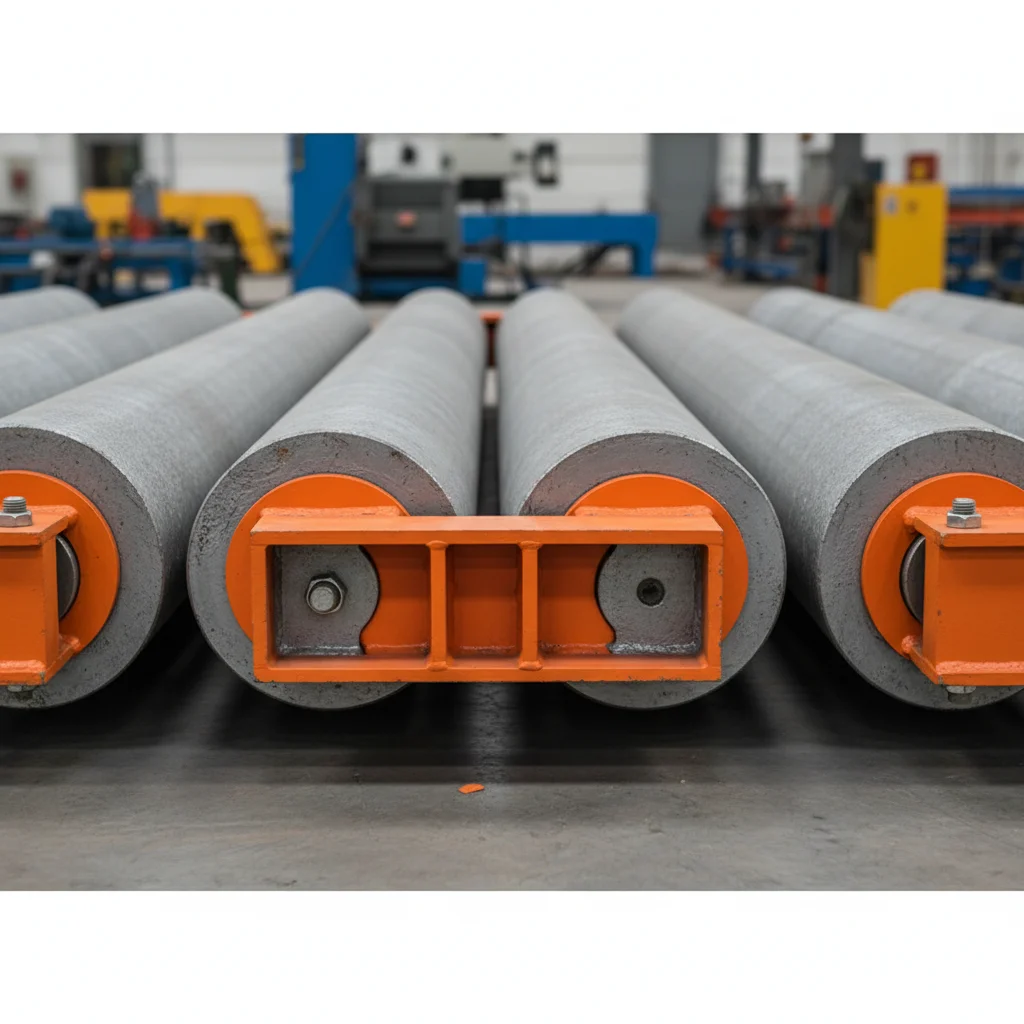
Aggregate conveyor rollers come in various types, each designed for specific applications and load capacities. The most common include:
- Carrying Idlers: Support the weight of the conveyor belt and the material being carried.
- Return Idlers: Support the empty returning strand of the conveyor belt.
- Training Idlers: Used to steer the conveyor belt and prevent misalignment.
- Impact Idlers: Designed to absorb the impact of falling materials, preventing damage to the belt and rollers.
- Wing Idlers: Feature wings that help center the belt and prevent material spillage.
Choosing the correct type of conveyor roller is crucial for optimal performance and minimizing downtime.
Key Considerations When Selecting Aggregate Conveyor Rollers
Selecting the right aggregate conveyor rollers requires careful consideration of several factors. These include the material being conveyed, the belt speed, the conveyor length, and the environmental conditions. The load capacity of the rollers must be sufficient to handle the maximum weight of the material. Furthermore, the rollers should be constructed from durable materials that can withstand abrasion, impact, and corrosion.
Important Factors: Load capacity, material type, belt speed, environmental conditions, and maintenance requirements.
Material Options and Their Advantages
The material used to construct the rollers significantly impacts their performance and lifespan. Common materials include:
- Steel: Offers high strength and durability, suitable for heavy-duty applications.
- Stainless Steel: Provides excellent corrosion resistance, ideal for abrasive materials and harsh environments.
- Polymer: Lightweight and corrosion-resistant, suitable for lighter loads and specific applications.
At JT Conveyor, we offer a wide range of materials to suit diverse industry needs.
Aggregate Conveyor Rollers: Comparing Steel and Stainless Steel
While both steel and stainless steel are popular choices for aggregate conveyor rollers, they possess distinct characteristics. Stainless steel offers superior corrosion resistance, making it ideal for environments where exposure to moisture, chemicals, or abrasive materials is prevalent. Steel, on the other hand, provides greater strength at a lower cost, making it suitable for less demanding applications. The following table highlights a comparison of the two materials:
| Feature |
Steel |
Stainless Steel |
| Corrosion Resistance |
Lower |
High |
| Strength |
High |
High |
| Cost |
Lower |
Higher |
| Applications |
Dry, non-corrosive environments |
Wet, corrosive, or abrasive environments |
Proper Maintenance for Extended Roller Lifespan
Regular maintenance is essential for maximizing the lifespan and performance of your aggregate conveyor rollers. This includes:
- Lubrication: Regularly lubricate bearings to reduce friction and wear.
- Inspection: Inspect rollers for damage, such as cracks, dents, or worn bearings.
- Cleaning: Remove any buildup of material or debris that could impede roller rotation.
- Alignment: Ensure rollers are properly aligned to prevent belt misalignment and excessive wear.
Implementing a proactive maintenance schedule will significantly reduce downtime and extend the service life of your conveyor system.
Choosing the Right Supplier: JT Conveyor
Selecting a reliable supplier is critical when purchasing aggregate conveyor rollers. JT Conveyor offers a comprehensive range of high-quality rollers, expert technical support, and competitive pricing. We are committed to providing solutions that meet your specific needs and enhance the efficiency of your material handling operations.
Conclusion: Optimize Your Conveying System with Quality Rollers
Investing in high-quality aggregate conveyor rollers is a crucial step towards optimizing your material handling operations. By understanding the different types, materials, and maintenance requirements, you can ensure smooth, reliable, and efficient conveying of bulk materials. JT Conveyor is your trusted partner for all your conveyor roller needs.
Frequently Asked Questions (FAQs)
What is the typical lifespan of an aggregate conveyor roller?
The lifespan of an aggregate conveyor roller varies depending on several factors, including the material being conveyed, the operating environment, and the frequency of maintenance. However, with proper care and regular lubrication, a well-maintained roller can typically last between 5 to 10 years. More abrasive materials and harsh environments will significantly reduce this lifespan. Regular inspections are crucial to identify wear and tear early on, allowing for timely replacements and preventing unexpected downtime. At JT Conveyor, we can help you estimate the expected lifespan based on your specific application and provide recommendations for preventative maintenance.
How often should I lubricate my conveyor rollers?
The lubrication frequency depends on the operating conditions and the type of lubricant used. As a general guideline, rollers should be lubricated every 3 to 6 months. However, in dusty or harsh environments, more frequent lubrication may be required. Always follow the lubricant manufacturer’s recommendations and ensure that the rollers are thoroughly cleaned before applying lubricant. JT Conveyor offers specialized lubricants designed to withstand demanding conditions and extend roller life.
What are the signs that a conveyor roller needs to be replaced?
Several signs indicate that a conveyor roller needs replacement. These include excessive noise, difficulty rotating, visible damage such as cracks or dents, and uneven wear. If you notice any of these signs, it's important to inspect the roller closely and replace it if necessary. Ignoring these signs can lead to belt misalignment, increased friction, and ultimately, conveyor system failure. JT Conveyor offers a quick and reliable roller replacement service to minimize downtime.
Can JT Conveyor provide custom roller solutions?
Yes, JT Conveyor specializes in providing custom roller solutions tailored to your specific needs. We can manufacture rollers with different diameters, lengths, materials, and bearing configurations to meet the demands of your application. Our team of experienced engineers can work with you to design and manufacture the perfect roller solution for your conveyor system.