
HighEfficiency mine conveyor Solutions for Zimbabwe’s Mining Sector

High-Efficiency mine conveyor Solutions for Zimbabwe's Mining Sector

Optimizing mineral transport with heavy-duty engineering tailored for the rugged terrains of Zimbabwe.

High-Efficiency mine conveyor Solutions for Zimbabwe's Mining Sector

Providing robust, scalable, and low-maintenance transport systems designed specifically for the high-capacity demands of Zimbabwean mineral extraction.

Current State of Bulk Material Handling in Zimbabwe

Analyzing the operational challenges of conveyors in the Great Dyke and Hwange regions.

Zimbabwe's mining landscape, characterized by diverse minerals from chrome and platinum to coal, relies heavily on a stable conveyor system. However, many legacy sites still struggle with equipment that cannot withstand the extreme temperature fluctuations and corrosive dust inherent to the region's geography.

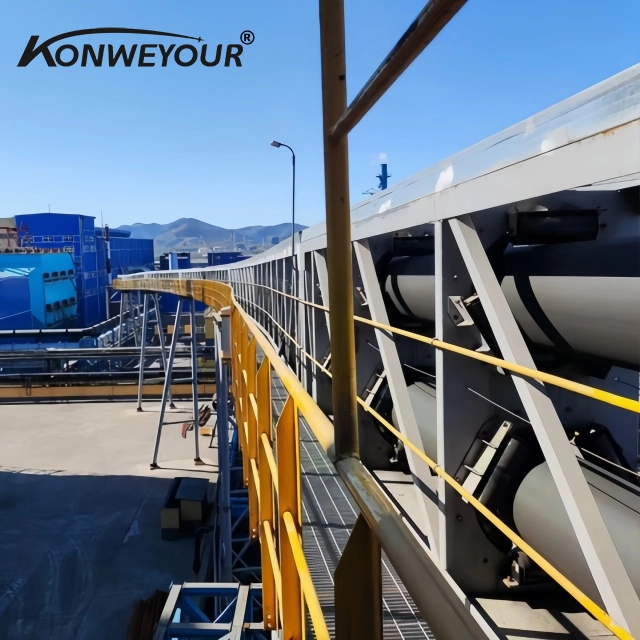
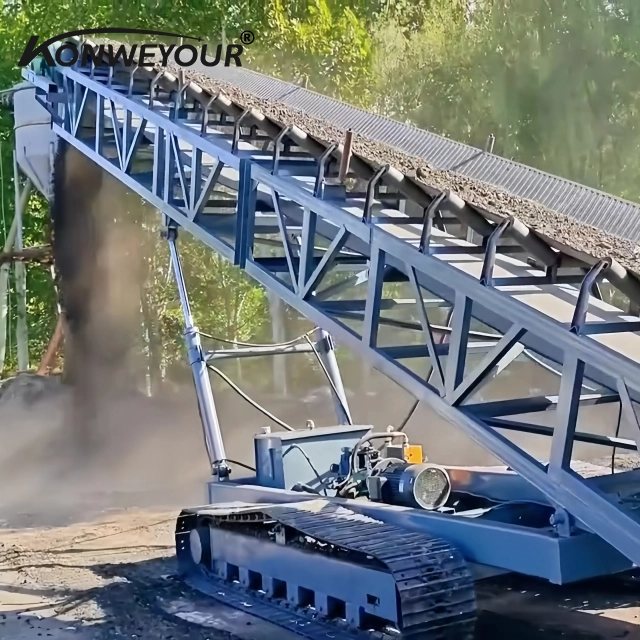
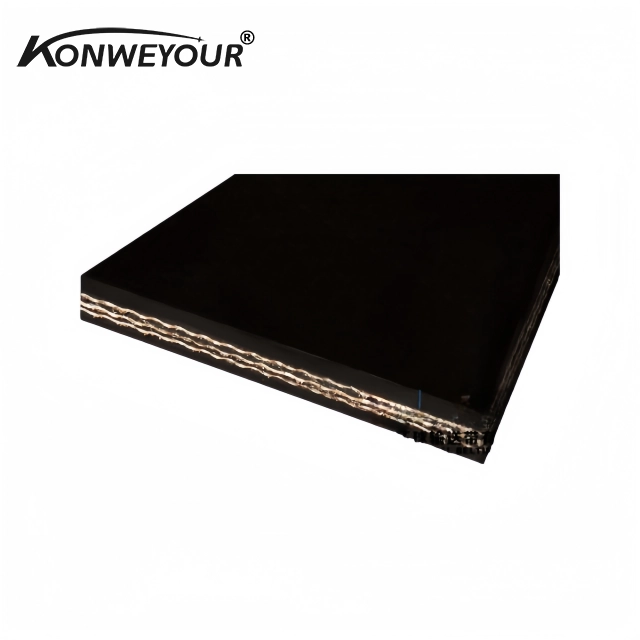
In the coal-rich regions of Hwange, the demand for a dedicated coal mine conveyor is increasing. The current operational status shows a shift toward replacing aging belt systems with high-tension, wear-resistant materials to reduce unplanned downtime caused by frequent belt tears.

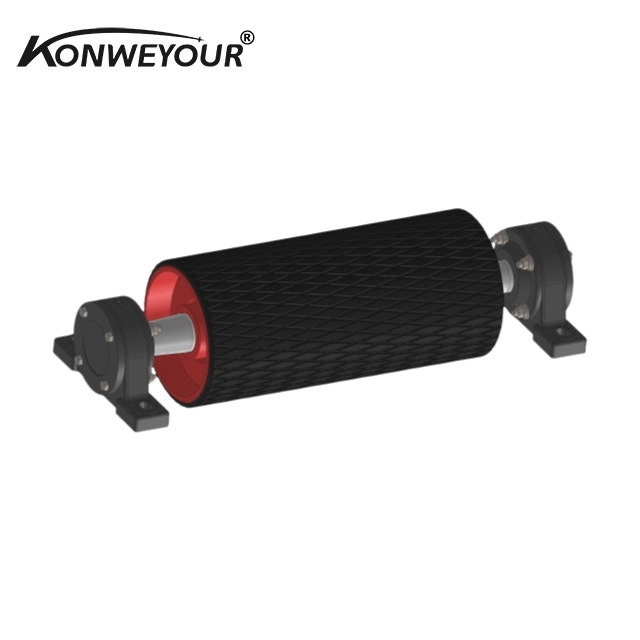
The local market is currently experiencing a critical shortage of high-precision conveyor components. This has led to prolonged maintenance cycles, prompting mine operators to seek global partners who can provide integrated supply chains and rapid deployment of replacement parts.
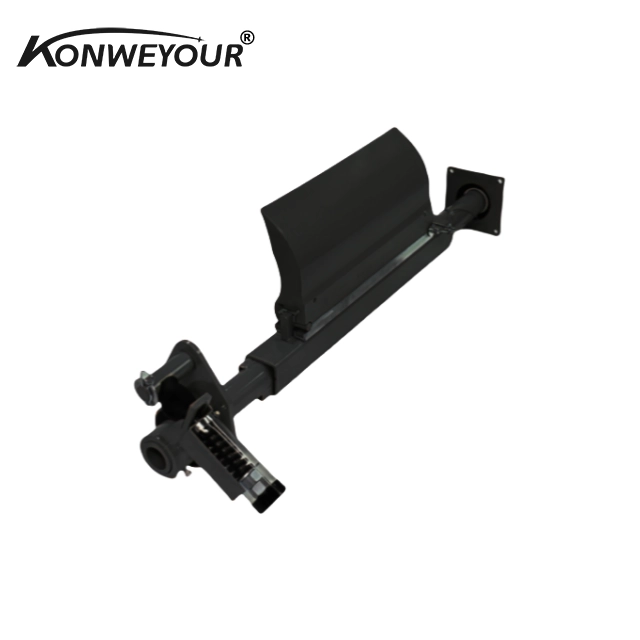
Evolution and Trajectory of Zimbabwean Conveyor Technology

From manual haulage to automated continuous transport systems.

Market Development History

During the early industrialization phase (1960s-1980s), material movement in Zimbabwe relied primarily on basic rail and truck haulage, with very limited use of fixed conveyor belts, which were reserved for the largest gold mines.

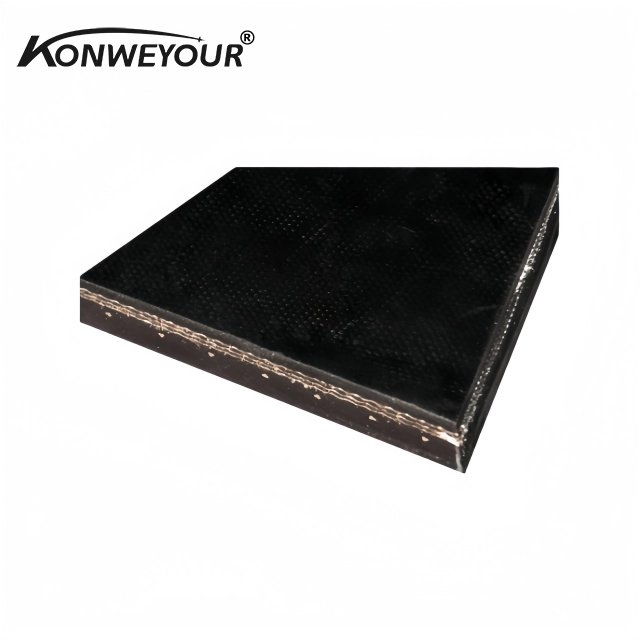
Between 1990 and 2010, the introduction of modular conveyor transfer systems allowed for more flexible mine layouts. This period saw the integration of basic mechanical drives and the first wave of steel-cord belts to handle higher tonnage.

From 2011 to the present, there has been a rapid transition toward "Smart Conveying." The focus has shifted from mere transport to optimizing energy consumption and integrating sensors for real-time belt rip detection and load monitoring.

Future Development Trends

IIoT Integration

The adoption of Industrial IoT will enable predictive maintenance, allowing Zimbabwean mines to anticipate component failure before it stops production.

Energy-Efficient Drives

With rising energy costs, the transition to permanent magnet motors and regenerative braking systems in downhill conveyors is becoming a priority.

Advanced Material Science

The use of nano-composite polymers for rollers and belts to combat the highly abrasive nature of Zimbabwean ores.

Industry Trends and Strategic Outlook

Navigating the future of bulk material handling in Southern Africa.

Automated Load Balancing
Implementing AI-driven load sensors to prevent belt overloading and reduce mechanical stress.
Modular Design Shift
Moving toward prefabricated conveyor transfer systems for faster onsite installation.
Eco-Friendly Materials
Developing biodegradable or fully recyclable belt materials to meet new environmental ESG standards.
High-Tension Steel Cords
Increasing the use of ultra-high-strength steel cords for long-distance overland conveyor systems.

Industry Outlook

Based on Google search trends for "mining automation Africa," there is a clear spike in interest regarding autonomous hauling. We expect the Zimbabwean market to transition toward fully integrated conveyor system networks that operate with minimal human intervention in hazardous zones.

The next 3-5 years will likely see a consolidation of the market where operators prioritize "Total Cost of Ownership" (TCO) over initial purchase price, leading to higher demand for premium, durable components that offer longer lifespans in harsh African climates.

Localized Application Scenarios in Zimbabwe

Proven conveyor deployments across various Zimbabwean industrial landscapes.

01. Hwange Coal Mine Heavy-Duty Transport

Deployment of specialized coal mine conveyor belts designed to handle high volumes of raw coal with integrated scrapers to prevent material build-up in humid conditions.

02. Great Dyke Platinum Ore Extraction

Installation of high-angle mine conveyor systems to move platinum-group metals from deep shafts to surface processing plants efficiently.

03. Chrome Mine Material Transfer Hubs

Customized conveyor transfer systems that utilize reinforced chutes to handle the highly abrasive nature of chrome ore without premature wear.

04. Lithium Processing Facility Logistics

Implementation of precision conveyor system arrays for the emerging lithium sector, focusing on contamination-free transport for battery-grade minerals.

05. Remote Mine Site Component Kits

Supply of standardized conveyor components in modular "maintenance packs" to ensure remote sites in Mashonaland can perform rapid repairs without waiting for international shipping.

Brand Story

Global Development History of Hebei Juntong Machinery Manufacturing Co., Ltd.

Foundational Engineering

Established with a focus on precision manufacturing, we began by solving the most basic durability issues in industrial material handling.

Technological Breakthroughs

Invested heavily in R&D to create wear-resistant alloys and high-tension belt composites that outperform industry standards.

Global Market Expansion

Expanded our footprint into Africa, specifically tailoring our equipment for the extreme conditions found in Zimbabwean mines.

Integration of Smart Systems

Pioneered the shift toward automated monitoring, reducing downtime for our global clients through predictive analytics.

Commitment to Sustainability

Now leading the way in energy-efficient conveyor designs to help the mining industry reduce its carbon footprint worldwide.

Complete Conveying Portfolio for Zimbabwe

Integrated solutions from heavy-duty belts to precision replacement parts.

Zimbabwe Mining Conveyor FAQ

Expert answers to common technical and operational questions.

How to choose the right mine conveyor for abrasive ores in Zimbabwe?

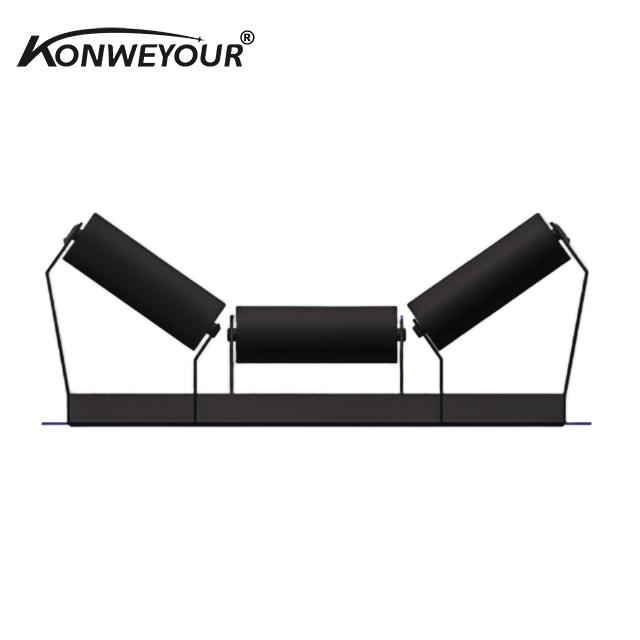
For abrasive ores, we recommend steel-cord belts with high-grade rubber covers and reinforced idlers to minimize wear and tear.

What are the best conveyor components for high-temperature environments?

Heat-resistant polymers and specialized lubricants are essential for components operating in the high-heat zones of coal mines.

Can a coal mine conveyor be customized for varying incline angles?

Yes, by utilizing cleated belts or high-friction covers, we can design systems that handle steep inclines without material rollback.

How do conveyor transfer systems reduce material spillage?

By implementing curved chutes and impact beds at the transfer points, we ensure a smooth flow of material, significantly reducing waste.

What is the maintenance cycle for a heavy-duty conveyor system in Zimbabwe?

Depending on the material, we recommend quarterly inspections for idlers and monthly tension adjustments for maximum belt life.

Are modular conveyor components compatible with older systems?

Most of our components are designed to international standards, allowing for easy integration into legacy systems for upgrades.

Request a Technical Consultation

Contact our engineers today to optimize your bulk material handling efficiency in Zimbabwe.

Contact Us Now

If you are interested in our products, you can choose to leave your information here, and we will be in touch with you shortly.

  • captcha