
HighEfficiency conveyor transfer systems for US Mining Operations

High-Efficiency conveyor transfer systems for US Mining Operations

Optimizing bulk material handling with precision-engineered solutions designed for the rigorous demands of North American industrial landscapes.

High-Efficiency conveyor transfer systems for US Mining Operations

Our advanced transfer systems ensure seamless material flow, reducing downtime and wear in the most challenging extraction environments across the United States.

Current Landscape of Material Handling in the United States

Addressing the operational challenges of the US mining and industrial sectors.

The United States mining sector is currently facing a pivotal transition. In regions like Appalachia and the Powder River Basin, the reliance on a robust coal mine conveyor network remains critical, yet operators are grappling with aging infrastructure that requires modernization to meet stricter safety and environmental regulations.

Geographically, the diverse US climate—from the extreme cold of Alaskan mines to the arid heat of Arizona's copper pits—demands high-durability conveyor components. Materials must withstand thermal expansion and contraction without compromising the structural integrity of the transport line.

Economically, the shift toward automation and "Smart Mining" is driving a surge in demand for integrated conveyor system upgrades. US companies are prioritizing energy efficiency and reduced carbon footprints, pushing the industry toward variable-speed drives and lightweight, high-strength materials.
Evolution of Conveying Technology in North America

From mechanical belts to intelligent autonomous transport.

Market Development History

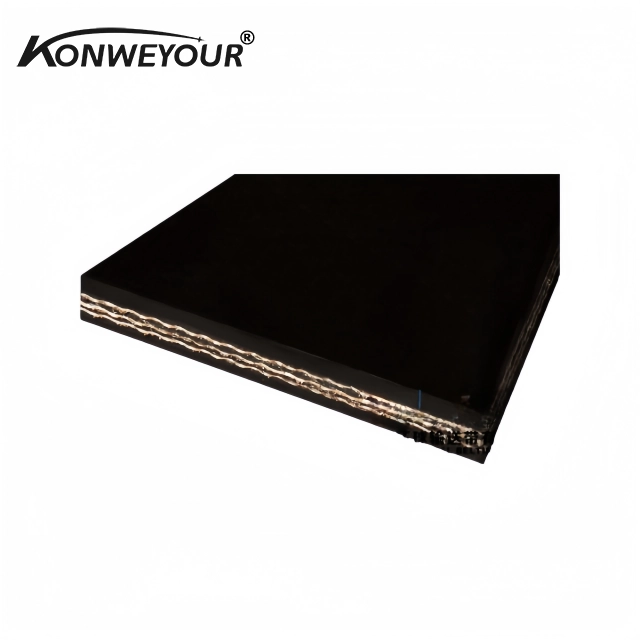
During the mid-20th century, US material handling relied on heavy-duty, single-speed mechanical belts. The focus was purely on raw capacity, utilizing massive steel-cord belts for long-distance transport in open-pit mines.

Between 1990 and 2010, the industry saw the introduction of PLC (Programmable Logic Controllers), allowing for the first stages of automated synchronization. This era marked the transition from simple transport to complex mine conveyor networks that could be monitored from a central control room.

In the last decade, the focus has shifted toward "Predictive Maintenance." By integrating IoT sensors into conveyor rollers and pulleys, US operators can now predict component failure before it occurs, drastically reducing unplanned outages.

Future Development Trends

AI-Driven Load Optimization

Integration of computer vision to monitor belt loading in real-time, automatically adjusting speeds to prevent spillage and optimize energy consumption.

Eco-Friendly Material Science

Development of biodegradable and recyclable belt compounds to align with the US "Green Mining" initiatives and reduce landfill waste.

Modular High-Speed Transfer

A move toward rapid-deploy modular transfer units that allow mines to reconfigure their layouts in days rather than months.

Industry Trends and Future Outlook

Navigating the technological frontier of continuous conveying.

Intelligent Automation
Implementing autonomous monitoring systems to reduce human exposure in hazardous mining zones.
Energy Recovery Systems
Utilizing regenerative braking on downhill conveyors to feed electricity back into the mine's grid.
Advanced Wear Protection
Using ceramic-composite liners in transfer chutes to extend component life by 300%.
Digital Twin Integration
Creating virtual replicas of conveyor lines to simulate stress and optimize throughput.

Industry Outlook

Looking forward, the US market is expected to see a massive integration of AI. Google search trends indicate a rising interest in "autonomous material handling" and "carbon-neutral mining," suggesting that the next generation of conveyor systems will be defined by their environmental impact as much as their tonnage.

We predict a shift toward decentralized conveyor networks where autonomous shuttles complement traditional belts, creating a hybrid transport ecosystem that maximizes flexibility for the diverse geological conditions of the United States.

Localized Application Scenarios in the United States

Proven deployments across North American industrial hubs.

01. Appalachian Coal Extraction

Implementation of heavy-duty coal mine conveyor lines designed for steep inclines and high-humidity underground environments, ensuring consistent output during peak winter months.

02. Southwestern Open-Pit Copper Mines

Deployment of high-temperature resistant belt systems and dust-suppression transfer points to handle abrasive ores in the arid climates of Arizona and Nevada.

03. Midwestern Aggregate Quarries

Installation of modular conveyor system setups for limestone and gravel processing, allowing for quick relocation as the quarry face advances.

04. Canadian-US Border Iron Ore Transport

Ultra-long distance conveying solutions equipped with specialized cold-weather lubricants and reinforced housing to prevent freezing and belt cracking.

05. Texas Industrial Chemical Bulk Handling

Customized corrosion-resistant conveyor components for the transport of chemical pellets and raw materials in coastal petrochemical hubs.

Brand Story

Global Development Journey of Hebei Juntong Machinery Manufacturing Co., Ltd.

Founding Vision

Established with a mission to solve the critical inefficiency in bulk material movement, focusing on durability and mechanical precision.

Technical Breakthroughs

Pioneered advanced alloy compositions for rollers and pulleys, significantly extending the lifecycle of mine conveying equipment.

Global Expansion

Extended engineering services to North America, adapting designs to meet MSHA (Mine Safety and Health Administration) standards.

Innovation Center

Launched a dedicated R&D wing focusing on "Smart Conveying" and IoT integration for real-time system health monitoring.

Sustainable Future

Committed to reducing the industrial carbon footprint by developing high-efficiency, low-friction conveying solutions for the global market.

Frequently Asked Questions - US Mining & Material Handling

Expert answers to common technical and operational queries.

How do I choose the right conveyor components for abrasive materials?

For abrasive materials like copper ore or coal, we recommend using ceramic-lined chutes and high-impact rollers made from reinforced alloy steel to prevent premature wear.

What are the MSHA requirements for a mine conveyor in the US?

MSHA requires strict adherence to safety guarding, emergency pull-cords every few feet, and rigorous belt-alignment monitoring to prevent fires and accidents.

How can conveyor transfer systems reduce material spillage?

By implementing curved transfer chutes and optimized drop-heights, we minimize turbulence and ensure the material lands centrally on the receiving belt.

Can a coal mine conveyor be upgraded without complete replacement?

Yes, we offer "modular upgrades" where we replace old drives with VFDs and install new high-efficiency belts and rollers on existing frames.

What is the expected lifespan of a high-end conveyor system?

With predictive maintenance and high-quality components, the structural frame can last 20+ years, while belts typically require replacement every 3-7 years depending on load.

Do you provide site-specific engineering for North American terrains?

Absolutely. We analyze the specific topography, climate data, and material properties of your US site to customize the conveyor's tensioning and support structures.

Ready to Optimize Your Material Handling?

Our expert engineers are ready to design the perfect conveying solution for your operations in the United States.

Contact Us Now

If you are interested in our products, you can choose to leave your information here, and we will be in touch with you shortly.

  • captcha