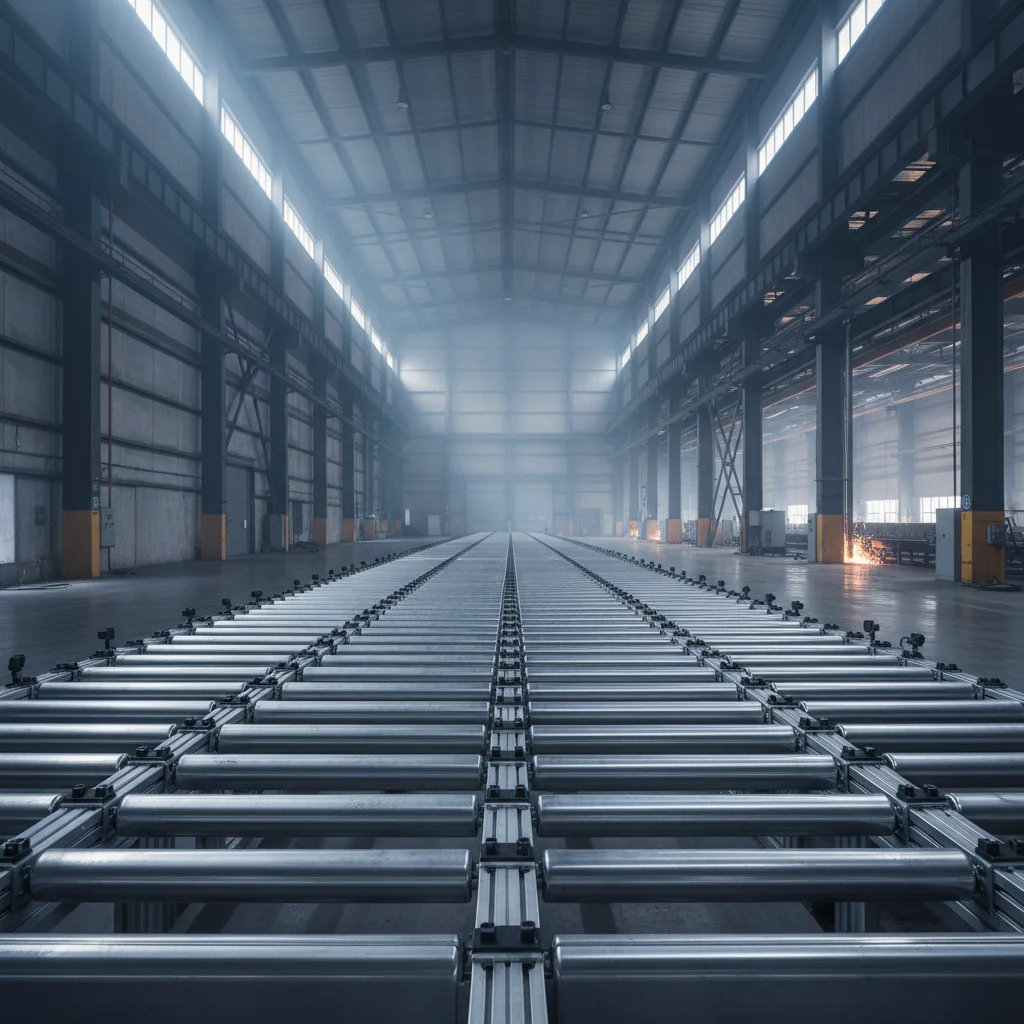
Understanding UHMW Conveyor Components: The Backbone of Modern Material Handling
Conveyor systems are the silent heroes behind many industrial and commercial operations worldwide. At the heart of these systems lie UHMW conveyor components, specialized parts crafted from Ultra High Molecular Weight polyethylene. But why do these components matter so much on a global scale? Frankly, they are key to solving efficiency and durability challenges in material handling — making factories smarter, supply chains smoother, and humanitarian efforts faster. Taking a moment to understand these components opens the door to appreciating how we move goods safely, reliably, and sustainably every day.
Introduction: Why UHMW Conveyor Components Matter Globally
The material handling market is expected to grow substantially, projected to hit around $140 billion by 2026 (source: Markets & Markets). That means conveyor systems—and their components—are increasingly in demand worldwide to handle this rising volume. UHMW components play a pivotal role here because they tackle one of the industry’s toughest nuts: friction and wear. Conveyor belts endure thousands of hours of constant movement, and inefficient components can cause breakdowns, costly repairs, or safety hazards. As industries ramp up automation and supply chain complexity grows — from remote mining sites to sprawling port terminals — UHMW parts help ensure continuous, smooth operation under harsh conditions.
Yet the problem isn’t just industrial. Humanitarian relief agencies also rely on rapid deployment of conveyor equipment to sort and distribute aid materials efficiently during crises. Durable, low-maintenance materials like UHMW mean fewer failures in unstable environments — a genuine lifesaver, so to speak. So it’s both an industrial and humanitarian story.
What Are UHMW Conveyor Components?
To the uninitiated, "UHMW" might sound like alphabet soup, but it stands for Ultra High Molecular Weight Polyethylene. In simple terms, it's a type of plastic with extremely long chains of molecules. This structure grants UHMW an exceptional combination of toughness, low friction, and resistance to abrasion. Put plainly: it’s hard to wear down and slides smoothly against other surfaces.
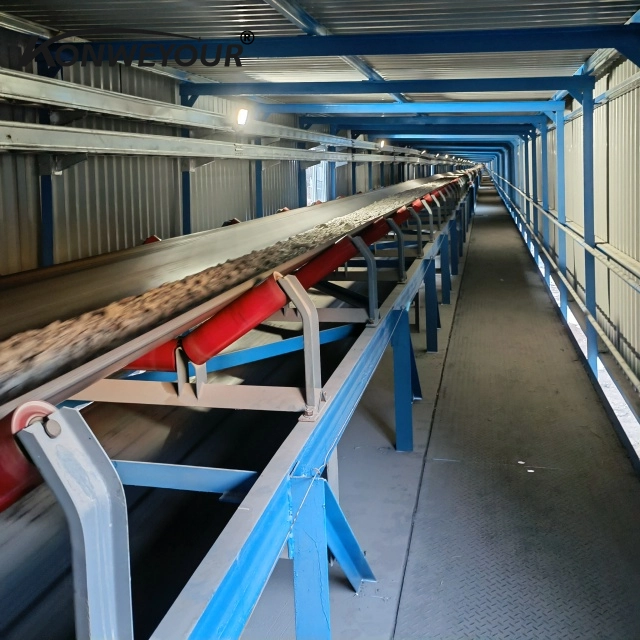
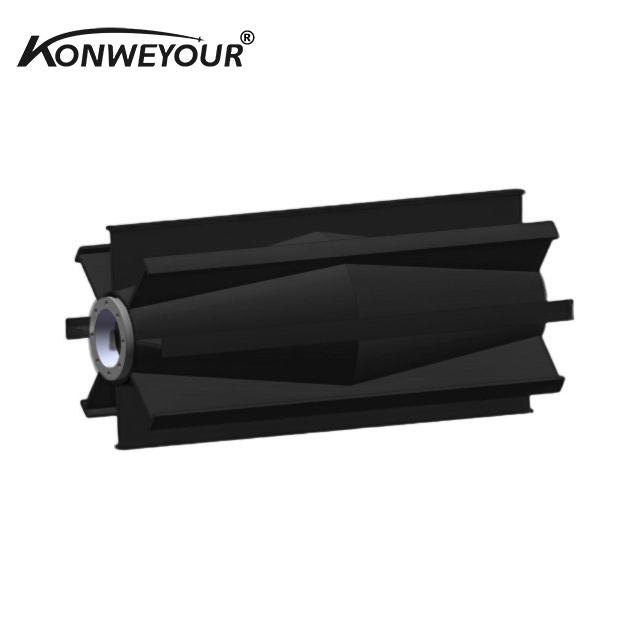
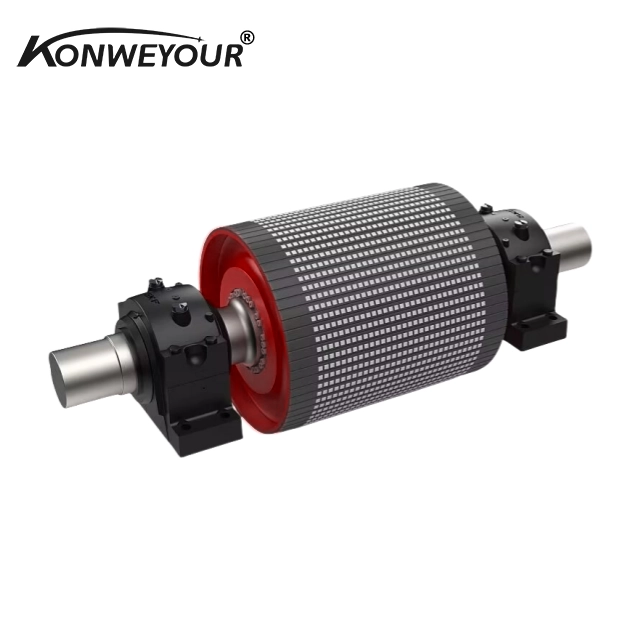
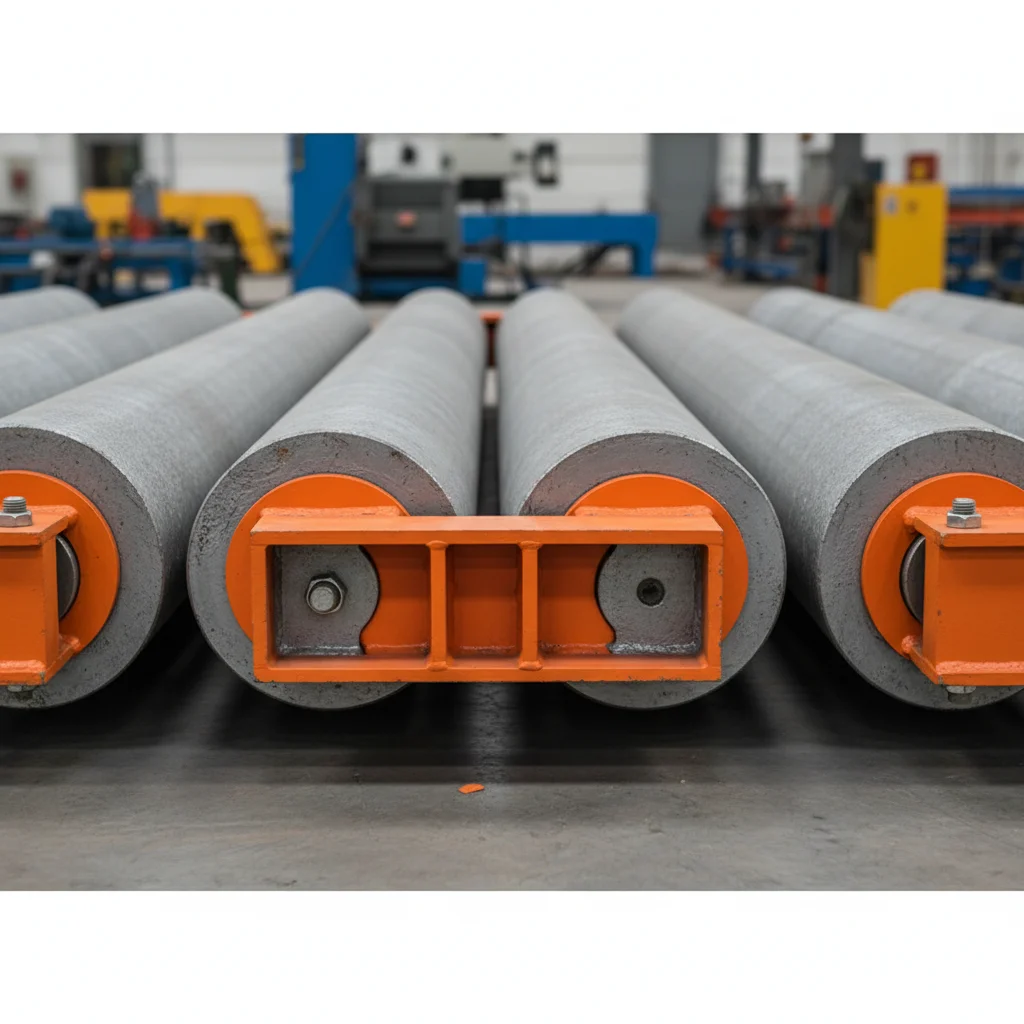
For conveyor components — rollers, sliders, guides, wear strips — this means a much longer life span and less energy lost in friction, compared to traditional metals or plastics. It’s no wonder modern industries are increasingly favoring UHMW parts over alternatives. Plus, UHMW doesn’t absorb water and resists many chemicals, so it suits a wide range of environments.
Key Characteristics of UHMW Conveyor Components
Durability & Wear Resistance
UHMW’s resistance to abrasion and impact means the components last significantly longer even under heavy load or constant use. Industries like mining or recycling, where materials are rough or sharp, owe much of their efficiency to UHMW parts.
Low Coefficient of Friction
The low friction reduces wear on both the conveyor belt and the components themselves — plus it cuts energy consumption because everything moves more smoothly. This is critical in operations aiming for both speed and sustainability.
Noise Reduction
Oddly enough, UHMW also dampens noise emissions compared to metal rollers or guides. In warehouses or food processing facilities where noise matters, this feature benefits worker wellbeing.
Chemical & Moisture Resistance
Many industries deal with corrosive substances or humid conditions; UHMW resists most chemicals, molds, and water absorption, making it ideal across diverse environments.
Lightweight & Easy to Install
Being a plastic, UHMW components weigh less than equivalent steel parts, simplifying installation and lowering transportation costs without sacrificing strength.
Quick Summary
- UHMW conveyor components offer increased lifespan through superior wear resistance.
- Their low friction properties lead to energy efficiency.
- Able to withstand harsh environments chemically and mechanically.
- Provide a quieter, lighter alternative to metals.
Global Applications & Use Cases of UHMW Conveyor Components
From Asia’s sprawling manufacturing hubs to South America’s mining operations, UHMW conveyor components are a staple. For example, uhmw conveyor components feature prominently in:
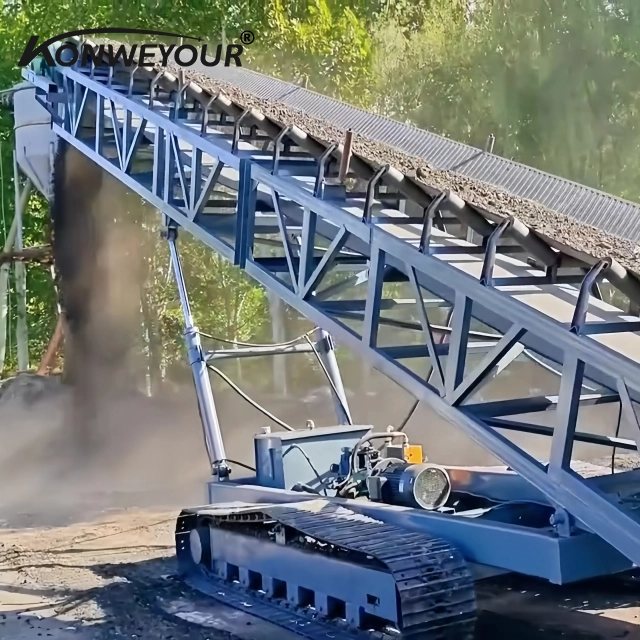
- Mining and Quarrying: Components endure abrasive ores and dust, with reduced downtime due to wear.
- Food and Beverage: Food-grade UHMW parts help maintain sanitary conditions while resisting corrosion.
- Logistics & Warehousing: Low noise and friction help speed up sorting and packing operations.
- Humanitarian Relief & Disaster Zones: Easy installation and durability in unpredictable environments facilitate rapid material handling.
In real terms, I’ve heard from workers in large Amazon warehouses that switching to UHMW components cut their roller replacements by half, which saved time and lowered frustration—a subtle gain, but important.
Technical Specifications for Popular UHMW Conveyor Components
| Component |
Material Properties |
Typical Load Capacity |
Temperature Range |
| UHMW Rollers |
High abrasion resistance, Low friction coefficient (~0.15) |
Up to 1500 kg per roller |
-150°C to +80°C (-238°F to 176°F) |
| UHMW Wear Strips |
Excellent chemical resistance, impact toughness |
Varies by application |
-150°C to +80°C |
| UHMW Slider Beds |
Reduced vibration, abrasion-resistant surface |
Depends on conveyor width and speed |
-150°C to +80°C |
Comparing Leading UHMW Conveyor Component Vendors
| Vendor |
Product Range |
Customization Options |
Lead Time |
Pricing |
| JT Conveyor |
Wide (rollers, sliders, guides) |
High (custom sizes, colors) |
2-3 weeks |
Competitive |
| ConveyFlex |
Moderate (focus on rollers) |
Medium |
3-5 weeks |
Mid-range |
| PolyGlide |
Extensive wear strips and sliders |
Low |
1-2 weeks |
Premium |
Advantages & Long-Term Value of UHMW Conveyor Components
Adopting UHMW components generally translates into tangible money and safety benefits. For one, less frequent replacements mean you spend less on spare parts and maintenance downtime. The low-friction surface reduces power consumption, nudging your operation toward a smaller carbon footprint — a win both financially and environmentally. Socially, quieter conveyors improve worksite comfort, while their reliability enhances worker safety by lowering risks of sudden breakdowns.
On a more reflective note, I find the story here isn’t only about engineering; it’s about trust and dignity in how we design systems to perform day in, day out — quietly making lives easier and safer across continents.
Future Trends & Innovations in UHMW Conveyor Components
The conveyor industry isn’t standing still. Innovations like nano-enhanced UHMW materials aim to push wear resistance even further. Integration with smart sensors is becoming commonplace, allowing predictive maintenance before problems occur — kind of like giving conveyors a voice. Green manufacturing processes, including recycled UHMW resins, are growing too, aligning with stricter sustainability policies globally.
Oddly enough, as automation spreads, demand for durable, maintenance-friendly components only intensifies. UHMW is expected to play a greater role as industries tackle tougher terrains — both physical and digital.
Challenges & Solutions
No material is perfect. While UHMW offers many benefits, it can be prone to creep (slow deformation under constant load) and has operational temperature limits. Some users also face challenges with UV degradation if used outdoors without protection.
The good news: manufacturers often blend UHMW with additives to improve UV resistance, and design engineers compensate for creep by increasing thickness or reinforcing parts. Choosing tailored components from trusted vendors like uhmw conveyor components providers ensures the best fit for your application.
FAQ: Frequently Asked Questions About UHMW Conveyor Components
- What makes UHMW better than traditional metal conveyor parts?
- UHMW offers superior abrasion resistance, lower friction, and corrosion resistance, resulting in longer life and less maintenance compared to many metals, which can rust or wear faster.
- Can UHMW conveyor components withstand extreme temperatures?
- They work well in temperatures between -150°C and +80°C, suitable for most industries but may not be ideal for high-heat applications like steel manufacturing.
- How do UHMW components contribute to sustainability?
- By reducing energy use through low friction and lasting longer, they cut down resource consumption and waste. New trends in recycled UHMW materials are making them greener.
- Are UHMW parts compatible with all conveyor systems?
- Mostly yes. Their versatility allows use in diverse setups, but consulting manufacturers ensures correct sizing and compatibility.
- How easy is it to customize UHMW conveyor components?
- Very. UHMW can be machined or molded into custom sizes and shapes, meeting specific operational needs.
Conclusion: Embracing UHMW Conveyor Components for Lasting Efficiency
In sum, UHMW conveyor components stand as a robust solution addressing key industry and humanitarian requirements — durability, efficiency, and safety. They transform the humble conveyor system into a reliable partner capable of performing in demanding environments worldwide. If you’re currently evaluating conveyor upgrades or new installations, considering UHMW is a smart, forward-thinking choice.
Interested? Visit our website for quality uhmw conveyor components to enhance your material handling operations today.
Reflection: It’s fascinating how something as seemingly simple as a plastic component can ripple across global supply chains and aid efforts, quietly enabling progress in factories and aid centers alike.
References
- Wikipedia - Ultra-high-molecular-weight polyethylene
- ISO 5048: Testing of conveyor components - General principles
- UN Sustainable Development Goal 9 - Industry, Innovation and Infrastructure