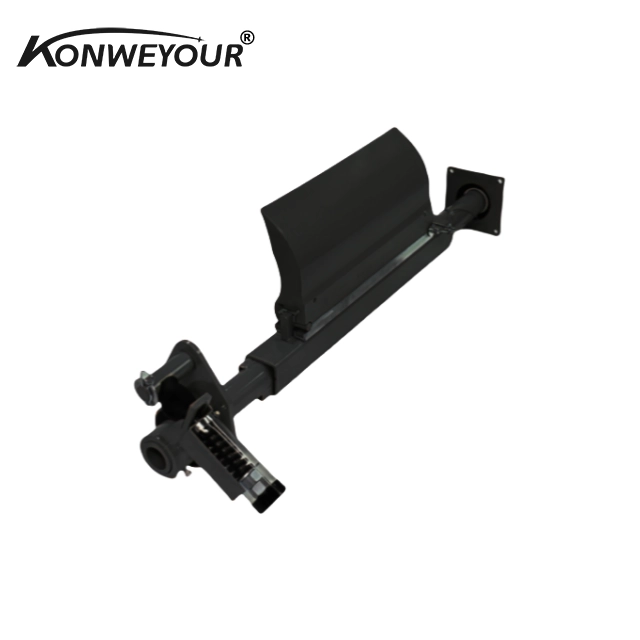
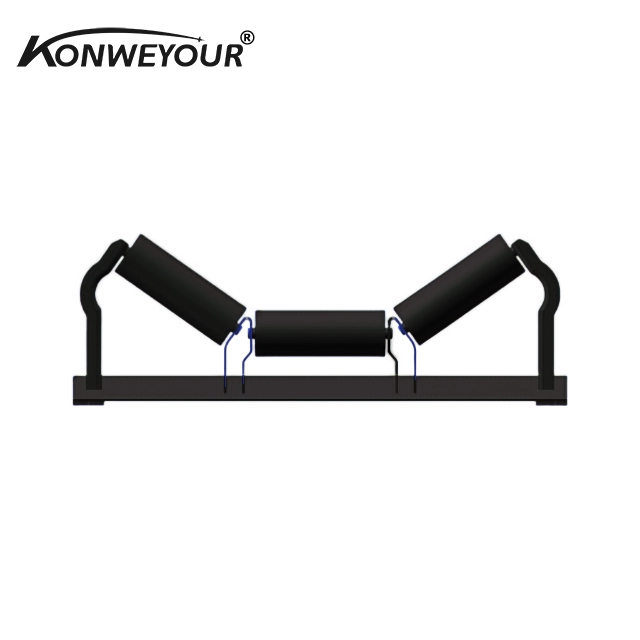
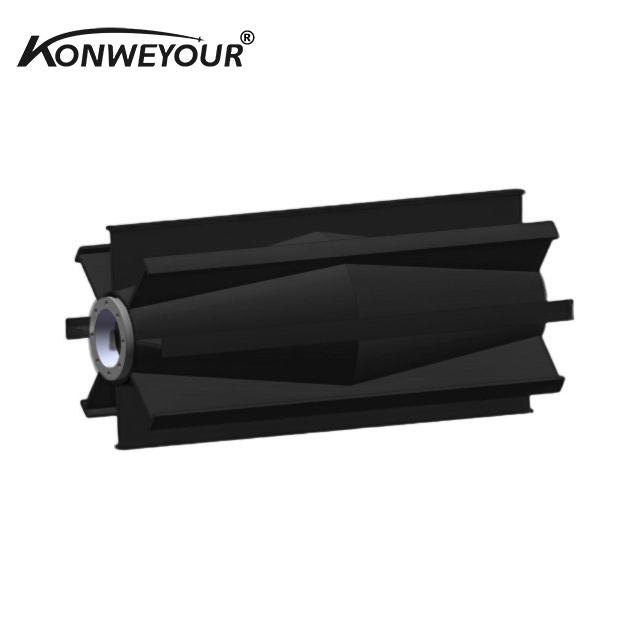
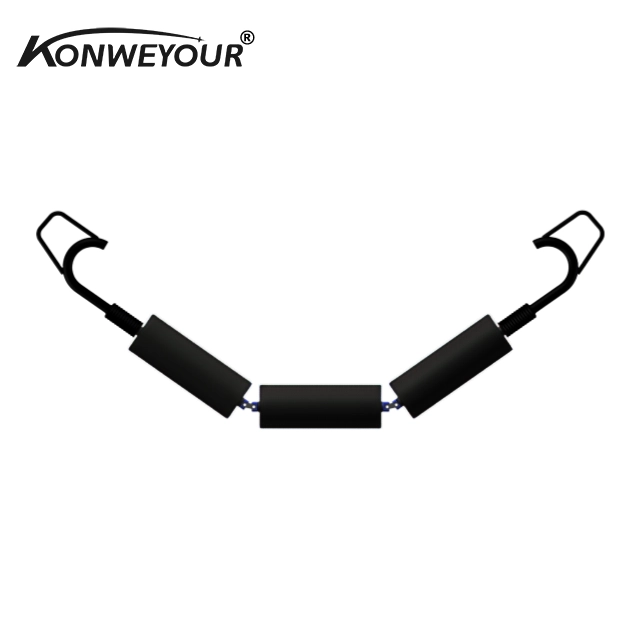
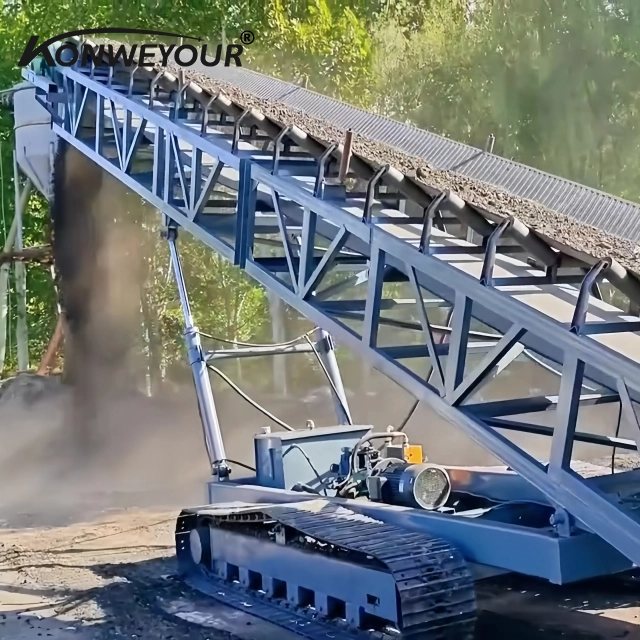
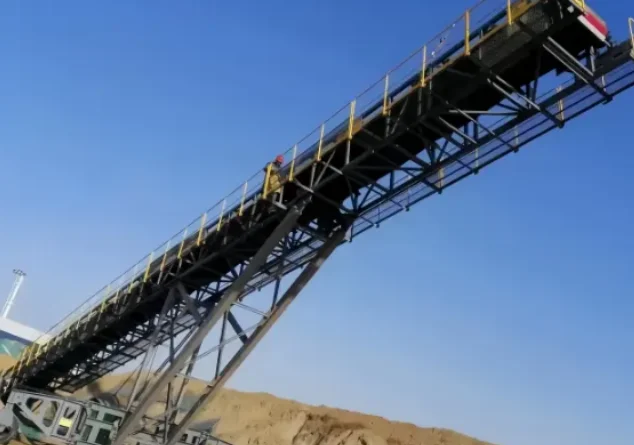
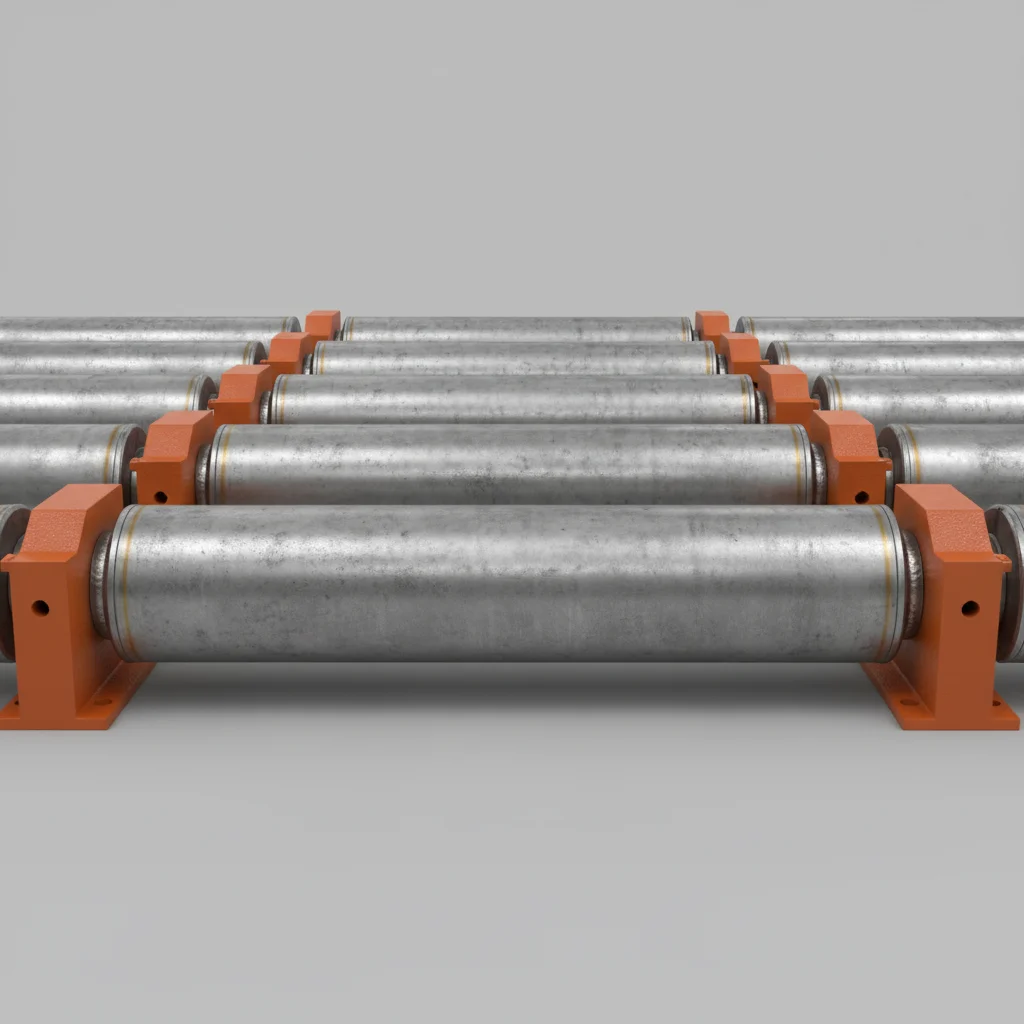
If you’ve fought belt wander at 3 a.m., you know the drill: spillage, edge wear, downtime, and a slightly grumpy maintenance crew. This unit changes that. Built with precision bearings and a self-adjusting mechanism that nudges the belt back on line in real time, it keeps conveyors calm—even when loading is off-center or the weather isn’t playing nice. To be honest, I expected incremental gains; in practice, the shift feels bigger.
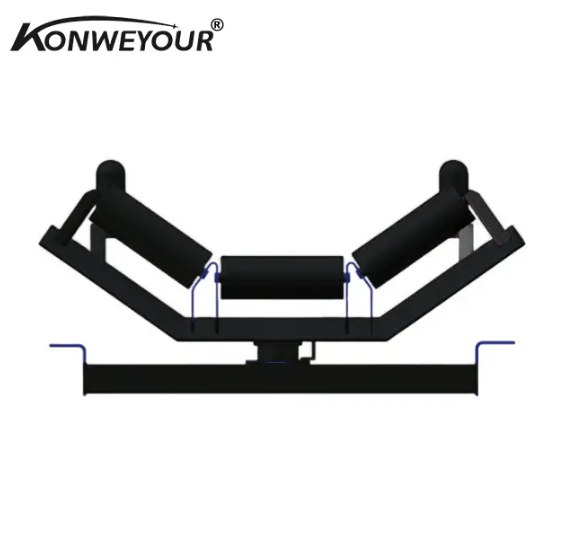
Why this matters now
Industry trends are clear: less manual intervention, cleaner transfer points, and verifiable uptime. Mining, ports, and bulk terminals are pushing for autonomous corrections over “watch and tweak.” Sustainability targets also reward reduced spillage and longer belt life. In fact, many customers say the quiet benefit is fewer emergency stops.
Core specs (lab-verified, real-world use may vary)
| Roller diameter |
≈ 89–194 mm |
CEMA B/C/D class options |
| Belt width compatibility |
500–2400 mm |
Trough 20°/35°/45° |
| Shell / shaft materials |
Q235 steel, 45# shaft; HDPE shell optional |
Polyurethane or ceramic lagging available |
| Bearings / seals |
6204/6205 2RS, ABEC-3 |
Triple labyrinth + lip, IP65–IP66 |
| Tracking response |
Corrects ±2–5° drift in
| Under uneven loading |
| Runout / balance |
TIR ≤ 0.3 mm; ISO 21940 G6.3 |
Noise ≤ 65 dB at 1 m (ISO 3744) |
| Temperature / life |
-20 to +80 °C; ≈ 30,000–50,000 h |
Load/maintenance dependent |
Manufacturing and test flow (how it’s built to survive)
- Materials: Q235 steel shell, 45# precision shaft, PU/ceramic lagging, sealed 2RS bearings.
- Methods: automated welding, CNC machining, dynamic balancing (ISO 21940 G6.3), powder coat or zinc.
- Testing: runout check, bearing preload, IP sealing (IEC 60529), salt spray ≈ 72 h (ASTM B117), noise (ISO 3744).
- Certifications: ISO 9001; CE marking; conforms to CEMA B–E classes; belt interface per ISO 14890/DIN 22102.
Where it shines
Mining and quarrying, cement, steel, ports, grain and fertilizers, parcel hubs. Advantages include fewer stoppages, less belt edge wear, and noticeably cleaner return runs. One supervisor told me, “we stopped babysitting that line,” which is the point.
Vendor snapshot (what to look for)
| Vendor |
Tracking method |
Sealing |
Lead time |
Certs |
| JT Conveyor |
Pivoting frame + lagged guide face |
Triple labyrinth + lip (IP65–66) |
≈ 10–20 days |
ISO 9001, CE |
| Vendor A |
Return trainer only |
Single labyrinth |
≈ 25–30 days |
ISO 9001 |
| Vendor B |
Sensor-assisted trainer |
Double labyrinth |
≈ 30–40 days |
ISO 9001, CE |
Customization
Options include belt width/angle, lagging type (PU/ceramic), brackets for toughing or return, paint or galvanizing, food-grade shells for logistics, and sensor add-ons for SCADA alarms. Origin: No. 13 Gongqiang Road, Nangong Economic Development Zone, Xingtai City, Hebei Province.
Field results (two quick mini-cases)
- Iron ore line, 1600 mm belt: edge wear down ≈ 63%, spillage incidents -48%, unplanned stops -32% after swapping to Self Aligning Roller With Automatic Belt Tracking. Data: 6 months, internal logs.
- Parcel hub, 800 mm belt: tracking alarms -95%, belt life +22% YoY. Operators mentioned lower noise too—surprisingly noticeable on night shift.
Bottom line: if you’re aiming for hands-off reliability, the Self Aligning Roller With Automatic Belt Tracking is one of those “fit it and forget it” upgrades that quietly pays for itself in saved belts and calmer dashboards.
References
- CEMA: Belt Conveyors for Bulk Materials, 7th Ed.
- ISO 14890: Conveyor belts — Specification for rubber- or plastics-covered belts.
- ISO 21940: Mechanical vibration — Rotor balancing.
- IEC 60529: Degrees of protection (IP Code).
- ASTM B117: Standard Practice for Operating Salt Spray (Fog) Apparatus.