
Advanced conveyor transfer systems for Italy’s Industrial Sector

Advanced conveyor transfer systems for Italy's Industrial Sector

Precision-engineered material handling solutions designed to optimize throughput and operational safety across Italian mining and manufacturing hubs.

Advanced conveyor transfer systems for Italy's Industrial Sector

We provide a comprehensive suite of high-performance transport solutions tailored for the rigorous demands of Italy's extractive and heavy manufacturing industries, ensuring seamless material flow and minimal downtime.

The Current State of Material Handling in Italy

Analyzing the intersection of traditional extraction and modern automation in the Italian landscape.

Italy's industrial landscape, particularly in northern manufacturing clusters and southern mining zones, faces a unique challenge: integrating a legacy of mechanical engineering with the urgent need for digitalization. The demand for a robust conveyor system has evolved from simple transport to intelligent, energy-efficient networks that can withstand varied climatic conditions from the Alps to the Mediterranean coast.

In the specific context of extractive industries, the reliance on a high-durability mine conveyor is critical. Italian operators are increasingly shifting toward modular designs to facilitate faster maintenance in narrow underground galleries, where space is a premium and safety regulations (following strict EU directives) are paramount.

Furthermore, the regional economy is pushing for a transition toward "Green Mining." This shift requires conveyor components that reduce friction and power consumption, aligning with Italy's national goal of reducing industrial carbon footprints while maintaining high production yields in quarrying and mineral processing.
Evolution and Technical Trajectory

From mechanical belts to AI-driven logistics: The journey of Italian continuous transport.

Market Development History

Between 1980 and 2000, the Italian market relied heavily on rigid mechanical drives and basic rubber belts. During this era, the coal mine conveyor was the backbone of energy production, utilizing heavy steel structures with minimal automation, focusing primarily on raw load capacity over energy efficiency.

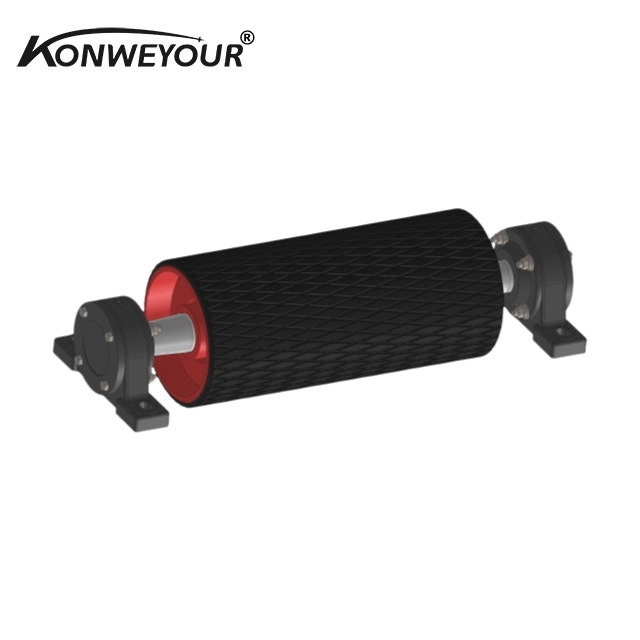
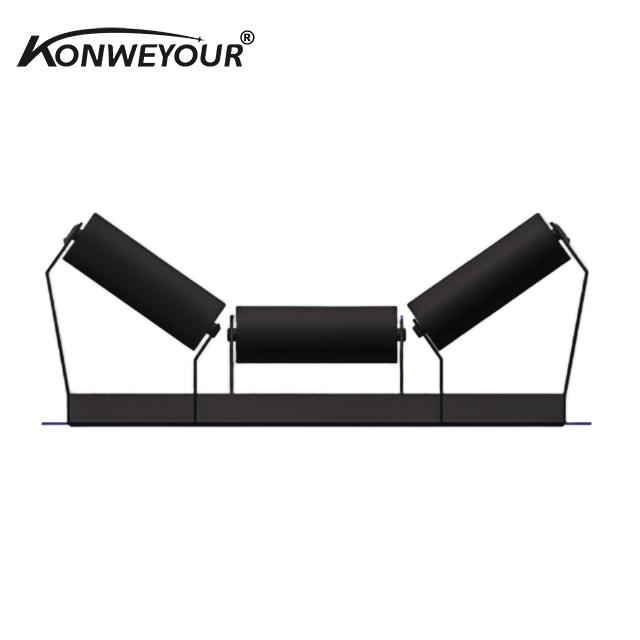
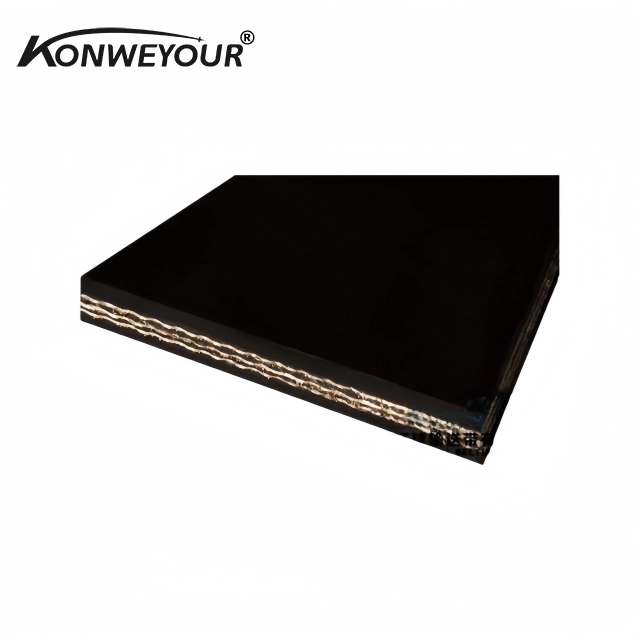
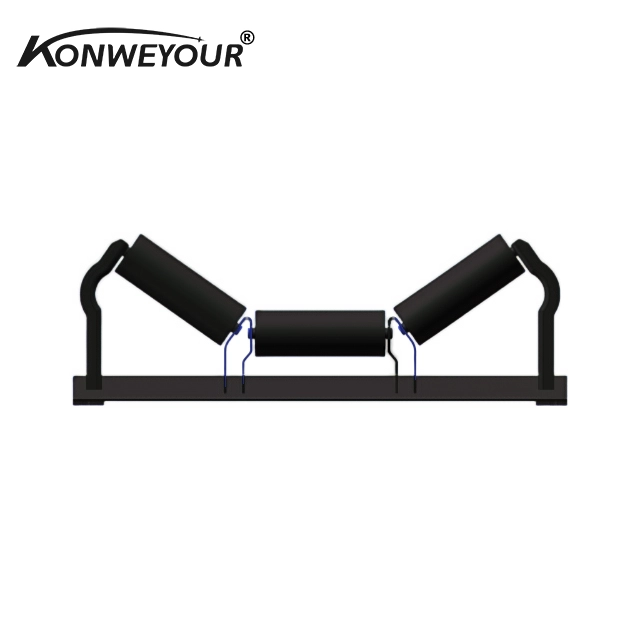
From 2000 to 2015, the "Automation Wave" hit, introducing Variable Frequency Drives (VFDs) and PLC controls. This period saw a shift toward specialized conveyor components such as high-tension synthetic belts and precision-engineered rollers, which significantly reduced operational noise and mechanical wear.

Since 2016, the focus has transitioned to "Industry 4.0." Integration of IoT sensors for predictive maintenance has become standard. Modern systems now emphasize real-time monitoring of belt tension and alignment, transforming the conveyor from a passive tool into an active data source for plant optimization.

Future Development Trends

Hydrogen-Powered Logistics

Integration of hydrogen-based power units for mobile conveyor systems in remote Italian quarries to eliminate diesel emissions.

AI-Driven Predictive Load Balancing

Utilizing machine learning to adjust conveyor speeds in real-time based on material density, reducing peak energy loads by up to 20%.

Bio-Degradable Belt Polymers

Development of sustainable, high-strength composite materials for belts to meet upcoming EU circular economy mandates.

Industry Trends and Future Outlook

Navigating the transition toward autonomous and sustainable material handling.

Digital Twin Integration
Implementing virtual replicas of conveyor networks to simulate stress points and optimize layout before physical installation.
Energy Recovery Systems
Utilizing regenerative braking in downhill conveyor sections to feed electricity back into the industrial grid.
Modular Scalability
Standardizing components for rapid reconfiguration, allowing plants to adapt to new material types without full rebuilds.
Self-Healing Materials
Implementation of polymer-coated belts that can automatically seal micro-tears, preventing catastrophic belt failures.

Industry Outlook

Based on current Google search trends in the EU, there is a significant spike in queries related to "automated mining efficiency" and "carbon-neutral logistics." This indicates that the Italian market is moving away from pure capacity and toward sustainable, high-tech throughput.

We predict that within the next 3-5 years, the integration of 5G connectivity will allow for fully autonomous conveyor networks that can detect blockages and adjust flow rates without human intervention, drastically reducing labor costs and increasing safety in hazardous environments.

Localized Application Scenarios in Italy

Practical implementations of our continuous transport systems across diverse Italian industrial sectors.

01. Sardinian Mineral Extraction

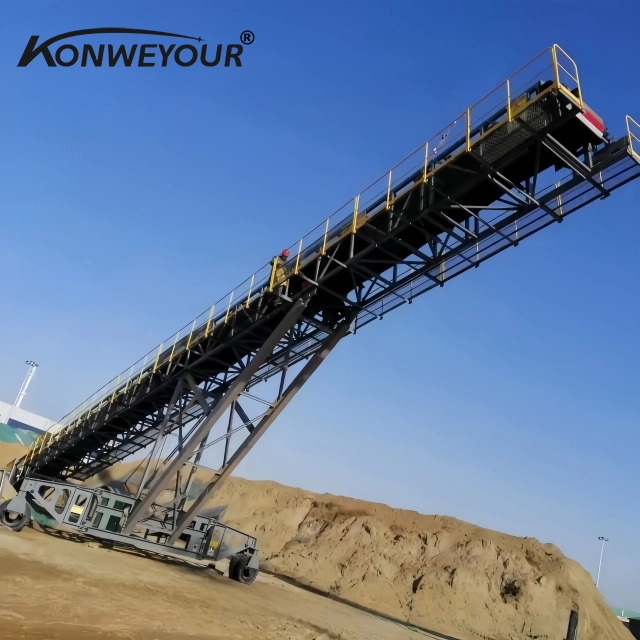
Deploying heavy-duty mine conveyor systems in Sardinia's rugged terrain to transport raw ores from deep pits to processing plants with high corrosion resistance against salty coastal air.

02. Lombardy Manufacturing Hubs

Installation of high-precision conveyor system networks for the automotive parts industry, focusing on synchronized movement and seamless integration with robotic assembly arms.

03. Tuscan Marble Quarries

Implementation of specialized conveyor transfer systems capable of handling oversized, high-density stone blocks while minimizing impact wear on the belt surfaces.

04. Piedmontese Energy Plants

Upgrading legacy coal mine conveyor infrastructures with modern sensor arrays to optimize fuel delivery for thermal power plants during winter peaks.

05. Venetian Logistics Centers

Providing customized conveyor components for high-speed sorting centers, ensuring low-noise operation and energy efficiency in densely populated urban zones.

Brand Story

Global Development Journey of Hebei Juntong Mechanical Manufacturing Co., Ltd.

Foundational Engineering

Established with a mission to solve the core stability issues of heavy-duty transport, we began by perfecting the metallurgy of drive rollers.

Technological Breakthrough

Developed proprietary anti-friction alloys that extended the lifespan of conveyor components by 40% in abrasive environments.

Global Expansion

Expanded operations into Europe, bringing high-efficiency Chinese manufacturing precision to the rigorous Italian industrial market.

Smart Integration

Launched our first line of IoT-enabled transfer systems, bridging the gap between mechanical transport and digital management.

Sustainable Future

Committing to a carbon-neutral manufacturing process, ensuring our equipment helps clients reach their ESG goals.

Complete Material Handling Portfolio for Italy

A comprehensive range of equipment engineered for European standards and extreme industrial conditions.

Frequently Asked Questions in Italy

Expert answers to common technical queries regarding continuous conveyor systems.

How to select the right conveyor system for high-humidity Italian coastal mines?

For coastal environments, we recommend using stainless steel or specialized galvanized conveyor components with anti-corrosion coatings to prevent rust and maintain structural integrity.

What are the energy efficiency benefits of modern mine conveyor technology?

Modern systems utilize VFDs and low-rolling-resistance belts, which can reduce total energy consumption by 15-30% compared to older fixed-speed drives.

Can coal mine conveyor belts be retrofitted for other minerals?

Yes, by replacing the belt material and adjusting the conveyor transfer systems to handle different densities and abrasiveness, most systems can be repurposed for aggregate or mineral transport.

What maintenance intervals are recommended for heavy-duty conveyor components?

We suggest monthly visual inspections and quarterly deep-dives into roller alignment and belt tension, especially in high-load Italian quarrying operations.

How do conveyor transfer systems reduce material spillage?

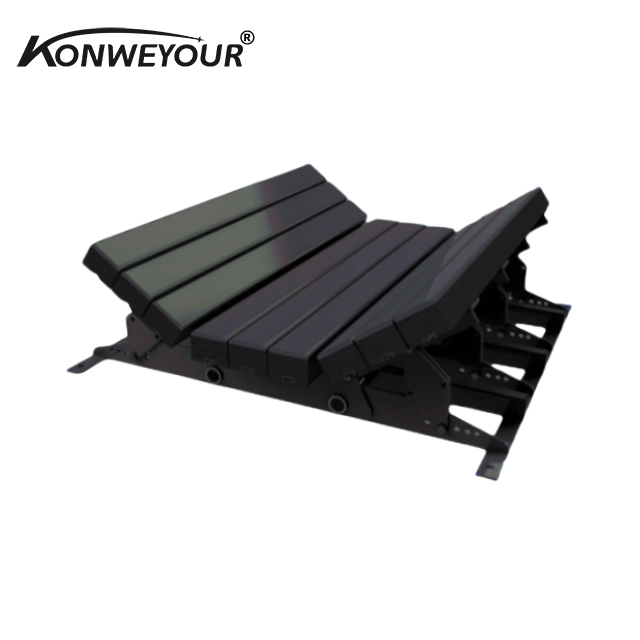
By optimizing the transition angle and using customized skirting and impact beds, our systems minimize turbulence and ensure a smooth flow of material between belts.

Are your systems compliant with EU safety directives for Italian mines?

Absolutely. All our equipment is designed to meet and exceed the European Machinery Directive, including emergency stop integration and overload protection.

Ready to Optimize Your Workflow?

Contact our expert engineers today for a customized material handling audit and solution design for your projects in Italy.

Contact Us Now

If you are interested in our products, you can choose to leave your information here, and we will be in touch with you shortly.

  • captcha