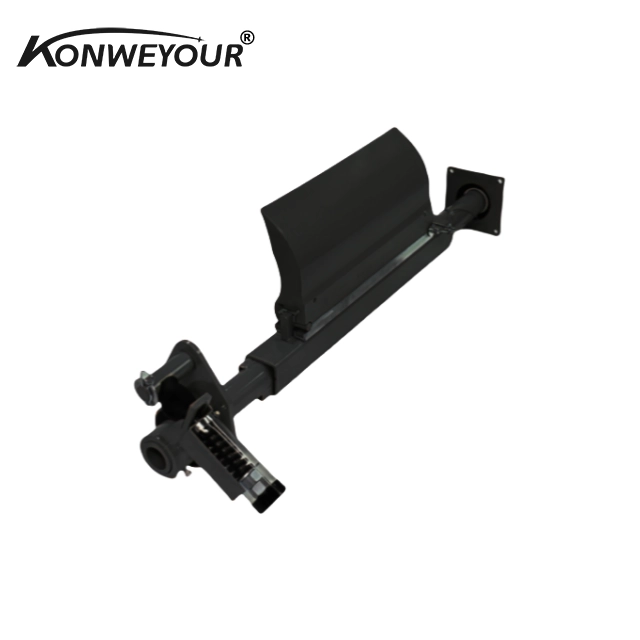
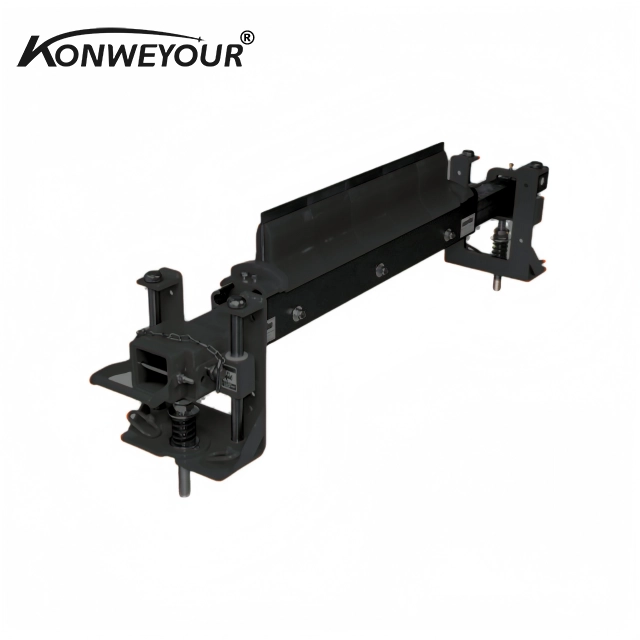
Advanced conveyor transfer systems for New Zealand Mining

Advanced conveyor transfer systems for New Zealand Mining

Engineering high-efficiency material handling solutions tailored for the unique geological terrains of Oceania's industrial sectors.

Advanced conveyor transfer systems for New Zealand Mining

Providing robust, durable, and high-capacity transfer solutions designed to withstand the rigorous demands of New Zealand's mineral and aggregate extraction industries.

Material Handling Landscape in New Zealand

Analyzing the operational challenges of conveyor systems in Oceania's unique environment.

The industrial landscape in New Zealand is characterized by rugged topography and high humidity, which places immense stress on any conveyor system. Local operators face the dual challenge of transporting bulk materials across steep inclines while resisting the corrosive effects of salt-laden air in coastal mining regions.

Specifically, the demand for a specialized mine conveyor has grown as the country shifts toward more sustainable and precise extraction methods. The integration of heavy-duty materials is essential to prevent premature wear caused by the abrasive nature of New Zealand's native ores and coal variants.

Furthermore, the logistics of maintaining remote sites in the South Island necessitate the use of standardized, high-quality conveyor components. Reducing downtime through modular replacements is currently the primary focus for operational efficiency across the region's material handling network.
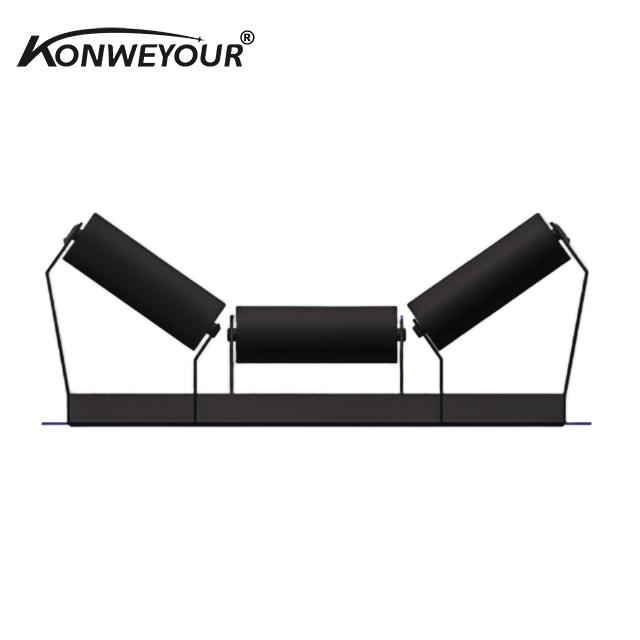
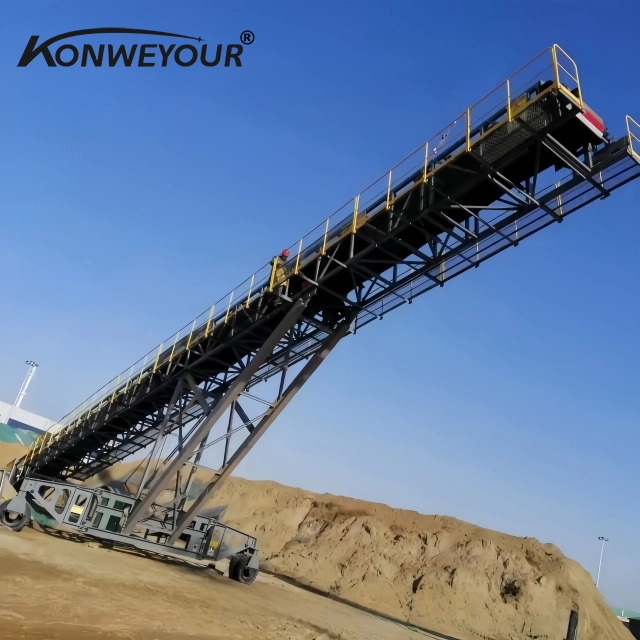
Evolution of Continuous Conveying Technology

From mechanical basics to intelligent automated transfer logic.

Market Development History

In the early 20th century, New Zealand relied on basic gravity-fed systems and primitive belt drives. The first major shift occurred in the 1960s with the introduction of reinforced rubber belts, allowing for longer haulage distances in early coal ventures.

By the 1990s, the industry transitioned toward the specialized coal mine conveyor, incorporating early-stage sensors and variable speed drives to optimize throughput and improve safety standards in underground environments.

From 2010 to the present, the focus has shifted toward "Smart Conveying." This era is defined by the integration of IoT monitoring and high-tensile steel cords, transforming simple transport lines into data-driven logistics assets.

Future Development Trends

Autonomous Load Balancing

Integration of AI-driven weight sensors to automatically adjust belt speeds, reducing energy consumption and mechanical stress.

Eco-Friendly Lubrication

A shift toward biodegradable, high-performance lubricants for all moving parts to comply with New Zealand's strict environmental protection laws.

Predictive Maintenance Arrays

Deployment of acoustic sensors to detect bearing failure before it occurs, ensuring zero unscheduled downtime.

Strategic Trends and Future Outlook

Navigating the next era of bulk material transport in Oceania.

Green Energy Integration
Transitioning to electric-drive systems powered by New Zealand's renewable energy grid to lower the carbon footprint of mining.
Modular Scalability
Implementing rapid-deploy conveyor sections that can be easily expanded as mine veins extend.
Advanced Wear Resistance
Using nano-ceramic coatings on rollers and pulleys to combat the highly abrasive New Zealand coal and rock.
Digital Twin Integration
Creating virtual replicas of conveyor systems to simulate load stresses and optimize flow in real-time.

Industry Outlook

Looking ahead 3-5 years, the New Zealand market will likely see a surge in demand for automated, low-impact conveyor systems. Google search trends indicate a growing interest in "sustainable mining equipment" and "smart material handling," suggesting that efficiency is no longer just about speed, but about energy intelligence.

The convergence of remote operation and high-durability hardware will define the next generation of installations, reducing the need for on-site personnel in hazardous mining zones while increasing overall volumetric output.

Localized Applications in New Zealand

Real-world implementation of heavy-duty conveying solutions across various sectors.

01. South Island Coal Extraction

Deployment of high-tension coal mine conveyor systems designed for extreme underground humidity and steep vertical lifts to surface processing plants.

02. North Island Aggregate Quarries

Installation of ruggedized conveyor system arrays for the movement of volcanic rock and crushed gravel in high-wind environments.

03. Coastal Port Bulk Loading

Implementation of corrosion-resistant conveyor transfer systems to move minerals from storage silos directly to ocean-going vessels.

04. Remote Gold Mine Haulage

Utilizing modular mine conveyor lines that can be rapidly reconfigured as the mining face advances through mountainous terrain.

05. Industrial Waste Management

Applying specialized conveyor components to create sorting and transport lines for municipal recycling centers in Auckland and Wellington.

Brand Story

Global Development Journey of Hebei Juntong Machinery Manufacturing Co., Ltd.

Foundation of Excellence

Established with a mission to solve the most critical bottlenecks in bulk material handling through precision engineering and metallurgy.

Technological Breakthroughs

Pioneered the development of ultra-wear-resistant belt components that extended equipment life by 40% in abrasive environments.

Global Market Expansion

Successfully expanded operations into Oceania, adapting our designs to meet the strict safety and environmental standards of New Zealand.

Strategic Innovation Hub

Investing in R&D to create the next generation of automated transfer systems that reduce human risk in deep-mine operations.

Sustainability Commitment

Dedicated to creating "Zero-Waste" conveyor systems, focusing on recyclable materials and energy-efficient motor technology.

Comprehensive Conveying Portfolio for New Zealand

Integrated solutions from individual components to full-scale mine transport networks.

Common Questions for NZ Industrial Conveying

Technical guidance and operational FAQs for the Oceania region.

How to select the right conveyor components for high-humidity New Zealand mines?

We recommend using galvanized steel or high-density polymer components with specialized anti-corrosion coatings to prevent rust and degradation in humid underground environments.

What is the expected lifespan of a coal mine conveyor in abrasive conditions?

With our reinforced steel-cord belts and ceramic rollers, systems can operate for 5-10 years with scheduled maintenance, significantly outperforming standard rubber belts.

Can conveyor transfer systems be customized for steep alpine terrain?

Yes, we design high-friction belts and specialized braking systems specifically for the steep inclines found in the South Island's geological formations.

How does a modern conveyor system reduce energy costs in Oceania?

By implementing VFDs (Variable Frequency Drives) and low-rolling-resistance rollers, operators can reduce electricity consumption by up to 25%.

What safety certifications do your mine conveyor systems meet?

Our equipment complies with international ISO standards and is designed to meet New Zealand's stringent Health and Safety at Work (Mining) regulations.

How is the installation of large-scale transfer systems managed in remote areas?

We provide modular "plug-and-play" sections that are pre-assembled in our factory, reducing on-site construction time and the need for extensive remote labor.

Ready to Optimize Your Material Flow?

Contact our engineering team today for a customized consultation on high-performance conveying solutions in New Zealand.

Contact Us Now

If you are interested in our products, you can choose to leave your information here, and we will be in touch with you shortly.

  • captcha