Optimizing Material Handling with Stainless Steel Conveyor Systems
In modern industrial and manufacturing facilities, efficiency, durability, and hygiene are critical for material handling operations. Stainless steel conveyor systems are widely used across industries such as food processing, pharmaceuticals, chemicals, and packaging due to their corrosion resistance, easy cleaning, and long-lasting performance.
1. Introduction to Stainless Steel Conveyor Systems
One of the key components in these systems is the stainless steel screw conveyor, which is designed to move bulk materials smoothly and efficiently over short or long distances.
A stainless steel screw conveyor is particularly suitable for handling powders, granules, and semi-solid materials. Its enclosed design minimizes material spillage and reduces contamination risks, making it ideal for food and pharmaceutical industries. Complementing this, advanced stainless steel conveyor automation systems allow manufacturers to integrate conveyors with production lines for fully automated material flow, reducing labor costs and improving productivity.
For transporting items that require gravity-driven movement, gravity roller conveyor stainless steel and stainless steel gravity roller conveyor systems offer an efficient solution. These systems leverage gravity to move products along a sloped path, eliminating the need for motors in certain applications. Similarly, stainless steel gravity conveyor designs provide reliable and low-maintenance solutions for moving products between different processing stations.
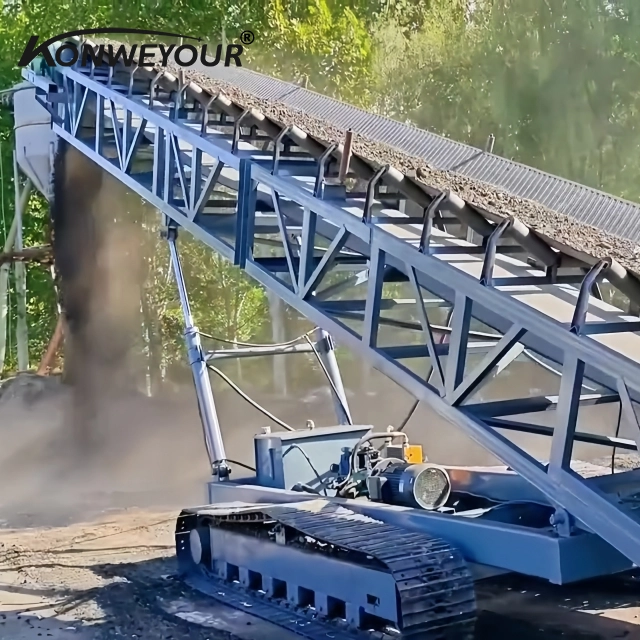
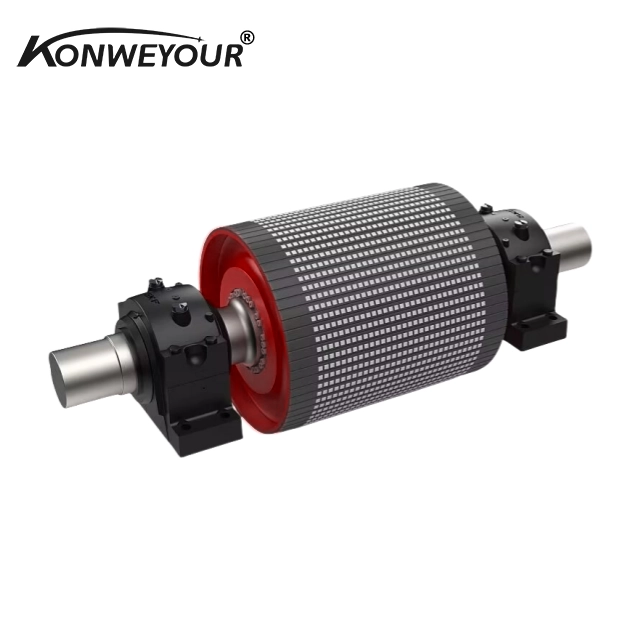
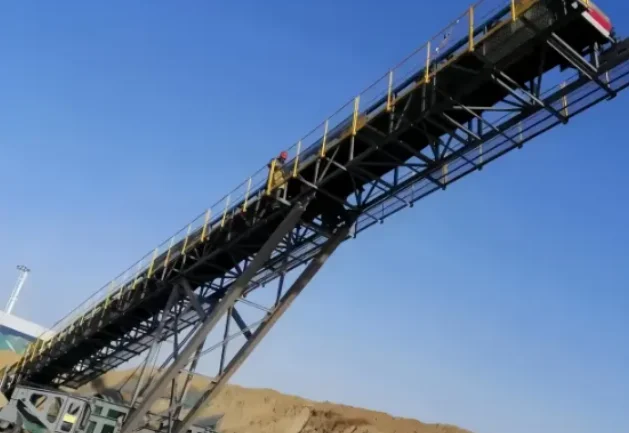
Angled conveyors and incline conveyor systems are essential for vertical or sloped transport of materials. They efficiently move items between production floors or processing stages while maintaining material integrity and reducing handling time. Meanwhile, drive drum conveyors provide powered movement for heavier loads, ensuring consistent and controlled transport across horizontal or inclined paths.
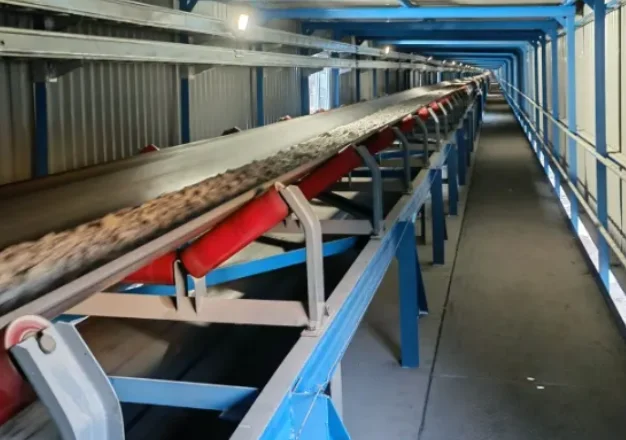
By combining these various conveyor types, industries can design a seamless, flexible, and efficient material handling system that meets specific operational requirements.
2. Advantages and Applications of Stainless Steel Conveyors
The benefits of stainless steel conveyor systems are numerous, making them indispensable in modern manufacturing.
Durability and Corrosion Resistance – Stainless steel is naturally resistant to rust and corrosion, making these conveyors ideal for environments exposed to moisture, chemicals, or frequent cleaning. Whether it’s a stainless steel screw conveyor or a stainless steel gravity conveyor, the material ensures long-term reliability and low maintenance costs.
Hygiene and Cleanability – Industries such as food and pharmaceuticals require stringent hygiene standards. Gravity roller conveyor stainless steel and stainless steel gravity roller conveyor systems are easy to clean, reducing the risk of contamination. Smooth surfaces and corrosion-resistant properties make stainless steel conveyors suitable for washdown environments.
Efficiency and Automation – Modern stainless steel conveyor automation systems integrate sensors, controls, and motorized drives to streamline production processes. Automated drive drum conveyors and incline systems reduce manual handling, enhance workflow efficiency, and maintain consistent material movement across production lines.
Versatility – Stainless steel conveyors are adaptable to multiple applications. Angled conveyors and incline conveyor systems efficiently transport materials across different elevations, while screw conveyors handle bulk solids. The combination of gravity and motorized conveyors ensures flexibility for varied production requirements.
Cost Savings and ROI – While the initial investment in stainless steel conveyors may be higher than standard conveyors, their durability, low maintenance, and automation potential provide significant long-term cost savings. Reduced labor, minimized downtime, and consistent performance increase overall operational ROI.
Applications Across Industries – Stainless steel conveyors are used in food processing, packaging, pharmaceuticals, chemical manufacturing, and automotive industries. Stainless steel screw conveyors transport powders and granules, gravity roller conveyors stainless steel handle packaged goods, and drive drum conveyors move heavy or bulk items. Angled conveyors and incline conveyor systems provide flexible solutions for multi-level operations, ensuring smooth flow throughout the facility.
With these advantages, stainless steel conveyor systems provide a reliable and hygienic solution for material handling, improving productivity and ensuring compliance with industry standards.
Conclusion: Investing in Stainless Steel Conveyor Systems
Investing in stainless steel conveyor systems offers industrial facilities a combination of durability, hygiene, and operational efficiency. From stainless steel screw conveyors for bulk materials to stainless steel gravity conveyor and gravity roller conveyor stainless steel for package handling, these systems support a wide range of applications.
Automation through stainless steel conveyor automation systems ensures consistent material flow, reduces labor costs, and integrates seamlessly with other production equipment. Systems such as angled conveyors, incline conveyor systems, and drive drum conveyors provide additional flexibility for moving materials across varying elevations and loads.
Whether for food processing, pharmaceuticals, chemical handling, or general manufacturing, stainless steel conveyors offer long-term reliability, low maintenance, and efficient material handling. Investing in these systems ensures that production lines remain smooth, hygienic, and productive, ultimately supporting operational goals and business growth.
FAQs About Stainless Steel Conveyor Systems
1. What are the main types of stainless steel conveyors?
Common types include stainless steel screw conveyor, stainless steel gravity conveyor, gravity roller conveyor stainless steel, angled conveyors, incline conveyor systems, and drive drum conveyors.
2. Why are stainless steel conveyors preferred in food and pharmaceutical industries?
Stainless steel conveyor automation systems and stainless steel gravity roller conveyors offer corrosion resistance, easy cleaning, and hygienic surfaces suitable for strict industry standards.
3. What is the difference between a screw conveyor and a drive drum conveyor?
A stainless steel screw conveyor is ideal for bulk solids, powders, and granules, while a drive drum conveyor provides powered movement for packaged or heavy items over horizontal or inclined paths.
4. How do angled conveyors and incline conveyor systems work?
Angled conveyors and incline conveyor systems move materials vertically or on slopes, efficiently connecting different production levels or processing stages.
5. Are stainless steel conveyor systems durable for industrial use?
Yes, stainless steel conveyors are highly durable, corrosion-resistant, and designed to handle heavy workloads, ensuring long-term reliability with proper maintenance.