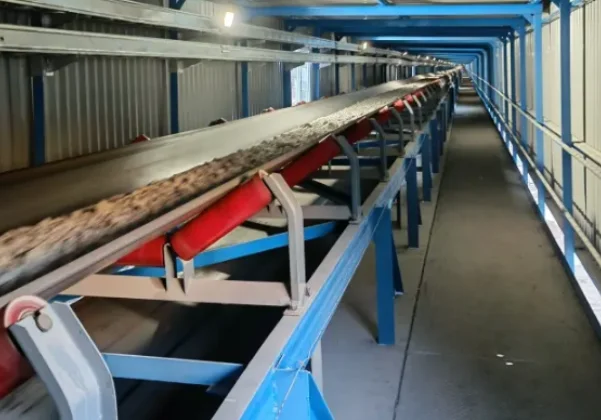
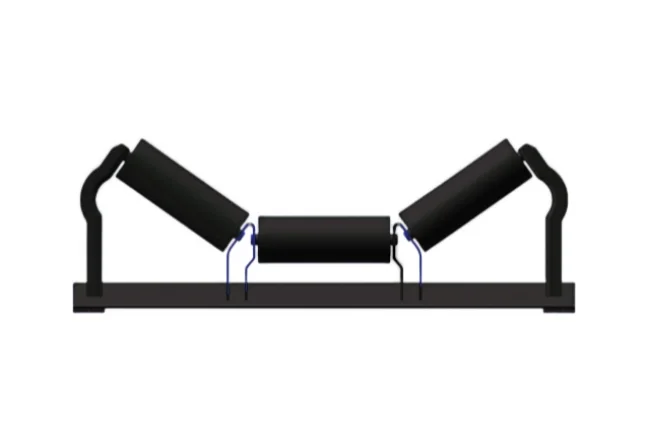
Your Reliable Conveyor Parts Supplier: Why It Matters
Having worked in the industrial equipment sector for over a decade, I can say that the hunt for a trustworthy conveyor parts supplier is often tougher than it looks. It’s not just about grabbing a replacement part off the shelf—there’s a lot more beneath the surface, from materials to customization, delivery speed to after-sales service.
Honestly, when you spend years watching conveyors crawl and roar inside factories, you start noticing how subtle wear-and-tear patterns affect not just performance but operational safety. Selecting the right supplier can save weeks of downtime and thousands of dollars in repairs—frankly, that’s no small deal.
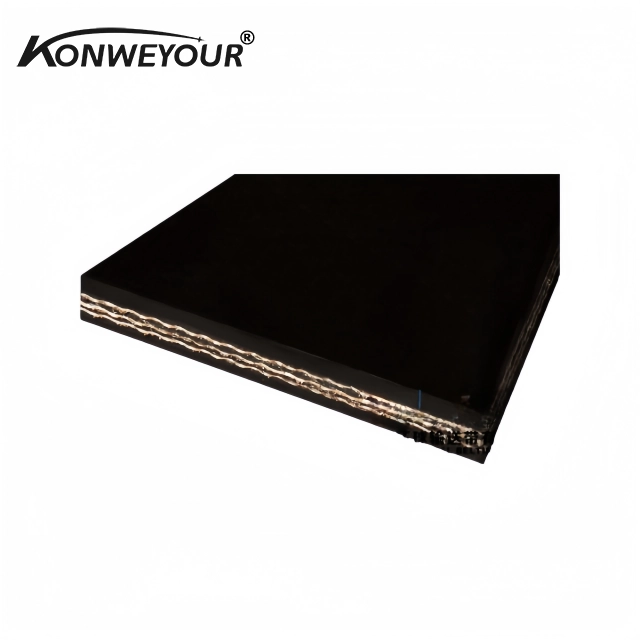
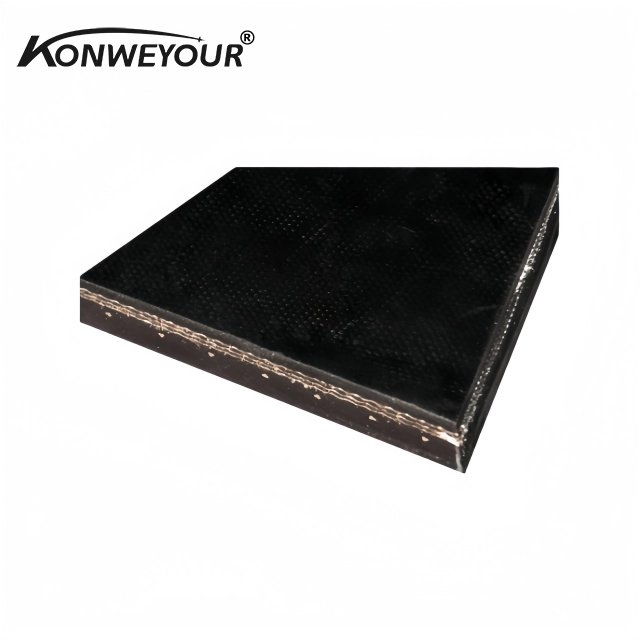
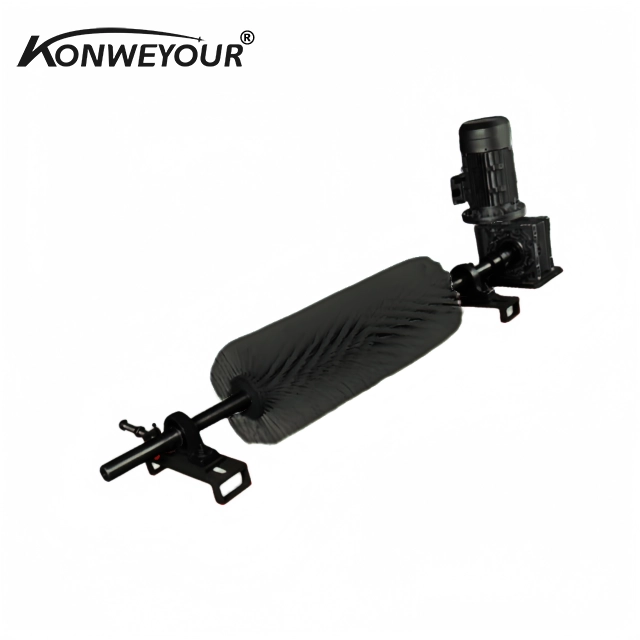
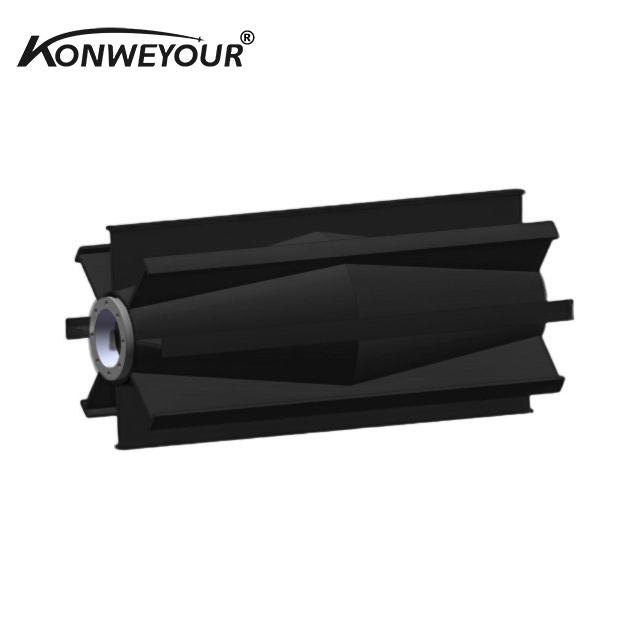
Conveyor parts differ widely: belts, rollers, pulleys, bearings, motors—you name it. And finding parts engineered to last under your specific conditions (think: dusty mines vs. clean pharmaceutical lines) really makes or breaks efficiency. Oddly enough, many folks underestimate this, leading to a jumble of misfit parts that cause early failures.
What I Look For in Conveyor Parts Suppliers
A few things always come first in my checklist:
- Quality & Compliance: ISO certifications and rigorous stress testing are a must. I’m skeptical if these aren’t clearly documented.
- Material Specs: Steel composition, belt durability, abrasion resistance—these factor heavily into lifespan.
- Customization: No conveyor is one-size-fits-all. Suppliers who can adapt parts based on exact client loads and environment win points.
- Lead Time & Logistics: In my experience, even the best parts lose value if they arrive late.
- Customer Support & Documentation: Manuals, installation guides, troubleshooting tips are signs of a supplier who cares beyond the sale.
Product Specifications at a Glance
| Part Type |
Material |
Load Capacity |
Temperature Range |
Customization Options |
| Rollers |
Galvanized Steel |
Up to 1200 kg |
-20°C to 80°C |
Diameter, Coating, Bearings |
| Belts |
PVC or Rubber Composite |
Variable - from 100 kg to 5000 kg |
-10°C to 90°C |
Width, Pattern, Thickness |
| Pulleys |
Carbon Steel with Rubber Lagging |
Up to 3500 kg |
-40°C to 70°C |
Diameter, Lagging Type, Shaft Length |
Comparing Leading Conveyor Parts Vendors
| Supplier |
Customization |
Delivery Time |
Warranty |
Price Range |
| JT Conveyor |
High - Tailored parts & specs |
2-4 weeks (standard) |
12 months |
Mid-High |
| Generic Supplier A |
Low - mostly standard parts |
1-2 weeks |
6 months |
Low |
| Industry Gears Ltd. |
Medium - some customization |
3-5 weeks |
9 months |
Mid |
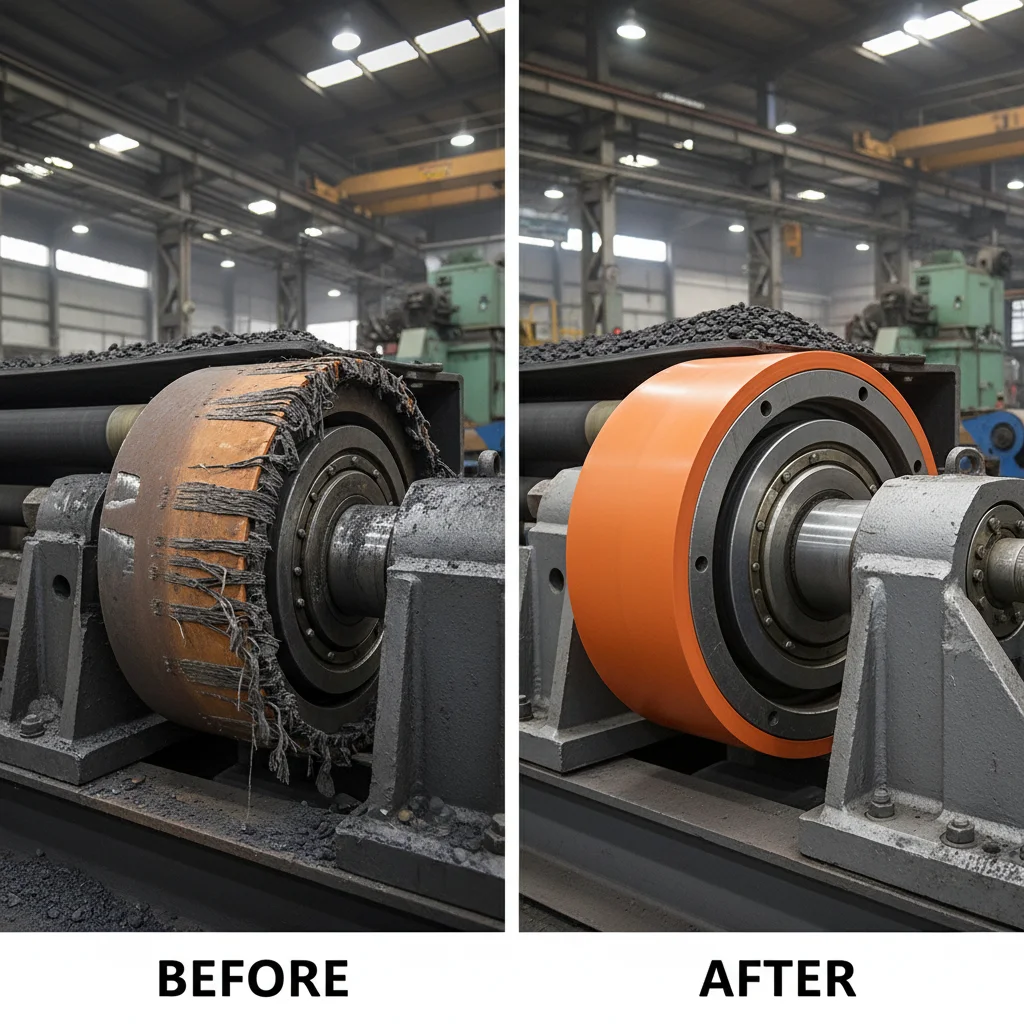
One time, a client was on the verge of halting production because their roller parts kept failing—within a few weeks, they switched to a supplier who offered a more robust steel grade and a slightly thicker protective coating. The difference? Uptime jumped by nearly 40%. Things like that stick with you.
If you ask me, the right conveyor parts supplier is a partner, not just a vendor. They know your industry’s challenges and can anticipate problems before they cascade into massive repairs.
So, when you’re deciding who to trust for these mission-critical parts, take your time, dig into specs, ask for samples if you can, and test under real-world conditions. After all, a conveyor belt that hums steadily is the heartbeat of any modern production line.
Here’s to fewer unexpected stoppages and more smooth runs!
References:
1. Conveyor Equipment Manufacturers Association (CEMA) standards.
2. ISO 9001 Quality Management Principles.
3. Industry trade interviews conducted over 2018–2023.