Types of Idler in Belt Conveyor
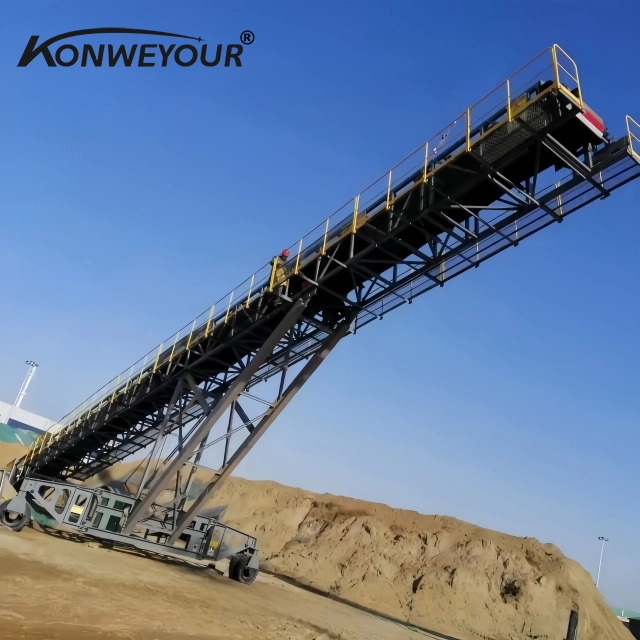
Belt conveyors rely on a series of components working in harmony to efficiently transport materials. Among these, idlers play a critical role in supporting the belt and minimizing friction. Understanding the different types of idler available is crucial for optimizing conveyor performance and extending its lifespan. This article will delve into the various idler types, their applications, and how to select the right idler for your specific needs. Proper idler selection ensures smooth operation, reduced belt wear, and efficient material handling.
Understanding Idler Functionality and Importance
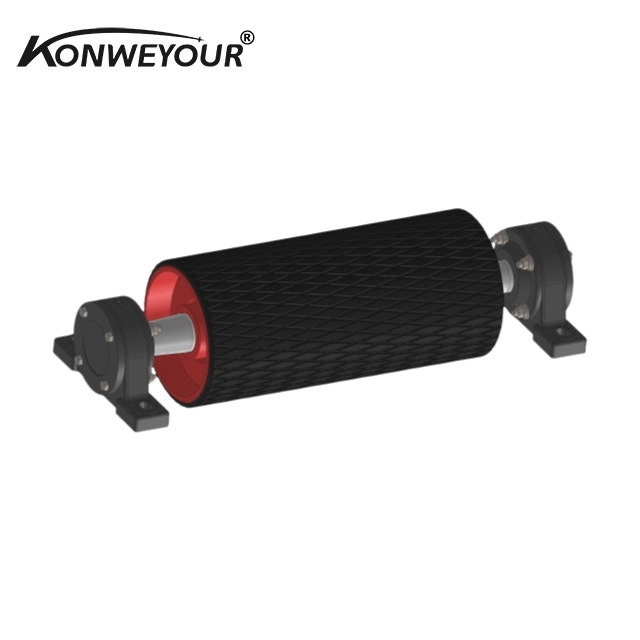
Idlers are rollers positioned along the conveyor's path to support the conveyor belt and the material it carries. They significantly reduce friction between the belt and the conveyor structure, thereby minimizing energy consumption and preventing premature belt wear. Beyond friction reduction, idlers also help maintain belt alignment, preventing drift and ensuring consistent material flow. Their consistent support is essential for maintaining the belt’s shape and preventing sagging, especially over longer spans. Regularly inspecting and maintaining idlers is as crucial as the belt itself, as a faulty idler can cause significant downtime and operational costs. Choosing the right idler type depends on the specific application and the materials being conveyed.
Carry Idlers: The Workhorses of the System
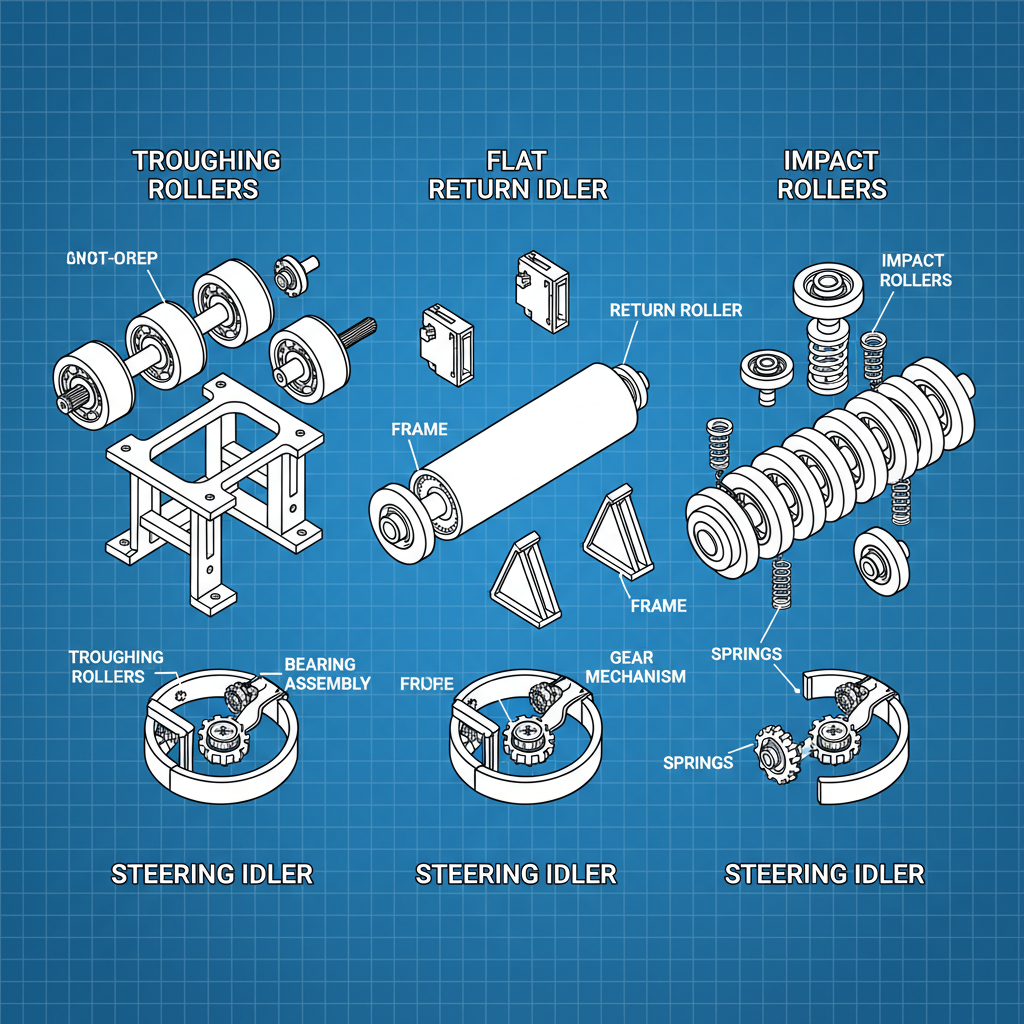
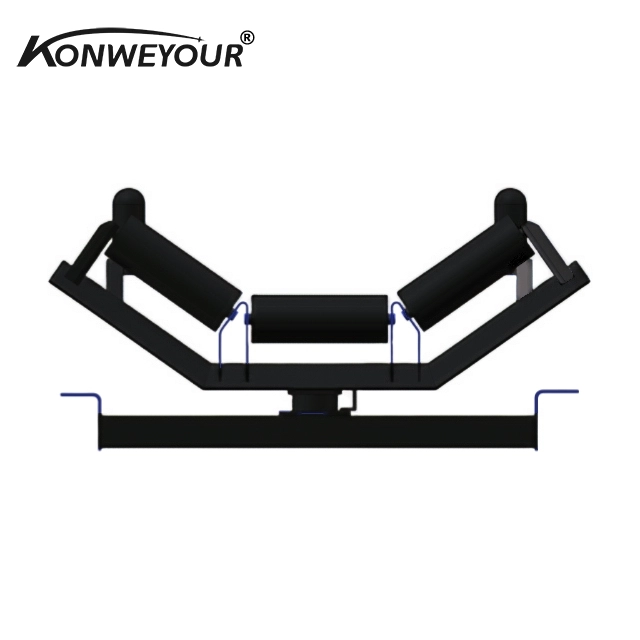
Carry idlers are positioned on the load-carrying strand of the belt and are designed to withstand the weight of the conveyed material. They are typically more robustly constructed than return idlers. These idlers come in various configurations, including flat, trough, and pipe idlers, depending on the material characteristics and conveyor design. JT Conveyor offers a comprehensive range of carry idlers to meet diverse industrial needs. Proper selection of carry idlers is vital to prevent belt sag and ensure efficient material transport.
Return Idlers: Supporting the Empty Strand
Return idlers support the non-load-carrying strand of the belt as it returns from the discharge point to the loading point. While they don’t bear the weight of the material, they still play a vital role in maintaining belt alignment and reducing friction. They are generally lighter in construction than carry idlers. Properly spaced return idlers contribute to the overall stability and longevity of the conveyor system.
Types of Idlers in Belt Conveyor: A Detailed Comparison
There are several distinct types of idlers, each suited for specific applications. Here’s a breakdown of some of the most common types:
| Idler Type |
Application |
Features |
| Flat Idlers |
Light-duty applications, general material handling |
Simple design, low cost |
| Trough Idlers |
Bulk material handling, preventing spillage |
Concave shape centers the load, reducing spillage |
| Pipe Idlers |
Sticky or abrasive materials, preventing build-up |
Smooth surface minimizes material adhesion |
| Wing Idlers |
Preventing edge roll-over, particularly with tall loads |
Side wings guide the material and prevent it from falling off the belt |
Specialty Idlers: Addressing Unique Challenges
Beyond the basic types, specialized idlers address unique conveyor challenges. Self-cleaning idlers are designed to prevent material build-up, particularly useful in environments with sticky or wet materials. Impact idlers are heavily constructed to absorb the shock of falling materials, protecting the belt and underlying structure. Training idlers are used to gently steer the belt back into alignment, preventing drift. JT Conveyor provides customized idler solutions to fit any application.
Conclusion: Choosing the Right Idler for Optimal Conveyor Performance
Selecting the correct types of idler is vital for efficient and reliable belt conveyor operation. Consider the materials being conveyed, the conveyor's layout, and the operating environment. Investing in high-quality idlers from a reputable supplier, such as JT Conveyor, can significantly reduce downtime, extend belt life, and improve overall productivity. Prioritizing idler maintenance and timely replacement is also crucial for maximizing the return on your conveyor investment.
Frequently Asked Questions (FAQs)
How often should idlers be inspected?
Idlers should be inspected regularly, ideally as part of a preventative maintenance program. A visual inspection should be conducted at least monthly, looking for signs of wear, damage, or misalignment. More frequent inspections may be necessary in harsh environments or with heavily loaded conveyors. Check for bearing noise, excessive vibration, and any visible cracks or damage to the idler shell. Early detection of issues can prevent costly downtime and ensure safe operation.
What causes idler failure?
Several factors can contribute to idler failure, including bearing wear, material build-up, impact damage, and misalignment. Lack of lubrication, exposure to harsh environments, and overloading can also accelerate wear and tear. Inadequate sealing can allow contaminants to enter the bearings, leading to premature failure. Regularly lubricating the bearings, cleaning the idlers, and ensuring proper alignment are essential for preventing failures.
How do I choose between flat and trough idlers?
The choice between flat and trough idlers depends on the material being conveyed. Flat idlers are suitable for light-duty applications and general material handling where spillage is not a major concern. Trough idlers are ideal for bulk material handling, as their concave shape centers the load and reduces the risk of spillage. If you're conveying materials that are prone to rolling or sliding, a trough idler is generally the better choice. Contact JT Conveyor for assistance in selecting the right idler for your specific needs.
What are self-cleaning idlers and when should I use them?
Self-cleaning idlers are designed to prevent material build-up on the idler surface. They typically feature a special coating or a unique surface geometry that helps to shed material. These idlers are particularly useful when conveying sticky, wet, or abrasive materials that tend to accumulate on the idler surface. Using self-cleaning idlers can reduce belt wear, improve efficiency, and minimize the need for manual cleaning.