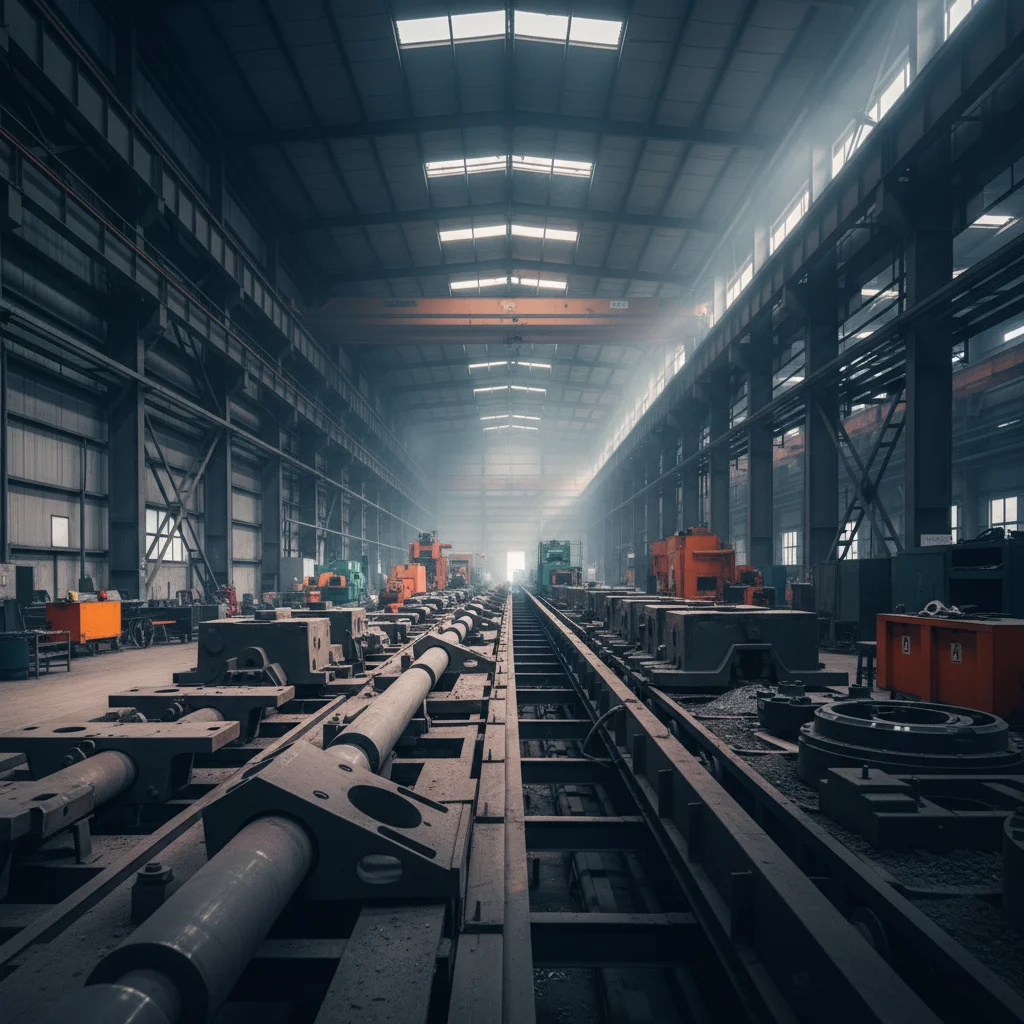
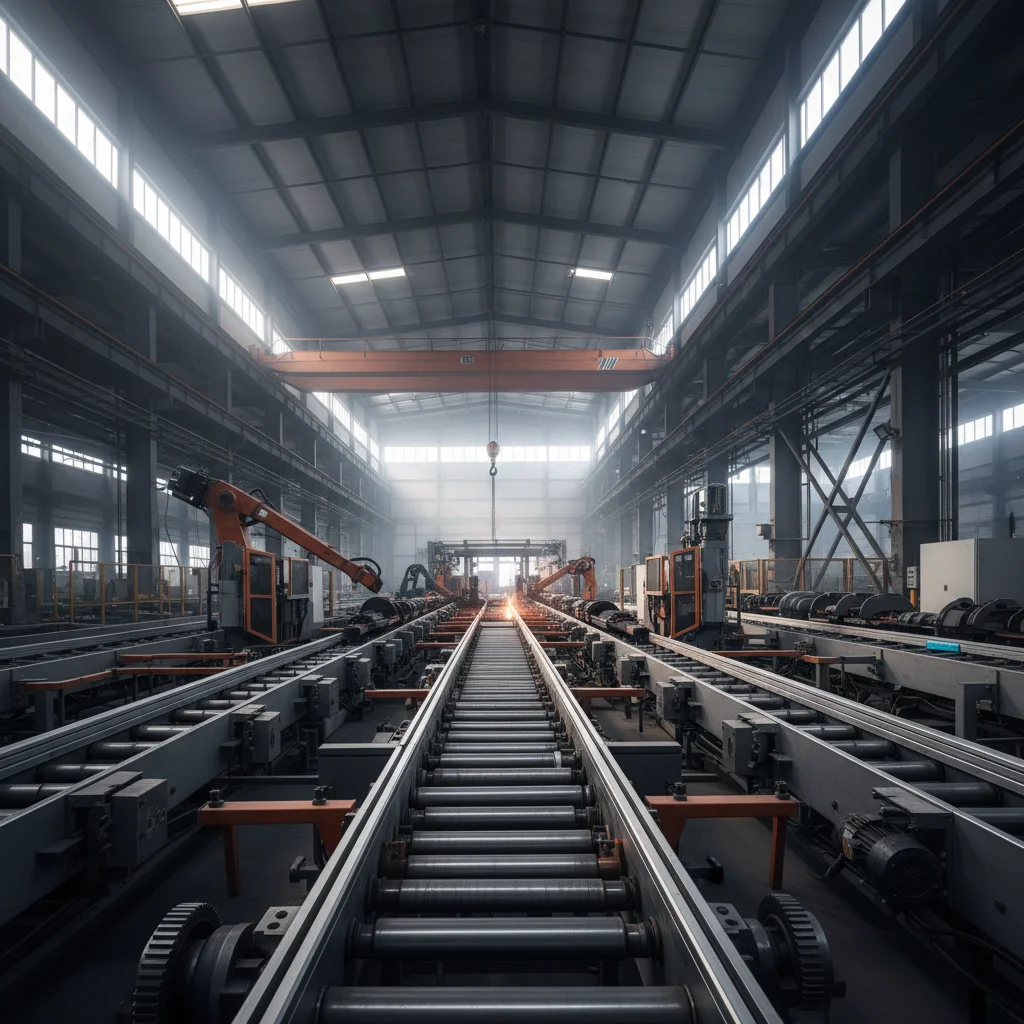
Different conveyor systems are the backbone of modern logistics and material handling, playing a crucial role in industries ranging from manufacturing and warehousing to food processing and airport baggage handling. These systems are designed to efficiently move materials from one location to another, automating processes and increasing throughput. Understanding the nuances of different conveyor systems is paramount for optimizing operational efficiency and reducing costs. This knowledge isn't just for engineers; it impacts supply chain managers, business owners, and anyone involved in the movement of goods.
Globally, the conveyor systems market is experiencing significant growth, driven by the expanding e-commerce sector and the increasing demand for automation. According to a report by Market Research Future, the global conveyor systems market is projected to reach USD 73.61 billion by 2030, growing at a CAGR of 6.88% from 2022 to 2030. This growth highlights the essential role these systems play in enabling efficient supply chains. However, challenges remain, including the need for greater energy efficiency and adaptability to handle diverse material types and varying throughput demands.
The increasing complexity of modern supply chains presents a significant challenge. Businesses need reliable and adaptable material handling solutions to maintain competitiveness. Different conveyor systems provide the tools to meet these challenges, offering scalable and customizable options to optimize workflows and reduce operational bottlenecks. This makes understanding the different types of conveyor systems essential for anyone looking to improve their material handling processes and stay ahead in today's fast-paced market.
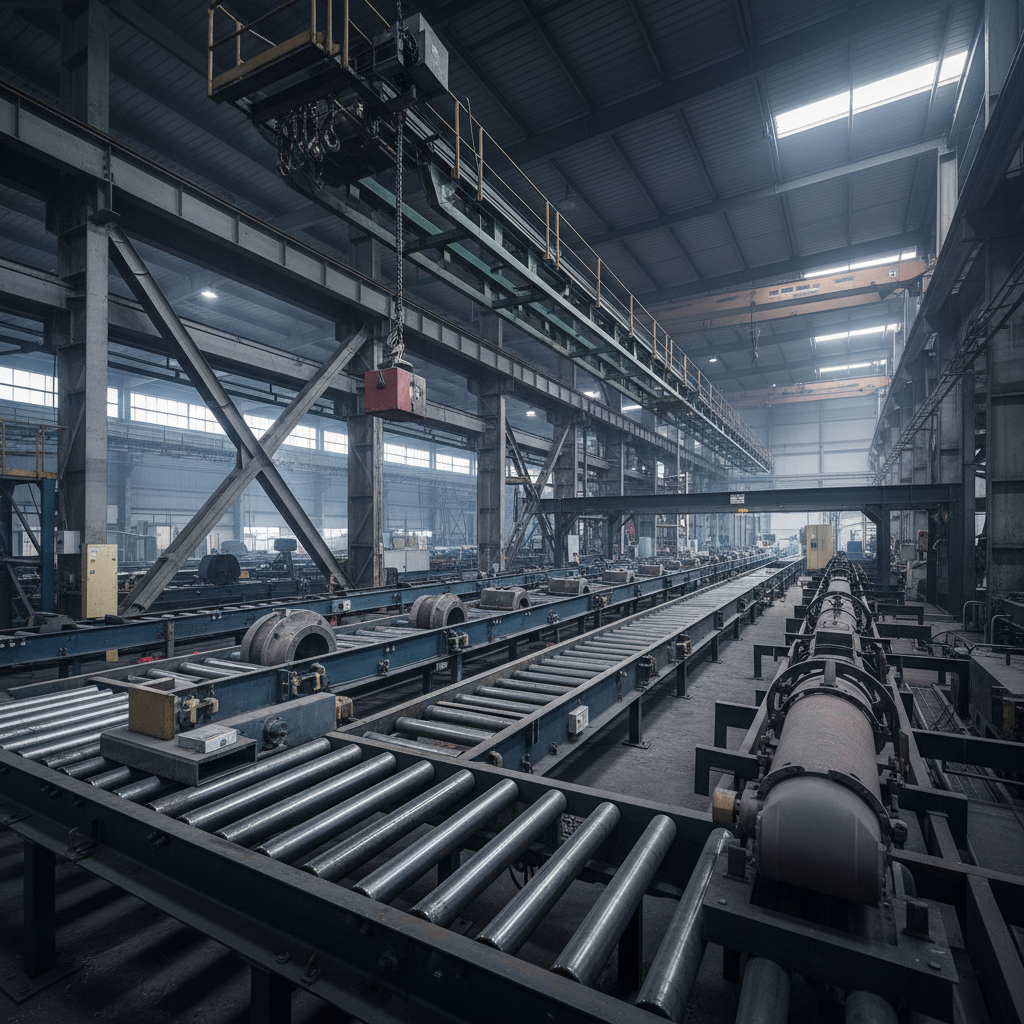
Introduction to Different Conveyor Systems
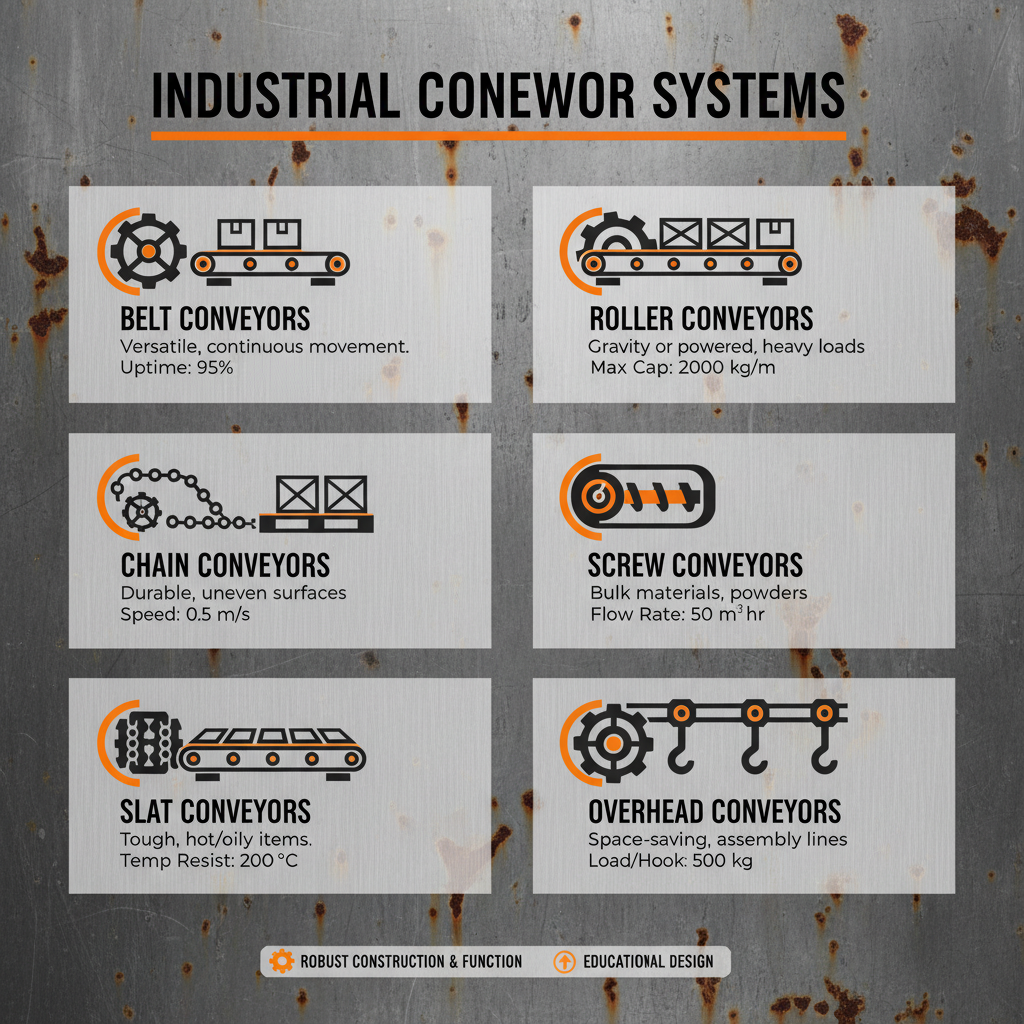
The world of material handling offers a remarkably diverse range of different conveyor systems, each engineered to address specific needs. From simple belt conveyors used for bulk material transport to complex automated sortation systems found in distribution centers, understanding these variations is crucial for efficient operations. Choosing the right system depends on factors like material type, distance, speed requirements, and budget constraints.
These systems aren't just about moving products; they’re about optimizing workflows, minimizing labor costs, and enhancing overall productivity. They are the unseen engine driving countless industries, enabling everything from grocery store restocking to intricate manufacturing processes. Recognizing the importance of different conveyor systems is the first step towards building a more streamlined and effective supply chain.
Defining Different Conveyor Systems
Different conveyor systems are automated material handling systems designed to transport products or materials horizontally, vertically, or on a combination of both. Unlike manual transport, conveyors offer continuous, controlled movement, significantly increasing efficiency and reducing the risk of damage. They come in numerous forms, each with its unique advantages and applications.
These systems are integral to modern industrial processes and logistics. They bridge the gap between production stages, streamline warehousing, and expedite distribution. The selection of the appropriate conveyor system directly impacts a company’s ability to meet customer demands, manage costs, and maintain a competitive edge.
The connection to modern industry extends beyond mere automation. In humanitarian contexts, portable conveyor systems are utilized for disaster relief, quickly moving supplies to affected areas. This adaptability showcases the broad relevance of these technologies – from large-scale industrial operations to critical emergency response scenarios.
Core Components of Conveyor Systems
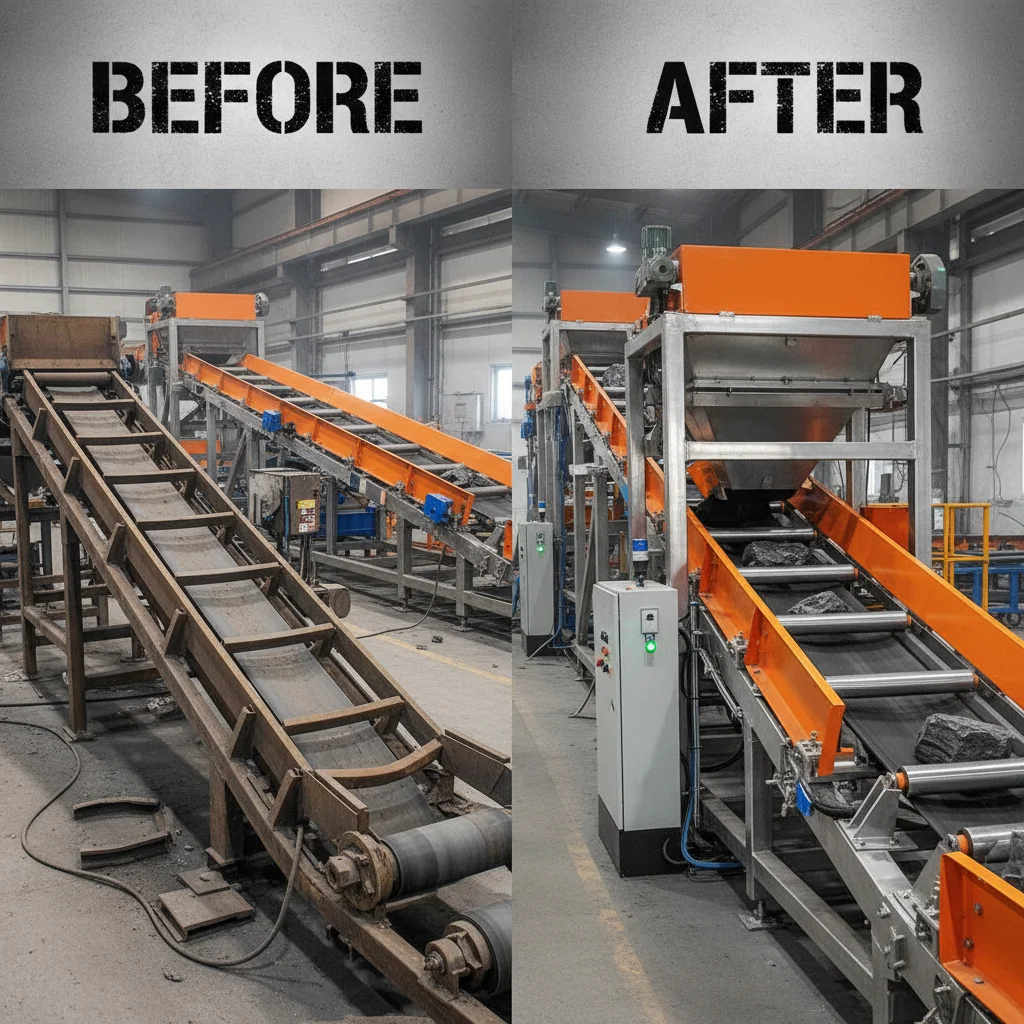
Durability is a primary concern when selecting different conveyor systems, especially in demanding environments. Robust construction using high-quality materials like stainless steel or heavy-duty polymers ensures longevity and reduces maintenance costs. Considerations include load capacity, environmental factors (temperature, humidity, corrosion), and the type of materials being handled.
Scalability is another crucial aspect. A well-designed conveyor system should be adaptable to changing needs. Modular designs allow for easy expansion or reconfiguration as production volume increases or product lines evolve. This flexibility minimizes disruption and maximizes the system’s lifespan.
Cost efficiency extends beyond the initial purchase price. Factors like energy consumption, maintenance requirements, and potential downtime all contribute to the total cost of ownership. Choosing energy-efficient motors, implementing preventative maintenance schedules, and opting for systems with readily available replacement parts can significantly reduce long-term expenses.
Global Applications and Diverse Use Cases
Different conveyor systems are extensively used in the manufacturing sector, automating assembly lines and moving components between workstations. In the food and beverage industry, they are crucial for hygienic product handling and efficient packaging processes. Similarly, airport baggage handling systems rely heavily on conveyor technology to sort and transport luggage quickly and accurately.
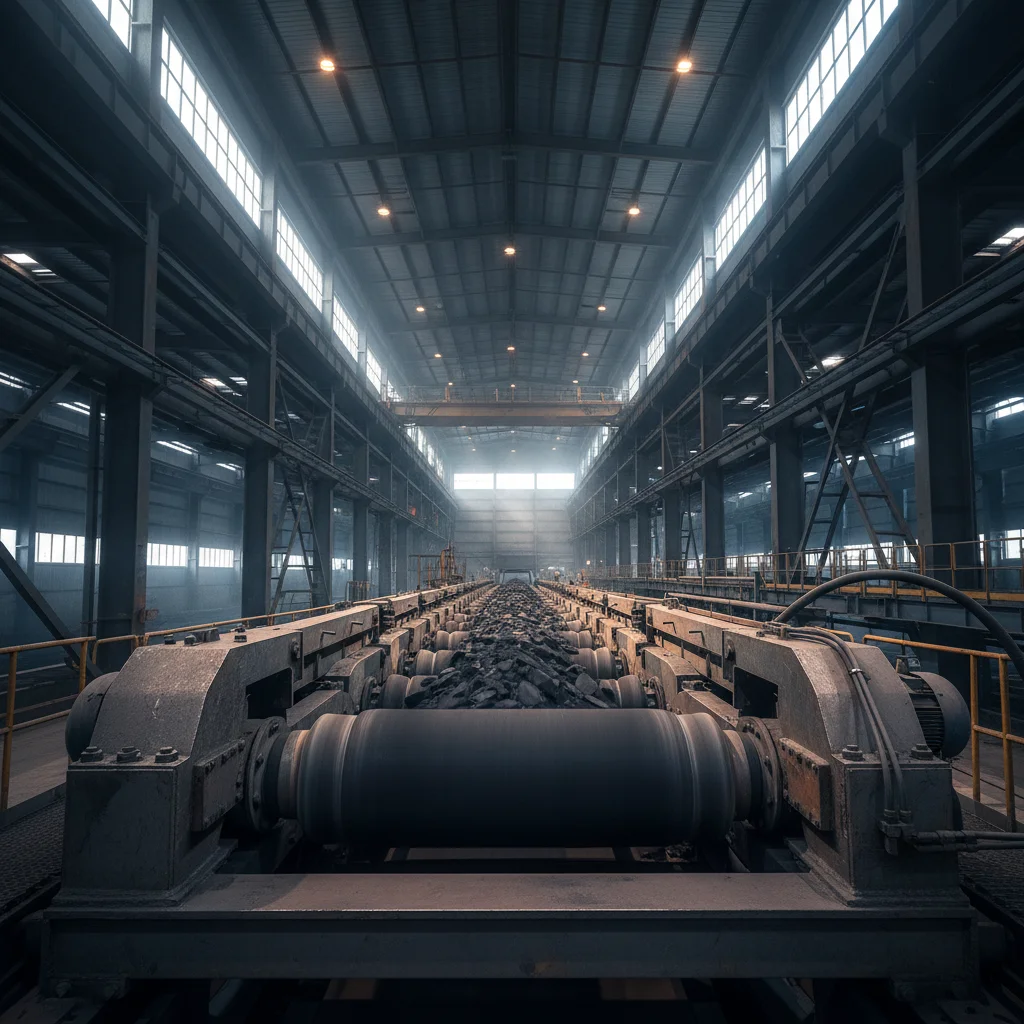
In remote industrial zones, like mining operations in Australia or oil refineries in the Middle East, reliable conveyor systems are vital for transporting raw materials and finished products over long distances, often in challenging terrain. These systems minimize reliance on manual labor and reduce transportation costs.
In post-disaster relief operations, mobile conveyor systems are deployed to quickly distribute essential supplies – food, water, medicine – to affected populations. These portable units provide a rapid and efficient means of logistical support where traditional infrastructure has been compromised.
Performance Comparison of Different Conveyor Systems
Advantages and Long-Term Value Proposition
The tangible benefits of implementing different conveyor systems are numerous. Reduced labor costs are a primary driver, as automation minimizes the need for manual material handling. Increased throughput is another key advantage, allowing businesses to process more goods in less time. This translates directly into higher profitability.
Beyond the financial gains, different conveyor systems contribute to a safer working environment by reducing the risk of injuries associated with manual lifting and carrying. They also foster improved workplace organization and contribute to a more efficient and streamlined operation. These factors ultimately build trust with employees and customers alike.
Future Trends and Innovations in Conveyor Technology
The integration of Artificial Intelligence (AI) and Machine Learning (ML) is transforming different conveyor systems. AI-powered systems can optimize routing, predict maintenance needs, and even self-adjust to changing workloads, maximizing efficiency and minimizing downtime. This is a significant step towards true “smart” factories and warehouses.
Sustainability is another key focus. Manufacturers are developing energy-efficient conveyor systems, utilizing lightweight materials, and incorporating regenerative braking technology to reduce energy consumption and minimize environmental impact. This aligns with growing global demands for environmentally responsible business practices.
Challenges and Solutions in Conveyor System Implementation
One common challenge is integrating new conveyor systems with existing infrastructure. Careful planning, detailed site surveys, and the use of modular designs are essential to ensure seamless integration. Software solutions can also facilitate data exchange and communication between different systems.
Another challenge is maintaining system reliability and minimizing downtime. Implementing robust preventative maintenance programs, utilizing remote monitoring systems, and establishing clear troubleshooting protocols are crucial for addressing this issue. Investing in high-quality components and partnering with experienced service providers can also significantly reduce downtime.
Finally, adapting to evolving material handling needs can be complex. Selecting systems with inherent flexibility and scalability, and remaining open to future upgrades and modifications, are key strategies for ensuring long-term effectiveness.
Summary of Challenges and Solutions for Different Conveyor Systems
| Challenge |
Impact on Operations |
Solution Strategies |
Implementation Cost (1-10) |
| Integration with Existing Systems |
Disrupted workflows, data silos |
Modular design, software integration, detailed planning |
6 |
| System Reliability |
Increased downtime, production delays |
Preventative maintenance, remote monitoring, high-quality components |
7 |
| Scalability |
Inability to adapt to changing needs |
Modular systems, flexible designs, future upgrade pathways |
5 |
| Energy Consumption |
High operating costs, environmental impact |
Energy-efficient motors, regenerative braking, optimized routing |
4 |
| Maintenance Complexity |
Prolonged downtime, specialized expertise required |
Remote diagnostics, readily available parts, comprehensive training |
8 |
| Material Handling Variations |
System incompatibility, potential damage |
Adjustable speed, specialized conveyor types, adaptable controls |
6 |
FAQS
Selecting the right conveyor system requires careful evaluation of several factors. Consider the type of material you’re handling (size, weight, fragility), the distance and elevation changes involved, required throughput rates, available space, budget constraints, and maintenance requirements. Analyzing your specific needs and consulting with a conveyor system expert can ensure you choose the most efficient and cost-effective solution.
Regular preventative maintenance is critical for maximizing the lifespan and reliability of your conveyor system. A recommended schedule typically includes daily inspections for visible wear and tear, monthly lubrication of moving parts, quarterly inspections of belts and chains, and annual comprehensive system checks. Adhering to a proactive maintenance plan minimizes downtime and reduces the risk of costly repairs.
Modular conveyor systems offer significant advantages in terms of flexibility and scalability. They allow for easy reconfiguration and expansion as your needs change, minimizing disruption to operations. Modular designs also simplify repairs and replacements, as individual sections can be quickly swapped out without shutting down the entire system.
Several strategies can enhance energy efficiency. Utilize energy-efficient motors and drives, implement regenerative braking systems to recapture energy during deceleration, optimize conveyor speed to match material flow, and regularly inspect and maintain belts and chains to minimize friction. Consider using sensors and control systems to automatically adjust operation based on demand.
Safety is paramount. Essential features include emergency stop buttons, safety guards around moving parts, belt speed monitoring systems, and proper signage. Ensure the system meets relevant safety standards (e.g., OSHA) and that employees receive thorough training on safe operating procedures. Regular safety inspections are also crucial.
Seamless integration requires careful planning and coordination. Utilize compatible control systems and communication protocols to enable data exchange between different conveyors. Implement buffer zones to accommodate variations in speed and throughput. Consider using a centralized control system to monitor and manage the entire process, ensuring smooth and efficient material flow.
Conclusion
Different conveyor systems are the unsung heroes of modern industry, providing the foundation for efficient material handling across a vast range of applications. From enhancing productivity and reducing labor costs to improving safety and promoting sustainability, the benefits are undeniable. Understanding the nuances of these systems is crucial for optimizing operations and maintaining a competitive edge in today’s dynamic market.
Looking ahead, the continued integration of AI, automation, and sustainable technologies will further revolutionize the world of conveyor systems. Investing in these advancements will not only improve operational efficiency but also contribute to a more resilient and environmentally responsible supply chain. To learn more about how the right conveyor system can transform your operations, visit our website at www.jtconveyor.com.