Introduction to Advanced Coal Mine Conveyor Belt Systems
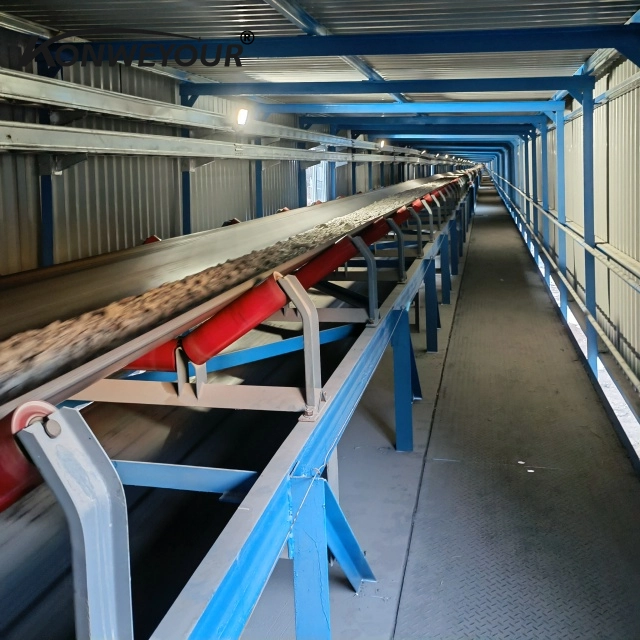
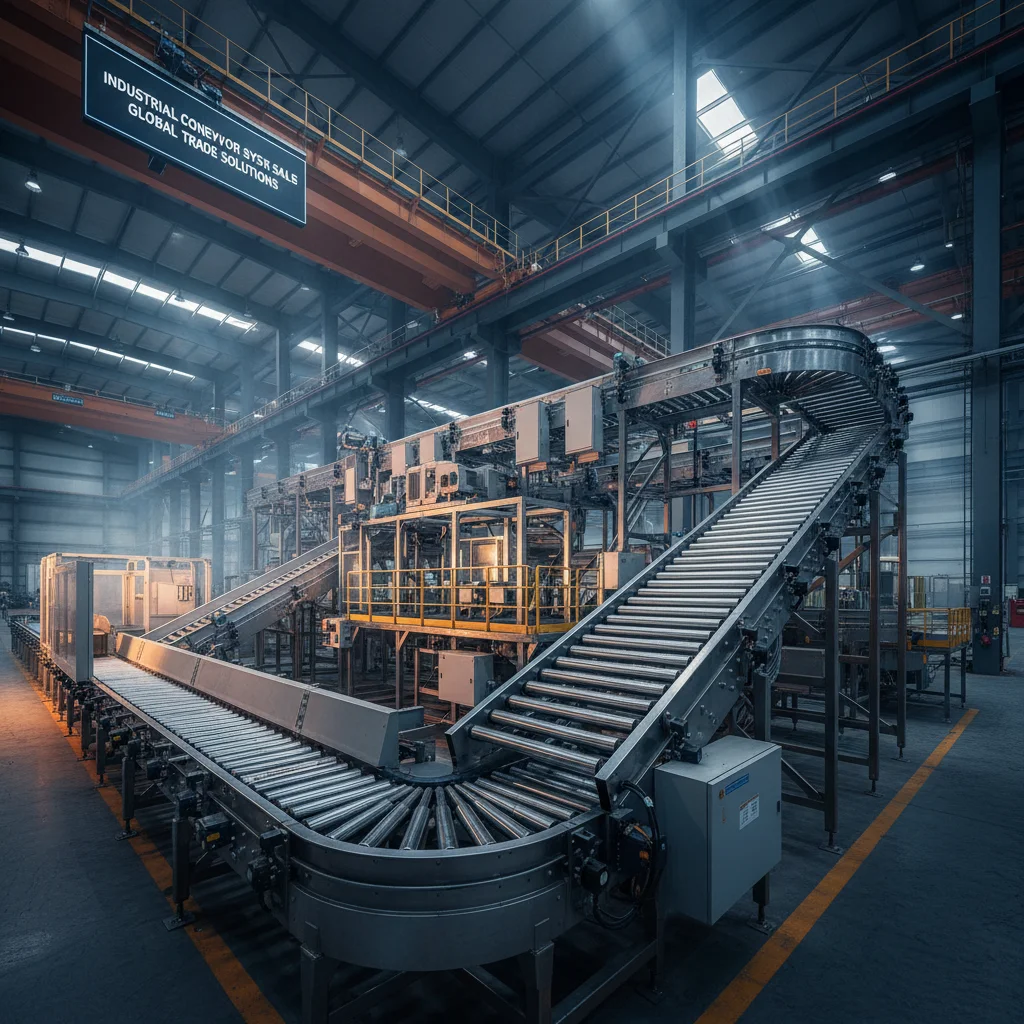
The global energy landscape continues to underscore the vital role of coal, necessitating highly efficient, safe, and robust extraction and processing methodologies. At the heart of subterranean and open-cast mining operations lies the unsung hero: the conveyor belt system. Far from simple material transporters, modern coal mine conveyor belt systems represent sophisticated engineering marvels, designed to handle immense volumes of bulk materials under some of the planet's harshest conditions. These systems are not merely components but the circulatory system of a mine, directly influencing productivity, operational costs, and, critically, safety. The transition from rudimentary haulage to automated, high-capacity, and intelligent conveying solutions marks a paradigm shift in how raw resources are moved from the mine face to processing plants or export terminals. This comprehensive exploration delves into the foundational importance, technical intricacies, and strategic advantages offered by cutting-edge conveyor technology, setting a new benchmark for operational excellence in the mining sector.
The Critical Impact of Efficient Material Handling
The efficiency of a mine's material handling system directly correlates with its overall profitability and safety record. Stagnant or inefficient conveyance results in bottlenecks, increased operational expenditures, and heightened risks. Modern conveyor systems, however, unlock unprecedented levels of performance. For instance, implementing a state-of-the-art system can see a throughput increase of up to 30% compared to older models, translating directly into higher output volumes without proportional increases in energy or labor. Data from recent installations reveals that integrating smart conveyor solutions can lead to a reduction in operational downtime by as much as 25%, primarily due to enhanced reliability and predictive maintenance capabilities. Furthermore, the shift from truck-based haulage to continuous conveying in open-pit mines can slash fuel consumption for material transport by up to 70%, offering significant environmental benefits and cost savings. Safety metrics also show compelling improvements: automated systems reduce human exposure to hazardous areas, leading to a documented decrease in minor incidents by over 40% and a substantial reduction in severe accidents. These figures underscore not just incremental gains, but transformative impacts on the economic viability and safety culture of mining enterprises.
Unpacking Technical Superiority in Conveyance
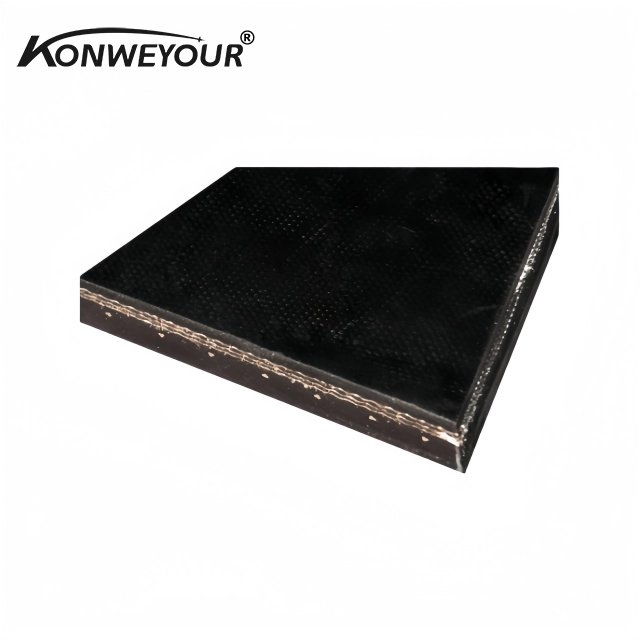
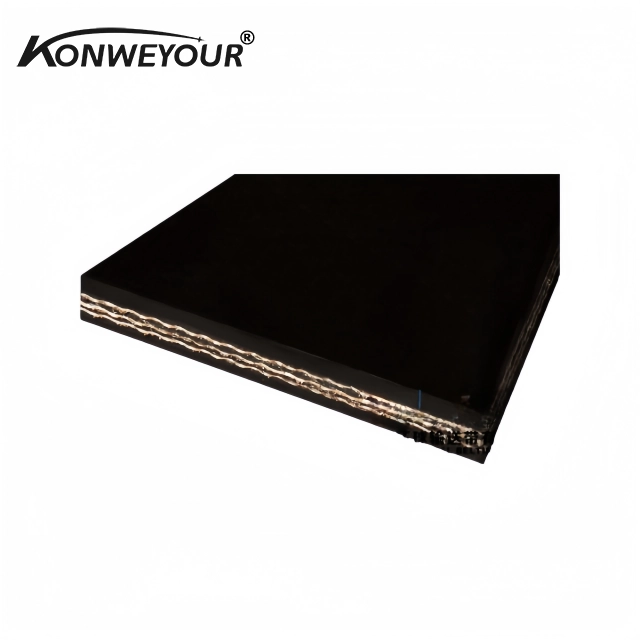
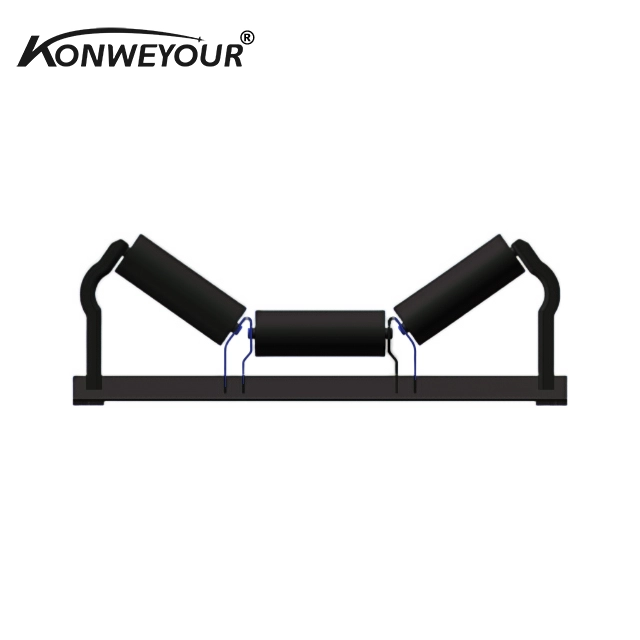
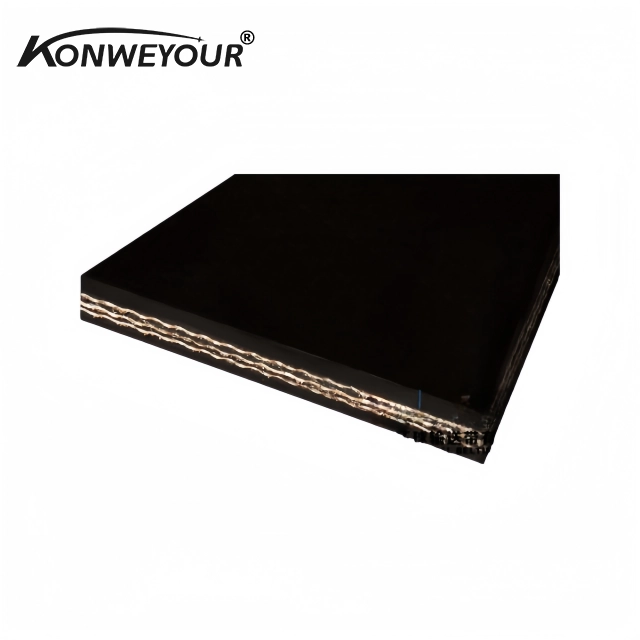
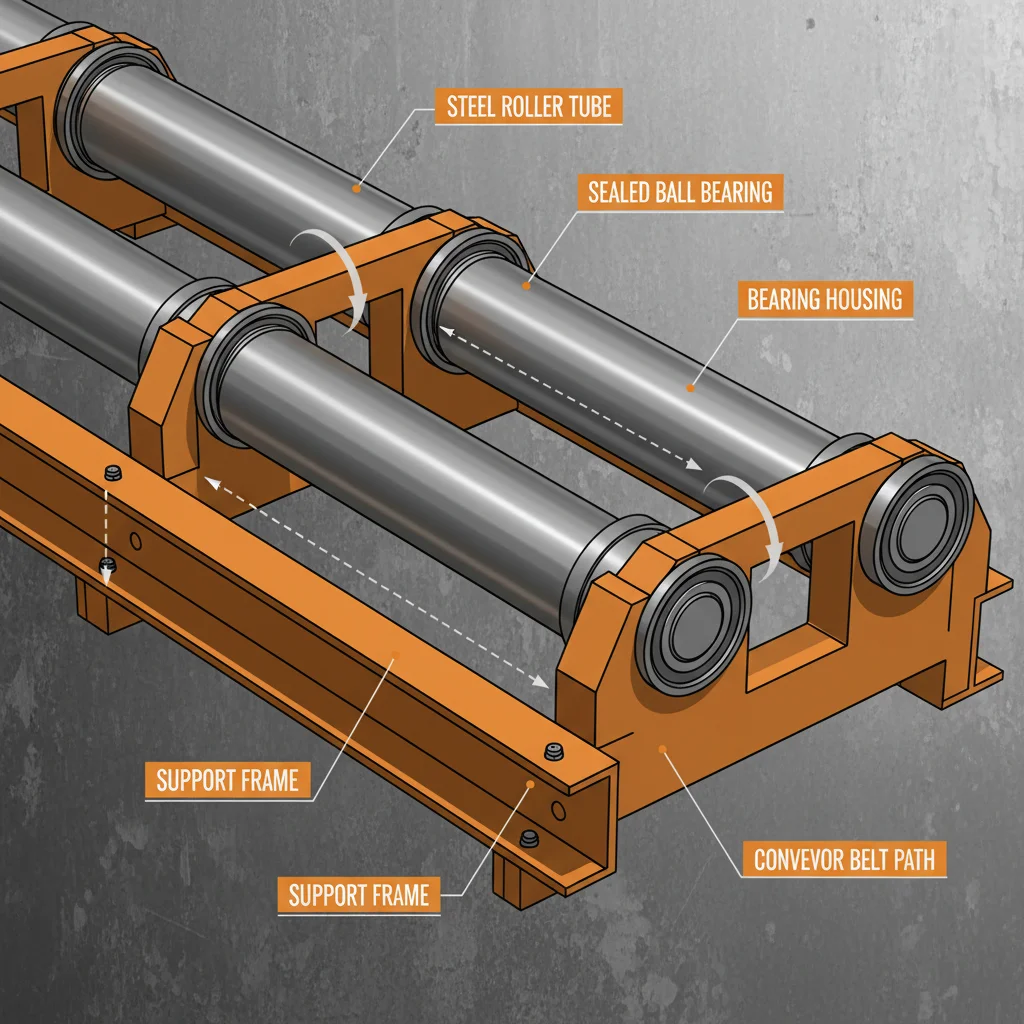
Modern coal mine conveyor belt systems are defined by a suite of technical advancements that push the boundaries of performance and reliability. At their core are the belts themselves, now manufactured with advanced materials such as steel cord, aramid fibers, or multi-ply fabric constructions, offering superior tensile strength, tear resistance, and extended service life even under extreme abrasive and impact loads. The drive systems have evolved to incorporate Variable Frequency Drives (VFDs) and sophisticated motor controls, enabling soft starts, precise speed adjustments, and regenerative braking capabilities. This not ony significantly reduces energy consumption but also minimizes stress on mechanical components, prolonging their operational life. Idlers and rollers feature enhanced bearing designs and sealing arrangements, drastically reducing friction, power consumption, and maintenance requirements. Furthermore, integrated PLC (Programmable Logic Controller) and SCADA (Supervisory Control and Data Acquisition) systems provide real-time monitoring of belt speed, tension, alignment, and load. Advanced sensor technology includes thermal cameras for hot spot detection, acoustic sensors for early fault diagnosis, and laser scanners for volumetric measurement, all feeding into a central control system. Safety mechanisms are paramount, with features like emergency stop pull cords, belt rip detection systems, fire suppression capabilities, and sophisticated interlocks ensuring maximum operational security. This blend of material science, electrical engineering, and digital intelligence creates a resilient, efficient, and inherently safer material transport solution.
Leading Manufacturers: A Comparative Analysis
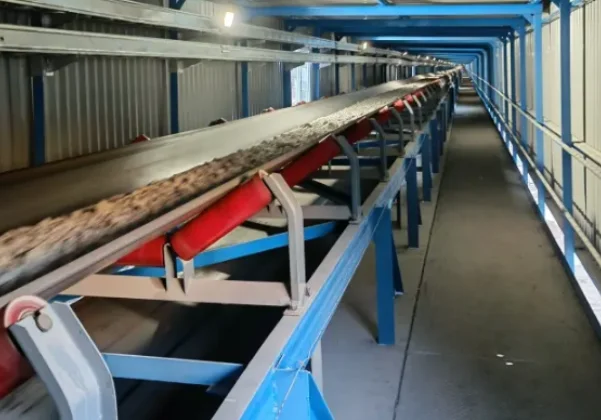
Selecting the optimal conveyor system requires a meticulous evaluation of various manufacturers, each bringing distinct strengths to the market. The choice hinges on specific operational needs, environmental conditions, and budgetary constraints. Below is a comparative overview highlighting key features across a representative selection of top-tier providers in the coal mining conveyance sector:
Feature/Manufacturer | Global Conveyance Solutions (GCS) | MineTech Systems (MTS) | HeavyDuty Transports (HDT) | Industrial Belt Co. (IBC) |
Max Throughput (Tons/Hour) | Up to 15,000 | Up to 12,000 | Up to 18,000 | Up to 10,000 |
Belt Width Range (mm) | 800 - 2400 | 650 - 2000 | 1000 - 3000 | 600 - 1800 |
Primary Belt Material Focus | Steel Cord, Aramid | Fabric, Steel Cord | Hybrid (Steel & Fabric) | Fabric, PVC |
Automation Level | Advanced (AI/ML integration) | High (PLC/SCADA) | Very High (Predictive Maintenance) | Standard (Remote Monitoring) |
Energy Efficiency Rating | Excellent (VFD, Regenerative) | Very Good (Optimized Drives) | Outstanding (Ultra-low friction) | Good (Standard Drives) |
After-Sales Support & Spares | Global, Fast Response | Regional, Strong Local | Extensive Network, Proactive | Standard, Reliable |
This comparison highlights the diverse offerings. GCS is noted for its advanced automation and global reach, while MTS excels in robust regional support. HDT stands out for its ultra-high capacity and proactive maintenance features, whereas IBC provides reliable, cost-effective solutions for standard operations. Prospective buyers must conduct thorough due diligence, including site visits, detailed technical discussions, and reviewing long-term support contracts, to ensure the selected system not only meets current demands but also offers scalability and adaptability for future operational shifts.
Tailoring Solutions for Unique Operational Demands
The notion of a "one-size-fits-all" conveyor system is fundamentally incompatible with the complex and varied realities of coal mining. Every mine presents a unique confluence of geological conditions, production targets, spatial constraints, environmental factors, and existing infrastructure. Therefore, the ability to deliver truly customized solutions is a hallmark of leading system providers. Customization begins with a thorough site assessment, analyzing factors such as: mine depth and geology (e.g., steep inclination requires specialized cleated belts or pipe conveyors), material characteristics (e.g., abrasive, sticky, wet coal influences belt material and cleaning systems), ambient temperature and humidity ranges, and specific output requirements. Tailored engineering might involve designing unique transfer points to minimize spillage and dust, integrating bespoke loading and discharge chutes, or developing advanced dust suppression and fire detection systems specific to a mine's risk profile. Furthermore, the integration with a mine's existing digital ecosystem—from legacy control systems to emerging IoT networks—is crucial. This bespoke approach ensures that every component, from the drive station to the take-up unit, is optimized for peak performance and longevity within its specific operational context, maximizing efficiency and safety while minimizing capital expenditure and operational costs.
Real-World Deployment: Illustrative Case Studies
The theoretical advantages of advanced conveyor systems are best understood through their practical application. Consider three diverse scenarios:
Deep Underground Mine (Example: "Black Vein Colliery," UK): Facing challenges with increasing haulage distances and steep gradients (up to 18 degrees) in a gassy environment, Black Vein Colliery replaced its aging, segmented transport system with a continuous, high-tensile steel cord conveyor system stretching over 5 kilometers. The bespoke solution incorporated a sophisticated VFD-controlled drive with regenerative braking capabilities for descending loads, significantly reducing power consumption. Integrated gas detection and fire suppression systems were hardwired into the conveyor's PLC. Result: A 28% increase in overall material output, a 15% reduction in energy costs, and a marked improvement in underground safety due to fewer manned material transfer points.
Large Open-Pit Mine (Example: "Prairie Coal," USA): This expansive surface mine required long-distance bulk material transport (over 10 kilometers) from multiple pit locations to a central processing plant. The previous truck-and-shovel fleet was inefficient and costly. A new high-capacity fabric-reinforced conveyor system, comprising multiple flights with modular construction, was installed. The system featured automated belt cleaning, advanced dust control, and a centralized SCADA system for real-time performance monitoring. Each flight was designed for easy extension as the mine face advanced. Result: A staggering 65% reduction in diesel fuel consumption for material transport, coupled with a 20% increase in daily processed tonnage, validating the environmental and economic benefits of continuous surface mining operations.
Coal Preparation Plant Integration (Example: "Carbon Creek Processing," Australia): The existing preparation plant struggled with inconsistent feed rates and bottlenecking at various processing stages due to disparate and uncoordinated internal conveyors. A holistic upgrade integrated all internal conveyors into a single, intelligent network. This involved retrofitting existing belts with precise load cells and VFDs, and installing new, smaller, specialized conveyors for precise material flow to crushers and washers. The entire system was then controlled by an AI-powered optimization algorithm, adjusting belt speeds and flow rates dynamically. Result: A 12% improvement in plant utilization rates, a 5% increase in product recovery, and a significant reduction in operational interventions, showcasing the power of integrated automation in fixed plant applications.
These cases underscore how targeted conveyor system upgrades and new installations can provide tangible, measurable benefits across varied mining contexts.
Future-Proofing Your Operations with Modern Coal Mine Conveyor Belt Systems
The future of coal mining is inextricably linked to technological innovation, and `coal mine conveyor belt systems` are at the forefront of this evolution. Investing in modern, intelligently designed systems is not merely an upgrade; it is a strategic imperative for long-term operational viability, competitiveness, and adherence to increasingly stringent environmental and safety regulations. These advanced systems offer a pathway to enhanced productivity, significantly reduced operational costs, and an inherently safer working environment. The continuous development in materials science, automation, and predictive analytics promises even greater efficiencies and resilience. From ultra-low friction components and energy-harvesting technologies to fully autonomous inspection drones and sophisticated digital twins for simulation and optimization, the trajectory for conveyor technology points towards ever-smarter, more sustainable solutions. Embracing these innovations ensures that mining operations are not just meeting current demands but are well-prepared to navigate the complexities and opportunities of the future energy landscape. Strategic partnerships with leading manufacturers and a commitment to continuous improvement are paramount in harnessing the full potential of these indispensable mining assets.
Frequently Asked Questions (FAQs)
What are the primary safety features integrated into modern coal mine conveyor belt systems?
Modern systems incorporate a comprehensive suite of safety features including emergency stop pull cords along the entire length, belt rip detection systems, fire detection and suppression capabilities, anti-rollback devices, sequence interlocks to prevent unexpected starts, and robust guarding around moving parts. Advanced systems also integrate gas and dust monitoring in underground environments.
How do these systems contribute to energy efficiency in mining operations?
Energy efficiency is achieved through several innovations: Variable Frequency Drives (VFDs) optimize motor speed and power consumption; regenerative braking recovers energy from descending loads; low-friction idlers and rollers reduce drag; and lightweight, high-strength belt materials lessen the power required for movement. These contribute to significant reductions in overall energy consumption.
What is the typical lifespan of a high-quality coal mine conveyor belt system?
The lifespan of a high-quality system varies, but with proper maintenance and operation, the structural components (framework, drives) can last 20-30 years or more. Conveyor belts themselves typically have a lifespan of 5-15 years, depending on the material, operational intensity, and maintenance schedule. Key wear parts like idlers may require more frequent replacement.
How does automation improve the operational efficiency and reliability of conveyor systems?
Automation, often driven by PLCs and SCADA systems, allows for real-time monitoring, remote control, and self-diagnosis. This improves efficiency by optimizing belt speed and material flow, preventing overloads, and reducing human intervention. Reliability is enhanced through predictive maintenance alerts, automated fault detection, and precise control over system parameters, minimizing unexpected downtime.
What kind of maintenance is typically required for these advanced systems?
Maintenance typically includes routine inspections of belts, idlers, pulleys, and drive components; lubrication of bearings; cleaning of belts and surroundings; tension adjustments; and prompt repair of any damage. Predictive maintenance, utilizing sensors and data analytics, is increasingly common, allowing for component replacement before failure occurs, thus minimizing unscheduled downtime.
Can modern conveyor belt systems be integrated with existing mine infrastructure and digital networks?
Yes, flexibility in integration is a key design consideration. Modern conveyor systems are designed to be highly adaptable, with modular components and communication protocols (e.g., Modbus, Ethernet/IP) that allow seamless integration with existing processing plants, control rooms, and broader mine management systems. Custom engineering can bridge gaps with older infrastructure.
What factors primarily influence the overall cost of a coal mine conveyor belt system?
The cost is influenced by several factors: system length and width, throughput capacity, belt material (e.g., fabric, steel cord), level of automation and instrumentation, complexity of the terrain (e.g., incline, curves), required safety features, drive system type, and installation complexity. Customization and after-sales support packages also play a significant role.