bottle conveyor parts: Key Components Driving Efficiency in Modern Industries
When we talk about the industrial heartbeat of bottling plants, warehouses, or packaging lines, bottle conveyor parts are the unsung heroes. Whether it’s glass soda bottles lined up for filling or plastic water bottles racing down automated sorting lanes, these components keep the show running. But beyond simple movement, bottle conveyor parts represent a confluence of precision engineering, global supply chain relevance, and economic efficiency that ripple across industries worldwide. So why do they truly matter? And what exactly do they encompass?
Introduction: A Global Perspective on bottle conveyor parts
Globally, the packaging and bottling industry is a massive driver of commerce. According to the Statista packaging market report, the market size reached over $900 billion in 2023, with bottles—both plastic and glass—forming a critical fraction. The backbone of this intricate ecosystem is the bottle conveyor system, where parts such as rollers, belts, guides, and sensors come together.
However, bottling facilities often face challenges like equipment downtime, contamination risks, and scalability issues. Addressing these problems hinges on reliable, durable, and adaptable bottle conveyor parts that can stand the test of shifting production demands and stringent hygiene standards.
Mini takeaway: Bottle conveyor parts are more than mechanical bits—they are vital enablers of smooth, fast, and hygienic bottle processing on a global scale.
What Are bottle conveyor parts? A Simple Definition
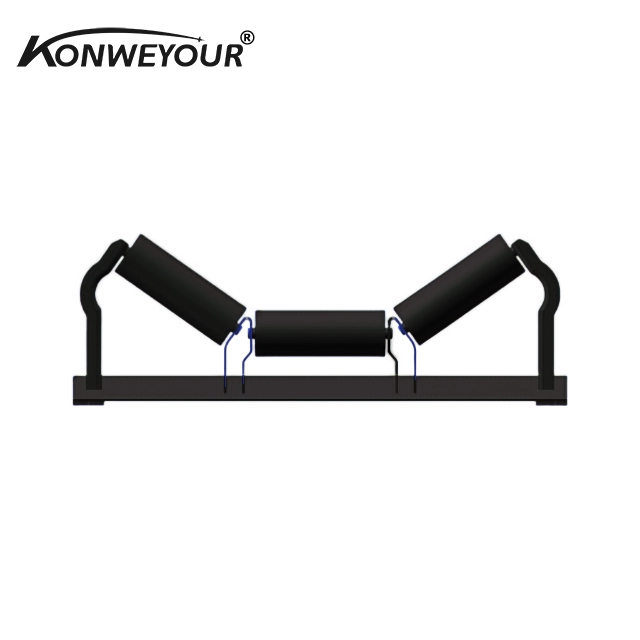
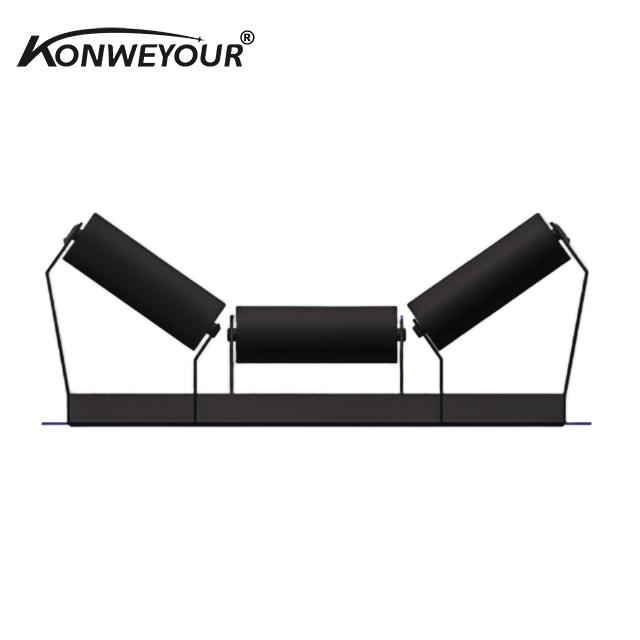
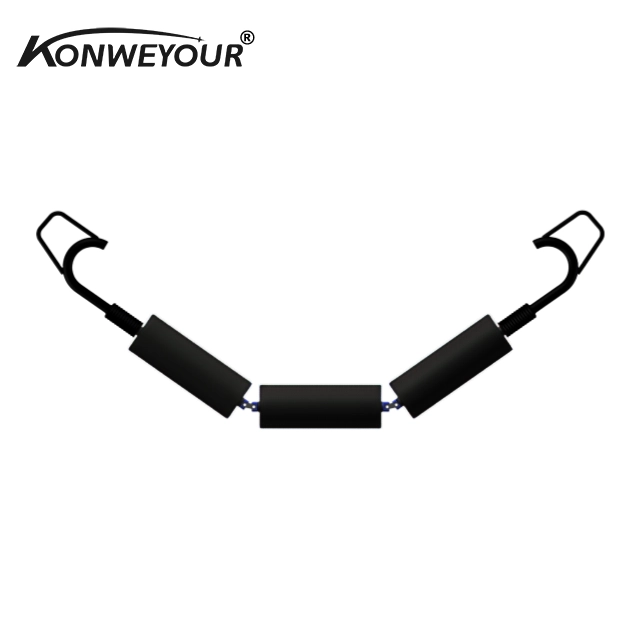
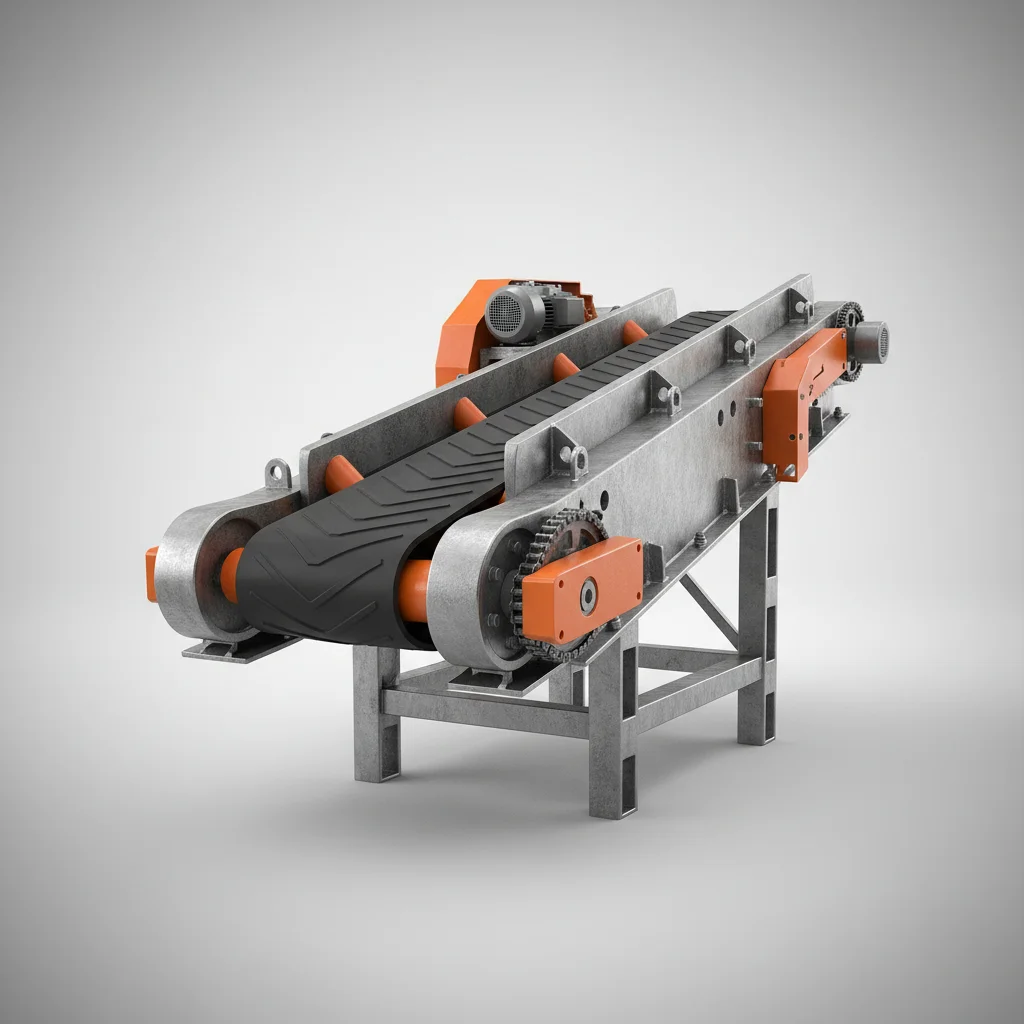
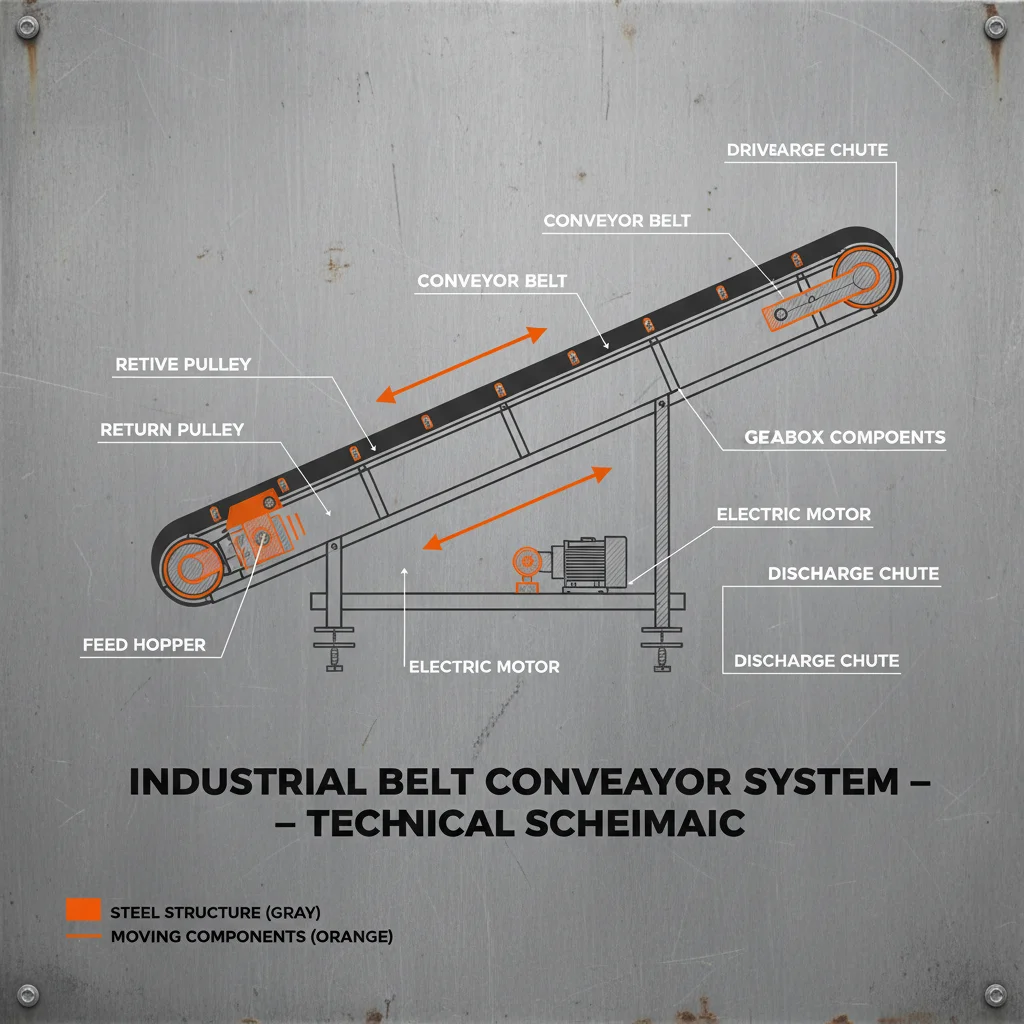
In essence, bottle conveyor parts refer to the individual components making up a conveyor system designed specifically for transporting bottles efficiently and safely through various process stages like filling, capping, labeling, and packaging. These parts include belts, sprockets, side guides, rollers, sensors, drives, and supporting frames.
They bridge modern manufacturing with the real needs of industries, ensuring continuous flow without bottle damage or contamination. Plus, environmentally, by optimizing throughput and reducing waste, they subtly support sustainability goals.
Core Components of bottle conveyor parts
1. Durability & Material Quality
The parts must endure constant use, sometimes in wet or chemical-laced environments. Stainless steel and food-grade plastics are popular choices to prevent corrosion and contamination. High-quality materials extend lifespan and reduce breakdowns.
2. Scalability & Modularity
Bottling lines vary greatly in size. Conveyor parts designed to easily expand or reconfigure allow plants to adjust capacity or product types without costly overhauls.
3. Precision & Stability
Since bottles vary from tiny vials to large glass containers, guides and rollers need precise dimensions to keep products stable, avoiding jams or spills.
4. Cost Efficiency
It sounds mundane, but cost-effective parts minimize replacement cycles and operational expenses. Balancing cost with quality is a constant challenge.
5. Hygiene & Cleanliness
Parts must be easy to clean and resistant to bacterial growth, meeting FDA and ISO standards for food and beverage safety.
Product Specification Snapshot
| Part Name |
Material |
Typical Size |
Application |
| Roller |
Stainless steel / UHMW Plastic |
Ø20-50 mm x 100-300 mm length |
Bottle transport and stability |
| Side Guide Rail |
Food-grade plastic / Aluminum |
Variable length |
Bottle alignment control |
| Modular Belt |
Polypropylene / FDA-compliant material |
Width 100-600 mm |
Smooth bottle conveyance |
| Sensor Module |
Plastic & Metal Housing |
Compact, varies by model |
Detect bottle presence/speed |
Who’s Using bottle conveyor parts? Global Applications & Use Cases
Bottle conveyor parts are everywhere—from the United States’ bustling beverage factories, to Europe’s high-tech pharmaceutical bottling lines, to Asia’s abundant water and soda bottling plants. Even humanitarian aid groups have seen conveyor technologies adapted for packing relief supplies swiftly and safely.
- Food and Beverage Industry: Streamlining soda, juice, water, and dairy bottling with high-speed precision.
- Pharmaceutical Industry: Ensuring gentle, sterile handling of delicate medicine bottles.
- Remote Industrial Zones: Conveyor parts engineered for harsh conditions maintain uptime and safety.
- Post-Disaster Relief Operations: Adaptable conveyor setups speed up packing bottled water and sanitation liquids.
Mini takeaway: The versatility of bottle conveyor parts means they serve diverse needs worldwide—from high-tech factories to urgent humanitarian aid.
Advantages & Long-Term Value of High-Quality bottle conveyor parts
Investing in reliable bottle conveyor parts pays dividends you might not immediately see, but certainly feel over time. The benefits include:
- Cost Savings: Less downtime, fewer replacements, and optimized workflow reduce operating expenses.
- Safety & Hygiene: FDA-approved materials and smooth design reduce contamination risks and workplace accidents.
- Sustainability: Durable parts mean less waste; optimized conveyance cuts energy usage.
- Trust & Reputation: Consistent product quality builds customer confidence and regulatory goodwill.
- Innovation: Flexibility to integrate sensors and automation drives future-proof operations.
Vendor Comparison at a Glance
| Vendor |
Material Quality |
Customization |
Lead Time |
Price Range |
| JT Conveyor |
High-grade stainless steel & FDA plastics |
Extensive modular options |
4–6 weeks |
$$$ |
| Global Conveyors Inc. |
Food-grade aluminum alloys |
Medium customization |
6–8 weeks |
$$ |
| Precision Convey Solutions |
Standard steel, some stainless options |
Limited |
3–5 weeks |
$ |
Emerging Trends & Innovations
Frankly, what’s exciting in the world of bottle conveyor parts is all about smart automation and sustainability. Innovations include:
- IoT-Enabled Sensors: Real-time monitoring of bottle flow, temperature, and potential jams.
- Eco-friendly Materials: Biodegradable plastics or recycled materials entering conveyor part production.
- Energy-Efficient Drives: Variable speed motors that shrink electric footprints.
- Modular Designs: Quicker reconfiguration to meet varying production needs instantly.
Common Challenges and How Experts Fix Them
No system is flawless, and bottle conveyor parts are no exception. Frequent issues include:
- Wear and Tear: High speeds can wear belts and rollers prematurely.
- Sanitation Difficulties: Complex part designs make cleaning cumbersome.
- Integration Complexity: Adding new parts to existing lines can be tricky.
Experts recommend predictive maintenance with sensor data, simpler part geometries, and choosing vendors like JT Conveyor that offer modular components designed for easy upgrades.
FAQ: Frequently Asked Questions About bottle conveyor parts
- What materials are safest for bottle conveyor parts in food-grade facilities?
- Food-grade stainless steel and FDA-approved plastics like UHMW polyethylene are preferred for their durability and sanitary properties, minimizing contamination risks.
- How often should conveyor parts be inspected or replaced?
- Inspection frequency depends on usage but generally monthly checks and replacing high-wear parts annually keeps downtime minimal.
- Can conveyor parts handle different bottle sizes on the same line?
- Yes, parts like adjustable side guides and modular belts allow flexibility to accommodate various bottle diameters without major system changes.
- Is it possible to customize conveyor parts for unique production needs?
- Absolutely. Many vendors, including JT Conveyor, specialize in modular and custom-engineered bottle conveyor parts tailored to specific operational demands.
- How do sensor modules enhance conveyor efficiency?
- Sensors detect bottle movement and jams in real time, allowing immediate corrective actions and preventing costly stoppages in production.
Conclusion
Reflecting on the importance of bottle conveyor parts reveals how these often-overlooked components enable not just efficient bottle movement but also sustainability, safety, and innovation across industries worldwide. If you’re evaluating how to upgrade or maintain your bottle conveyor systems, remember: quality parts lead to long-term savings and reliability.
For top-tier, customizable bottle conveyor parts, visit JT Conveyor—your trusted partner in conveyor solutions.
1. Statista Packaging Industry Overview,
2. FDA Food Safety Standards (fda.gov),
3. ISO Conveyor Equipment Standards (iso.org)
Honestly, the devil is in the details — and with bottle conveyor parts, those details can make or break your production flow.