Superior Conveyor Components: What Sets Them Apart?
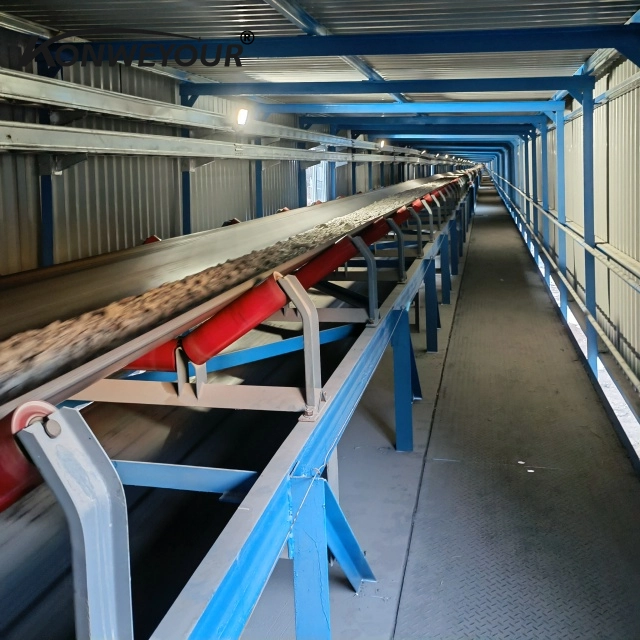
Having spent more than a decade working hands-on in the industrial equipment sector, I can tell you that conveyor systems might often be overlooked — but the components that make them tick? Those are game changers. A few years ago, I remember walking the floor of a plant struggling with downtime due to frequent conveyor failures. It was a small detail, a worn roller bearing, that was quietly causing chaos. Ever since, I’ve paid close attention to superior conveyor components, and frankly, it’s where the difference between “just working” and “working efficiently” truly lies.
So, what exactly makes these components superior? Let’s unpack some insights.
Material Quality and Design Precision
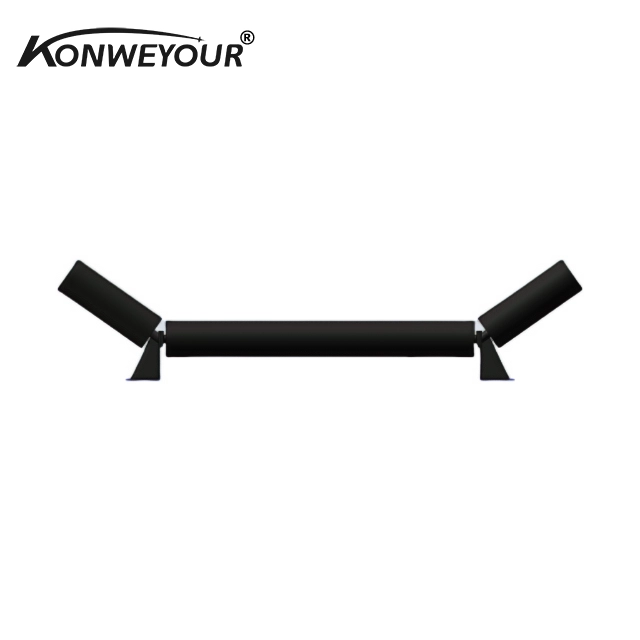
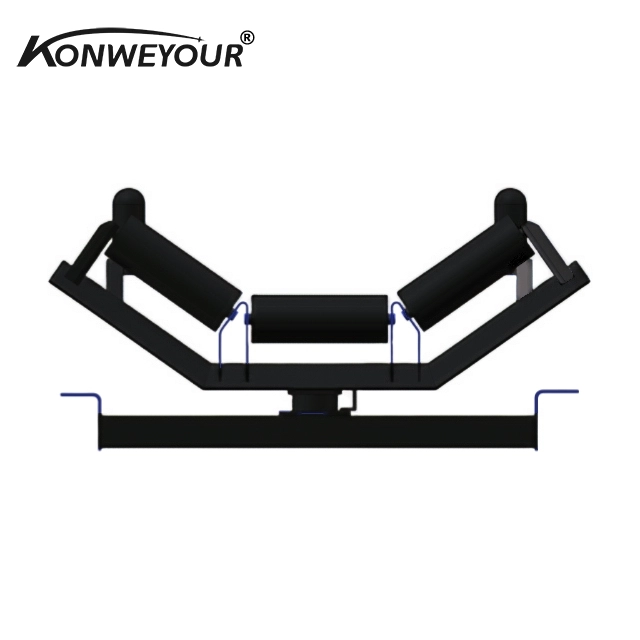
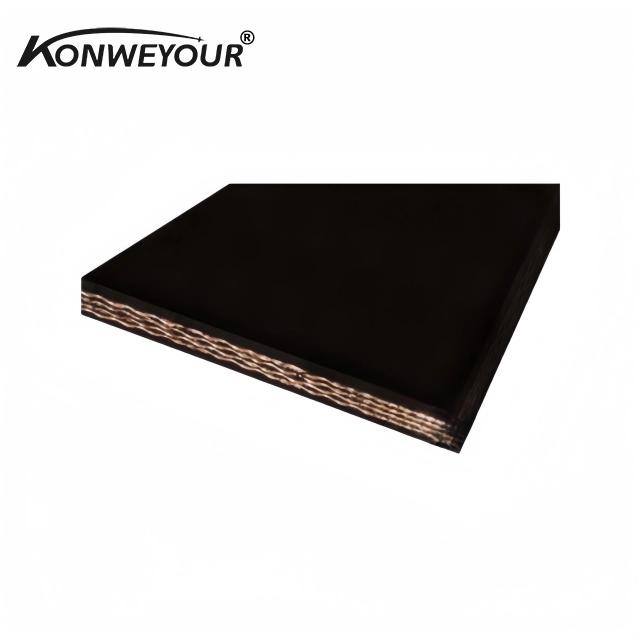
One thing I noticed early on is that material selection plays a pivotal role. Components forged from high-grade steel or corrosion-resistant alloys tend to last longer – no surprise there. But it’s not just about the metal; the design precision is equally crucial. Take conveyor belts or rollers: those manufactured with meticulous tolerances reduce friction and misalignment, which means less wear and unexpected breakdowns. Many engineers I've talked to swear by components that go through exhaustive testing for load capacity and environmental resilience.
Testing and Durability Standards
Speaking of testing, I’m always impressed when vendors provide detailed documentation of endurance testing and product certifications. It’s not just marketing fluff—these tests simulate years of tough operation in harsh conditions (“dust, moisture, heavy loads,” you name it). For me, it’s kind of a trust signal that the component won’t just fail when you need it most.
Customization and Application Flexibility
Another point worth mentioning is flexibility. Superior conveyor components often come with options for customization — from different load ratings to size variants or special coatings. I recall one customer in food processing who needed belts resistant to both heat and chemicals. Not every supplier could offer that without significant lead times, but some, including companies like JT Conveyor, have solutions ready or adaptable. That readiness to tailor components to unusual specifications is invaluable in real-world use.
Product Specification Snapshot
| Component |
Material |
Load Capacity |
Temperature Range |
Special Features |
| Steel Roller |
Carbon Steel w/ Epoxy Coating |
Up to 5,000 lbs |
-20°C to 120°C |
Corrosion resistant, low friction |
| Polyurethane Belt |
Thermoplastic Polyurethane |
Up to 3,000 lbs |
-40°C to 80°C |
Chemical resistant, flexible |
| Bearing Unit |
Stainless Steel w/ Seals |
Up to 10,000 lbs |
-30°C to 140°C |
Sealed for dust, lubrication included |
Comparing Leading Suppliers
Over the years, I’ve tested components from several vendors. Here’s a quick comparison based on my experience and industry feedback:
| Feature |
JT Conveyor |
Competitor A |
Competitor B |
| Lead Time |
1-2 weeks |
3-4 weeks |
2-3 weeks |
| Customization Options |
Extensive |
Limited |
Moderate |
| Material Quality |
High-grade steel and polymers |
Standard commercial grade |
High-grade steel only |
| Warranty |
3 years |
1 year |
2 years |
Oddly enough, what struck me most is how a supplier like JT Conveyor doesn’t just deliver components but also offers ongoing expert support. That’s a rare find and something many plant managers appreciate, especially when time is money and downtime is costly.
In real terms, if you’re looking to upgrade or maintain conveyor systems with components that stand the test of time while keeping maintenance minimal, focusing on quality, trustworthiness, and supplier responsiveness is half the battle won.
And yes — while it’s tempting to pinch pennies on cheaper parts, investing in superior conveyor components saves headaches down the road. From improved durability to smoother operations and reduced interruptions, you quickly realize it’s more cost-effective in the long run.
So, if you’re ready to explore solutions from a company that truly “gets it,” take a closer look at their offerings. I’m telling you from experience, quality conveyor parts aren’t just pieces — they’re the backbone of your entire operation.
My takeaway after years in the field? Quality conveyor components are a subtle art and science. Choose wisely.
References:
- JT Conveyor Product Catalog, 2024 Edition
- Industry Standards for Conveyor Component Testing, ANSI B20.1
- Plant Operations Case Studies, Machinery Maintenance Magazine, 2023