Understanding the Role of a Conveyor Parts Company in Modern Industry
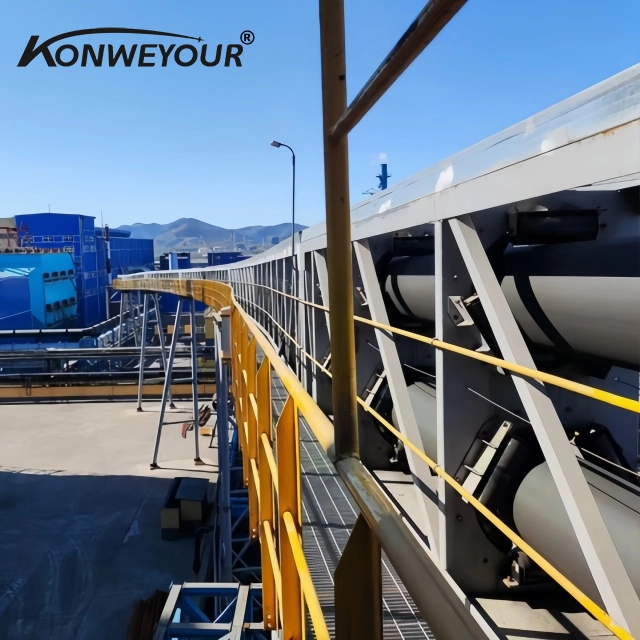
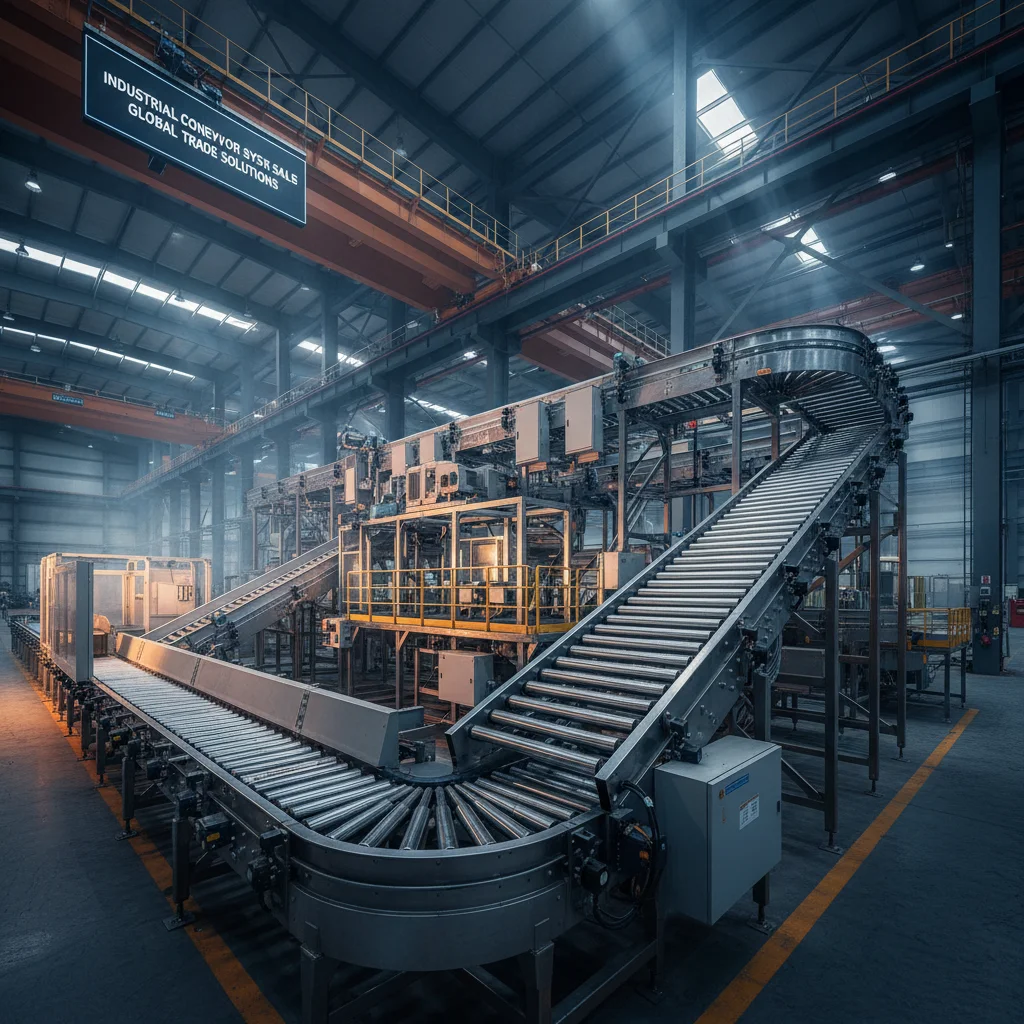
When you stop to think about the complex machinery that keeps goods moving worldwide, conveyor systems—and the parts that make them tick—are often the unsung heroes. A conveyor parts company specializes in supplying these essential components that keep industries running smoothly, from manufacturing plants in Germany to mining operations in Australia. You might not notice these parts day-to-day, but globally, their impact on industrial efficiency, safety, and cost reduction is massive.
The global conveyor systems market is projected to grow steadily, fueled by rising demand for automation and streamlined logistics. According to the International Organization for Standardization (ISO), quality conveyor parts help reduce downtime and improve overall productivity, which directly benefits economies and workers alike. Yet, sourcing reliable, durable parts can be a challenge. This is precisely where a trustworthy conveyor parts company steps in, ensuring the ripple effects of seamless supply chains.
Defining a Conveyor Parts Company: What Does It Mean?
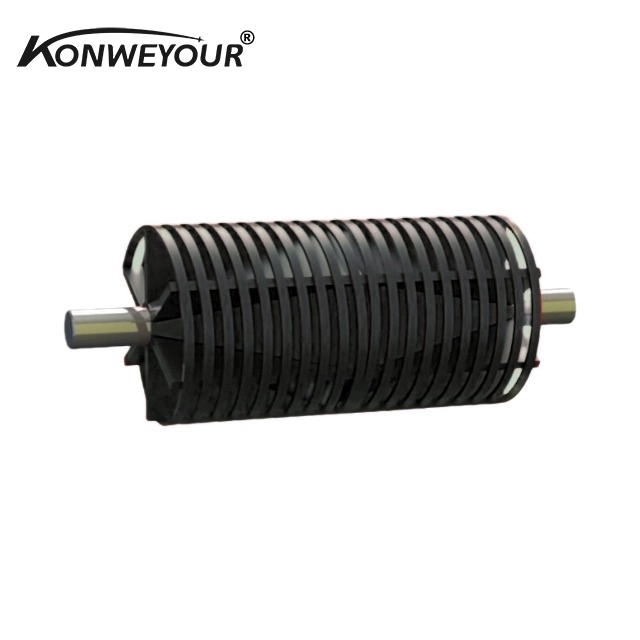
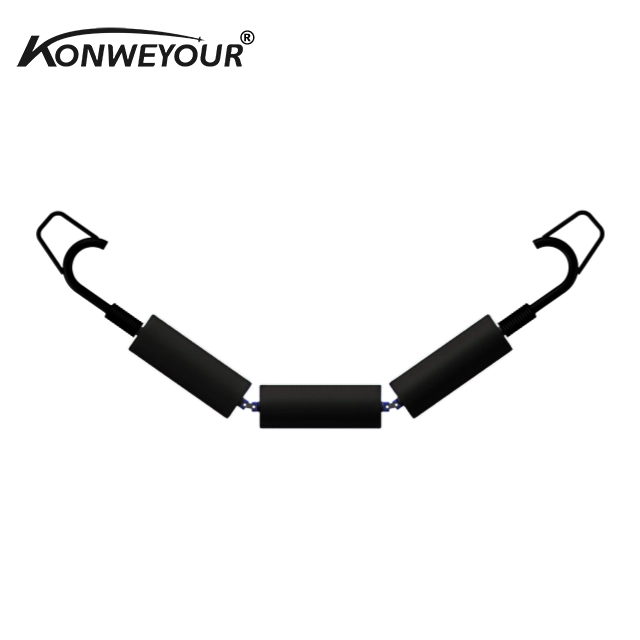
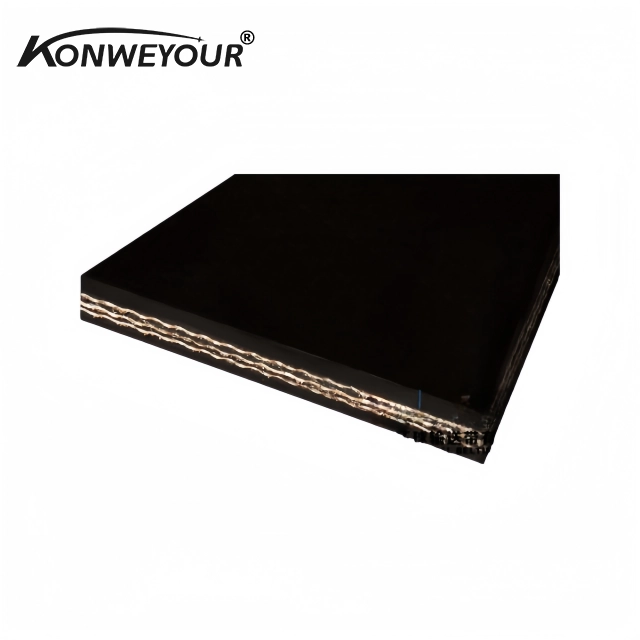
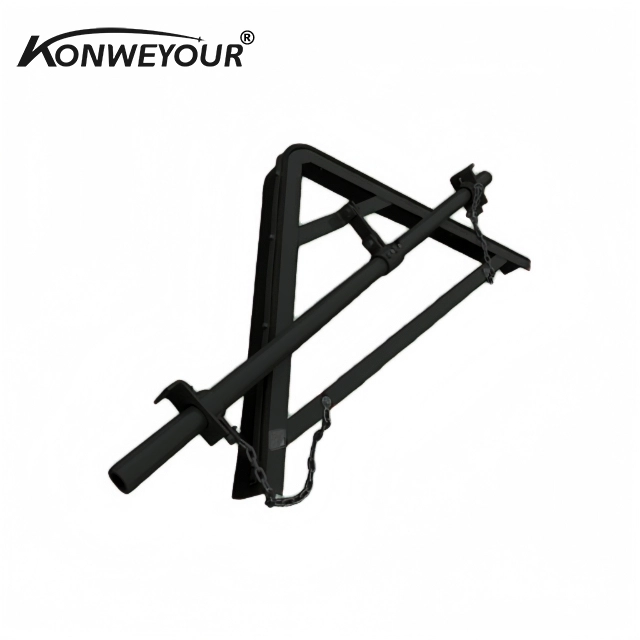
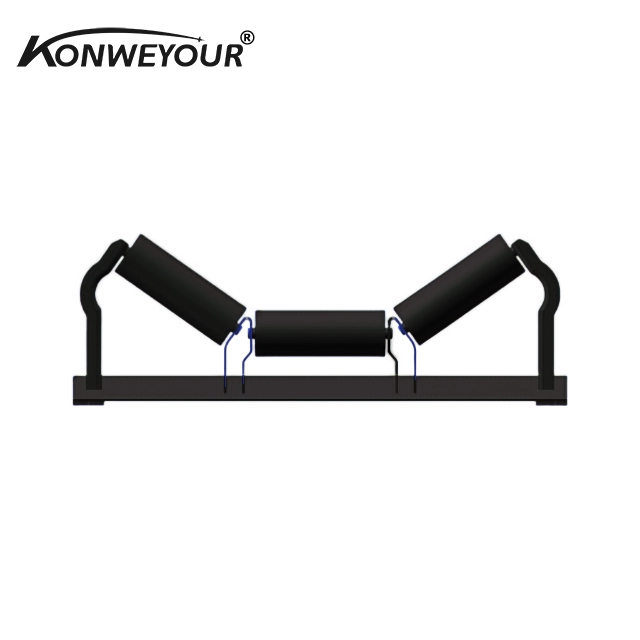
Simply put, a conveyor parts company is a business dedicated to manufacturing, supplying, and sometimes servicing the components needed to build and maintain conveyor systems. These parts include rollers, belts, pulleys, motors, gears, and frames—all tailor-made to fit various industrial needs.
While this might seem like a niche focus, such companies underpin modern industry by enabling smooth material transport. Think about humanitarian relief efforts, for example: conveyor systems can speed up packing and distribution of aid supplies, illustrating how these parts connect technical manufacturing with real-world humanitarian outcomes.
Key Components and Aspects of Conveyor Parts
Durability
Conveyor parts need to withstand harsh environments—extreme temperatures, abrasive materials, or constant use. A quality conveyor parts company ensures each component is tested for longevity, reducing replacements and unexpected breakdowns.
Scalability
Industries evolve, so conveyor systems must adapt. Parts that are modular and compatible with varying load requirements allow businesses to expand or modify their operations without a full system overhaul.
Cost Efficiency
Beyond initial price, it's about total cost of ownership. Reliable parts that minimize downtime and repair costs save serious money over time.
Customization
Not every conveyor application is the same. Expert suppliers tailor parts to fit specialized needs—whether for packaging lines or heavy mining conveyors.
Technological Integration
Modern conveyors often integrate sensors or IoT devices to monitor performance. Parts providers offering smart components enable predictive maintenance and enhanced system control.
Product Specification Table: Example Conveyor Parts
| Part Name |
Material |
Load Capacity |
Typical Use |
| Steel Roller |
High-grade steel |
Up to 1000 kg |
Heavy material transport |
| PVC Conveyor Belt |
Polyvinyl chloride |
Medium loads (~500 kg) |
Packaging lines, food industry |
| Gear Motor |
Steel & copper windings |
Varied by model |
Drive belts, rollers |
Global Applications & Use Cases
Conveyor parts companies have a footprint in nearly every industrial sector. In Asia, growing manufacturing hubs depend heavily on supplied parts to keep assembly lines running. Mining in Africa relies on rugged conveyor parts suited for abrasive materials and rough terrain. In Europe and North America, warehouses and e-commerce fulfillment centers employ highly customizable parts enabling huge volume sorting and dispatch operations.
Oddly enough, even sectors like agriculture and humanitarian logistics have embraced conveyor technology. For example, NGOs speeding up aid distribution after disasters use conveyors with lightweight, easy-to-repair parts to manage large inventories rapidly—a vital element in crisis response.
Vendor Comparison Table: Leading Conveyor Parts Companies
| Company |
Product Range |
Customization Services |
Global Reach |
Warranty |
| JT Conveyor |
Full range, belts to sensors |
Yes |
Worldwide |
2 years |
| PartCo Solutions |
Primarily rollers & motors |
Limited |
North America |
1 year |
| Global Convey |
Broad, with smart tech parts |
Yes, extensive |
Europe and Asia |
3 years |
The Advantages and Long-Term Value of a Good Conveyor Parts Company
The tangible benefits are straightforward: less downtime, lower maintenance costs, and boosted productivity. But there’s more beneath the surface. A reliable conveyor parts supplier builds trust with clients, instilling confidence that operations won’t grind to a halt unexpectedly—this kind of dependable partnership feeds innovation.
From a sustainability point of view, many conveyor parts companies now offer eco-conscious materials and production methods. This shift supports corporate social responsibility goals, which in turn boosts brand reputation worldwide.
And safety? A big deal. High-quality parts meet strict international standards, safeguarding workers and equipment, which frankly is worth its weight in gold.
Looking Ahead: Future Trends & Innovations
Automation and digital integration are reshaping conveyor parts. Imagine smart rollers that monitor wear in real time or energy-efficient motors aligned with green initiatives. There's also growing interest in modularity for rapid system reconfiguration, which makes adapting to changing production demands easier than ever.
Plus, materials science breakthroughs might soon deliver ultra-light yet ultra-durable parts, reducing energy consumption across conveyor systems globally.
Challenges & Solutions in Conveyor Parts Supply
Supply chain disruptions and pricing pressures pose ongoing headaches. Demand for highly specialized parts can outpace ready availability, especially in remote regions. However, some companies adopt lean inventory strategies combined with predictive ordering based on sophisticated data analytics to counter these issues.
Plus, fostering closer vendor-customer relationships helps tailor solutions on the fly—sort of an agile approach that's becoming standard.
FAQ: Common Questions About Conveyor Parts Companies
- What should I look for when choosing a conveyor parts supplier?
- Focus on quality certifications, range of parts, customization options, warranty, and after-sales support. A supplier with a global presence and proven track record is often a safer bet.
- How can modular conveyor parts benefit my business?
- Modularity allows you to quickly upgrade or reconfigure your conveyor line without replacing everything—saving time and capital in the long run.
- Are there eco-friendly conveyor parts available?
- Yes, many manufacturers now offer parts made from recycled or sustainable materials, designed to reduce energy consumption and waste.
- How do warranties typically work on conveyor parts?
- Warranties vary but commonly cover defects in materials and workmanship for 1-3 years. Always clarify coverage details before purchase.
- Can conveyor parts be customized for unique industries?
- Absolutely. Most reputable companies offer customization services to meet specific load requirements, environmental conditions, or integration needs.
Conclusion
At the end of the day, a reliable conveyor parts company is more than just a supplier. It’s a cornerstone of industrial efficiency, safety, and sustainability worldwide. By partnering with trusted providers, companies ensure their conveyor systems keep goods flowing seamlessly—whether it's feeding a factory line or delivering humanitarian aid. If you're looking to future-proof your operations, exploring quality conveyor parts is a smart move.
Explore your options today and visit https://www.jtconveyor.com to discover how cutting-edge conveyor parts can power your business forward.
Reflection: Conveyor parts companies may seem like a niche topic, but their influence touches everything from global trade to everyday products on store shelves. It feels like these quiet workhorses deserve more credit.
- ISO 9001 Quality Management
- Conveyor Systems - Wikipedia
- World Bank GDP statistics