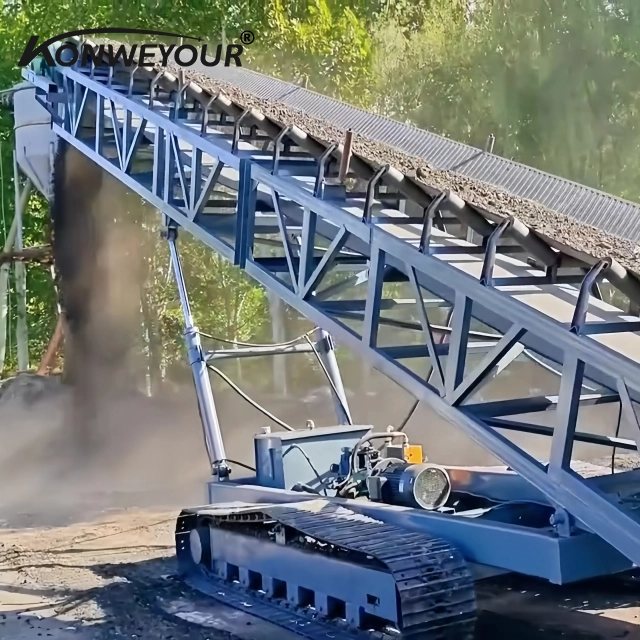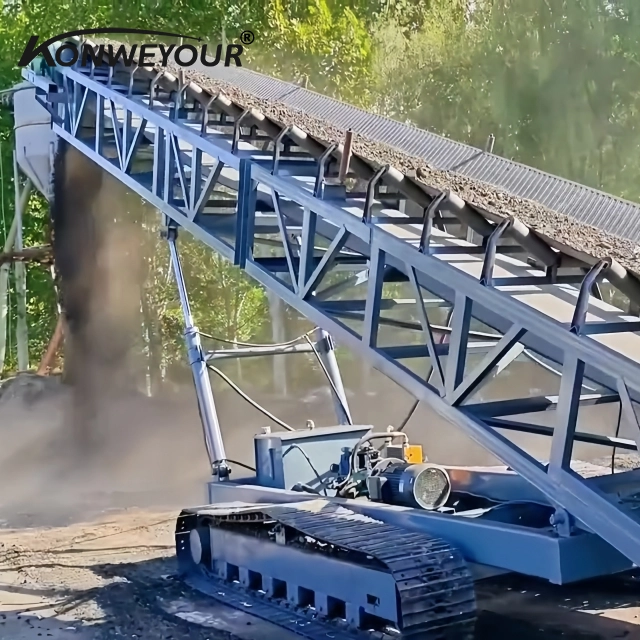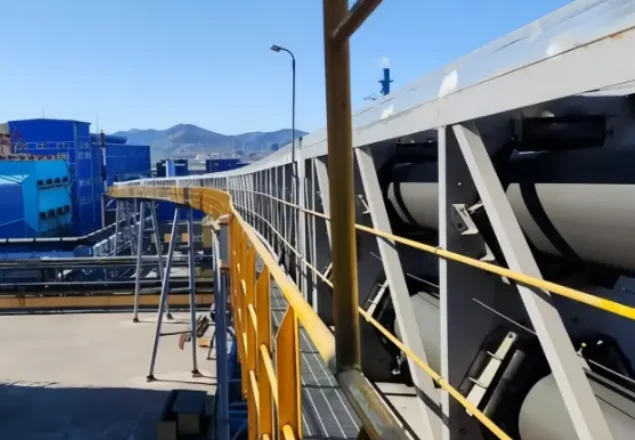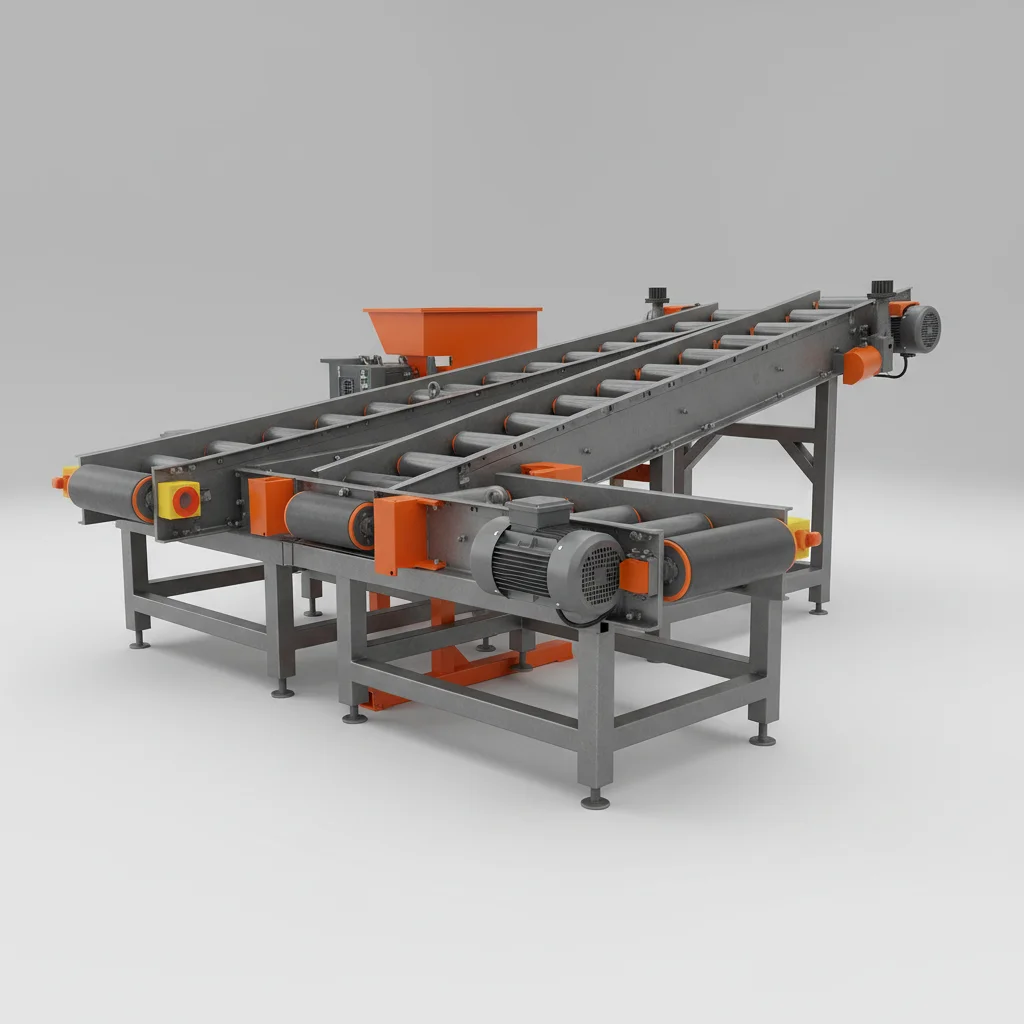
In the relentless pursuit of operational efficiency and safety within the global mining industry, the mine conveyorsystem stands as an unparalleled workhorse, moving colossal volumes of material with precision and speed.
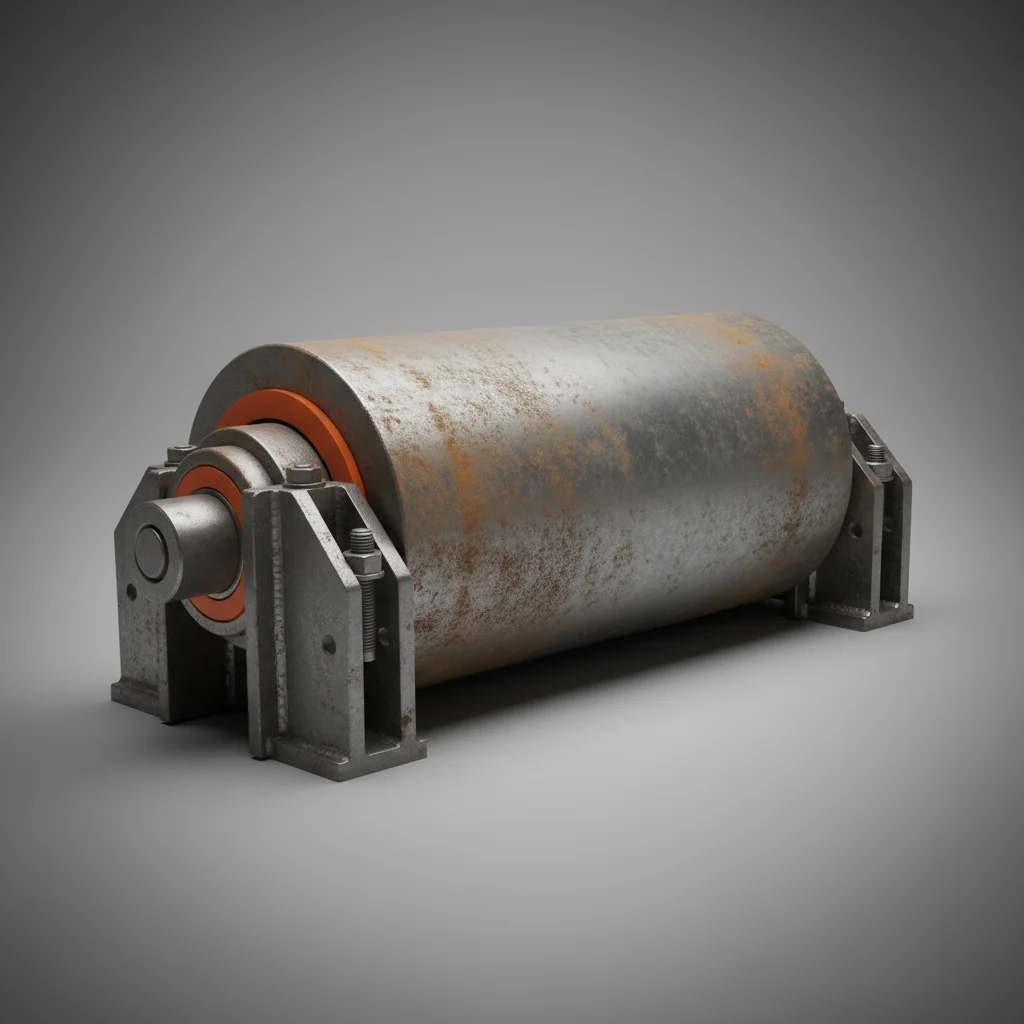
In the demanding world of mining operations, the efficiency and reliability of material handling systems are paramount. A crucial component of these systems is the mining conveyor roller. These rollers are fundamental to smooth, continuous material transport, and selecting the right type for your application is vital. This article will explore the various types, applications, maintenance, and benefits of mining conveyor rollers, providing a thorough understanding for professionals in the mining industry. Choosing the right rollers can significantly impact productivity and reduce downtime. Mining conveyor rollers aren't one-size-fits-all. They come in various types, each designed for specific roles within a conveyor system. Carry rollers support the load-bearing strand of the belt, while return rollers support the returning strand. Impact rollers are positioned at loading points to absorb the initial force of materials, protecting the belt and other rollers. Transition rollers help guide the belt around bends. Finally, training rollers are strategically placed to maintain belt alignment. Understanding these distinctions is critical when specifying rollers for your mining operation.
Honestly, the conveyor business…it’s not exactly glamorous. Lots of dust, grease, and the constant smell of steel. But it’s essential. Been running around construction sites all year, you see things. Lately, everyone’s talking about modularity. Plug-and-play, pre-fabricated sections…sounds good on paper, right? But have you noticed, it’s often over-engineered? They add all these fancy features that nobody actually uses. It just makes it heavier and harder to move. We’ve been slammed with requests for automation, naturally. Everyone wants a robot to do the lifting. But the real challenge isn’t the robots themselves, it's integrating them safely and reliably into existing workflows. And getting the operators trained. That’s the sticking point, every time. The guys who’ve been doing it by hand for twenty years aren’t exactly eager to learn a new system.
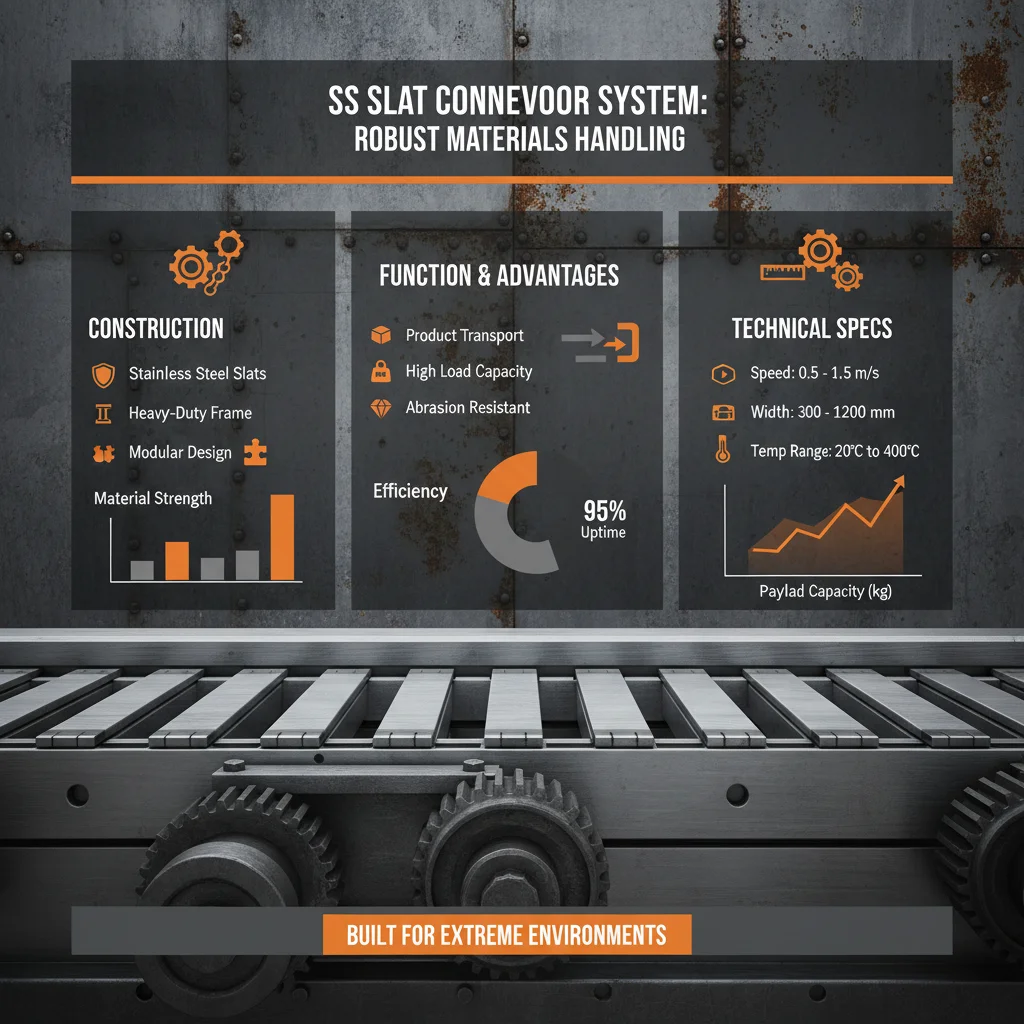
The ss slat conveyor represents a cornerstone of modern material handling, quietly enabling efficiency across a diverse range of industries. From agricultural processing and food production to manufacturing and logistics, these systems provide a reliable and cost-effective method for moving goods. Understanding the principles behind ss slat conveyor design, operation, and maintenance is crucial for optimizing processes and ensuring consistent output. The benefits extend beyond mere convenience, contributing to improved workplace safety, reduced labor costs, and enhanced overall productivity. Globally, the demand for efficient material handling solutions is soaring, driven by increasing production volumes and the complexities of modern supply chains. According to a report by Market Research Future, the global conveyor systems market is projected to reach USD 7.5 billion by 2028, registering a CAGR of 6.2% from 2022 to 2028. This growth underscores the critical role conveyors play in enabling global commerce. The ss slat conveyor, with its robust design and adaptability, is ideally positioned to meet this growing demand, offering a versatile solution for a wide spectrum of applications.
Conveyor material handling equipment plays a vital role in modern logistics and manufacturing, forming the backbone of efficient material flow across diverse industries. From simple belt conveyors to complex automated systems, this equipment streamlines operations, reduces labor costs, and enhances overall productivity. The global reliance on efficient supply chains makes understanding and optimizing conveyor systems crucial for businesses aiming to remain competitive in today’s fast-paced market. The significance of conveyor material handling equipment extends beyond mere industrial applications. It's instrumental in humanitarian efforts, such as disaster relief, where rapid deployment of supplies is critical. Furthermore, advancements in conveyor technology are directly impacting sustainability initiatives by optimizing energy consumption and minimizing waste. Efficient material handling reduces damage and improves resource utilization, contributing to a more environmentally responsible approach.