Honestly, the conveyor business…it’s not exactly glamorous. Lots of dust, grease, and the constant smell of steel. But it’s essential. Been running around construction sites all year, you see things. Lately, everyone’s talking about modularity. Plug-and-play, pre-fabricated sections…sounds good on paper, right? But have you noticed, it’s often over-engineered? They add all these fancy features that nobody actually uses. It just makes it heavier and harder to move.
We’ve been slammed with requests for automation, naturally. Everyone wants a robot to do the lifting. But the real challenge isn’t the robots themselves, it's integrating them safely and reliably into existing workflows. And getting the operators trained. That’s the sticking point, every time. The guys who’ve been doing it by hand for twenty years aren’t exactly eager to learn a new system.
The core of what we do, though, still comes down to good, solid engineering. And choosing the right materials. People think it’s just steel, but it’s not. We use a lot of high-tensile alloy, surprisingly. Feels… different. A little springy, less cold than regular steel. And the belt material? Forget PVC. It cracks after a year. We’re sticking with polyurethane, even though it’s pricier. Smells faintly of burnt rubber when you first get it, but it holds up. A good belt is the backbone of the whole system.
The Current State of Conveyor Systems
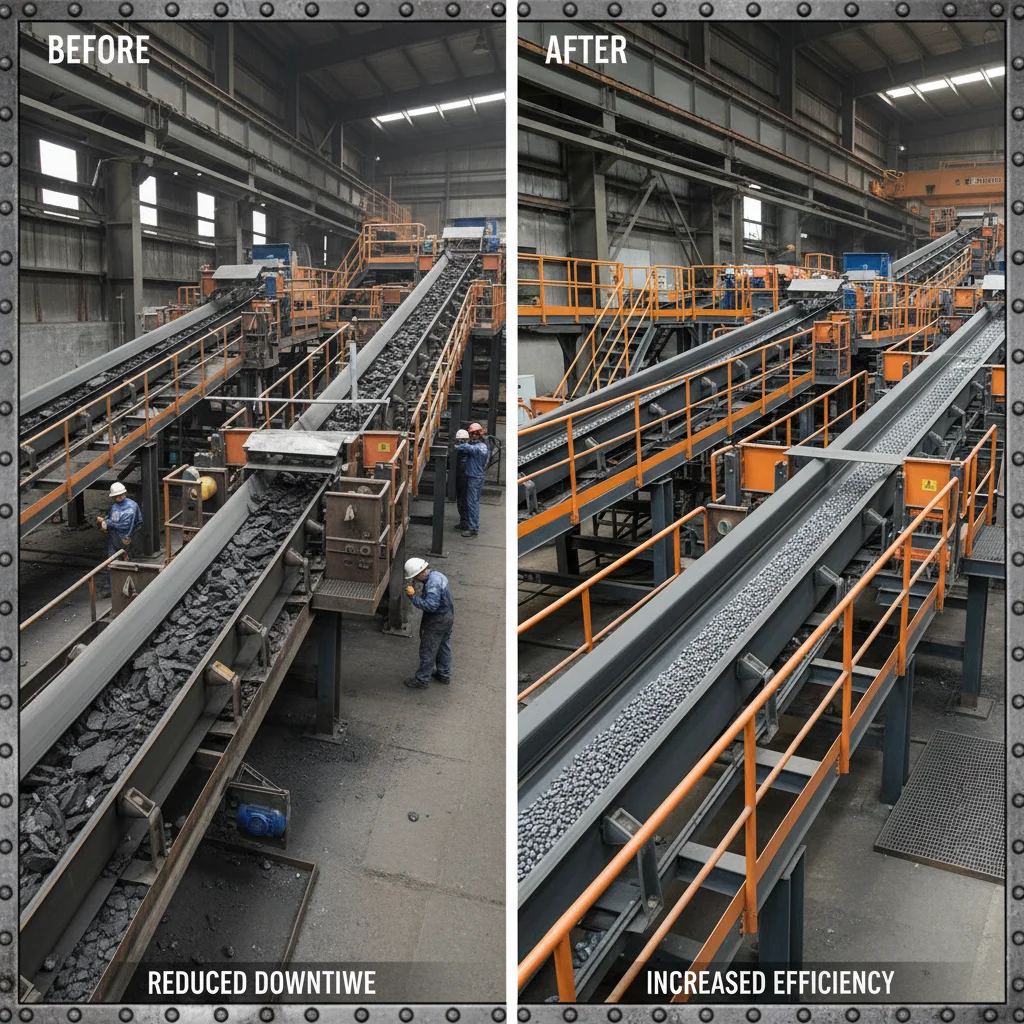
Strangely enough, the biggest trend isn’t necessarily fancy new tech. It’s just…reliability. Companies are tired of conveyors breaking down every other week. They want something that works, and keeps working. Seems obvious, right? But you’d be surprised. Everyone’s chasing the “next big thing,” but sometimes the best thing is just building something solid. And surprisingly, a lot of people are now looking for options with lower maintenance, even if it means sacrificing some speed. They can't afford the downtime.
The focus is shifting away from purely maximizing throughput and towards minimizing total cost of ownership. Makes sense, I guess.
Common Design Pitfalls in Conveyor Equipment
To be honest, I see the same mistakes over and over. Overcomplicating things. Trying to cram too much functionality into a single system. I encountered this at a food processing factory last time. They wanted a conveyor that could sort, weigh, and package everything automatically. It was a disaster. Too many moving parts, too many sensors… it was constantly jamming. They ended up going back to a simpler, manual system.
Another common one? Ignoring the environment. Putting a delicate conveyor in a dusty or corrosive environment? It’s going to fail. You need to choose materials and designs that can withstand the conditions. And proper guarding is critical. Too many safety interlocks and it slows everything down. Too few and… well, you don’t want to think about that.
And this is a big one: Not enough consideration for cleaning. Especially in food or pharma. They design these things like they’ll never get dirty. Which is… unrealistic. You need to be able to easily access and clean all the surfaces.
Material Selection and Handling Considerations
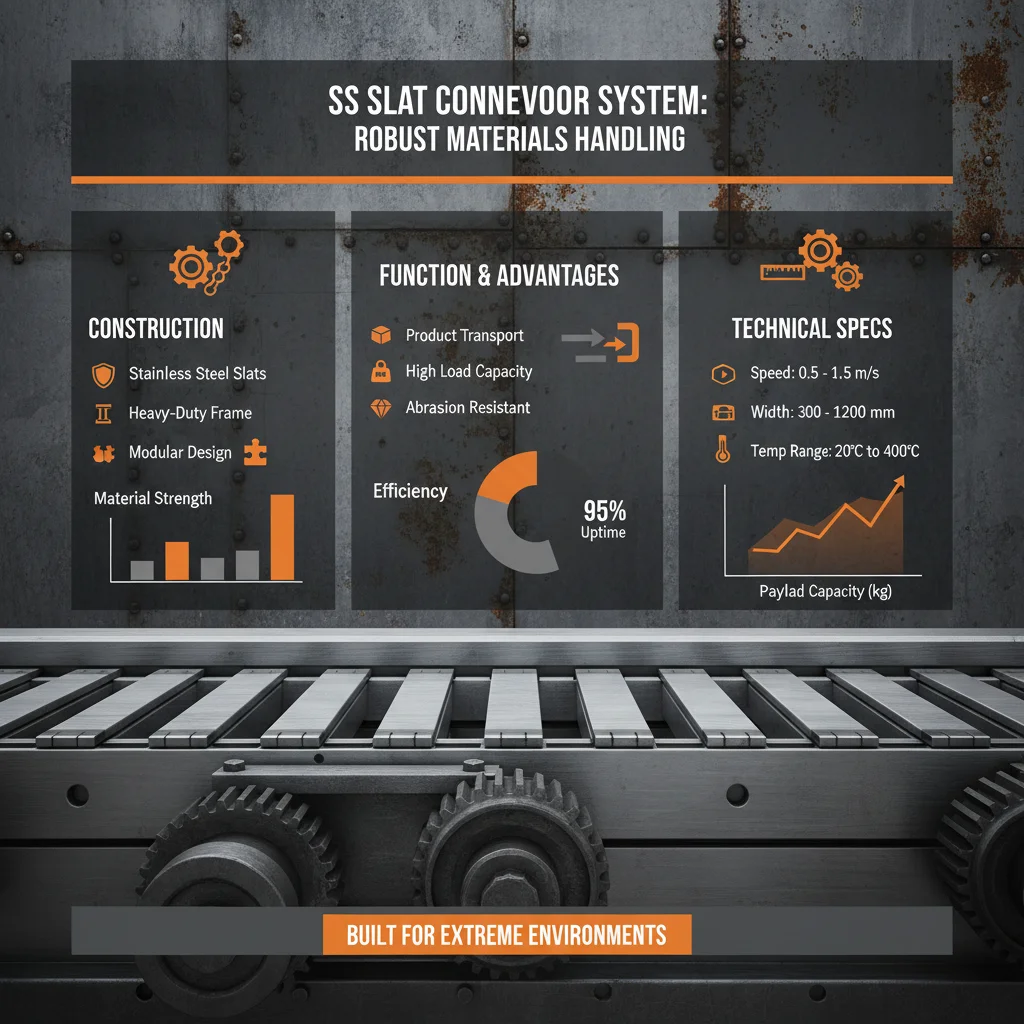
Anyway, I think material selection is where things get interesting. You’ve got your standard carbon steel, of course. Cheap, strong, but rusts easily. Stainless steel is good, but expensive. We’re seeing more use of aluminum alloys, especially for lightweight applications. It’s not as strong as steel, but it’s corrosion-resistant and easy to machine.
The belt material is crucial, as I said before. Polyurethane is our go-to. It’s durable, flexible, and can handle a wide range of temperatures. PVC is okay for light-duty applications, but it’s brittle and prone to cracking. And then there’s modular plastic belting. Good for certain applications, like food processing, but it can be noisy. And you’ve got to be careful with the fasteners. They can loosen over time. I once spent a whole afternoon chasing down a loose fastener on a potato chip conveyor. Not a fun day.
Handling these materials… well, it’s not delicate work. Steel needs to be protected from rust, of course. Polyurethane gets sticky if it gets wet. And aluminum alloys scratch easily. You gotta treat them with respect, but they can take a beating.
Real-World Testing and Performance Metrics
Look, lab tests are fine, but they don’t tell the whole story. You need to see how these things perform in the real world. We do a lot of on-site testing. I mean, really rough testing. We overload the conveyors, we run them in dusty environments, we even spray them with water to see how they hold up.
We track a few key metrics: Mean Time Between Failures (MTBF) is a big one. And of course, throughput. But we also look at things like vibration levels, noise levels, and energy consumption. And we get feedback from the operators. They’re the ones who really know how the system is performing.
Conveyor Equipment Company Performance Metrics
User Applications and Unexpected Uses
You'd think everyone just uses conveyors to move boxes, right? Wrong. I’ve seen them used for everything from moving fish (seriously!) to transporting luggage in airports to… transporting Christmas trees. The creativity is endless.
The food industry is a big one, obviously. But we’re also seeing more demand from the logistics sector. Warehouses need to move products quickly and efficiently. And with the rise of e-commerce, that demand is only going to increase.
Advantages, Disadvantages, and Customization Options
Advantages? Speed, efficiency, reduced labor costs. It’s pretty straightforward. Disadvantages? Initial cost, maintenance, potential for downtime. And they’re not always the best solution. Sometimes, a good old-fashioned forklift is all you need.
We do a lot of customization. A customer last month, a small boss in Shenzhen who makes smart home devices, insisted on changing the interface to . Said it was "more modern". It was a nightmare. All the sensors were designed for USB-A. Took us weeks to re-engineer everything. He wouldn’t budge, though. “It has to be ,” he said. “It’s the future.” Later… forget it, I won’t mention it.
A Case Study: Customization Challenges and Solutions
We had a client, a large beverage manufacturer, who needed a conveyor system that could handle both glass and plastic bottles. Sounds simple, right? Wrong. Glass bottles are heavy and fragile. Plastic bottles are lightweight and flexible. We needed a belt material that could handle both without damaging either.
We ended up using a modular plastic belt with a cushioned surface. It provided enough support for the glass bottles and enough flexibility for the plastic bottles. We also added adjustable guides to prevent the bottles from tipping over. It wasn’t cheap, but it solved the problem.
The key takeaway? Listen to your customers. Understand their specific needs. And don’t be afraid to get your hands dirty.
A summary table of critical customization parameters.
| Customization Parameter | Impact on Cost | Impact on Lead Time | Complexity Level |
|---|
| Belt Material Change | Moderate | Low | Low |
| Motor Power Upgrade | Low | Low | Low |
| Sensor Integration | Moderate | Moderate | Medium |
| Frame Size Modification | High | High | High |
| Interface hange (USB-A to USB-C) | Moderate | High | Medium |
| Full System Automation | Very High | Very High | High |
FAQS
Honestly, it's not thinking about the long term. They focus on the initial cost, and forget about maintenance, downtime, and potential upgrades. A cheap conveyor might save you money upfront, but it could cost you a fortune in the long run. You need to consider the total cost of ownership, not just the sticker price.
Critical. Absolutely critical. A little preventative maintenance can save you a lot of headaches down the road. Lubricating bearings, checking belt tension, inspecting sensors… it’s all important. And don’t ignore the small stuff. A loose bolt can lead to a major breakdown. We offer maintenance contracts, but even a simple checklist can make a big difference.
We’ve seen it all. Live lobsters, oddly-shaped machine parts, even… well, let’s just say some things are best left unsaid. Yes, we can customize. It might take some engineering ingenuity, and it will likely be more expensive, but we can usually find a solution. The key is to give us as much detail as possible about the product. Size, weight, shape, fragility… all of it.
It depends on the complexity of the project. A simple belt change might take a week. A full custom system could take several months. Right now, with supply chain issues, it’s even harder to predict. We try to be as transparent as possible about lead times, and we keep our customers updated throughout the process.
Make sure the floor is level. Seriously. That’s the biggest issue we run into. And make sure there’s enough space around the conveyor for maintenance and access. Also, consider power requirements and ventilation. And of course, safety. You need to have proper guarding in place to protect workers.
We’re not always the cheapest, to be honest. We focus on quality and reliability. You get what you pay for, as they say. We use premium materials and employ experienced engineers. We aim for value, not just the lowest price. And we stand behind our products.
Conclusion
Ultimately, conveyor systems are about moving things from point A to point B, efficiently and reliably. It's a deceptively simple concept, but the details matter. Choosing the right materials, designing a robust system, and providing regular maintenance are all crucial. And understanding your customers’ needs is paramount.
Whether it's a simple belt or a complex automated system, ultimately, whether this thing works or not, the worker will know the moment he tightens the screw. So, we strive to build conveyors that make that tightening a little easier, a little more secure, and a little more satisfying. Visit our website at jtconveyor.com to learn more.