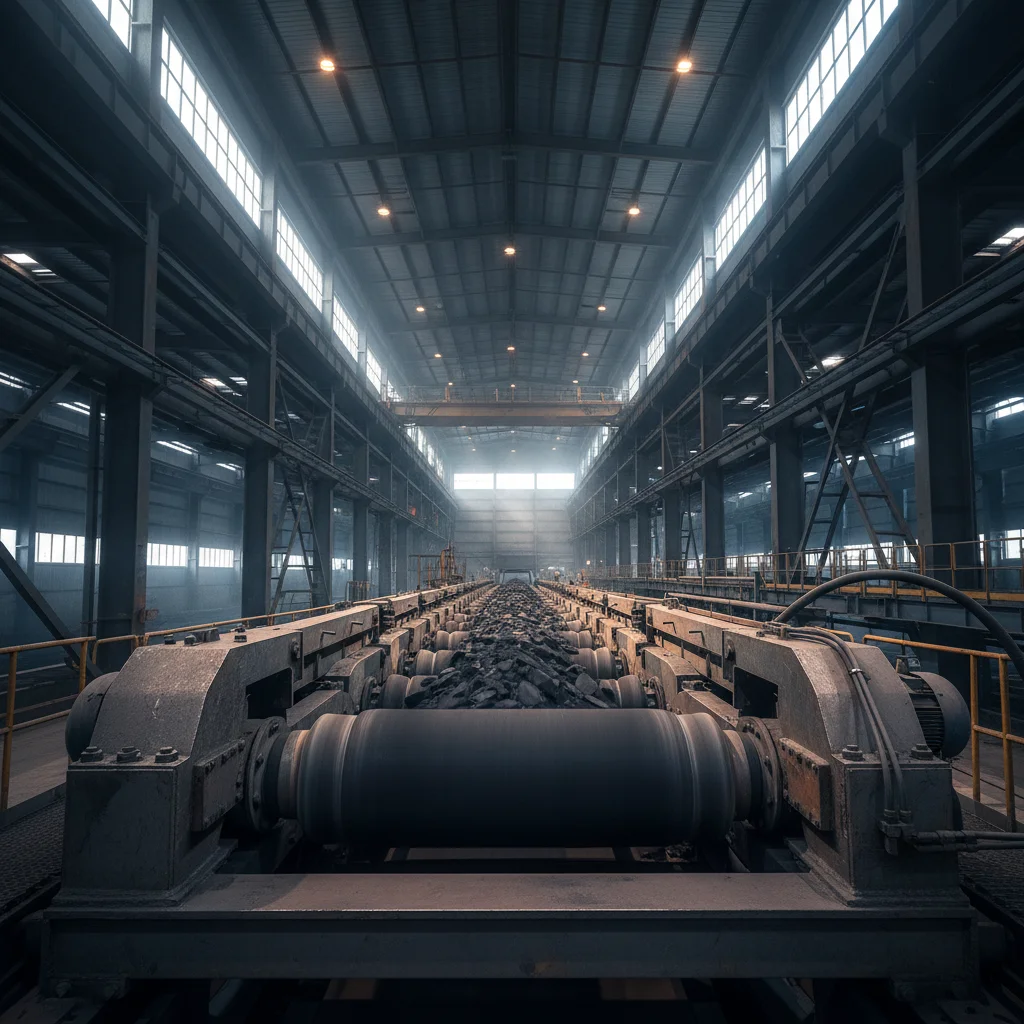
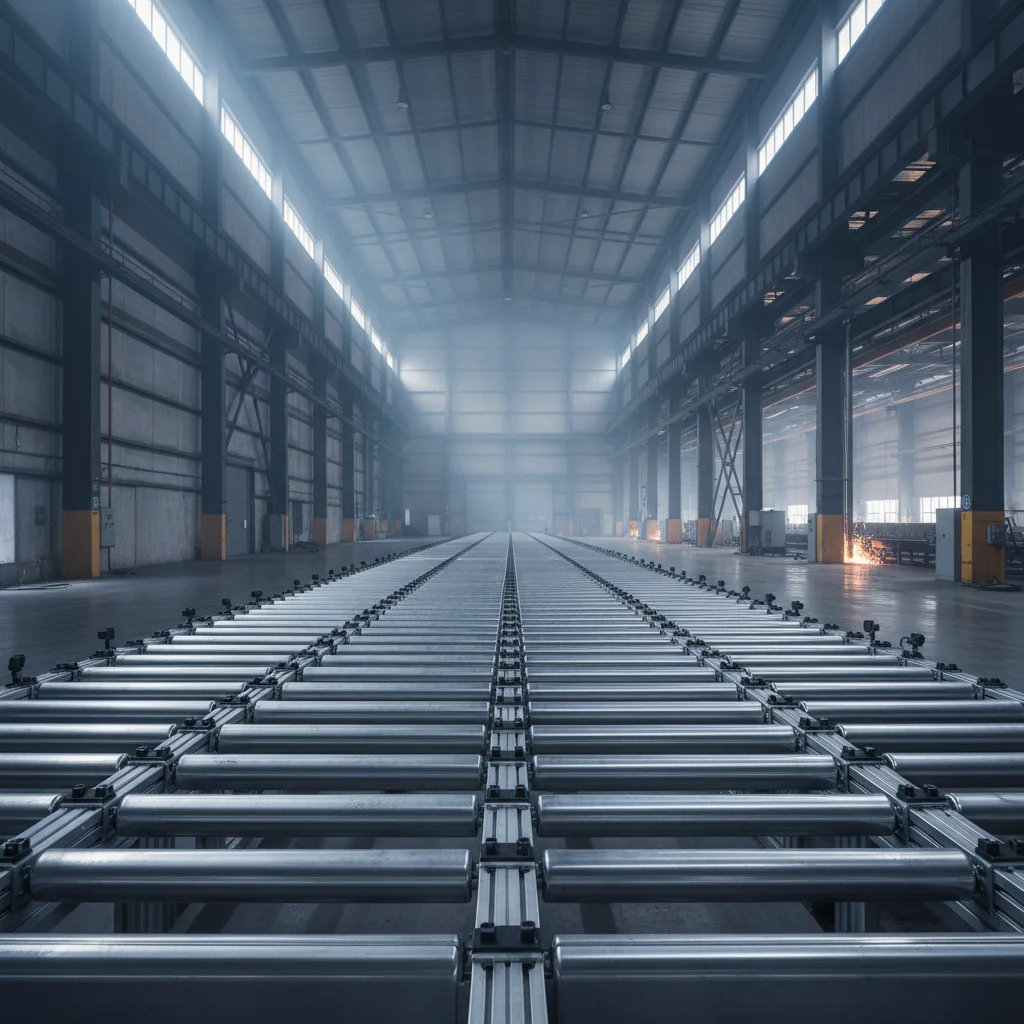
Understanding Conveyor Belt Parts: Their Role in Modern Industry
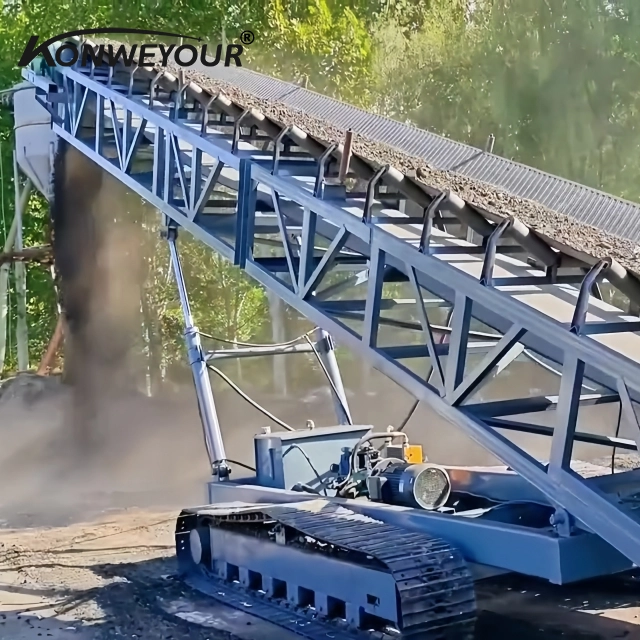
Conveyor belt parts might seem like just small components in the vast machinery of industry, but their importance is truly global. From moving raw materials in sprawling mines to sorting packages across distribution centers, conveyor belt parts form the backbone of automation and efficiency worldwide. Why this matters? Because the reliability and longevity of these parts directly influence everything from production costs to worker safety, impacting economies and supply chains across continents.
Introduction: Why Conveyor Belt Parts Matter Globally
If you pause and think about how goods reach us—from the food in grocery stores to the electronics on shelves—it’s often thanks to systems built around conveyor belts. According to the International Organization for Standardization (ISO), conveyor belt systems power a significant portion of industrial material handling worldwide. In fact, industries like mining, manufacturing, and logistics rely on them so heavily that any failure in conveyor belt parts can halt entire operations.
Oddly enough, despite this critical role, challenges such as wear, environmental extremes, and maintenance costs remain persistent issues. Addressing these challenges by understanding conveyor belt parts better is key to reducing downtime and improving global industrial productivity.
What Are Conveyor Belt Parts?
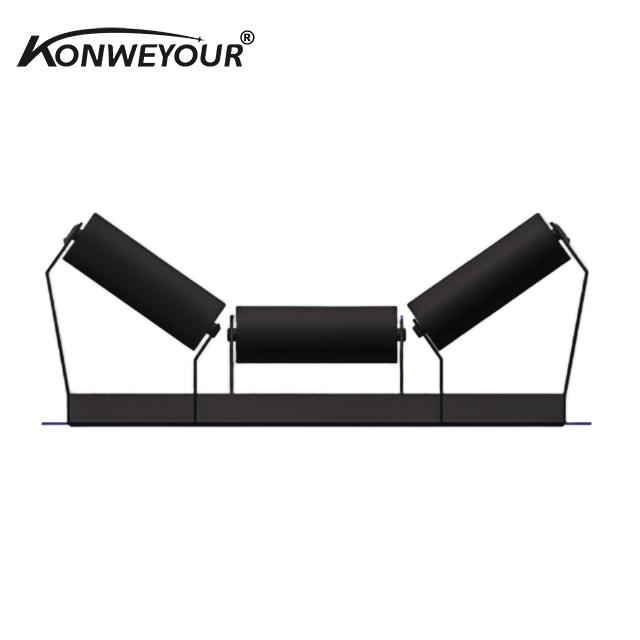
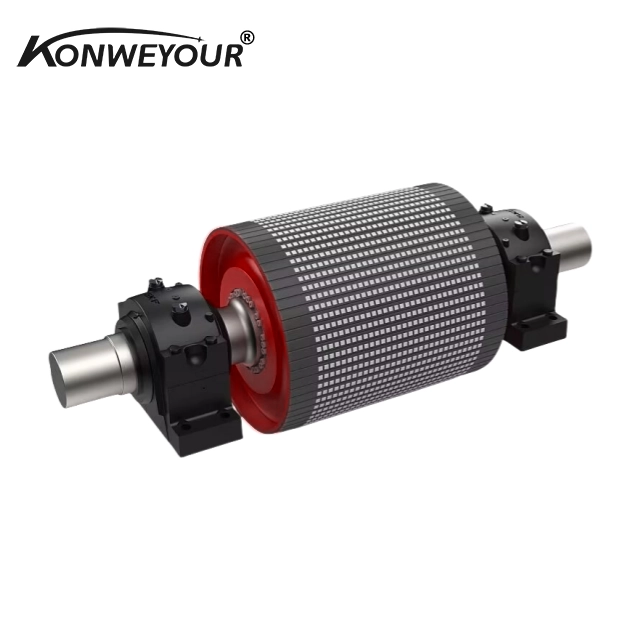
At its simplest, conveyor belt parts are the individual components that make a conveyor belt system work. This includes belts themselves, rollers, pulleys, idlers, and tensioners, among others. Think of them as the moving pieces that keep things running smoothly, literally. In an industrial context, they facilitate the continuous movement of materials, improving speed and reducing manual labor.
Importantly, conveyor belts and their parts often support humanitarian operations as well—like swiftly delivering aid in remote regions or disaster zones, emphasizing their versatility beyond just factories.
Core Components and What Makes Them Tick
Durability
Conveyor belt parts have to withstand harsh conditions—abrasive materials, heavy loads, and sometimes extreme weather. Durable materials like vulcanized rubber and steel alloys are often used, ensuring longevity and minimizing replacements.
Scalability
Systems vary hugely—from small packaging lines to massive mining conveyors. Conveyor parts must be adaptable to multiple sizes and capacities without losing performance.
Cost Efficiency
Maintaining operations without frequent downtime is crucial for keeping costs down. High-quality parts reduce repairs and energy consumption, benefiting operational budgets.
Maintenance Simplicity
Parts designed for easy replacement or routine maintenance save time and reduce the need for specialized labor on-site.
Environmental Resistance
From dust storms in deserts to freezing temperatures in arctic warehouses, conveyor parts must endure environmental conditions seamlessly.
Customization
Sometimes, conveyor belt parts are custom-designed for unique materials or operational requirements, enhancing efficiency in niche applications.
Spec Table: Typical Conveyor Belt Part Specifications
| Part |
Material |
Typical Lifespan |
Common Industry |
| Conveyor Belt |
Rubber, PVC, TPU |
3–7 years |
Manufacturing, Mining |
| Rollers |
Steel, Aluminum |
5–10 years |
Logistics, Food Processing |
| Pulleys |
Cast Iron, Stainless Steel |
7–12 years |
Mining, Packaging |
| Idlers |
Steel with Rubber |
6–10 years |
Material Handling |
Where Conveyor Belt Parts Shine: Real-World Applications
Globally, conveyor belt parts are integral to industries across the board:
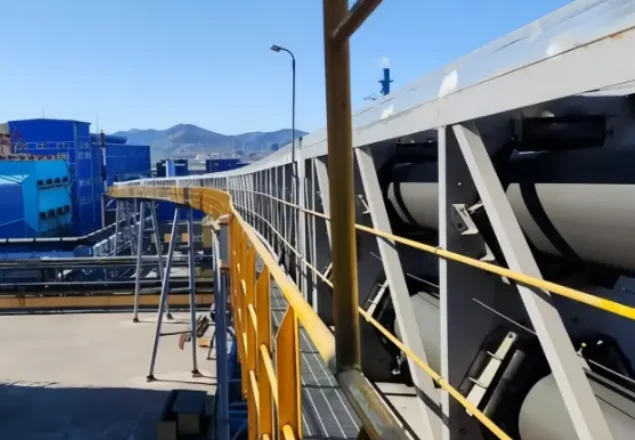
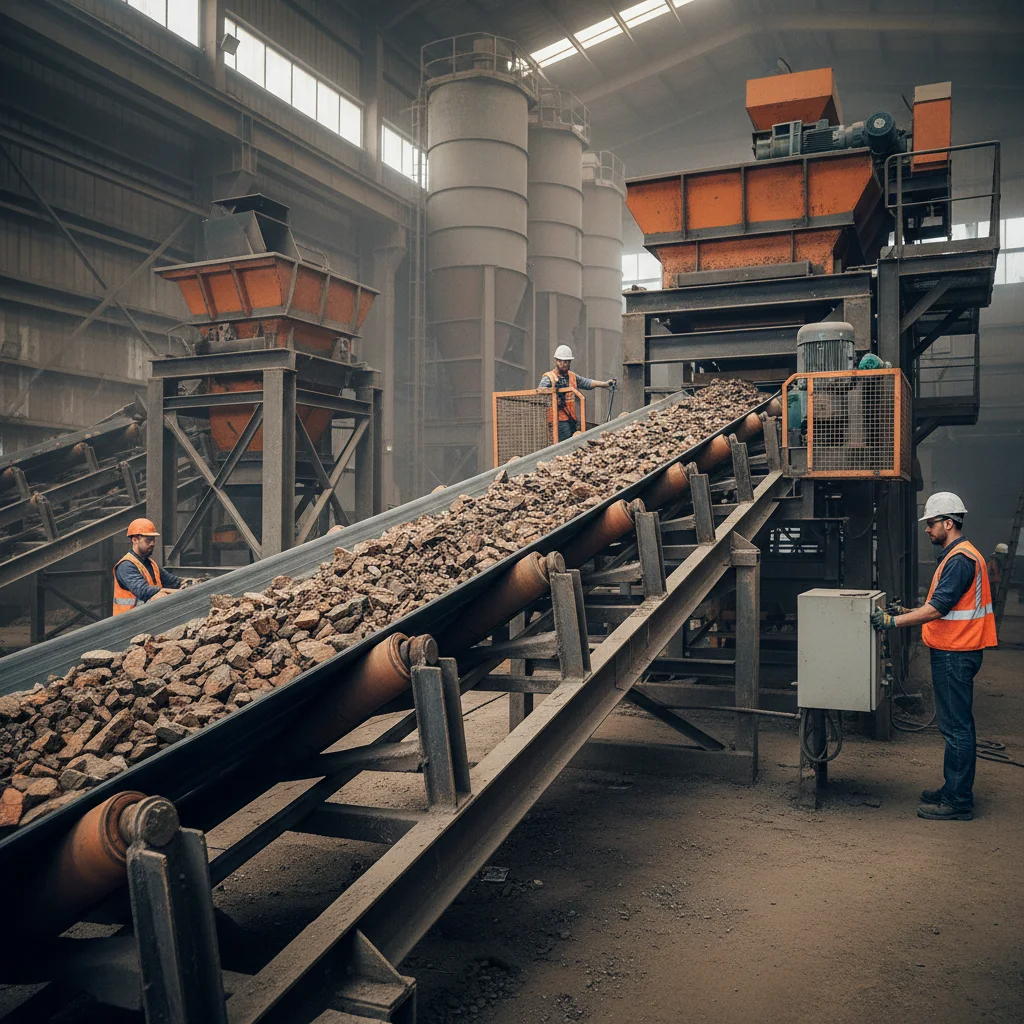
- Mining and Minerals: From Australia’s iron ore to South Africa’s platinum, conveyor systems transport vast amounts of materials daily.
- Food & Beverage: Conveyors help speed up the packing of everything from beverages to baked goods, ensuring hygiene and efficiency.
- Post-Disaster Relief: In humanitarian contexts, conveyor systems help quickly move supplies through distribution centers, particularly in remote or infrastructure-challenged areas.
- Logistics & E-commerce: With booming online shopping, conveyor belts are the unsung heroes behind rapid warehousing and parcel sorting.
Take the example of warehouses in Southeast Asia: many have innovated conveyor systems with durable conveyor belt parts designed to handle tropical humidity and dust, enabling consistent operations year-round.
Advantages & Long-Term Value of Conveyor Belt Parts
Frankly, the benefits go well beyond mere movement of goods:
- Cost Savings: Reduced manual labor and downtime mean lower expenses.
- Sustainability: Modern belts often use eco-friendly materials, reducing environmental footprints.
- Safety: Automating material handling keeps workers away from repetitive or hazardous tasks.
- Trust & Reliability: High-quality parts foster confidence in supply chains, something especially critical for food or medical materials.
The emotional angle isn’t lost either—a smooth conveyor line feels like the pulse of an industrious system. It’s the rhythm that keeps factories humming and communities fed.
Future Trends & Innovations
Looking ahead, several exciting advances are shaping conveyor belt parts:
- Smart Materials: Self-healing belts and sensors that predict wear before failure improve uptime.
- Automation & AI: Integration with AI-driven monitoring systems allows predictive maintenance, reducing surprise breakdowns.
- Green Energy: Energy-efficient motors and recyclable belt materials align industry with sustainability goals.
- Customization via 3D Printing: Custom parts made faster reduce lead times for exotic applications.
Challenges & Practical Solutions
Conveyor systems aren’t flawless, and conveyor belt parts sometimes fall short. Issues like belt misalignment, abrasion wear, and dust invasion are common. Luckily, many vendors now offer modular parts enabling quick swaps, and innovative sealing technologies minimize dust damage.
Regular maintenance schedules paired with condition monitoring sensors help spot emerging issues early. It’s a combination of smart tech and old-fashioned vigilance.
Vendor Comparison Table: Key Conveyor Belt Parts Suppliers
| Vendor |
Product Range |
Customization |
Global Presence |
Lead Time |
| JTC Conveyor |
Comprehensive (belts, rollers, pulleys) |
High |
Asia, Americas, Europe |
2–4 weeks |
| BeltTech Inc. |
Specializes in modular belts |
Medium |
North America, Europe |
3–6 weeks |
| Global Conveyors Ltd. |
Heavy-duty and mining focus |
Low |
Global |
4–8 weeks |
FAQ: Common Questions About Conveyor Belt Parts
What are the most wear-prone conveyor belt parts?
Typically, the belts themselves and rollers face the most wear due to constant friction and load. Choosing durable materials and scheduling regular inspections can prolong their lifespan.
How often should conveyor belt parts be inspected?
Inspection frequency depends on usage, but generally, visual checks monthly and detailed inspections quarterly are standard in many industries.
Can conveyor belt parts be customized for unique applications?
Absolutely. Many suppliers offer tailor-made parts to fit specific material types, speeds, or environmental conditions, which can improve efficiency significantly.
Is it possible to retrofit older conveyor systems with modern parts?
Yes. Retrofitting can extend system life and improve performance, often incorporating smart sensors or newer belt materials without full system replacement.
Where can I buy quality conveyor belt parts?
Reliable suppliers like JTC Conveyor provide a wide range of quality parts worldwide with varying customization options.
Conclusion: The Long-Term Value of Investing in Quality Conveyor Belt Parts
In the grand scheme, the humble conveyor belt part is a small but critical player in keeping industries moving forward. Investing in well-designed, durable, and modern parts isn’t just a matter of maintenance—it’s about building trust, efficiency, and sustainability into the global supply chain. If you’re interested in upgrading your operational efficiency or just curious about the nuts and bolts behind industrial automation, I suggest visiting our website to explore available conveyor solutions and expert advice tailored to your needs.
Oddly enough, it’s these seemingly small components that underpin some of the biggest economic engines around. Knowing your conveyor belt parts means knowing how the world moves — literally.
Mini Takeaways:
- Conveyor belt parts are essential for efficient, safe, and sustainable industrial operations worldwide.
- The key factors such as durability and customization determine their usefulness in specific applications.
- Future innovations like smart sensors will make conveyor systems more reliable and eco-friendly.
References:
1. International Organization for Standardization (ISO) – Conveyor Belt Standards
2. United Nations Industrial Development Organization (UNIDO) Reports
3. Wikipedia: Conveyor Belt Transport