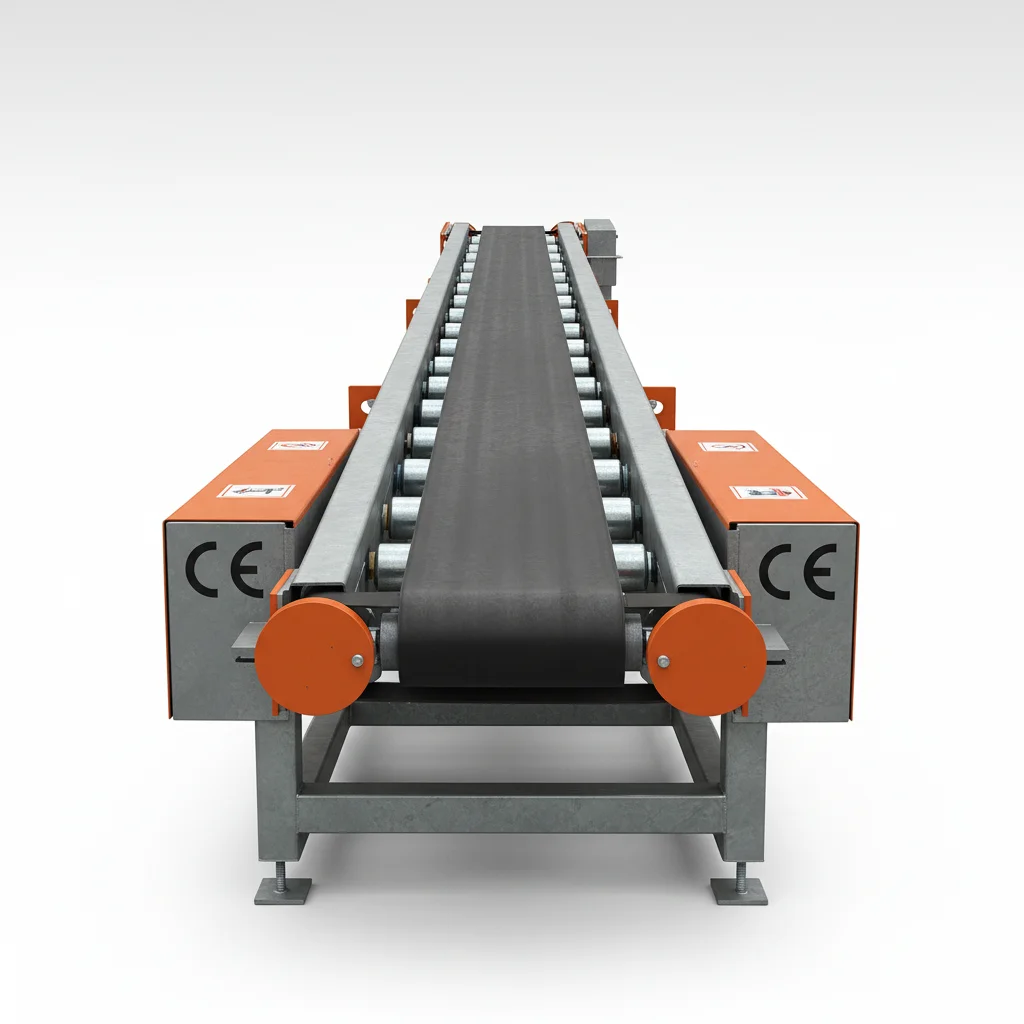
Selecting the right types of conveyor system is a fundamental decision that dictates the operational efficiency, throughput, and safety of any modern industrial facility. From the massive scale of mining operations to the precision of pharmaceutical packaging, these systems act as the circulatory system of production, ensuring that materials move seamlessly from one stage to the next without bottlenecking.
In today's competitive landscape, understanding the diverse types of conveyor system is no longer just a technical requirement for engineers but a strategic advantage for business owners. By optimizing the method of transport—whether through tubular, corrugated sidewall, or overland systems—companies can drastically reduce labor costs, minimize product damage, and increase their overall energy efficiency.
Whether you are dealing with bulk aggregates, fragile electronics, or hazardous chemicals, the variety of available types of conveyor system allows for tailored solutions that address specific environmental challenges. This guide provides a comprehensive deep dive into the mechanisms, applications, and future trends of conveyor technology to help you make an informed procurement decision.
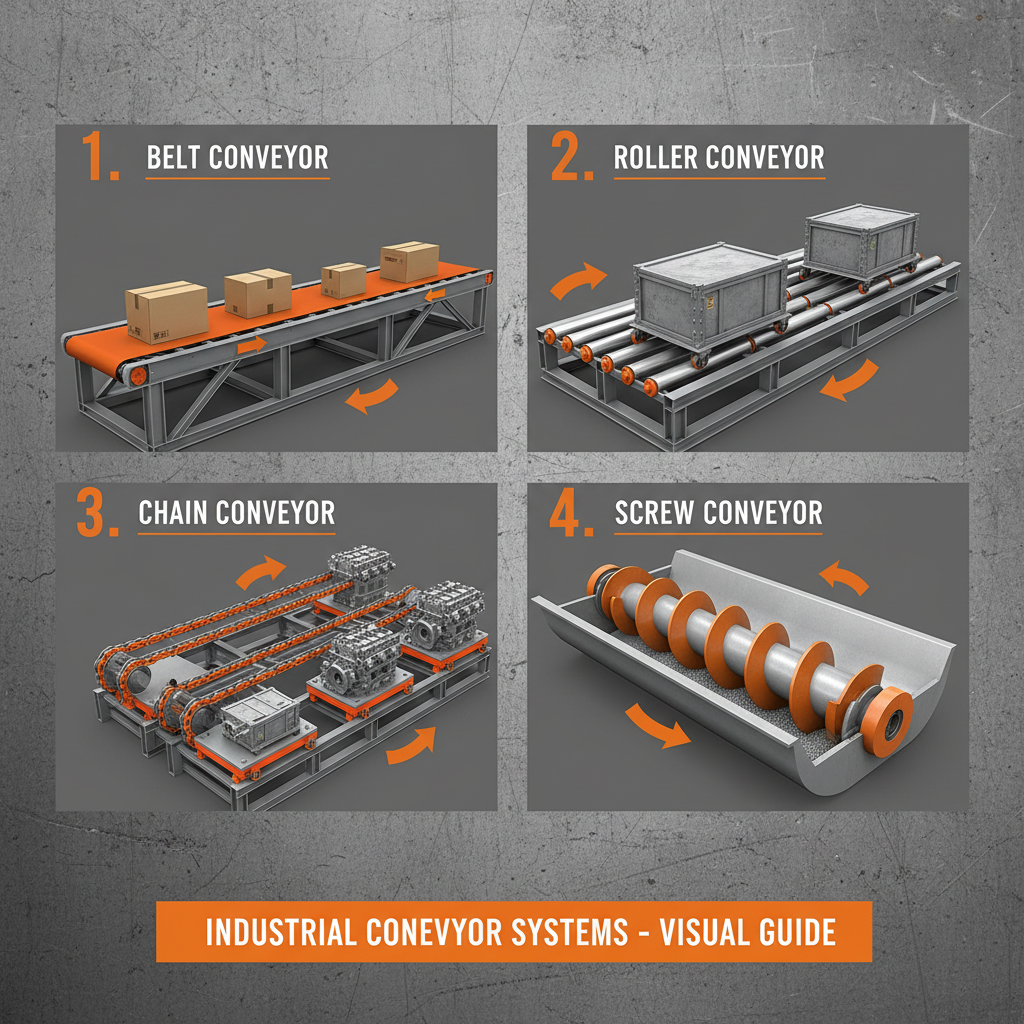
Global Relevance of Conveyor System Integration
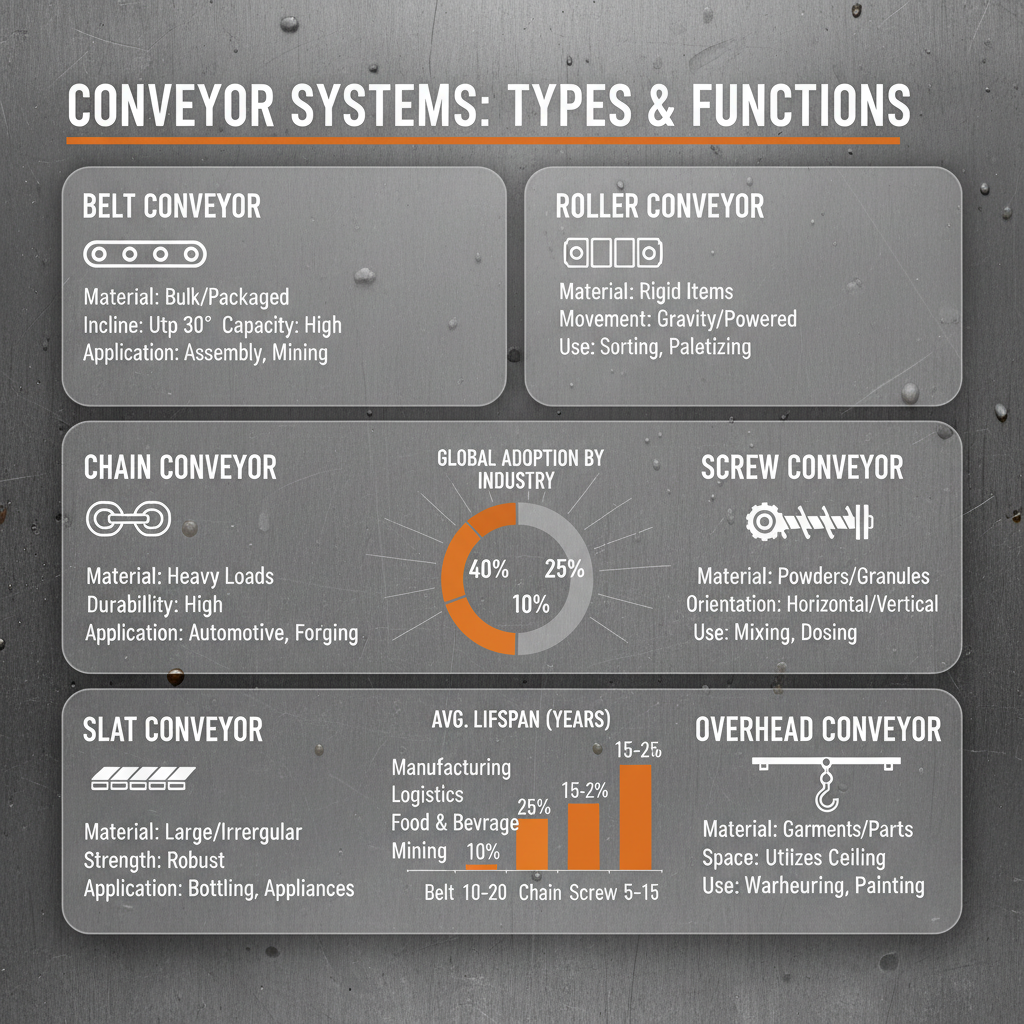
On a global scale, the implementation of various types of conveyor system is pivotal to the stability of international supply chains. According to industrial logistics benchmarks, the transition from manual material handling to automated conveyor systems can increase throughput by up to 40% in heavy manufacturing sectors. This shift is particularly evident in emerging economies where the rapid expansion of infrastructure requires the efficient movement of bulk materials over vast distances.
The challenge lies in the diverse environmental conditions—from the humid tropics to the freezing tundra—which necessitate specialized engineering. Whether it is an Overland Belt Conveyor for mining in Australia or a Tubular Belt Conveyor for protecting sensitive materials in European chemical plants, the ability to match the system to the environment is what separates high-performing operations from those plagued by constant downtime and maintenance costs.
Defining the Mechanics of Conveyor Systems
At its core, types of conveyor system refer to the mechanical apparatus used to transport materials or goods from one point to another via a powered belt, chain, or rollers. While the basic concept is simple—movement from point A to point B—the engineering behind it is complex. It involves the precise calculation of tension, friction, load capacity, and belt speed to ensure the material reaches its destination without spilling or degradation.
In the context of modern industry, these systems are the backbone of "continuous flow" production. Unlike batch processing, where items are moved in groups, a continuous conveyor system allows for a steady stream of material. This is essential for industries like cement production or grain handling, where the volume of material is too immense for any other method of transport to be economically viable.
Beyond mere movement, these systems now integrate humanitarian and safety needs. For instance, ergonomic conveyor designs reduce the physical strain on workers, preventing musculoskeletal injuries in warehouses. By automating the "heavy lifting," companies not only improve efficiency but also uphold higher standards of workplace dignity and safety.
Core Components Driving System Performance
The efficiency of different types of conveyor system depends heavily on the quality of their core components. The Conveyor Belt is the most visible element, but its performance is dictated by the belt's material—whether it be rubber, PVC, or steel-cord—which must be chosen based on the abrasiveness and temperature of the carried load.
Equally critical are the Conveyor Pulleys and Conveyor Rollers. Pulleys provide the driving force and tensioning, while rollers support the belt and reduce friction. Without high-precision rollers and robust pulleys, even the most expensive belt will suffer from premature wear, slippage, and misalignment, leading to costly unplanned outages.
To maintain these systems, components like Belt Cleaners and Impact Beds are indispensable. Impact beds protect the belt from damage at loading points where heavy materials drop, while belt cleaners prevent "carry-back," the accumulation of residue that can foul the rollers and create safety hazards. Integrating these components transforms a basic belt into a high-performance types of conveyor system.
Industrial Applications and Global Use Cases
The versatility of types of conveyor system allows them to be deployed in the most challenging environments on earth. In the mining sectors of South America and Africa, Overland Belt Conveyors are used to transport ore over several kilometers, bypassing the need for expensive haul roads and reducing the carbon footprint associated with diesel trucks.
In urban logistics hubs, Mobile Belt Conveyors and Corrugated Sidewall Conveyors provide the flexibility needed for high-density warehouses. These systems allow for vertical transport and rapid reconfiguration, enabling e-commerce giants to process thousands of parcels per hour with minimal human intervention.
Performance Efficiency Across Different Types of Conveyor System
Long-term Value and Operational Advantages
Investing in the correct types of conveyor system yields tangible long-term financial benefits. Beyond the initial reduction in labor costs, a well-engineered system reduces product wastage. For example, using a Tubular Belt Conveyor for fine powders prevents wind-blown losses and environmental contamination, which directly improves the bottom line and ensures regulatory compliance.
Furthermore, the reliability of these systems builds institutional trust. When a conveyor system operates with 99% uptime, it allows for precise production scheduling and predictable delivery timelines. This reliability fosters stronger relationships with B2B partners and end consumers, as it guarantees that supply chains remain uninterrupted regardless of external pressures.
Future Trends in Conveyor Automation
The evolution of types of conveyor system is currently being driven by the "Industry 4.0" revolution. We are seeing the integration of IoT (Internet of Things) sensors into conveyor rollers and pulleys, allowing for predictive maintenance. Instead of scheduled stops, AI algorithms can now predict when a bearing is likely to fail, allowing technicians to replace it during a planned break.
Sustainability is another major driver. New "green" conveyor systems are utilizing regenerative braking—where the energy generated by a downhill conveyor is captured and fed back into the plant's power grid. This not only reduces energy costs but also aligns industrial operations with global ESG (Environmental, Social, and Governance) targets.
Additionally, we are witnessing the rise of modularity. Future types of conveyor system are being designed as "plug-and-play" modules. This allows factories to expand or pivot their production lines in a matter of days rather than months, providing the agility needed to respond to rapidly changing market demands.
Common Challenges and Expert Solutions
Despite their advantages, various types of conveyor system face recurring challenges, most notably belt misalignment and material buildup. Misalignment can lead to edge fraying and catastrophic belt failure. The expert solution involves the installation of automatic self-aligning idlers and laser-tracking systems that correct the belt's path in real-time.
Material carry-back is another persistent issue, especially in wet or sticky applications. While basic scrapers often fail, the implementation of multi-stage belt cleaning systems—combining primary and secondary cleaners—can eliminate up to 99% of residue, extending the life of the belt and reducing manual cleaning labor.
Finally, energy inefficiency in long-distance systems remains a concern. By optimizing the belt tension and utilizing high-efficiency VFD (Variable Frequency Drive) motors, operators can significantly reduce the electrical load. Choosing the right types of conveyor system from the design phase is the only way to truly mitigate these operational risks.
Comparative Analysis of Conveyor System Types and Performance
|
System Type
|
Ideal Material
|
Durability Score (1-10)
|
Maintenance Level
|
| Overland Belt |
Bulk Ore/Coal |
9 |
Moderate |
| Tubular Belt |
Fine Powders |
8 |
High |
| Corrugated Sidewall |
Grains/Pellets |
7 |
Moderate |
| Mobile Conveyor |
Mixed Packages |
6 |
Low |
| Underground Belt |
Mining Rubble |
10 |
High |
| Impact Bed System |
Heavy Aggregates |
9 |
Low |
FAQS
Choosing the right system requires analyzing three main factors: the nature of the material (weight, abrasiveness, temperature), the distance of transport, and the available space. For example, if you need to move materials vertically in a tight space, a corrugated sidewall conveyor is ideal. For long-distance bulk movement, an overland belt system is the most efficient choice. Consulting a technical expert to perform a load-capacity analysis is highly recommended.
The lifespan varies wildly based on the environment. In standard warehouse conditions, a high-quality PVC belt can last 5-10 years. In heavy-duty mining environments, steel-cord belts are designed for extreme durability but may require replacement every 3-7 years depending on the abrasiveness of the material. Regular use of belt cleaners and impact beds can extend this lifespan by up to 30%.
Yes, significantly. Because tubular conveyors enclose the material completely, they eliminate dust emissions and prevent wind from blowing away lightweight materials. This makes them the gold standard for transporting hazardous chemicals, fine minerals, or food-grade powders where contamination must be zero and environmental regulations are strictly enforced.
Energy reduction starts with reducing friction. Ensure that your conveyor rollers are high-efficiency and properly aligned. Installing Variable Frequency Drives (VFDs) allows you to adjust the belt speed to match the actual load, preventing the motor from running at full power when the belt is partially empty. Additionally, upgrading to low-rolling-resistance rubber belts can lower energy costs by 10-15%.
Impact beds are installed at loading zones where material falls from a height onto the belt. Instead of the belt sagging between rollers—which creates stress points and leads to punctures—the impact bed provides a solid, cushioned support. This protects the belt carcass from impact damage and prevents material from leaking underneath the belt, which reduces cleanup time and maintenance.
Absolutely. Most modern conveyor systems are designed to be compatible with PLC (Programmable Logic Controller) systems. By adding sensors, RFID readers, and pneumatic diverters, you can transform a simple transport belt into a smart sorting system. This allows for automated routing of products based on size, weight, or destination, vastly increasing the efficiency of logistics operations.
Conclusion
Navigating the various types of conveyor system is essential for any organization aiming to optimize its material handling process. From the selection of high-performance components like pulleys and rollers to the deployment of specialized systems like tubular or overland conveyors, every decision impacts the long-term reliability and cost-effectiveness of the operation. By focusing on durability, scalability, and the integration of smart technologies, businesses can ensure a seamless flow of materials that supports sustainable growth.
Looking ahead, the fusion of AI-driven predictive maintenance and green energy recovery will redefine the industry, making conveyor systems more autonomous and eco-friendly than ever before. We encourage plant managers and engineers to conduct a thorough audit of their current transport mechanisms to identify bottlenecks and upgrade to more modern, efficient systems. To explore our full range of professional conveyor solutions and components, visit our website: www.jtconveyor.com.