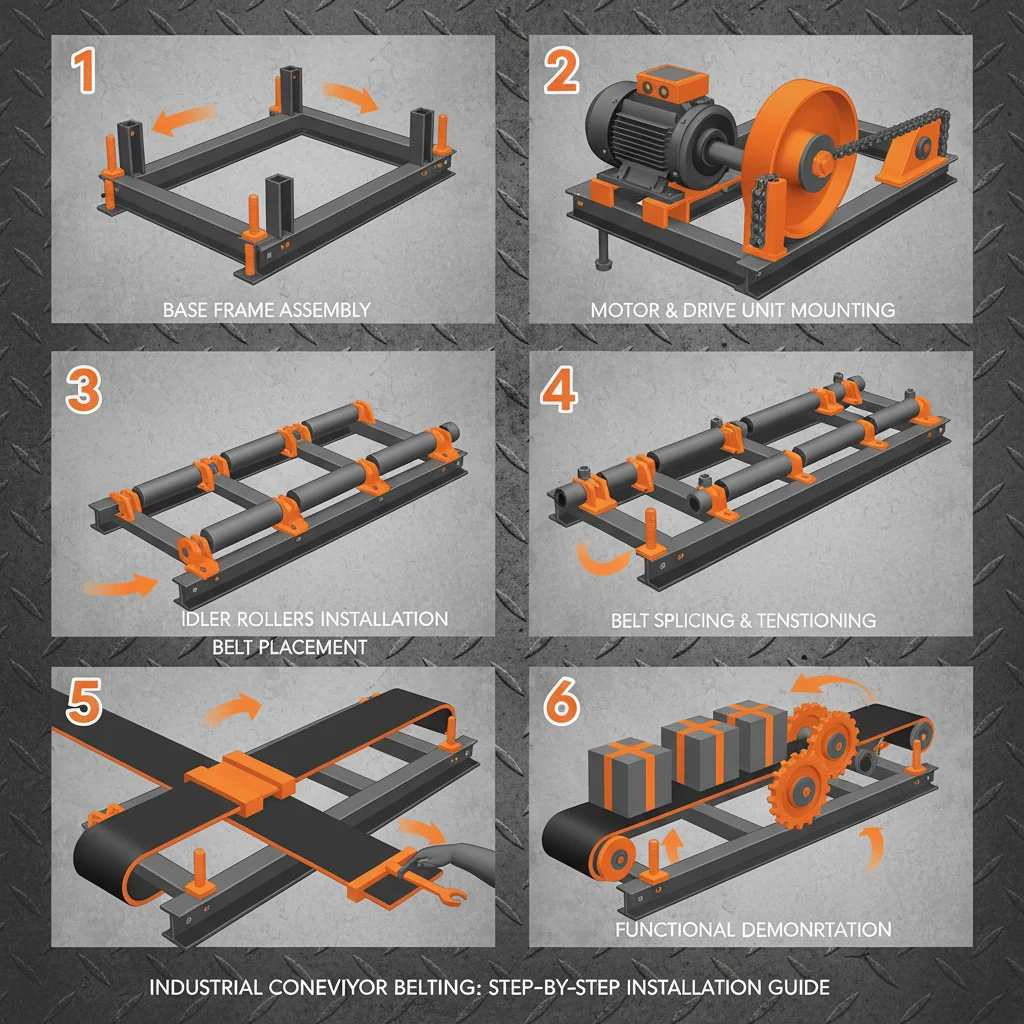
Understanding Conveyor System Parts: The Backbone of Modern Material Handling
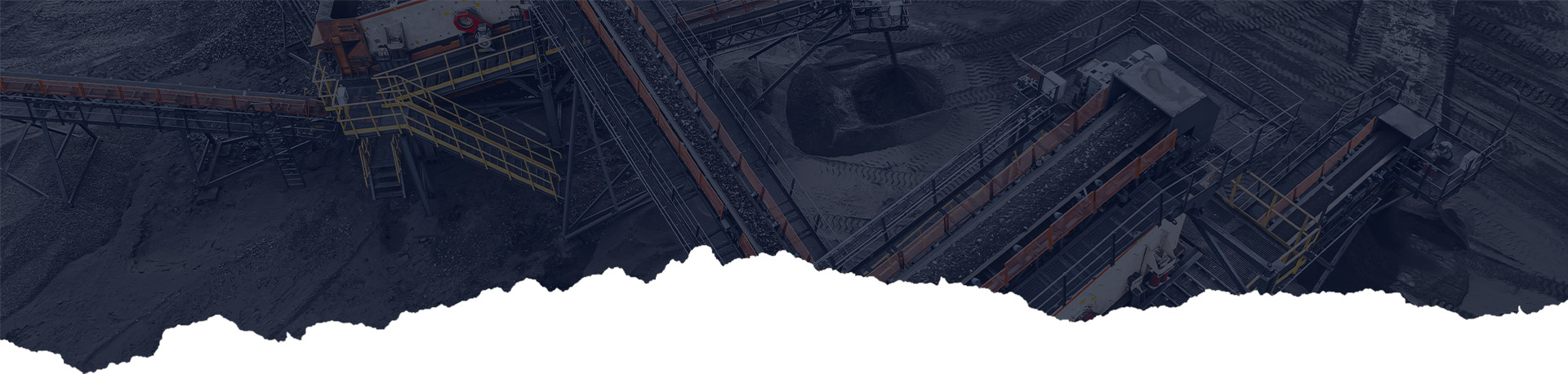
Conveyor system parts may sound like just another industrial jargon, but these components are the unsung heroes behind the smooth operation of manufacturing plants, warehouses, and even humanitarian logistics. Globally, as industries scale and supply chains grow more complex, knowing these parts—and their roles—matters quite a bit. They boost efficiency, cut costs, and enable handling heavy or delicate goods in a way humans simply can’t do manually or safely.
So, why care about conveyor system parts? Well, from mining minerals in remote places to assembling electronics in sprawling factories, these parts keep goods moving. Understanding them means better-maintained systems, longer equipment life, and smoother logistics. Frankly, it’s a small knowledge scoop that translates to big operational wins.
Global Relevance of Conveyor System Parts in Industry
Globally, material handling accounts for a massive slice of industrial output — according to ISO standards on industrial conveyors, efficiency in this area can cut downtime by up to 30%. The World Bank notes supply chain optimization as key to reducing costs in manufacturing hubs from Asia to Europe. Oddly enough, despite new tech buzzwords, physical conveyor parts remain essential in these digitalized systems.
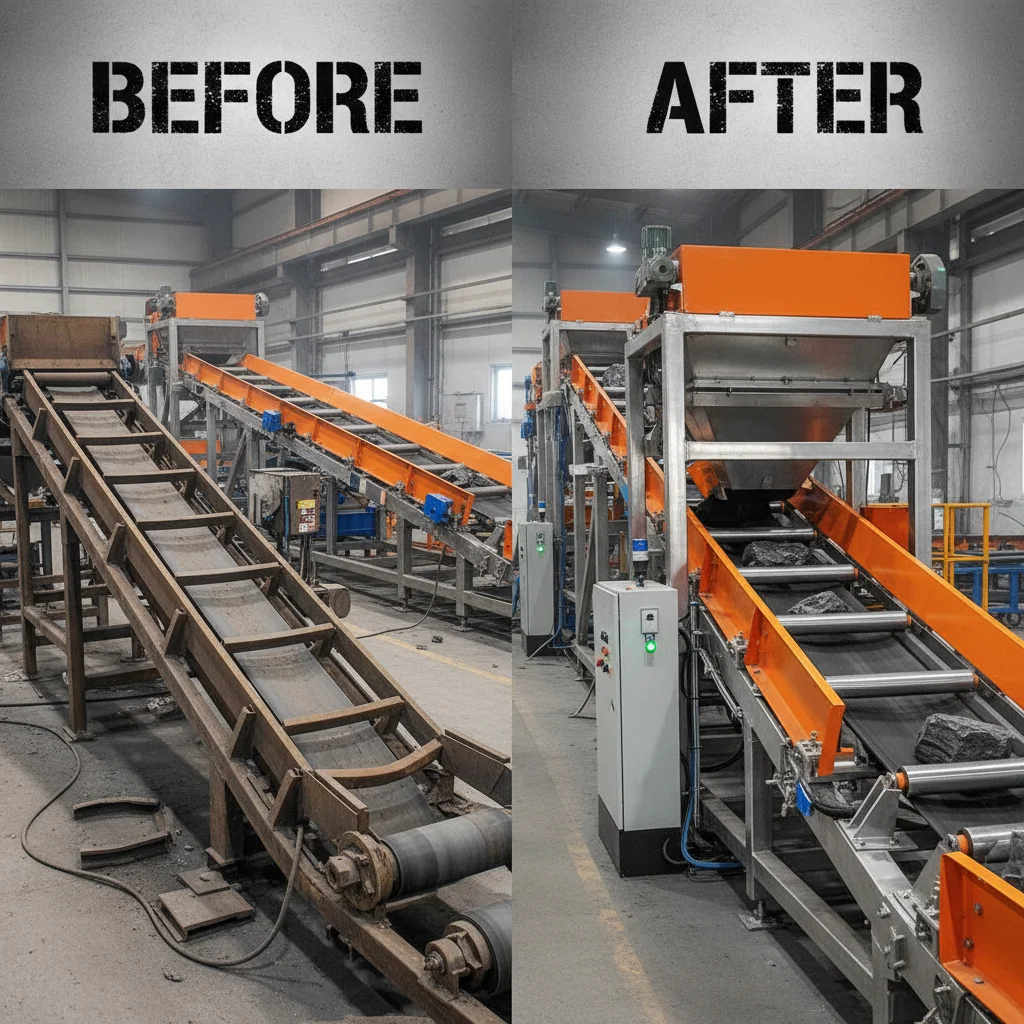
The real challenge? Congested supply lines and increasing demand for faster turnaround times are driving more industries to rethink conveyor system designs and maintenance practices. If any weak part slows the whole logistics chain, costs multiply. That’s why understanding the components—down to the nuts and bolts—can help troubleshoot or innovate better solutions.
What Are Conveyor System Parts?
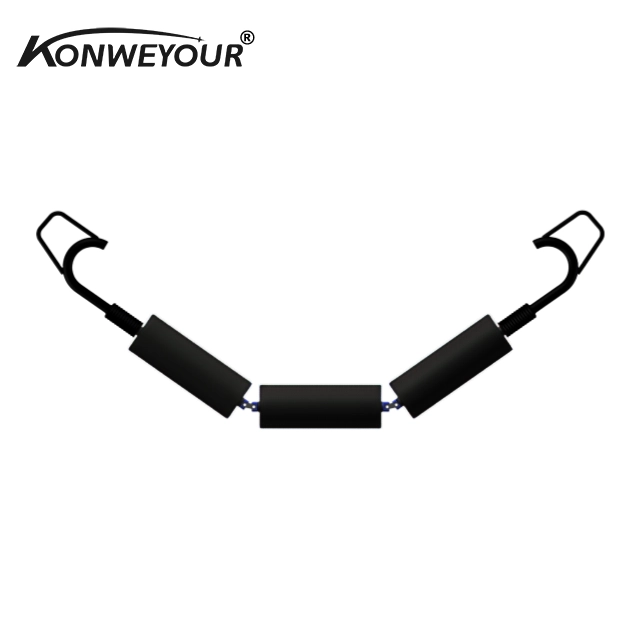
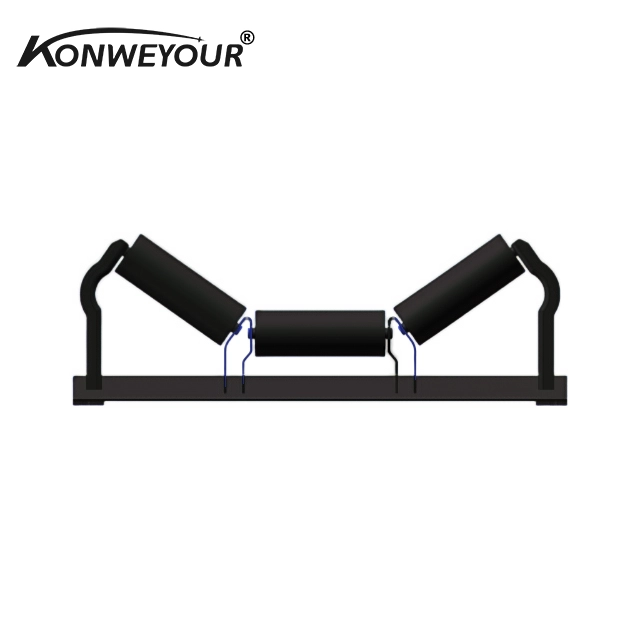
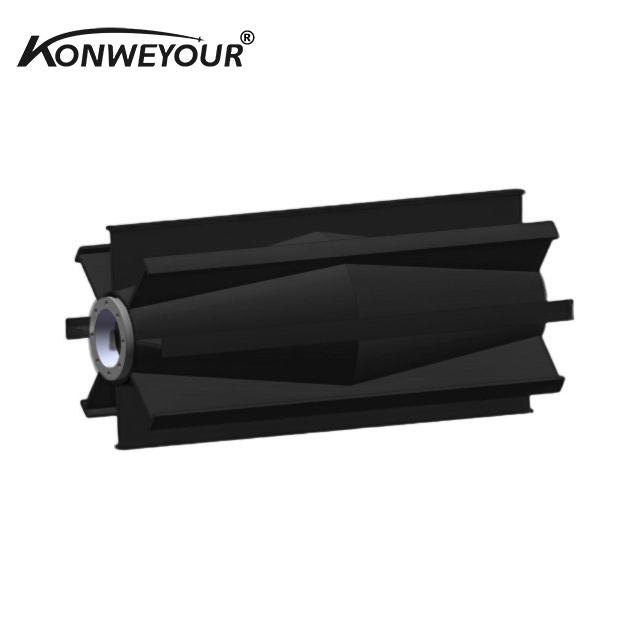
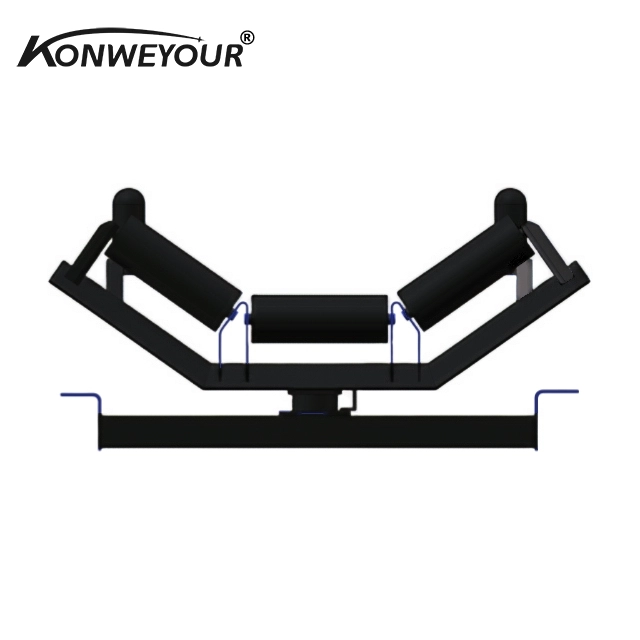
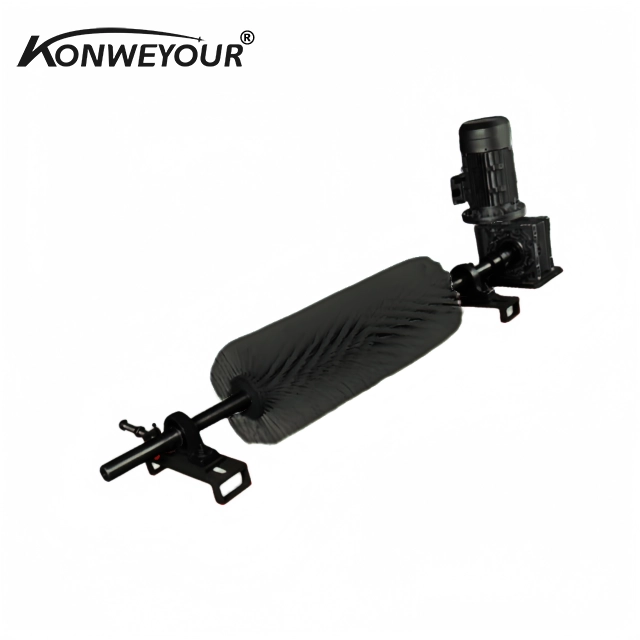
Simply put, conveyor system parts are the individual elements that assemble together to make conveyors work. They include belts, rollers, motors, frames, pulleys, and sensors—each serving a unique purpose.
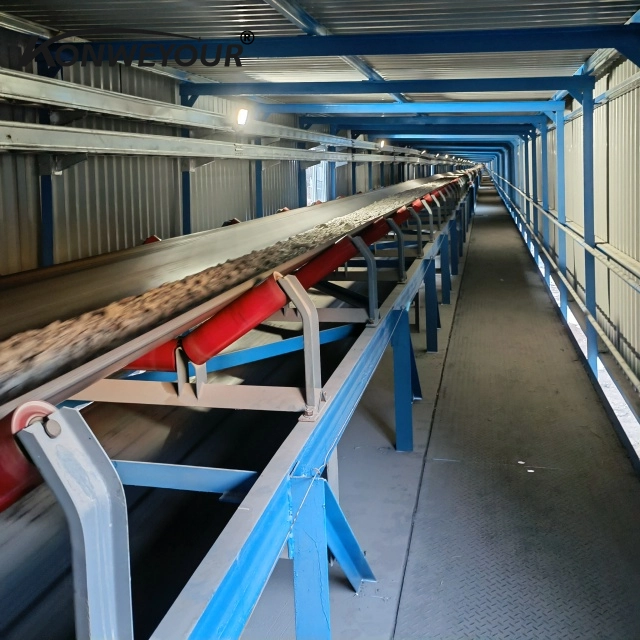
Conveyor systems are like veins in industrial machinery, ferrying products and components from point A to point B. Without these parts, modern industry, humanitarian aid deliveries, and bulk shipping would slow down dramatically. So when you hear “conveyor system parts,” think of the Lego blocks of industrial automation.
Key Components of Conveyor Systems
1. Durability
Conveyor parts endure constant friction, weight loads, and environmental factors. Materials like stainless steel or reinforced polymers help parts resist wear and corrosion—critical in dusty mines or humid warehouses. Durability translates to less downtime and safer operations.
2. Scalability
Industrial demands fluctuate, so conveyors must scale quickly. Modular parts and adjustable frames allow systems to expand or reconfigure. This flexibility is vital for industries like e-commerce, where seasonal demand spikes are common.
3. Cost Efficiency
Choosing the right parts can drastically affect operational costs. Energy-efficient motors, for example, cut power bills, while standardized components reduce repair expenses. Think of it like buying quality shoes – upfront cost but long-term savings.
4. Integration & Automation
Modern conveyor parts now often include sensors and smart controls. Integration with factory automation systems allows predictive maintenance and real-time monitoring, pushing productivity further.
5. Safety
Parts designed with safety—such as emergency stop cords and guarded rollers—protect workers. Safety isn’t just a compliance checkbox; it boosts morale and lowers liability.
Typical Product Specifications of Conveyor System Parts
| Component |
Material |
Load Capacity |
Typical Lifespan |
Common Industries |
| Rollers |
Steel / Aluminum |
Up to 500 kg each |
5–7 years |
Manufacturing, Warehousing |
| Conveyor Belts |
PVC, Rubber, Steel Mesh |
Varies, up to several tons |
3–10 years |
Mining, Food Processing |
| Motors |
Electric / Hydraulic |
Varies by model |
7–10 years |
All industries |
| Pulleys |
Steel, Cast Iron |
Several tons |
8–12 years |
Construction, Mining |
Global Applications & Use Cases
Conveyor system parts form the backbone of industries worldwide. In Asia’s massive electronics factories, lines run 24/7 moving microchips and finished products. In European ports, conveyor belts speed bulk grain loading and unloading. Oddly enough, even humanitarian organizations rely on these parts to build temporary conveyor setups delivering aid supplies in disaster zones—where speed and reliability matter most.
Take remote mining operations in Africa, for instance. There, rugged conveyor parts built to withstand dust and temperature swings help automate ore transport, improving safety and efficiency in environments where manpower is limited and conditions harsh.
And in retail logistics hubs in North America, highly modular conveyor parts allow warehouses to quickly reconfigure for holiday shopping surges. This adaptability aligns well with the conveyor system parts that make it all possible.
Vendor Comparison: Choosing Conveyor System Parts Providers
| Vendor |
Product Range |
Customization Options |
Lead Time |
Price Range |
| JT Industrial |
Belts, Rollers, Motors, Sensors |
High – Custom specs & assemblies |
2–4 weeks |
Mid-Range |
| Global Conveyor Co. |
Full line including Automation |
Medium – Modular options |
4–6 weeks |
Premium |
| Budget Conveyors |
Basic Belts and Rollers |
Low – Standard products only |
1–3 weeks |
Low-Cost |
Advantages & Long-Term Value of Conveyor System Parts
- Cost Savings: Smart part selection reduces repairs and energy use.
- Sustainability: Durable materials lead to less waste and downtime.
- Safety Improvements: Reliable parts reduce workplace accidents.
- Operational Reliability: Minimizes unexpected stoppages that hurt productivity.
- Emotional Impact: Workers feel safer and more trusted around well-maintained equipment.
These lasting benefits are why companies keep leaning on robust conveyor system parts to future-proof their operations. It’s about more than just parts — it’s about trust in your entire material handling process.
Future Trends & Innovations
Looking ahead, conveyor system parts are becoming smarter and greener. Energy-efficient motors paired with IoT sensors allow predictive maintenance—catching wear before breakdowns. New materials like lightweight composites or recycled polymers might soon replace steel in some parts, lowering carbon footprints.
Automated guided vehicles (AGVs) sometimes work alongside conveyors, but parts designs are evolving to integrate better with robotics. Green energy usage, compliance with upcoming strict environmental standards, and modular designs that cut transport waste are shaping the conveyor parts market’s future.
Common Challenges & Expert Solutions
Wear and tear challenge longevity—especially under harsh conditions. Parts that don’t fit perfectly can cause jams or wear unevenly. But many providers now offer custom-fitted solutions or real-time monitoring to proactively manage these issues.
Another challenge is controlling energy costs. Experts recommend variable frequency drives on motors and belt optimizations to reduce power draws. Training staff in basic conveyor maintenance also prevents minor issues from becoming costly stoppages.
FAQ: Conveyor System Parts
- What conveyor system parts wear out the fastest?
- Belts and rollers usually wear first due to constant friction. Quality materials and regular maintenance extend their life.
- How do I choose the right motor for my conveyor?
- Consider your load requirements, duty cycle, and environment. Energy-efficient motors with adjustable speeds are best for variable loads.
- Can conveyor parts be customized for unique industrial needs?
- Yes, many vendors like JT Industrial offer bespoke solutions, from specialized belts to custom frame sizes, enhancing performance.
- Are there eco-friendly conveyor system parts available?
- Increasingly yes. Some manufacturers use recycled materials or design parts for easy recycling, reducing environmental impact.
- How often should conveyor parts be inspected?
- Routine inspection every few months is recommended, more often in high-use or harsh environments, to ensure safety and prevent downtime.
Conclusion: Why Conveyor System Parts Are Critical to Your Success
At the end of the day, mastering conveyor system parts means smoother, safer, and more sustainable operations—whether in a tiny workshop or a sprawling port. As industries evolve, these parts keep adapting, proving their irreplaceable role. If you want to explore quality conveyor components that suit your specific needs, don’t hesitate to visit our site at https://www.jtconveyor.com for expert advice and solutions.
Because sometimes the smallest piece can move the biggest load.
Quick takeaway: understanding and choosing quality conveyor system parts is a low-key game changer for operational efficiency and safety.
- ISO Industrial Conveyor Systems Standards
- World Bank Data on Export and Industry
- Wikipedia: Conveyor Belt