Understanding Rubber Belt Conveyor Parts: The Unsung Heroes of Industry
If you’ve ever wondered what keeps massive industrial materials moving smoothly across factories, ports, or mining sites, rubber belt conveyor parts are often the answer. These components are the backbone of many industries worldwide, quietly powering productivity by transporting everything from raw ores to packaged goods.
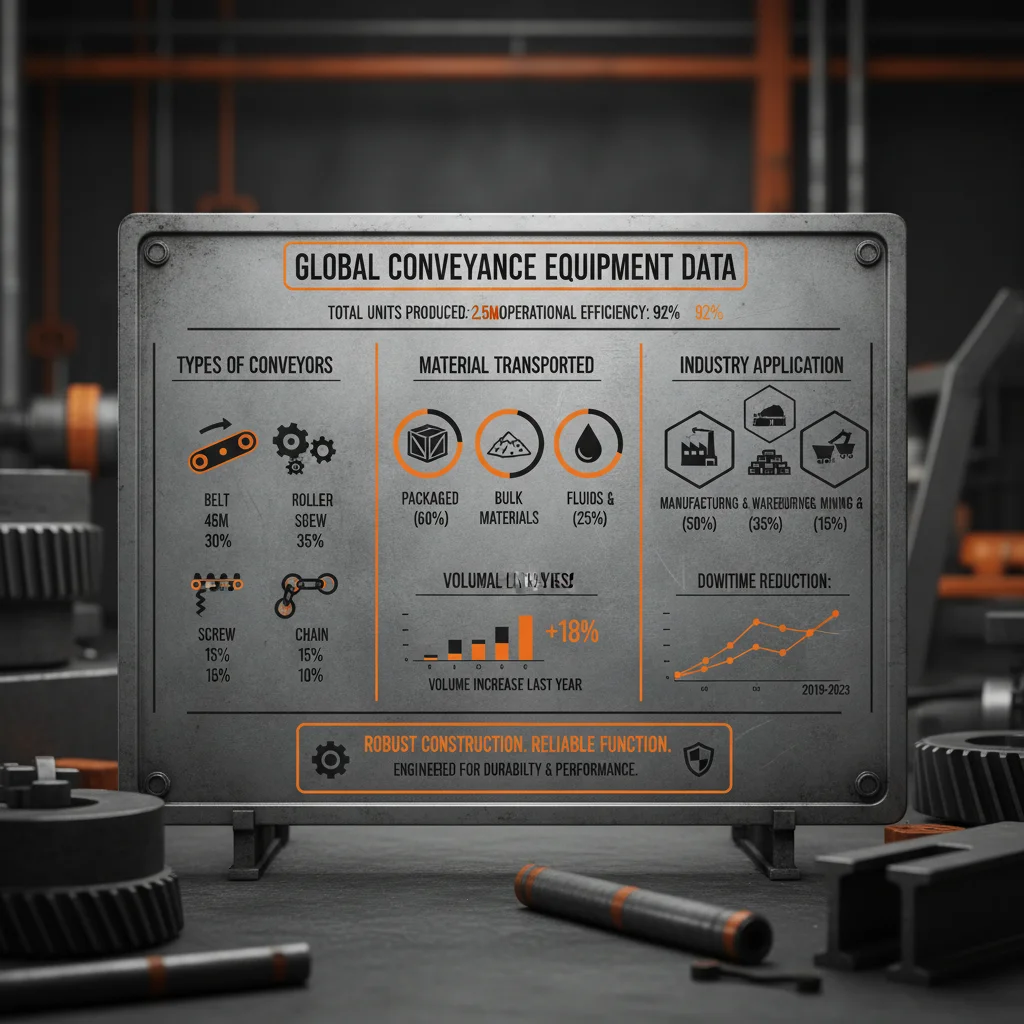
Globally, the conveyor belt market is expected to surge, fueled by growing industrialization and infrastructure projects, especially in Asia-Pacific and parts of Africa. According to a 2023 report by ISO, conveyor systems contribute significantly to supply chain efficiency, cutting operational downtime and boosting throughput. In short, mastering the details around rubber belt conveyor parts isn’t just for engineers – it’s a lens into modern industry’s pulse.
What Are Rubber Belt Conveyor Parts?
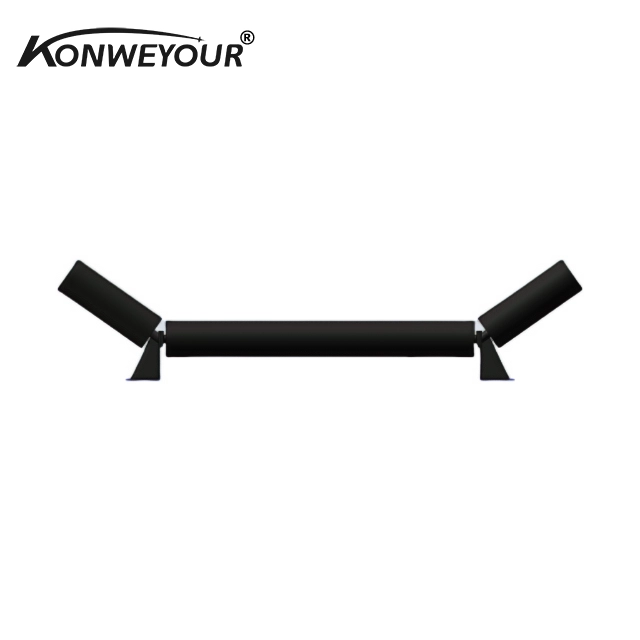
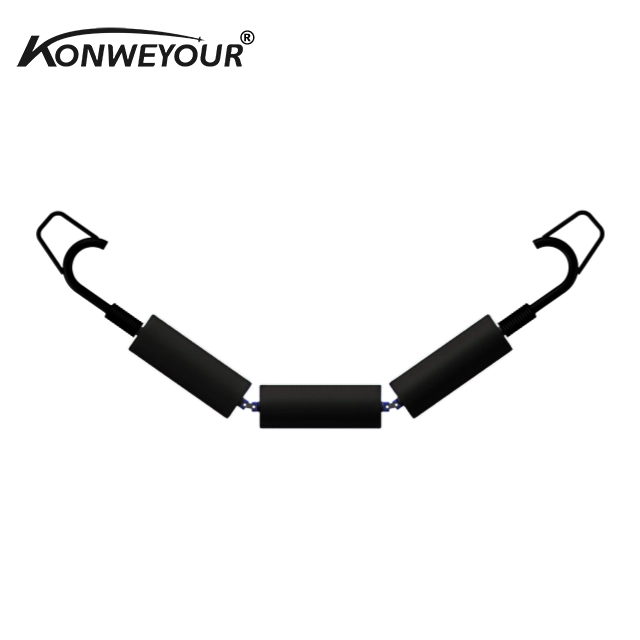
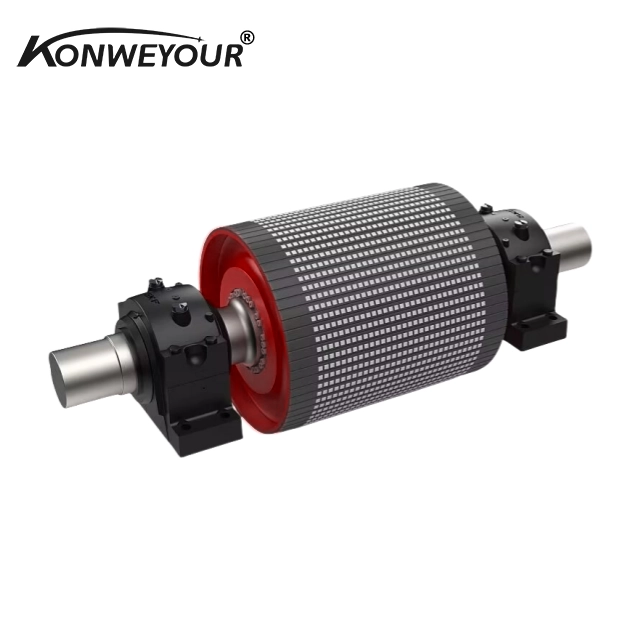
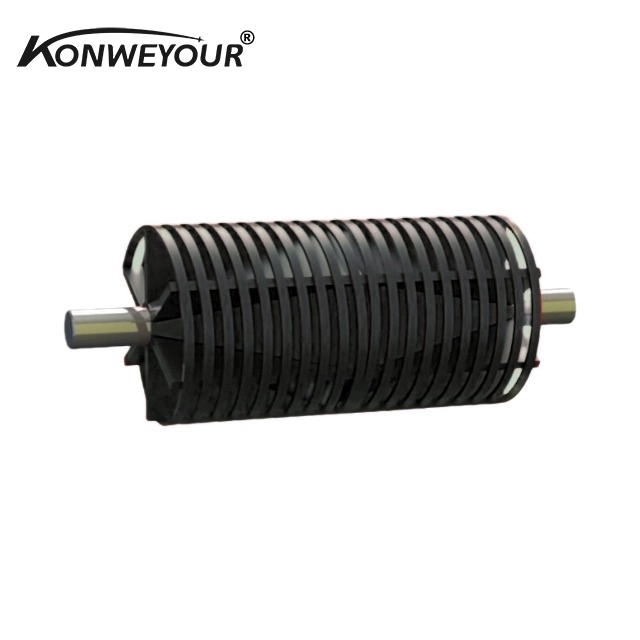
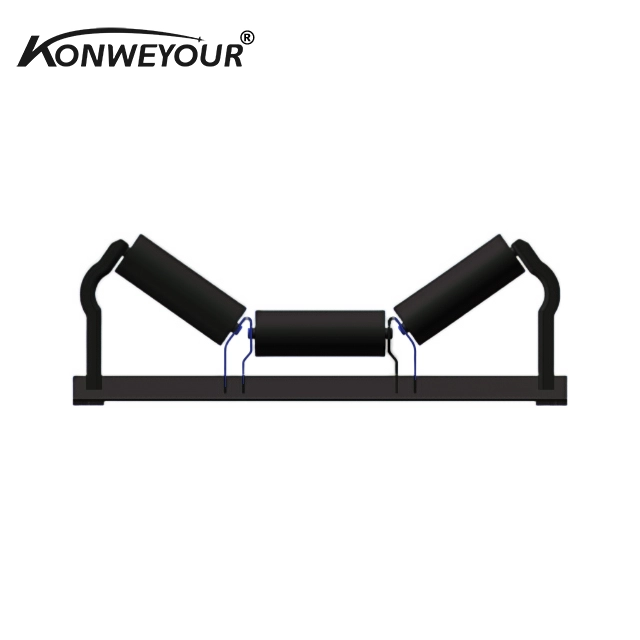
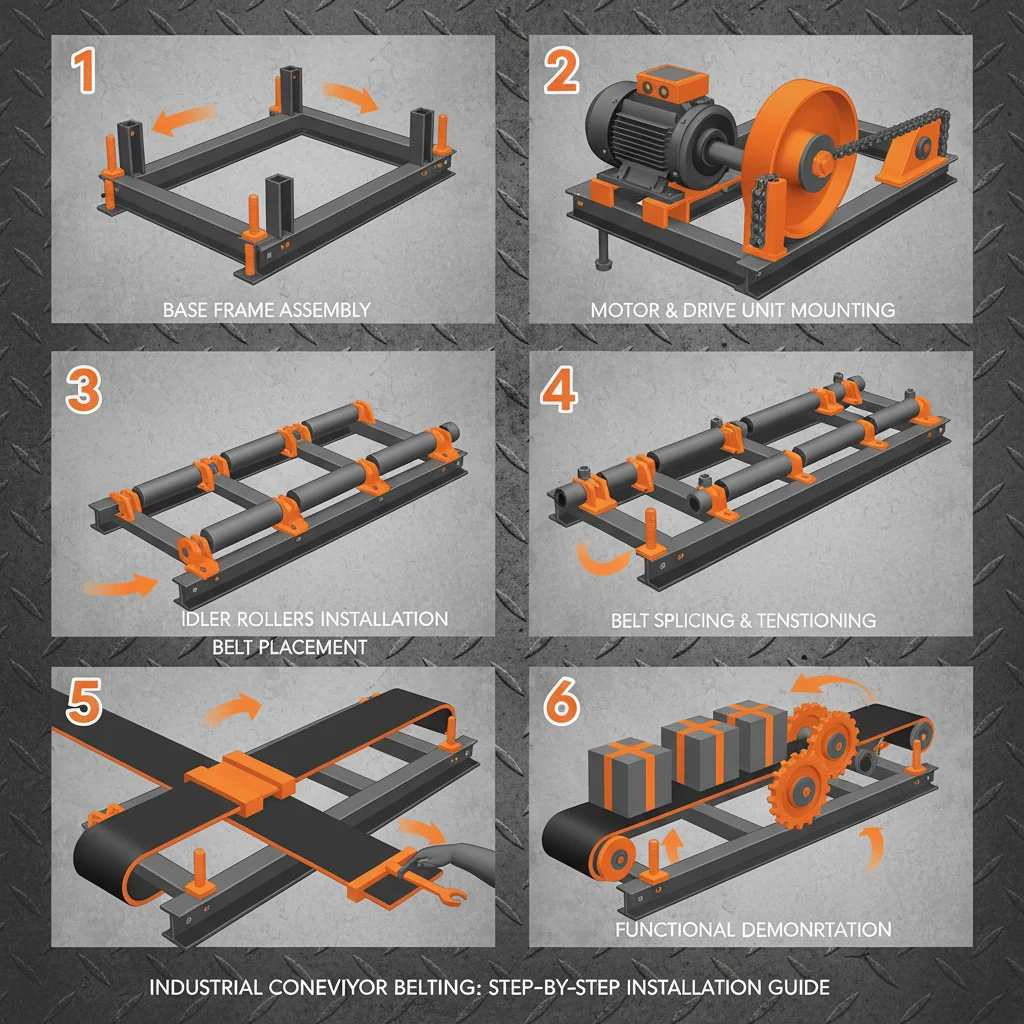
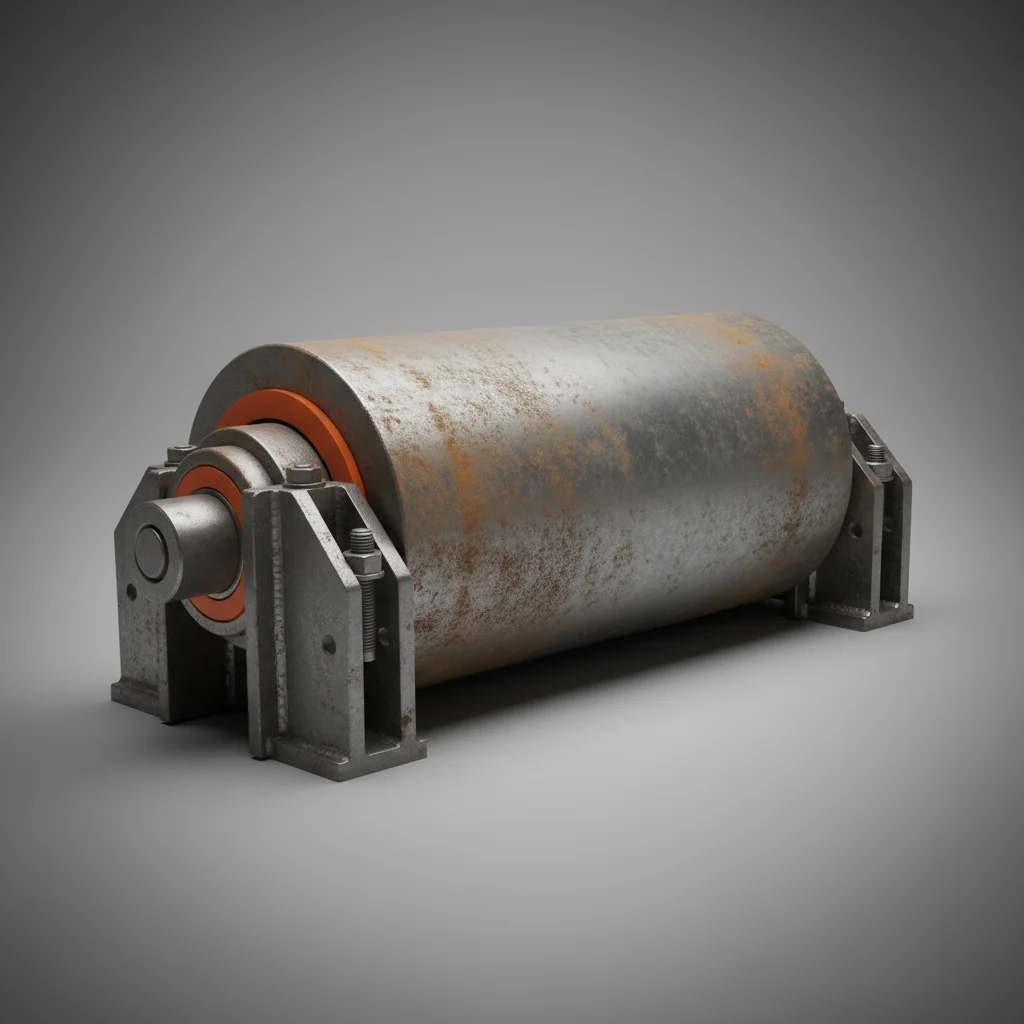
Put simply, rubber belt conveyor parts refer to the various components comprising the conveyor belt system where the belt itself is made of a rubber composite or similar elastomers. These parts include the belt, pulleys, rollers, idlers, and fasteners that keep materials glide along a continuous path.
They’re indispensable in industries ranging from mining and agriculture to logistics and manufacturing. Interestingly, rubber belts’ flexibility and traction make them especially suited for moving products over long distances or uneven terrain—a factor that’s increasingly important as supply chains expand globally.
Key Components and Factors to Consider
1. Durability
Rubber belts must endure abrasive materials, temperature swings, and sometimes harsh chemicals. Hence, the rubber compound’s quality directly affects the belt’s lifespan. Many opt for synthetic rubber blends enhanced with additives to extend wear resistance.
2. Scalability
Whether you’re running a small assembly line or a sprawling mining operation, conveyor parts must scale. Modularity is key — easily replaceable rollers or belts allow quick maintenance with minimal downtime.
3. Cost Efficiency
While initial costs matter, long-term operational costs—including maintenance and energy consumption—are crucial. Rubber belts often provide a more affordable option versus metal conveyors, especially when factoring in reduced noise and vibration.
4. Safety and Reliability
Conveyor systems can be dangerous if parts fail unexpectedly. Reliable construction and rigorous testing are non-negotiable for preventing accidents and ensuring smooth operation.
Specifications Snapshot: Typical Rubber Belt Conveyor Parts
| Component |
Material |
Dimensions |
Typical Use Case |
| Rubber Conveyor Belt |
Synthetic Rubber, Polyester/Steel Ply |
Width: 500–2000 mm, Thickness: 5–20 mm |
Bulk material transport (mining, agriculture) |
| Carrying Rollers |
Steel with rubber coating |
Diameter: 50–150 mm, Length: 600–2000 mm |
Belt support and smooth movement |
| Tail Pulley |
Steel, often rubber lagged |
Diameter: 150–600 mm |
Redirects belt path; tensioning |
| Belt Fasteners |
Steel or synthetic composite |
Varies with design |
Joining belt ends securely |
Global Applications and Use Cases
Rubber belt conveyor parts are everywhere you look — they traverse deserts carrying mined ore in Australia, help package goods in sprawling Asian factories, or move agricultural products in South America’s farms. One eye-opening example is how relief organizations use modular conveyor setups for quick-loading relief shipments during crisis events in Africa. It just goes to show how versatile these parts are.
Oddly enough, some remote industrial zones in Russia rely heavily on rubber belt conveyors to keep essential goods flowing despite extreme cold, where metal belts might freeze or degrade faster. So, you see, their global impact extends beyond simple factory logistics to humanitarian and extreme environment applications.
Vendor Comparison: Popular Rubber Belt Conveyor Parts Suppliers
| Supplier |
Product Range |
Pricing |
Lead Time |
Global Reach |
| JT Conveyor |
Comprehensive (belts, rollers, pulleys) |
Competitive |
2-4 weeks |
Asia, Americas, Europe |
| Continental Belts |
High-grade specialty belts |
Premium |
4-6 weeks |
Europe & North America |
| Habasit |
Industrial & food grade belts |
Mid-range |
3-5 weeks |
Worldwide |
Advantages & Long-Term Value of Rubber Belt Conveyor Parts
Frankly, the tangible benefits are pretty convincing. Cost wise, rubber parts often boast a lower upfront price and fewer maintenance headaches compared to alternatives. Their elasticity means less noise, less energy lost to friction, and a more forgiving interface for transported materials.
On a social level, tougher conveyor parts can improve safety by reducing sudden breakdowns or materials spilling—small improvements that matter a lot on the factory floor or mine site. There’s also the sustainability angle, with many manufacturers now offering belts that incorporate recycled materials or align with ISO 14001 environmental standards.
The Horizon: Future Trends and Innovations
Looking ahead, companies are exploring smart conveyor belts equipped with sensors for predictive maintenance—reducing unexpected downtime. Innovations in biodegradable rubber compounds or belts with embedded photovoltaic cells may one day make conveyors more eco-friendly and energy independent.
There’s also growing regulatory pressure worldwide to embrace greener manufacturing practices. Conveyor part vendors who adapt swiftly are likely to lead in quality and trust.
Challenges & Practical Solutions
Of course, durability still poses a challenge. Rubber belts can degrade from UV exposure, chemical contact, or mechanical fatigue. So proper selection and regular inspection are vital. Manufacturers recommend calibrating belt tension correctly and using appropriate cleaning methods to extend lifespan.
Experts often suggest teaming with suppliers like JT Conveyor who offer quality replacement parts and technical support, because frankly, even the best parts need thoughtful maintenance.
FAQ: Your Rubber Belt Conveyor Questions Answered
- Q: How do I choose the right rubber conveyor belt for my mining operation?
A: Consider the material type, temperature range, and abrasion resistance. Consult with your vendor to match belt grade with your specific ore or product. Also factor in required belt width and speed.
- Q: What’s the average lifespan of conveyor rollers?
A: Rollers typically last 3–5 years under moderate use. Environmental conditions and material weight may shorten or extend this.
- Q: Can rubber conveyor parts be custom made to fit unusual setups?
A: Yes, many suppliers provide bespoke solutions tailored to your specs, which can optimize performance and reduce wear.
- Q: How important is routine maintenance?
A: Critical. Regular inspection identifies early wear signs and prevents costly downtime or accidents.
Wrapping Up: The Long-Term Payoff
Rubber belt conveyor parts may seem like humble mechanical bits, but their role in keeping so many industries running is huge. Investing in quality parts, understanding their characteristics, and staying ahead with maintenance cycles translates directly into efficiency, safety, and sustainability gains.
If you want to explore a reliable source of rubber belt conveyor parts and gain expert support, check out JT Conveyor. It’s where dependable industry solutions come together.
Sometimes, it’s the small components that hold the biggest machines – and economies – together.
References
- ISO Environmental Management – ISO 14001
- Conveyor system (Wikipedia)
- World Bank Industry Overview