The Unseen Backbone: Understanding Essential Conveyor Parts
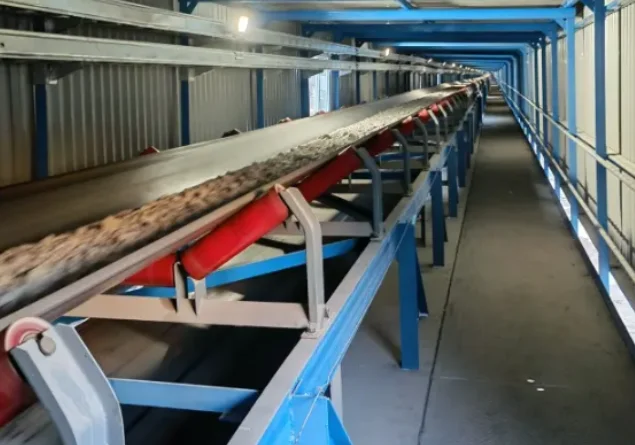
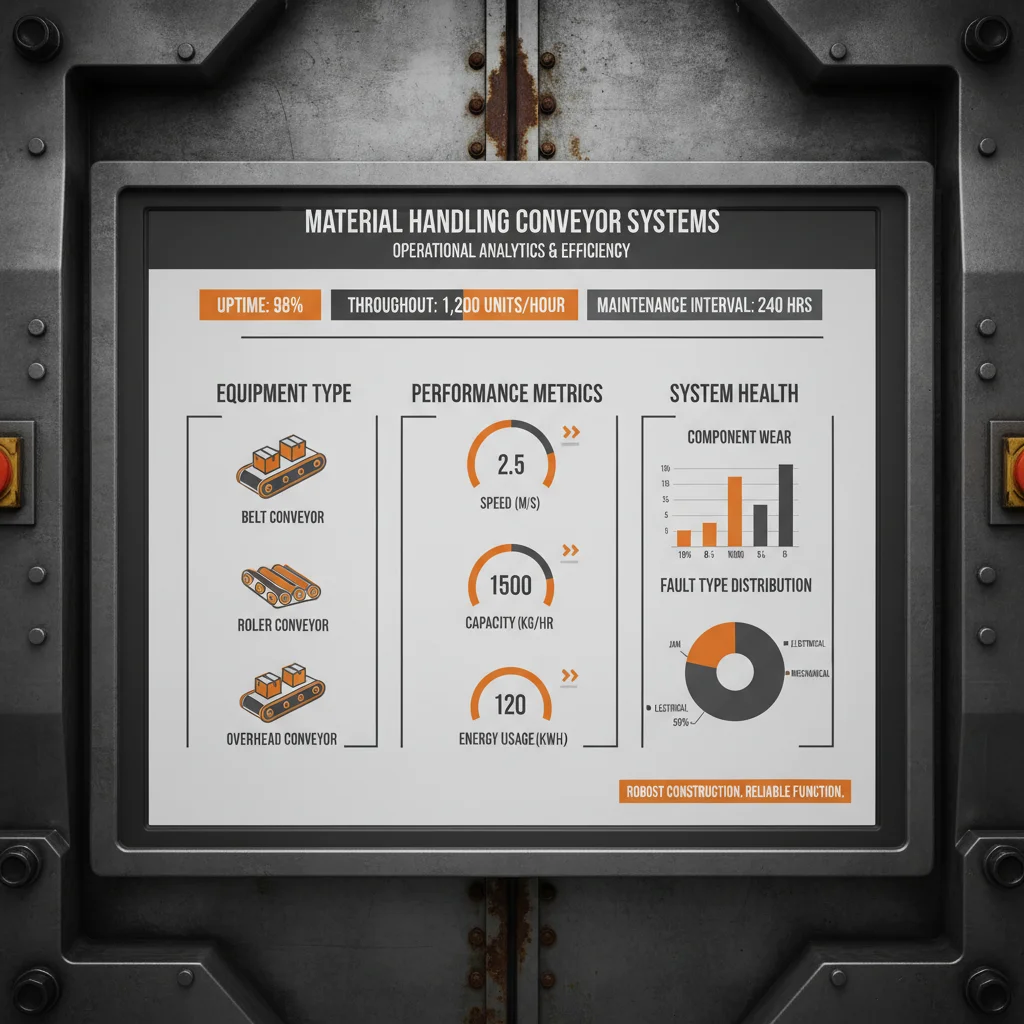
In the relentless rhythm of modern industry, from bustling e-commerce warehouses to complex mining operations, the efficiency and reliability of material handling systems are paramount. At the heart of these critical operations lies the unsung hero: the humble yet indispensable conveyor part. These components, often overlooked in their individual capacity, collectively form the intricate arteries and veins of any automated production or logistics line. From robust rollers and precision-engineered bearings to resilient belts and intelligent sensors, each conveyor part plays a crucial role in ensuring seamless movement, optimizing throughput, and minimizing downtime. The collective failure of even a minor component can cascade into significant operational disruptions, costing businesses not only in lost production but also in reputation and customer satisfaction. Therefore, a deep understanding of these foundational elements is not merely an exercise in technical knowledge but a strategic imperative for any enterprise aiming for operational excellence. Investing in high-quality, meticulously designed conveyor parts is not an expenditure but a crucial investment in the long-term viability and competitive edge of industrial processes globally. This comprehensive exploration delves into the multifaceted world of conveyor components, highlighting their technical intricacies, market dynamics, and transformative impact on various sectors.
The Pivotal Role of Engineering Excellence in Conveyor Components
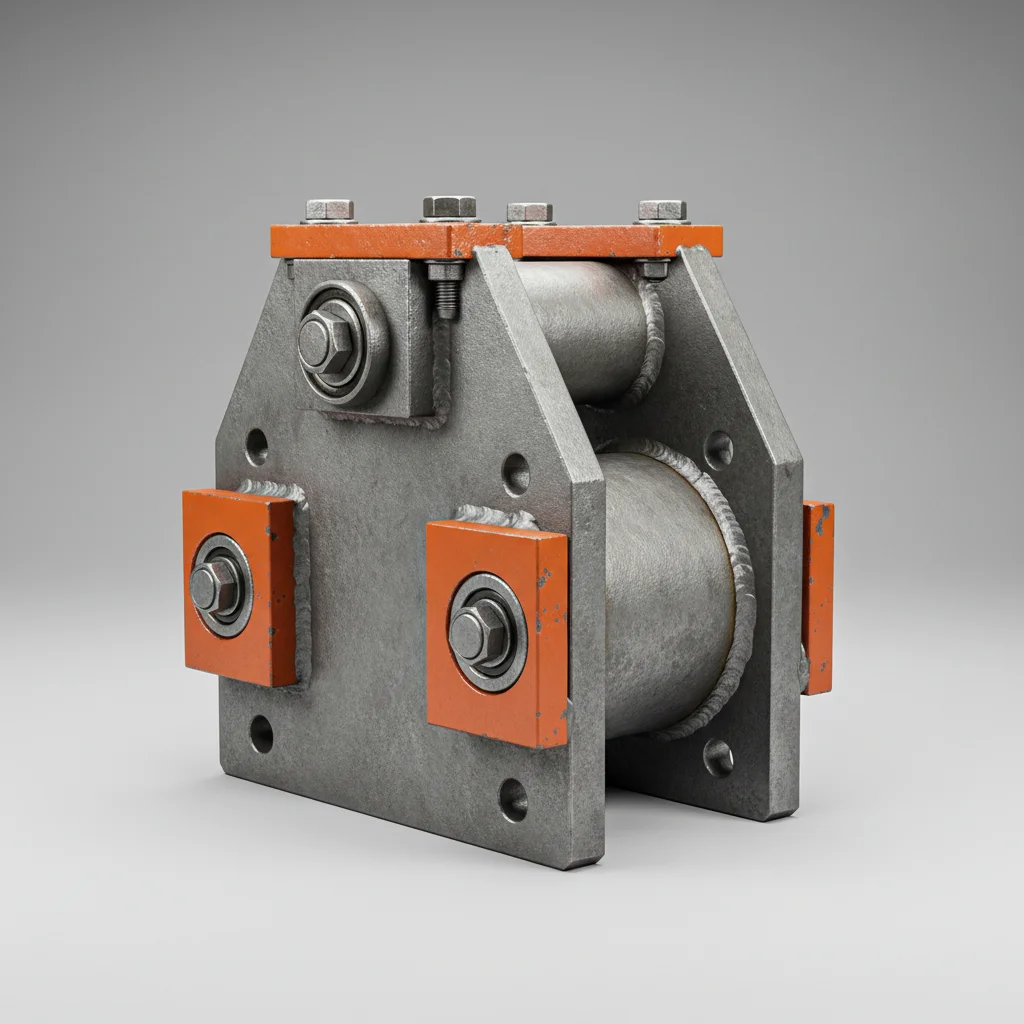
The performance of an entire conveyor system hinges directly on the engineering prowess embedded within each component. It's a field where material science meets mechanical ingenuity, striving to achieve unparalleled durability, minimal friction, and optimal energy consumption. Engineers design each conveyor component, from idlers and pulleys to drive units and take-up assemblies, with specific operational demands in mind. For instance, the choice of steel alloy for rollers in a heavy-duty mining application differs significantly from the composite materials used for food-grade belts in a sterile processing environment. Precision manufacturing processes, including advanced machining, welding, and surface treatments, ensure that these parts withstand constant stress, abrasion, and environmental variables like extreme temperatures or corrosive agents. Moreover, the integration of smart technologies, such as IoT-enabled sensors for predictive maintenance, is revolutionizing how these components are monitored and managed. This focus on engineering excellence not only extends the operational lifespan of individual components but also significantly reduces the total cost of ownership for the entire conveyor system by mitigating unexpected failures and associated repair costs. The relentless pursuit of better design and material innovation is what ultimately separates a merely functional conveyor system from one that truly elevates productivity and reliability.
Unpacking the Technical Superiority of Modern Conveyor Parts
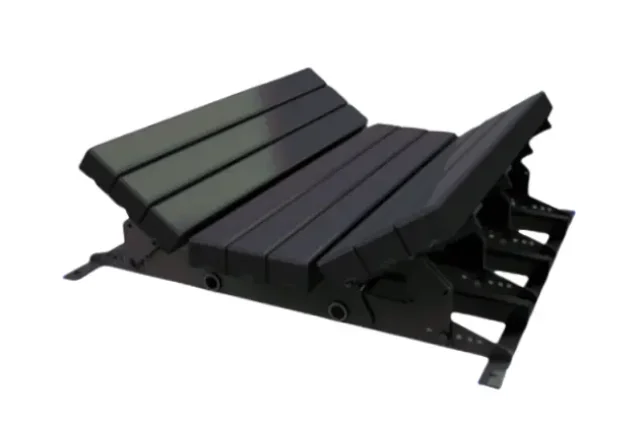
Modern conveyor technology has advanced significantly, driven by a relentless pursuit of efficiency, safety, and longevity. At the core of these advancements are technically superior conveyor components that leverage cutting-edge materials and sophisticated design principles. For instance, the adoption of ultra-high molecular weight polyethylene (UHMW-PE) for wear strips and guides offers superior abrasion resistance and a lower coefficient of friction compared to traditional materials, leading to reduced energy consumption and extended part life. Similarly, ceramic-lagged drive pulleys enhance grip and reduce belt slippage, drastically improving power transmission efficiency and cutting down on maintenance relating to belt tracking. In terms of data impact, consider a study by the Material Handling Institute which indicated that upgrading to premium, low-friction rollers can reduce conveyor system energy consumption by up to 15-20%, translating into significant operational savings for facilities with extensive conveyor networks. Another example is the integration of advanced sensor technologies into idlers and rollers, capable of detecting early signs of wear, misalignment, or overheating. These smart components transmit real-time data to a central monitoring system, enabling predictive maintenance schedules that can preempt costly breakdowns. For example, a major logistics provider reported a 30% reduction in unplanned downtime after implementing an IoT-enabled conveyor monitoring system, directly attributable to the early detection capabilities of these advanced parts. Such technical advancements not only ensure smoother operation but also contribute to a safer working environment by minimizing manual interventions for repairs and adjustments.
Navigating the Market: A Comparative Analysis of Conveyor Part Manufacturers
Selecting the right manufacturer for conveyor components is a critical strategic decision that can profoundly influence the long-term performance and cost-effectiveness of your material handling system. The market is populated by a diverse array of manufacturers, each with distinct strengths in terms of material quality, innovation, customization capabilities, and after-sales support. A thorough evaluation, moving beyond mere price points, is essential. For instance, some manufacturers specialize in high-durability parts for extreme environments, while others excel in precision components for high-speed, sensitive applications. Understanding these nuances is key. Below is a comparative table illustrating key considerations when evaluating potential suppliers, highlighting the importance of a holistic assessment:
Criteria | Manufacturer A (e.g., GlobalConveyor Co.) | Manufacturer B (e.g., PrecisionMove Inc.) | Manufacturer C (e.g., EcoTrans Solutions) |
Material Quality & Durability | Excellent (Premium Alloys, Specialized Coatings) | Very Good (High-Grade Steels, Standard Composites) | Good (Recycled Plastics, Standard Metals) |
Innovation & R&D Investment | High (IoT Integration, Predictive Analytics) | Medium (Incremental Improvements, Standard Sensors) | Low (Focus on Cost-Effectiveness) |
Customization Capability | Extensive (Bespoke Design & Engineering) | Moderate (Modular Systems, Minor Modifications) | Limited (Off-the-shelf components) |
Lead Time for Standard Parts | Moderate (3-5 Weeks) | Short (1-2 Weeks) | Very Short (1 Week or less) |
After-Sales Support & Warranty | Comprehensive (24/7 Support, Extended Warranty) | Standard (Business Hours Support, Standard Warranty) | Basic (Limited Support, Short Warranty) |
Typical Price Index (Relative) | High (Premium Investment) | Medium (Good Value) | Low (Budget-Friendly) |
Industry Focus | Heavy Industry, Complex Logistics | General Manufacturing, Warehousing | Light Duty, Small-Scale Operations |
This comparison highlights that Manufacturer A, while having a higher price index and moderate lead times, offers superior material quality, high innovation, and extensive customization—ideal for mission-critical applications where downtime is catastrophic. Manufacturer B presents a balanced profile, offering good value and quicker delivery for more standard applications. Manufacturer C caters to budget-conscious projects or light-duty applications where initial cost is the primary driver. The optimal choice is not universally fixed but is contingent upon the specific demands, budget constraints, and long-term strategic objectives of each operation. A thorough due diligence process, involving supplier audits and performance metrics, is indispensable to making an informed decision that secures both immediate operational needs and future scalability.
Tailored Solutions: Crafting Bespoke Conveyor Part Systems
In an increasingly specialized industrial landscape, off-the-shelf conveyor components often fall short of meeting the unique demands of specific applications. This is where customized solutions become invaluable, transforming a generic system into a high-performing, purpose-built asset. Customization extends beyond merely altering dimensions; it encompasses a holistic approach to design, material selection, and integration that addresses specific operational challenges. For example, an aerospace manufacturer might require conveyor rollers with ultra-low particulate emission for cleanroom environments, demanding specialized materials and sealing techniques not typically found in standard offerings. Similarly, an agricultural processing plant might need parts resistant to specific organic acids or extreme temperatures, necessitating custom polymer compounds or specialized metallic alloys. The process typically begins with a detailed consultation, where engineers meticulously analyze the operational environment, material characteristics, throughput requirements, and regulatory compliance needs. This is followed by iterative design phases, leveraging advanced CAD/CAM software and simulation tools to optimize performance and predict potential stress points. Prototyping and rigorous testing then ensure that the bespoke parts meet stringent performance criteria before full-scale production. This meticulous approach guarantees that every custom conveyor component is precisely engineered to enhance efficiency, extend lifespan, and resolve specific bottlenecks, thereby yielding significant returns on investment through optimized performance and reduced maintenance over time. Such tailored solutions underscore the importance of expert collaboration in achieving operational supremacy.
Real-World Impact: Case Studies in Conveyor Part Optimization
The strategic selection and optimization of conveyor components often translate into significant, quantifiable improvements in operational efficiency and profitability. Let's explore a few hypothetical but illustrative case studies demonstrating the tangible impact of superior conveyor parts across diverse industries:
Case Study 1: E-commerce Fulfillment Center – Reducing Downtime & Increasing Throughput
A large e-commerce fulfillment center was struggling with frequent conveyor belt tracking issues and roller bearing failures, leading to an average of 15 hours of unscheduled downtime per month. This translated to a daily backlog of approximately 5,000 packages. The existing standard-grade idlers and rollers were being replaced every 6-8 months. After a comprehensive audit, the center opted to replace its critical conveyor parts with precision-engineered, self-aligning idlers and sealed, maintenance-free ceramic bearings. The upgrade resulted in an immediate improvement: within three months, unscheduled downtime due to conveyor issues dropped by 80%, to just 3 hours per month. This reduction allowed them to increase their average daily package throughput by 12%, handling an additional 1,200 packages per day without expanding their physical footprint or labor force. The new parts demonstrated an expected lifespan of over two years, significantly reducing replacement frequency and maintenance labor costs by an estimated 40% annually.
Case Study 2: Mineral Processing Plant – Enhancing Durability in Abrasive Environments
A remote mineral processing plant faced severe challenges with rapid wear of steel rollers and pulleys in its primary ore conveying system due to highly abrasive materials and harsh environmental conditions. Rollers needed replacement every 4-5 months, leading to high material costs and frequent, hazardous maintenance interventions. The plant switched to heavy-duty, impact-resistant composite rollers and ceramic-lagged drive pulleys, designed specifically for extreme abrasion. The new components, while initially 30% more expensive per unit, extended the replacement cycle to over 18 months. This led to a dramatic 75% reduction in annual maintenance costs associated with roller and pulley replacement and labor. Furthermore, the improved durability minimized production stoppages, contributing to a 5% increase in annual ore processing volume and significantly enhancing worker safety by reducing exposure to hazardous work areas.
Case Study 3: Food & Beverage Manufacturing – Ensuring Hygiene & Efficiency
A ready-meal production facility struggled with sanitation and efficiency issues related to its conveyor system. Traditional components harbored bacteria and required extensive, time-consuming cleaning cycles, leading to reduced operational hours and potential cross-contamination risks. The facility implemented conveyor parts made from hygienic, corrosion-resistant stainless steel and FDA-approved modular plastic belts with an open hinge design. These custom parts significantly reduced bacterial harborage points and allowed for quicker, more effective washdown procedures. Cleaning time was reduced by 35% daily, regaining an hour of production time each day. Moreover, the enhanced hygiene compliance secured crucial certifications, enabling them to expand into new, more lucrative markets and bolstering consumer trust in their products.
These cases underscore a clear pattern: investing in the right conveyor components, tailored to specific industrial needs, is a powerful lever for driving operational excellence, cost savings, and competitive advantage.
Future-Proofing Your Operations with Advanced Conveyor Parts Selection
As industries continue to evolve at an unprecedented pace, the strategic selection and implementation of advanced conveyor components are no longer just about maintaining current operations; they are about future-proofing them. The landscape of material handling is being reshaped by trends such as Industry 4.0, the Internet of Things (IoT), and an increasing emphasis on sustainability. High-performance conveyor parts that integrate smart sensors for predictive maintenance, utilize energy-efficient designs, or are manufactured from recycled and recyclable materials are becoming the standard rather than the exception. Investing in such forward-thinking solutions not only optimizes immediate performance but also positions your operations to adapt to future technological advancements and regulatory shifts. For instance, a conveyor system equipped with intelligent idlers capable of real-time temperature and vibration monitoring can provide invaluable data for an overarching predictive maintenance program, significantly reducing the likelihood of catastrophic failures and maximizing asset utilization. Furthermore, the commitment to utilizing sustainable conveyor components aligns businesses with global environmental objectives, enhancing brand reputation and often leading to long-term cost savings through reduced waste and energy consumption. Ultimately, the meticulous selection of every conveyor part is a critical decision point that determines not only the operational longevity and efficiency of your material handling system but also its capacity to innovate and remain competitive in an ever-changing global market. By prioritizing quality, innovation, and strategic foresight in your component choices, you lay a robust foundation for enduring success.
Frequently Asked Questions about Conveyor Parts
Here are some common questions regarding conveyor parts:
What are the primary types of conveyor parts?
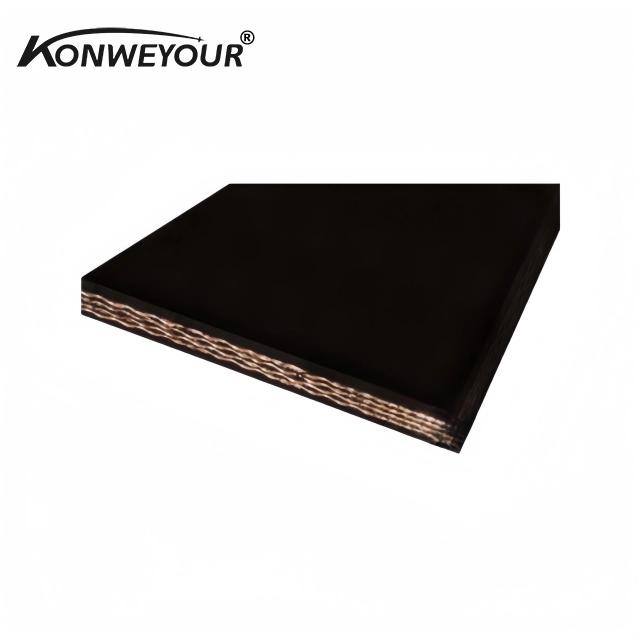
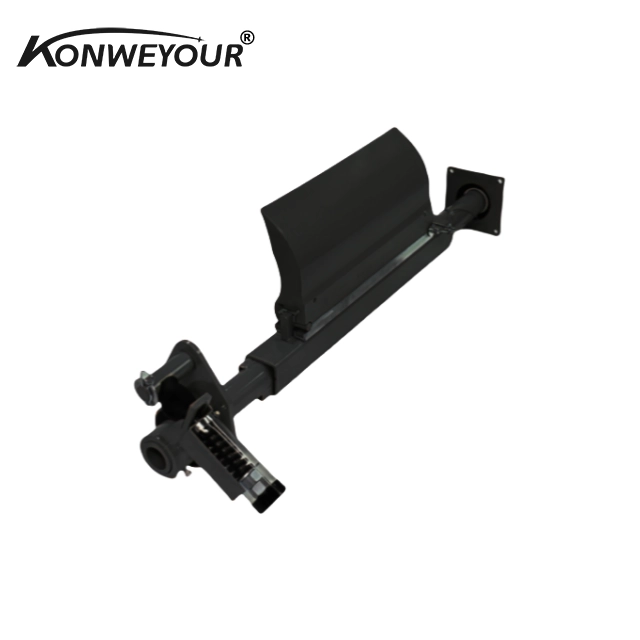
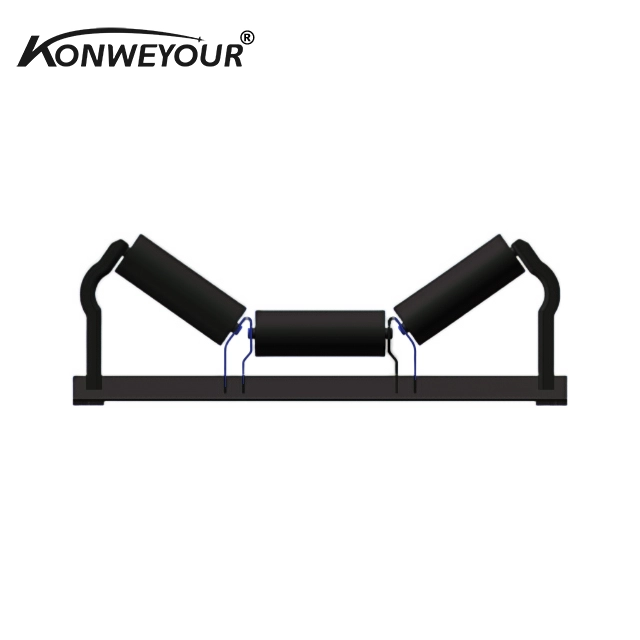
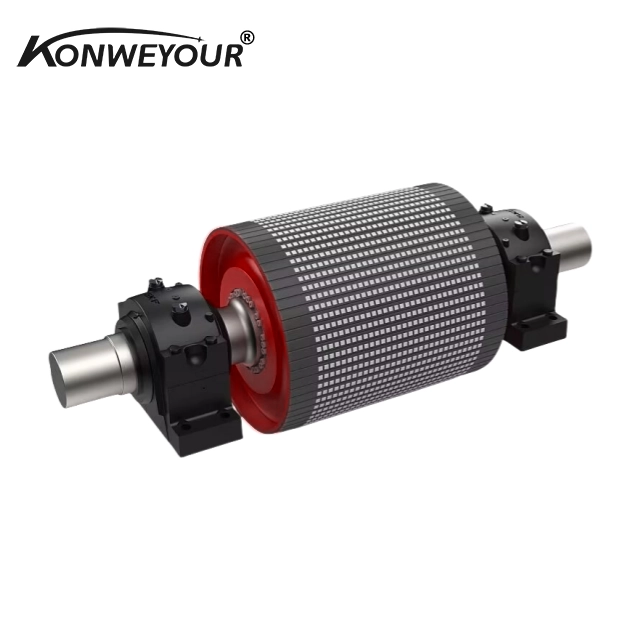
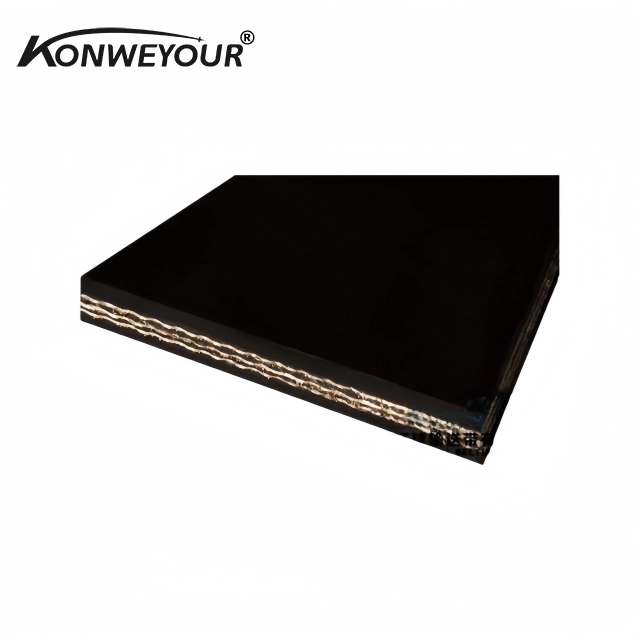
The primary types of conveyor parts include belts (PVC, rubber, modular), rollers (carrying, return, impact), idlers (troughing, flat, return), pulleys (drive, tail, snubber), bearings, motors, gearboxes, frames, and various sensors for control and safety.
How do I choose the right material for conveyor parts?
Choosing the right material depends on the application's specific requirements, such as the type of material being conveyed, operating temperature, exposure to chemicals or moisture, abrasion levels, and hygiene standards. Common materials include steel, stainless steel, various polymers (UHMW-PE, PVC), rubber, and composites.
What impact do high-quality conveyor parts have on my Return on Investment (ROI)?
High-quality conveyor parts significantly improve ROI by extending operational lifespan, reducing unplanned downtime, lowering maintenance costs, decreasing energy consumption, enhancing safety, and increasing overall system throughput and reliability. While initial investment might be higher, the long-term savings and increased productivity often outweigh it.
Can conveyor parts be customized for specific industrial needs?
Yes, many manufacturers offer extensive customization options for conveyor parts. This includes bespoke designs, specialized materials, specific coatings, and tailored dimensions to meet unique operational environments, throughput requirements, or product handling characteristics that off-the-shelf components cannot accommodate.
What are the critical factors for effective maintenance of conveyor parts?
Effective maintenance involves regular inspection for wear and tear, proper lubrication of bearings, correct belt tensioning and tracking, cleaning of components, and prompt replacement of worn parts. Predictive maintenance strategies, often involving sensor technology, are increasingly used to anticipate issues before they lead to failure.
How does environmental factors affect conveyor part selection?
Environmental factors such as extreme temperatures (hot or cold), humidity, exposure to dust, abrasive particles, corrosive chemicals, and outdoor elements significantly influence material selection and design. For example, stainless steel is preferred for corrosive environments, while specialized seals are crucial for dusty conditions.
What are the emerging trends in conveyor part technology?
Emerging trends include the integration of IoT sensors for real-time monitoring and predictive maintenance, the development of more energy-efficient and sustainable materials, modular designs for easier installation and maintenance, and advancements in autonomous control systems that optimize conveyor part performance.