The Pivotal Role of a Modern Conveyor System
In the relentless pursuit of operational efficiency and competitive advantage, the foundational infrastructure of material handling frequently dictates the pace and profitability of an enterprise. A robust and intelligently designed conveyor system is far more than a simple mechanism for moving goods; it is the circulatory system of a modern industrial or commercial operation, directly influencing productivity, safety, and overall cost-effectiveness. From raw material intake to finished product dispatch, these systems orchestrate a seamless flow, minimizing manual intervention, reducing the risk of human error, and ensuring predictable throughput. This intricate dance of components—belts, rollers, chains, and sophisticated control mechanisms—converges to create an environment where bottlenecks are eradicated, and valuable resources, both human and mechanical, are optimally deployed. The evolution of conveyor technology reflects the broader trends in industrial automation, moving from rudimentary transport lines to highly integrated, data-driven solutions capable of adapting to fluctuating demands and complex logistical challenges. Understanding the multifaceted benefits and strategic importance of selecting, implementing, and maintaining an appropriate conveyor system is paramount for any organization aiming to thrive in today’s demanding global market.
Beyond mere transportation, contemporary conveyor systems are instruments of strategic planning, designed to integrate seamlessly with other automated processes such as robotics, sorting mechanisms, and inventory management software. This holistic integration transforms a collection of individual machines into a cohesive, intelligent network that optimizes every stage of the supply chain. The inherent flexibility of modern designs allows businesses to reconfigure layouts with relative ease, responding to changes in product lines, production volumes, or facility expansion without incurring prohibitive costs or downtime. Furthermore, the commitment to sustainability is increasingly reflected in the design of these systems, with a focus on energy efficiency, reduced waste generation, and the use of durable, recyclable materials. Investing in an advanced conveyor system is therefore not merely an expenditure on equipment but a strategic commitment to operational excellence, future-proofing infrastructure, and establishing a resilient, agile enterprise capable of meeting the dynamic demands of the 21st century industrial landscape. It stands as a testament to an organization's dedication to innovation, safety, and sustained growth.
Unpacking the Economic and Operational Impact of Advanced Solutions
The economic and operational ramifications of implementing an advanced material handling solution are profound, often translating into significant gains across key performance indicators. Recent industry analyses underscore this impact: a study by the Material Handling Industry (MHI) revealed that companies investing in automation, including sophisticated conveyor systems, reported an average 15-20% increase in operational efficiency within two years of deployment. This efficiency gain isn't just about speed; it encompasses a reduction in labor costs—by minimizing repetitive manual tasks and reallocating human resources to more value-added activities—and a substantial decrease in product damage, which can account for 2-5% of total logistics costs in traditional setups. Moreover, the enhanced safety profile of automated systems is undeniable; OSHA data indicates that manual material handling accounts for 25% of all workplace injuries, a figure dramatically curtailed by automated conveyor deployments.
Consider the tangible cost savings: a typical distribution center processing 10,000 orders daily can reduce its reliance on manual labor by up to 30-40% through automation, translating to hundreds of thousands or even millions of dollars in annual savings, depending on wage structures. Beyond direct labor, optimized material flow dramatically decreases energy consumption per unit moved through route optimization and smart power management, leading to average energy savings of 10-25% compared to older, less efficient systems. Furthermore, the reduction in cycle times—the time it takes for a product to move through a process—can be as high as 40%, directly impacting customer satisfaction through faster delivery and enabling businesses to respond more rapidly to market demands. This agility is a critical competitive differentiator in today's fast-paced economy. Ultimately, the strategic deployment of modern conveyor solutions creates a powerful multiplier effect, where initial investments are rapidly amortized through compounding efficiencies, superior safety records, and an enhanced ability to scale operations without commensurate increases in overhead.
Exploring Cutting-Edge Technical Advancements and System Benefits
The landscape of material handling is being continuously reshaped by an array of cutting-edge technical advancements, transforming conveyor systems from simple transport mechanisms into intelligent, integrated solutions. One prominent innovation is the advent of modular conveyor designs, which offer unparalleled flexibility and scalability. These systems comprise standardized components that can be easily configured, reconfigured, or expanded to meet changing operational demands, significantly reducing installation time and future modification costs. For instance, a facility can adapt its production line to accommodate new product sizes or increased volume with minimal downtime, leveraging pre-engineered modules like curves, inclines, declines, and various belt types.
Another significant advancement lies in the realm of smart control systems and IoT integration. Modern conveyors are often equipped with an array of sensors—proximity, photoelectric, weight, and barcode scanners—that feed real-time data into a centralized control system. This data enables predictive maintenance, identifying potential failures before they occur and thus minimizing unexpected downtime. Furthermore, IoT connectivity allows for remote monitoring and diagnostics, providing operators with actionable insights into system performance, energy consumption, and throughput rates from anywhere in the world. Artificial intelligence (AI) and machine learning (ML) algorithms are increasingly being integrated to optimize routing, balance load distribution, and even detect quality control issues on the fly, pushing efficiency levels beyond conventional limits. For example, AI-driven sorting systems can achieve accuracy rates exceeding 99.5%, far surpassing human capabilities in high-volume environments.
Energy efficiency is also a core focus of contemporary design. Systems now feature high-efficiency motors, variable frequency drives (VFDs), and regenerative braking capabilities that recover energy during deceleration. These innovations can reduce power consumption by up to 30% compared to older models, contributing to lower operating costs and a reduced carbon footprint. Enhanced safety features, such as emergency stop buttons, interlocked guards, and advanced anti-jamming mechanisms, are standard, protecting both personnel and product. Moreover, specialized conveyors are engineered for specific environments—washdown-ready systems for food and pharmaceutical industries, heavy-duty designs for mining, and precise accumulation conveyors for delicate electronics. These tailored solutions underscore the technical sophistication now inherent in modern material handling, offering robust, adaptable, and intelligent tools for virtually any industrial application.
Strategic Selection: A Comparative Analysis of Conveyor System Providers
Navigating the diverse market of conveyor system manufacturers requires a strategic approach, as providers often specialize in different aspects, technologies, or industry applications. While many companies offer a broad range of products, their core strengths can vary significantly, impacting suitability for specific projects. A critical comparative analysis should focus on key differentiators such as innovation capabilities, product quality and durability, customization expertise, and crucially, after-sales support and global reach.
Consider the following comparison of archetypal provider profiles:
Feature | Tier 1 - Global Innovator | Tier 2 - Specialized Solution Provider | Tier 3 - Cost-Effective Standardizer |
Innovation & Technology Integration | Pioneer in IoT, AI, modular design, advanced robotics. Offers highly integrated, future-proof solutions. R&D budget often 5%+ of revenue. | Strong in specific niche technologies (e.g., sortation, cleanroom, heavy-duty mining). Adapts innovations to specialized contexts. | Focus on proven, reliable technology. Limited cutting-edge innovation; emphasizes stability and ease of maintenance. |
Customization Capability | Exceptional ability to design bespoke systems from scratch, handling complex integration challenges and unique material flow requirements. | Offers significant customization within their specialized domain, modifying existing platforms to fit unique client needs. | Primarily offers configurations of standard modules. Customization is possible but often limited and more costly. |
Product Quality & Durability | Premium materials, stringent quality control, extended warranties. Systems designed for decades of heavy use with minimal wear. | High quality within their niche, designed for demanding conditions relevant to their specialization. Good longevity. | Reliable for standard applications. Quality is good for the price point, but may not withstand extreme conditions as well. |
After-Sales Support & Service Network | Extensive global service network, 24/7 support, predictive maintenance programs, dedicated account managers. Comprehensive training. | Strong regional or national support, often with specialized technicians for their unique systems. Good parts availability. | Standard warranty and repair services. Support may be less extensive or localized, potentially longer response times. |
Cost (Initial Investment vs. TCO) | Highest initial investment, but lowest Total Cost of Ownership (TCO) due to extreme efficiency, longevity, and minimal downtime. | Moderate initial investment, good TCO for specific applications due to high efficiency and reliability in their niche. | Lowest initial investment, but potentially higher TCO over the long run due to less efficiency or higher maintenance needs. |
Choosing the right partner involves meticulously matching your operational scale, budget, required level of automation, and long-term strategic goals with the provider's strengths. While Tier 1 providers offer the most advanced, fully integrated, and future-proof solutions, their higher upfront cost might be prohibitive for smaller operations. Conversely, Tier 3 providers offer accessible entry points into automation but may lack the specialized features or scalability required for complex or rapidly expanding businesses. Tier 2 providers often strike a balance, offering robust, specialized solutions that cater to specific industry needs without the full premium of a global innovator. Due diligence, including site visits, reference checks, and a detailed assessment of TCO, is indispensable for making an informed decision that aligns with your operational imperatives.
Crafting Bespoke Solutions: The Imperative of Customization
In an industrial landscape where every square foot, every product characteristic, and every operational workflow presents unique challenges, a one-size-fits-all approach to material handling is rarely sufficient. This is where the imperative of customization becomes undeniably critical. Tailored conveyor solutions are not merely about fitting a system into a space; they are about designing an infrastructure that precisely mirrors and enhances an organization's distinct operational processes, product specifications, and future growth ambitions. A truly bespoke solution begins with an exhaustive assessment phase, where expert engineers collaborate closely with clients to dissect existing workflows, identify bottlenecks, analyze throughput requirements, and understand the physical constraints of the facility.
This deep dive allows for the development of a design that addresses specific material characteristics, whether it's the gentle handling of fragile electronics, the robust transport of heavy bulk aggregates, or the precise positioning of automotive components. For instance, a food processing plant handling delicate produce might require hygienic stainless steel conveyors with specialized belts and washdown capabilities, integrated with precise weighing and packaging machinery. Conversely, an e-commerce fulfillment center processing millions of diverse SKUs daily would demand high-speed sortation, accumulation, and merging systems with advanced barcode scanning and order fulfillment logic. Customization also extends to integration with existing legacy systems, ensuring a seamless transition without disrupting ongoing operations. This involves developing custom interfaces and control logic that allow the new conveyor infrastructure to communicate effectively with warehouse management systems (WMS), enterprise resource planning (ERP) platforms, and other automation assets.
Furthermore, custom solutions factor in future scalability. Rather than simply solving today's problem, a well-designed bespoke system incorporates modularity and foresight, allowing for future expansion, increased capacity, or adaptation to new product lines with minimal structural changes. This proactive approach safeguards the initial investment and ensures the system remains a valuable asset as the business evolves. The collaborative design process, often involving 3D modeling and simulation, mitigates risks and allows clients to visualize and refine the system before physical installation. Ultimately, investing in a customized conveyor solution is an investment in operational agility, maximized efficiency, and a competitive edge that generic systems simply cannot provide, transforming material flow into a strategic advantage tailored precisely to the client's unique DNA.
Diverse Applications: Real-World Implementation Across Industries
The versatility of modern conveyor systems means they are indispensable across a breathtaking array of industries, each with its own unique material handling requirements and operational pressures. From the precise demands of electronics manufacturing to the rugged environments of mining, these systems form the backbone of productivity and efficiency.
· E-commerce and Parcel Sortation: The explosive growth of online retail has made high-speed sortation and accumulation conveyors absolutely critical. Facilities handle millions of packages daily, requiring systems capable of rapid induction, scanning, diverting, and merging at speeds exceeding 100 meters per minute. Cross-belt sorters, shoe sorters, and tilt-tray sorters are commonly deployed, often integrated with sophisticated warehouse execution systems (WES) to optimize throughput and minimize mis-sorts. Companies like Amazon, FedEx, and UPS rely heavily on multi-tiered conveyor networks to ensure millions of packages reach their destinations on time, often achieving operational accuracy rates above 99.8%.
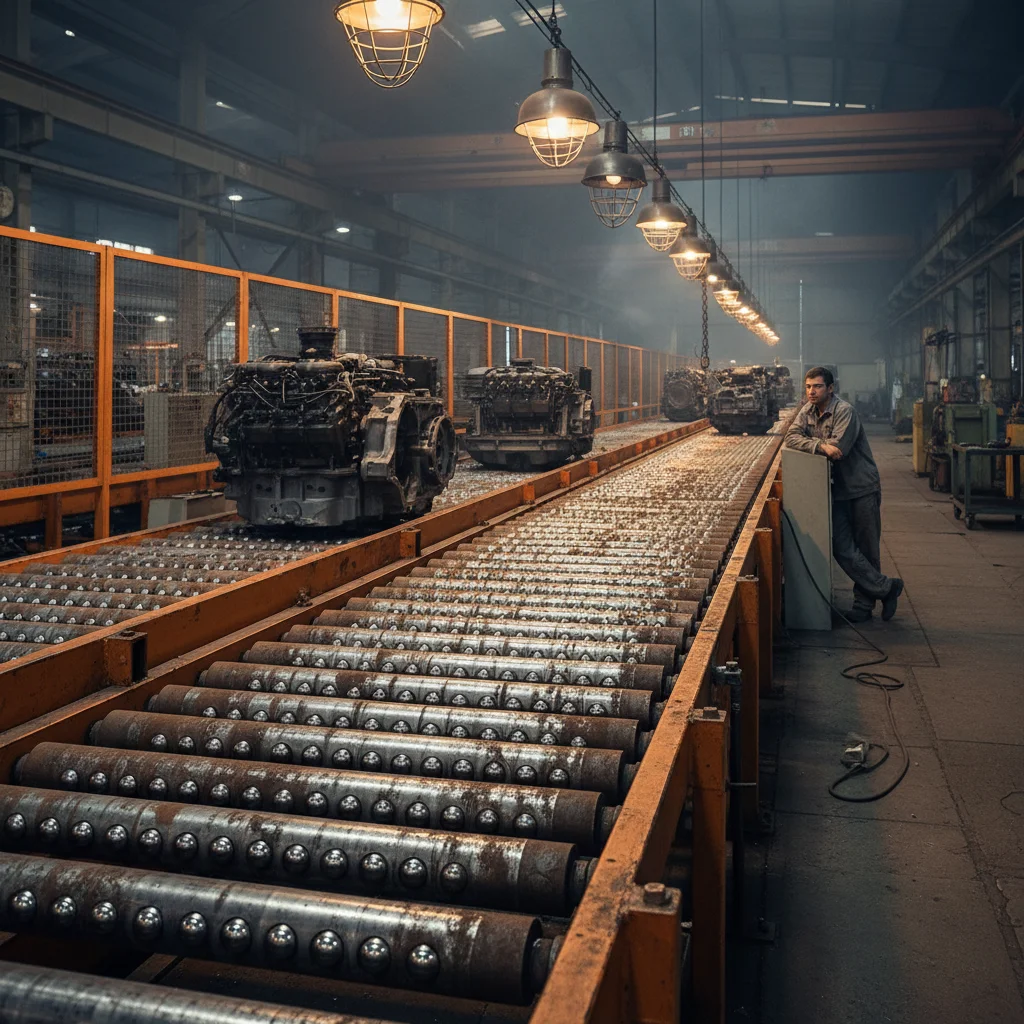
· Automotive Manufacturing: In automotive assembly, conveyor systems orchestrate the complex dance of parts and partially assembled vehicles. Skid conveyors, slat conveyors, and overhead trolley conveyors precisely deliver chassis, engines, and various components to workstations on the assembly line. These systems must handle heavy loads, provide ergonomic access for workers, and often operate in perfect synchronization with robotic welding and painting cells. For example, a typical automotive body shop might use an overhead power-and-free conveyor system to move car bodies through various paint booths and drying ovens, with precise positioning capabilities at each stage.
· Food and Beverage Processing: Hygiene and food safety are paramount here. Stainless steel, washdown-ready conveyors with specialized antimicrobial belts are standard. Systems often include incline/decline sections, accumulation tables, and vibratory conveyors for product separation or spreading. From transporting raw ingredients through processing stages to packaging finished goods like bottled beverages or baked goods, these conveyors ensure continuous, sanitary flow. Automated solutions reduce human contact with products, thereby minimizing contamination risks and complying with stringent FDA regulations.
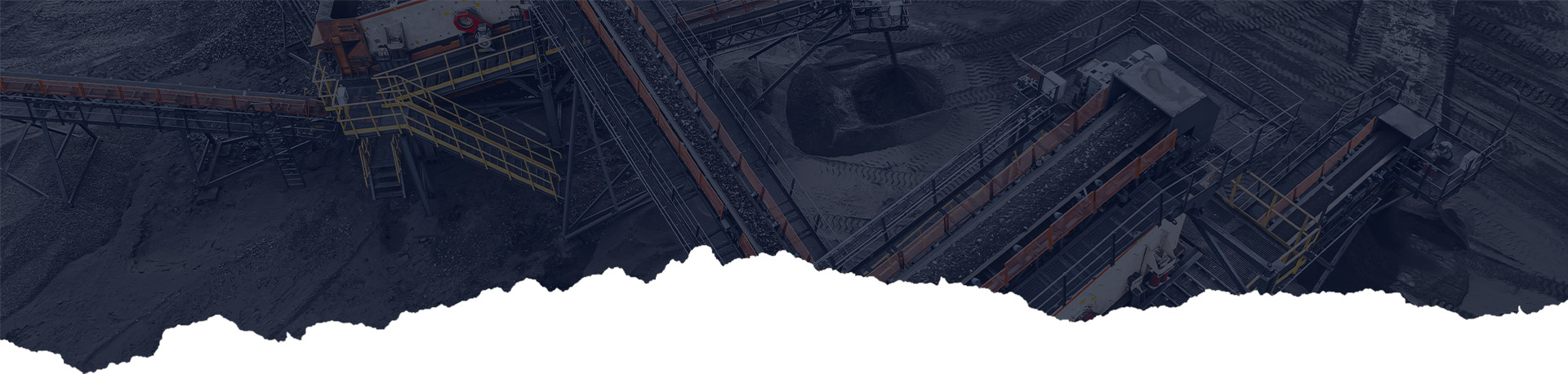
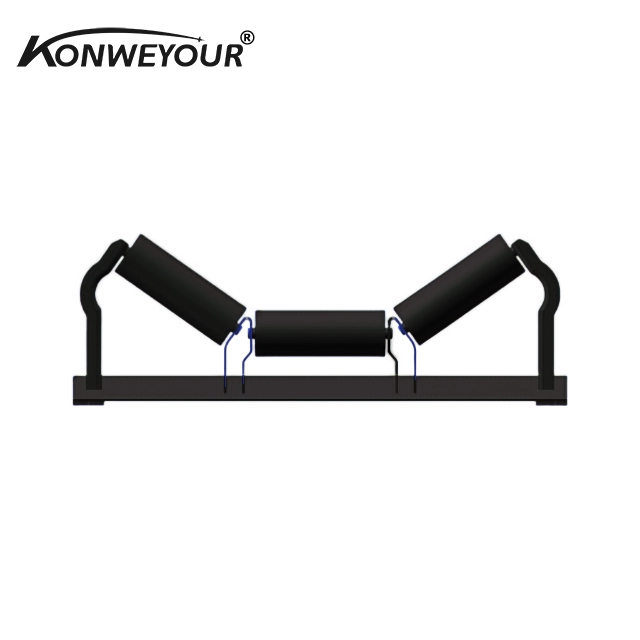
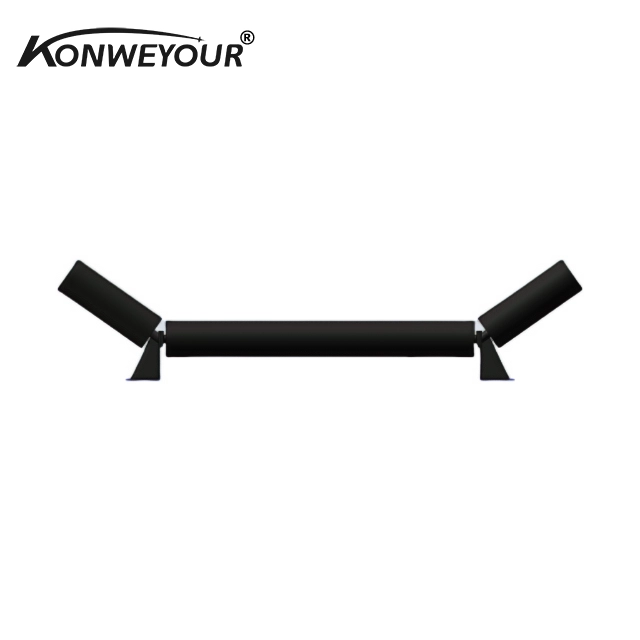
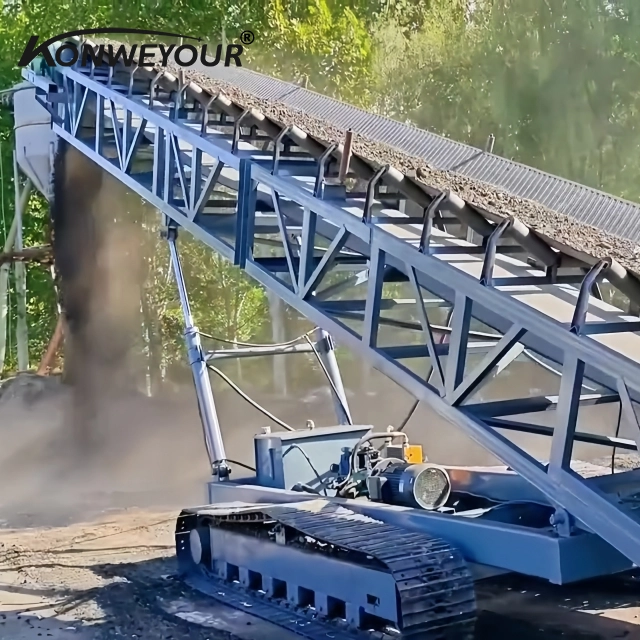
· Mining and Bulk Material Handling: In stark contrast to delicate food items, mining operations require robust, heavy-duty belt conveyors capable of moving enormous quantities of abrasive materials like ore, coal, or aggregates over long distances and often across challenging terrains. These systems are engineered for extreme durability, often featuring specialized belts and idlers designed to withstand harsh environments, impact, and wear. Conveyor belts in large mines can span several kilometers, moving thousands of tons per hour, drastically reducing the need for trucks and their associated fuel and maintenance costs.
· Airport Baggage Handling: Airports rely on intricate networks of conveyors to transport luggage from check-in to aircraft and vice versa. These systems must be highly reliable, secure, and capable of handling varying bag sizes and weights at high volumes. Early bag storage (EBS) systems, often integrated with conveyors, allow passengers to check in luggage hours before their flight, enhancing convenience. The complexity of these systems, especially at major international hubs, is immense, with miles of belts, diverters, and merge points, all controlled by sophisticated software to ensure bags arrive at the correct destination.
These examples merely scratch the surface of how conveyor systems are dynamically integrated into the fabric of modern industry, showcasing their adaptability and critical role in driving efficiency, safety, and productivity across diverse operational landscapes.
Optimizing Operations with Advanced Conveyor Systems
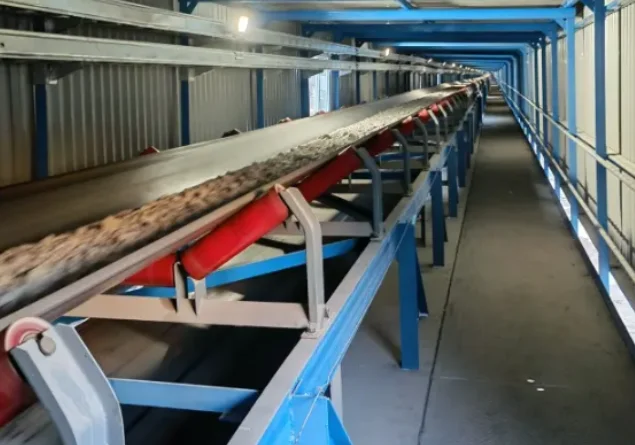
The journey from conceptualizing an optimized workflow to realizing it through a state-of-the-art conveyor system is a strategic imperative for any organization aiming for sustained success in today's fiercely competitive environment. As demonstrated, the evolution of these systems extends far beyond simple transportation, encompassing intricate integration with advanced analytics, artificial intelligence, and robust automation platforms. Businesses that strategically invest in tailored, technologically advanced conveyor solutions witness tangible benefits: a significant uplift in operational efficiency, quantifiable reductions in labor and energy costs, a dramatic improvement in workplace safety, and a marked increase in overall throughput. These gains directly translate into enhanced profitability and a superior competitive position.
The decision to upgrade or implement a new conveyor system is not merely a capital expenditure; it is a long-term investment in the foundational agility and resilience of an enterprise. By embracing customization, leveraging the latest technical innovations, and partnering with providers who offer comprehensive support, companies can design and deploy systems that are not only perfectly suited to their current operational demands but also inherently scalable and adaptable to future market shifts. From the relentless pace of e-commerce fulfillment to the rigorous demands of heavy industry, the right conveyor infrastructure acts as the silent, tireless engine driving progress and ensuring seamless material flow. Ultimately, the continuous pursuit of excellence in material handling, anchored by intelligent conveyor technology, is non-negotiable for organizations committed to optimizing every facet of their operations and securing a leading edge in the global marketplace.
Frequently Asked Questions (FAQs) about Conveyor Systems
Q1: What is a conveyor system and what is its primary purpose?
A: A conveyor system is a mechanical handling equipment that moves materials from one location to another. Its primary purpose is to transport goods, products, or bulk materials efficiently and safely within a facility, reducing manual labor, improving workflow, and enhancing overall productivity in various industrial and commercial settings.
Q2: What are the main types of conveyor systems available?
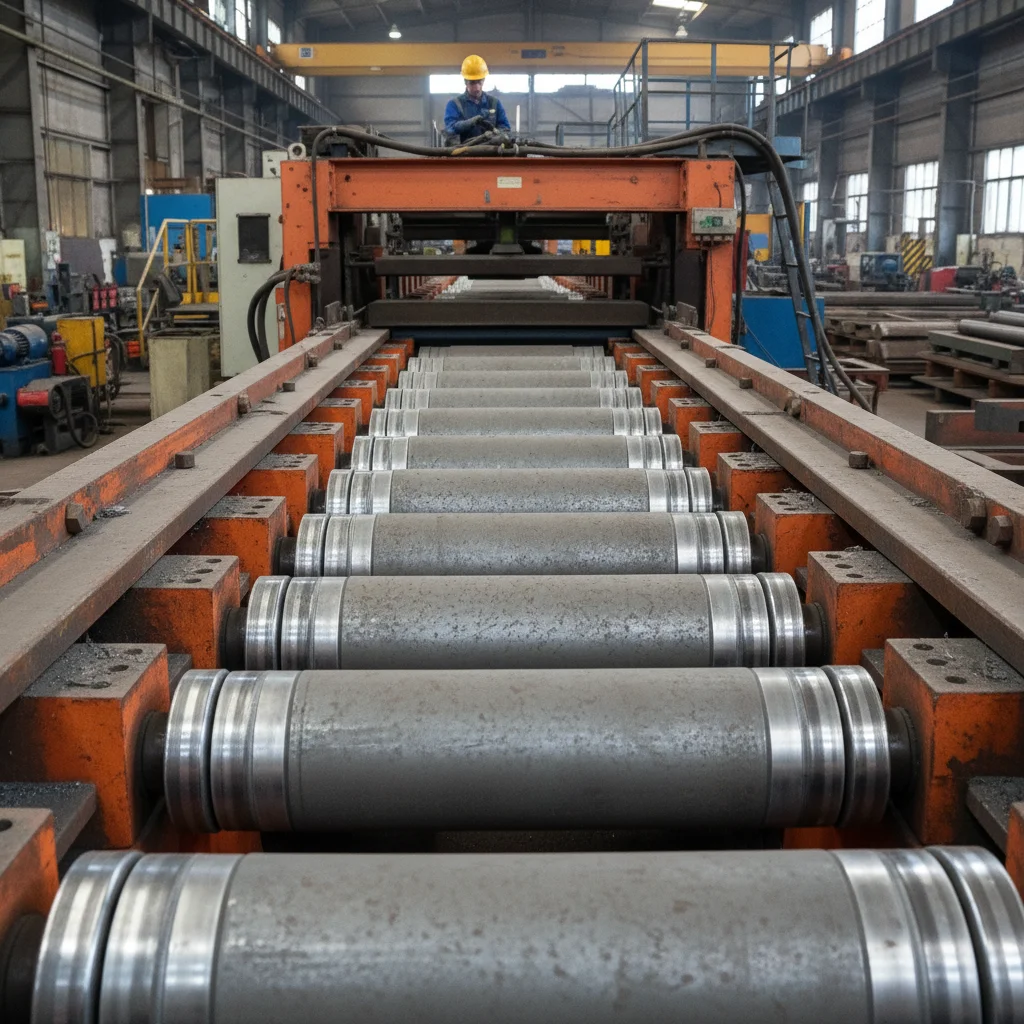
A: There are numerous types, each suited for different applications. Common types include belt conveyors (for general purpose, bulk, or packaged goods), roller conveyors (powered or gravity-fed), chain conveyors (for heavy or uneven loads), slat conveyors, screw conveyors (for granular or powdered materials), overhead conveyors (for maximizing floor space), and pneumatic conveyors (for delicate items or fine powders).
Q3: How can a conveyor system improve operational efficiency?
A: Conveyor systems improve efficiency by automating repetitive tasks, creating a continuous flow of materials, reducing transit times between workstations, minimizing human error, optimizing space utilization, and allowing for consistent throughput. This leads to reduced labor costs, faster processing times, and increased overall output.
Q4: What factors should be considered when selecting a conveyor system?
A: Key factors include the type of material being transported (weight, size, shape, fragility, temperature), throughput requirements (speed, volume), available space and layout, environmental conditions (dust, moisture, temperature extremes), integration with existing systems (WMS, robotics), budget, and future scalability needs.
Q5: Are modern conveyor systems energy efficient?
A: Yes, modern conveyor systems are increasingly designed with energy efficiency in mind. They incorporate features like high-efficiency motors, variable frequency drives (VFDs) for speed control, regenerative braking, and optimized routing algorithms. These advancements can lead to significant reductions in power consumption compared to older models.
Q6: What role does automation and IoT play in contemporary conveyor systems?
A: Automation and IoT (Internet of Things) are pivotal. Sensors collect real-time data on system performance, material flow, and potential issues. This data is used for predictive maintenance, optimizing routes, balancing loads, and integrating with other smart factory systems. AI and machine learning can further enhance efficiency by autonomously adjusting operations for peak performance.
Q7: How important is customization for conveyor systems?
A: Customization is highly important because every facility and product has unique requirements. A bespoke conveyor system is designed to fit specific product characteristics, facility layouts, operational workflows, and integration needs, ensuring maximum efficiency, safety, and longevity, which generic, off-the-shelf solutions often cannot achieve.