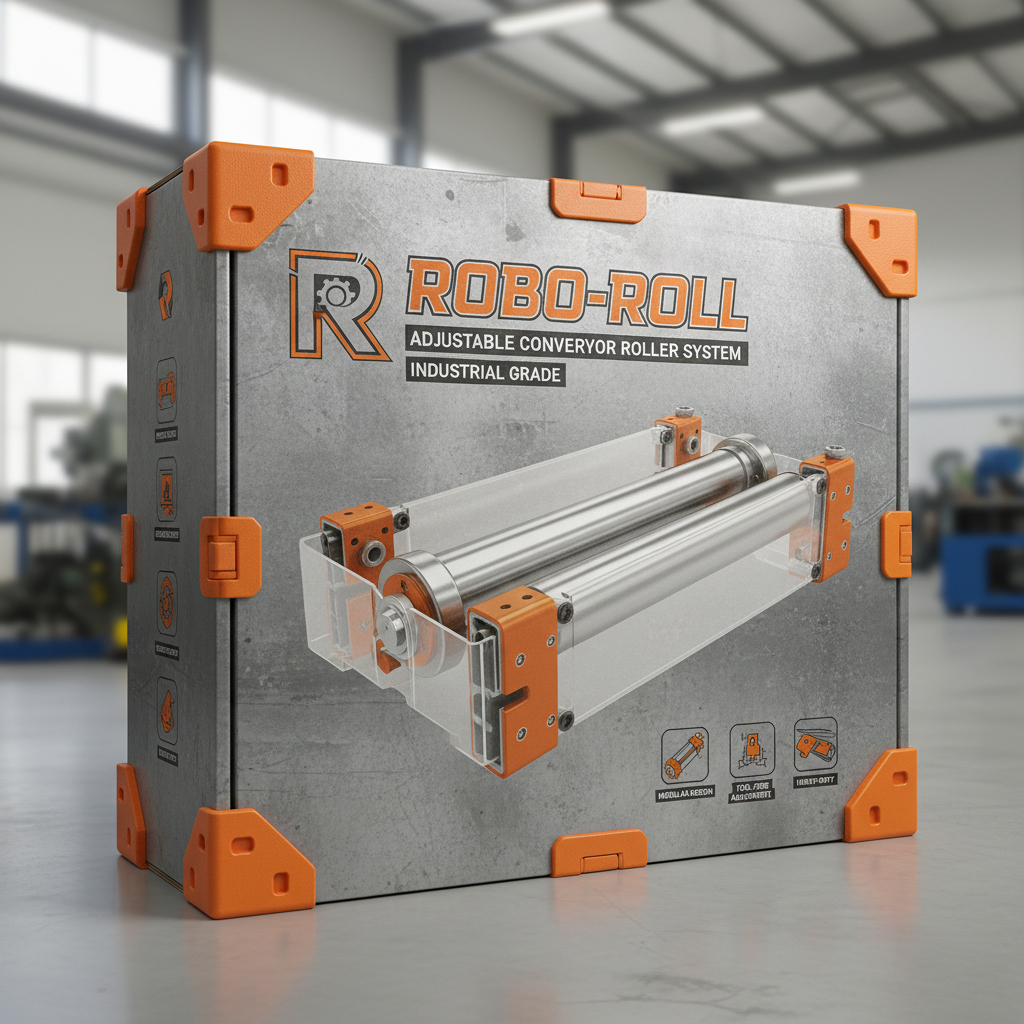
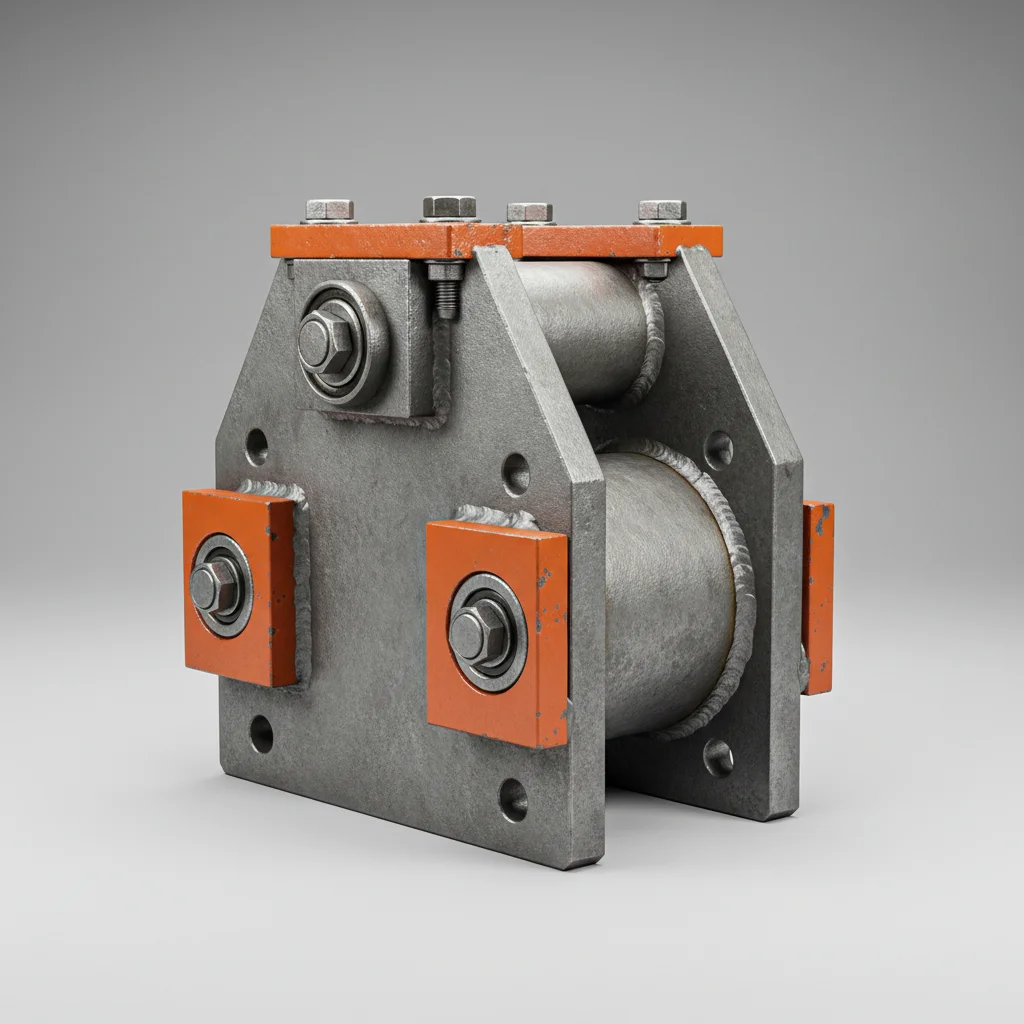
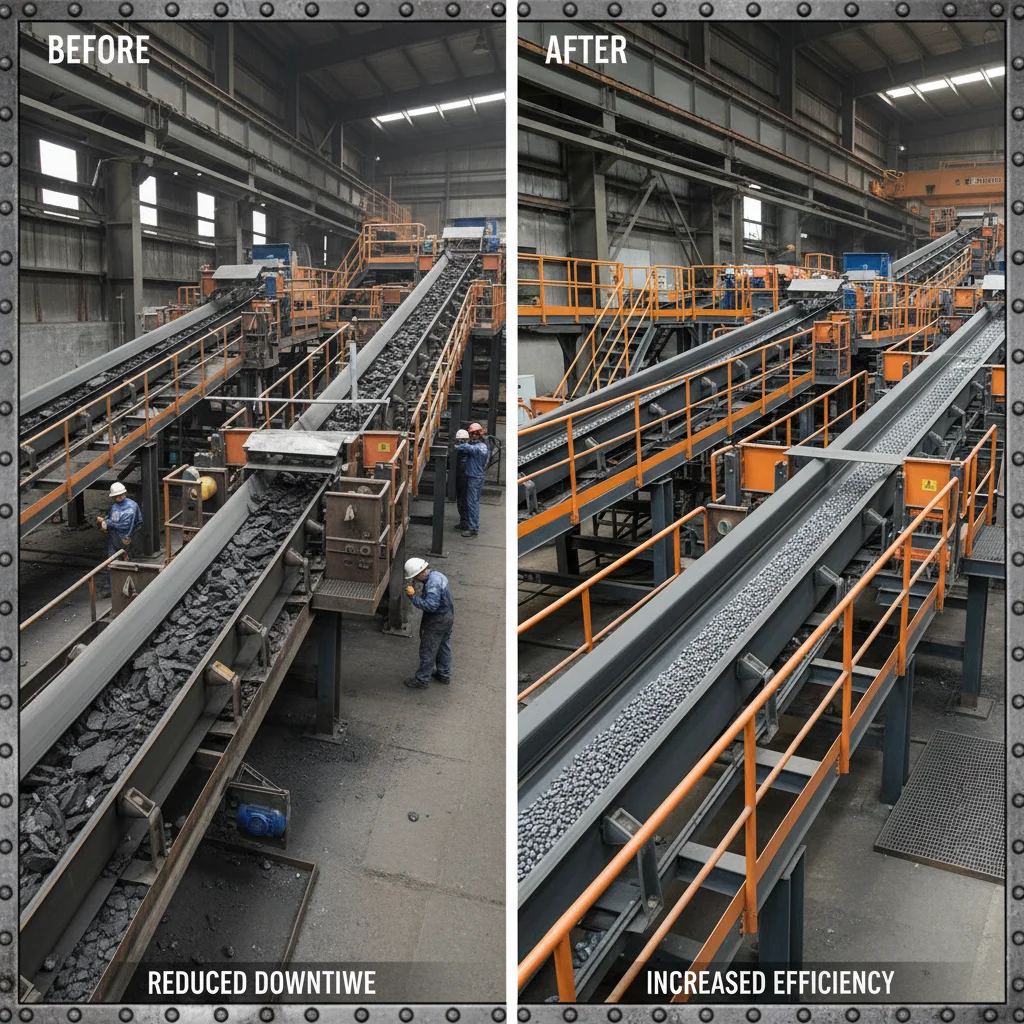
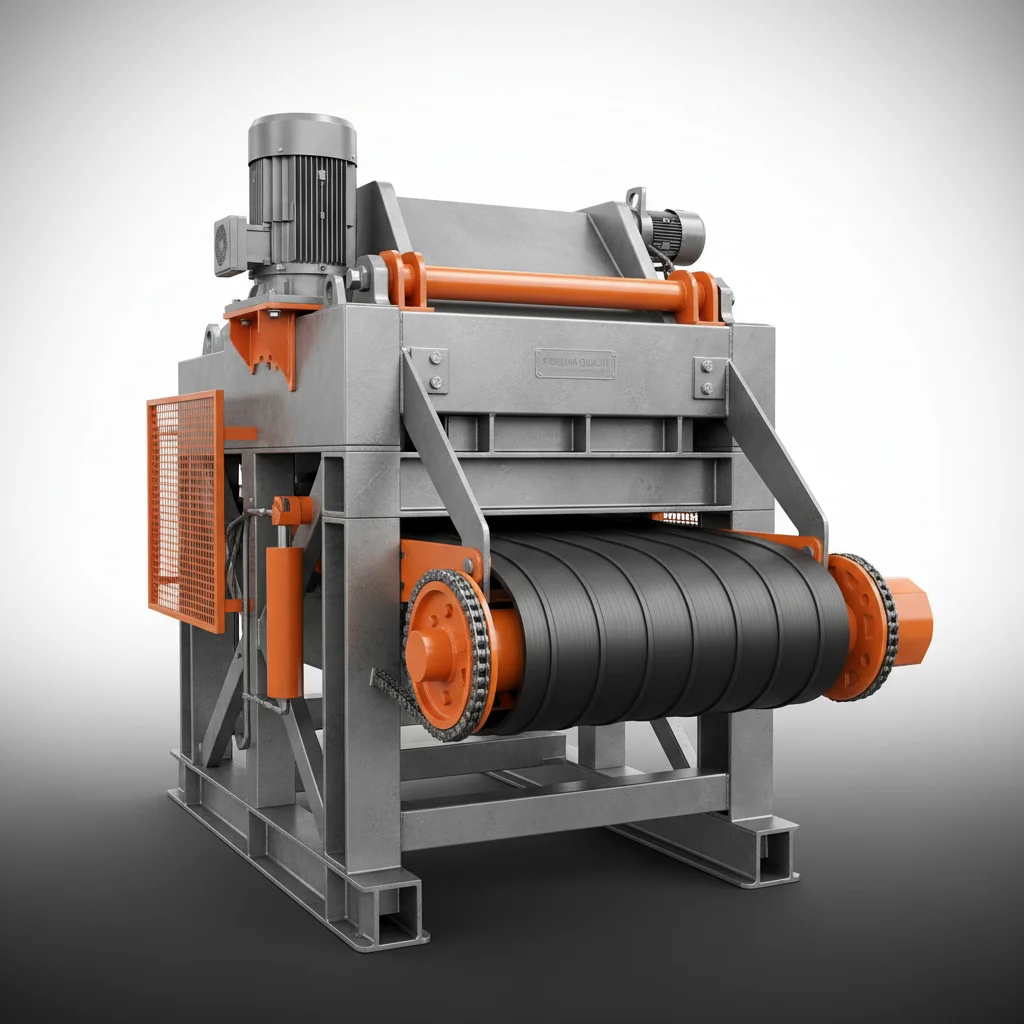
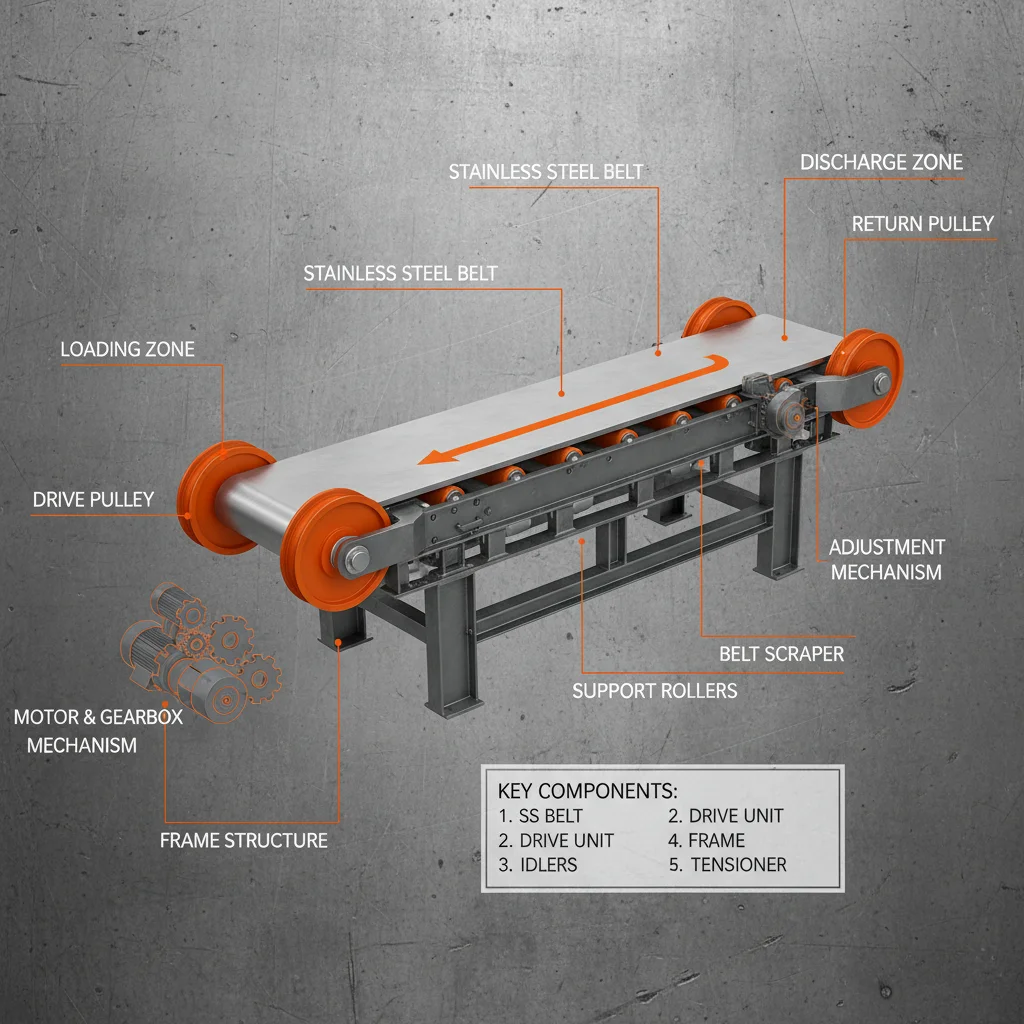
In material handling systems, the efficiency and reliability of your conveyors are paramount. A crucial component often overlooked is the adjustable conveyor roller. These rollers aren’t just about moving products; they’re about optimizing workflow, reducing downtime, and protecting your valuable goods. Selecting the appropriate adjustable conveyor rollers can dramatically improve your operational effectiveness. This article will guide you through the benefits, applications, key considerations, and types of adjustable conveyor rollers, helping you make the best choice for your specific requirements. Understanding the nuances of these components can lead to significant improvements in your overall system performance.
The Benefits of Using Adjustable Conveyor Rollers
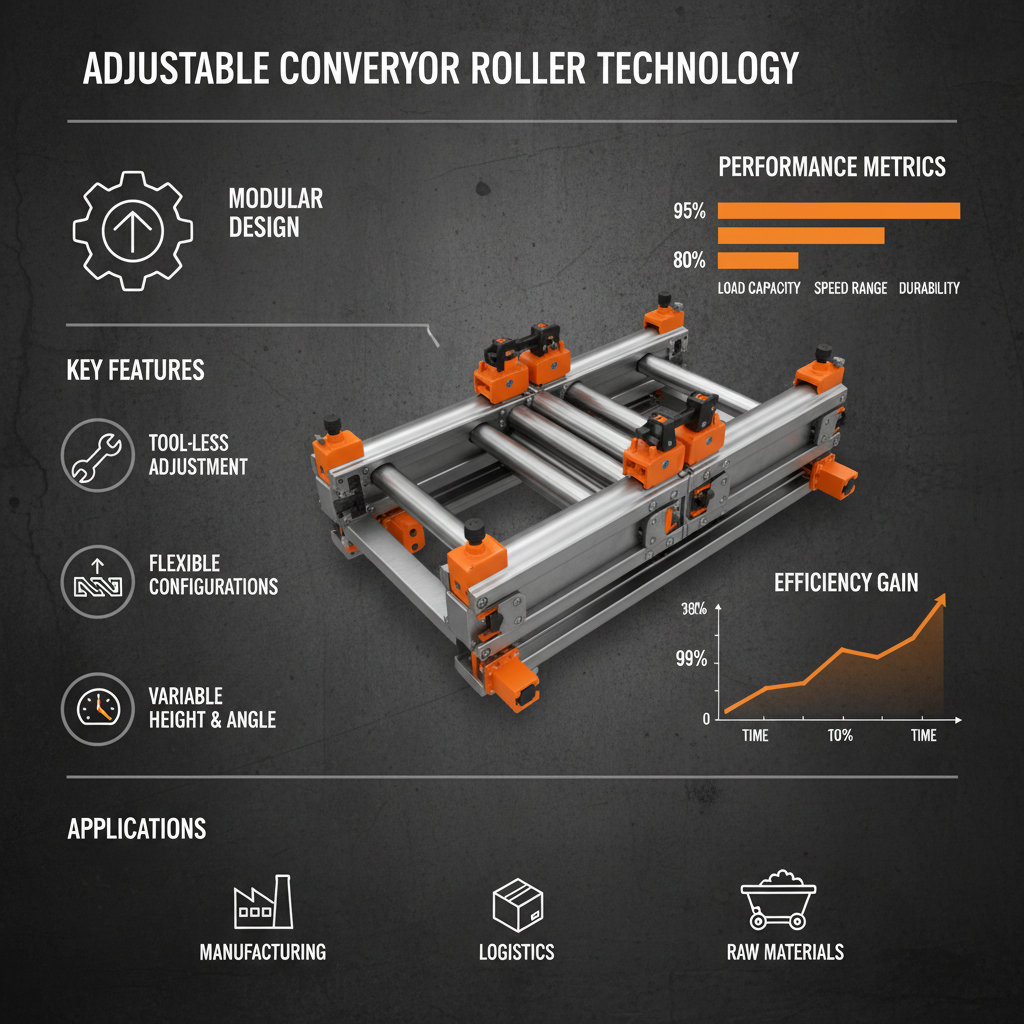
Adjustable conveyor rollers offer a multitude of advantages over fixed rollers. The primary benefit is their adaptability. They can be easily adjusted to accommodate varying load weights, product sizes, and conveyor speeds. This flexibility is particularly valuable in dynamic environments where product flow changes frequently. Furthermore, adjustable rollers reduce the risk of product damage by providing controlled support. This is crucial when handling delicate or fragile items. Improved alignment and reduced friction also contribute to longer roller lifespan and decreased maintenance costs. Investing in adjustable conveyor rollers translates to increased efficiency and reduced operational expenditure.
Key Advantages: Adaptability to varying loads, reduced product damage, improved alignment, longer lifespan, and decreased maintenance.
Applications of Adjustable Conveyor Rollers Across Industries
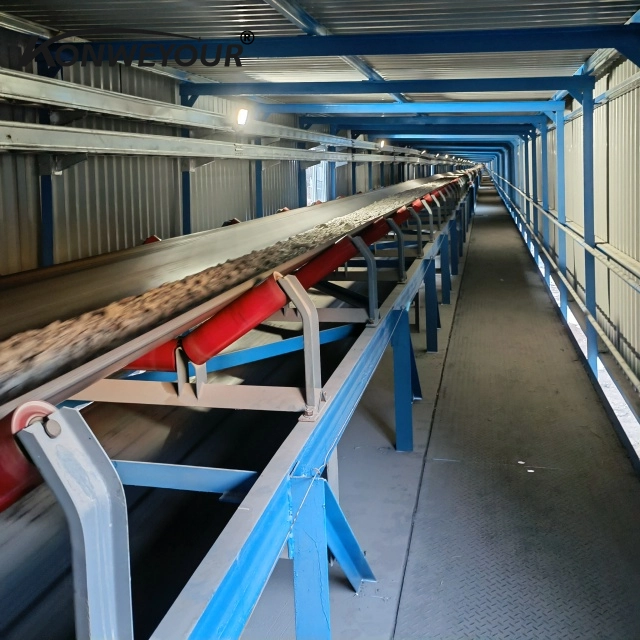
The versatility of adjustable conveyor rollers makes them suitable for a wide array of industries. In warehousing and distribution centers, they streamline the movement of packages and pallets. Manufacturing facilities utilize them for assembly lines and work-in-progress handling. Food processing plants rely on their hygienic design and ability to handle delicate products. Airport baggage handling systems benefit from their durability and ability to withstand heavy loads. Even in retail environments, adjustable rollers can enhance efficiency in sorting and shipping departments. Essentially, any industry dealing with material flow can benefit from implementing these rollers. JT Conveyor provides solutions tailored to each industry's unique demands.
Industry Applications:
• Warehousing & Distribution
• Manufacturing
• Food Processing
• Airport Baggage Handling
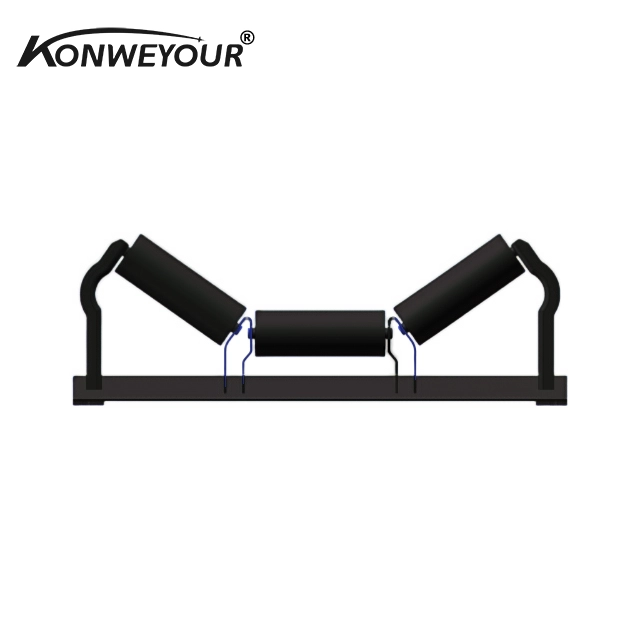
There are several types of adjustable conveyor rollers available, each designed for specific applications. Powered rollers utilize a motor to drive the conveyor belt, ideal for long distances and heavy loads. Non-powered rollers, also known as gravity rollers, rely on the slope of the conveyor to move products. Stepped rollers provide a segmented adjustment for precise control. Polyurethane rollers are popular for their durability and resistance to abrasion. Steel rollers are robust and suitable for heavy-duty applications. Adjustability features often include threaded adjustments, cam adjustments, and lever adjustments, each offering different levels of precision and ease of use. Choosing the correct roller type and adjustability feature is vital for optimal performance.
| Roller Type |
Features |
Applications |
| Powered Rollers |
Motorized, Variable Speed Control |
Long Conveyor Lines, Heavy Loads |
| Non-Powered (Gravity) Rollers |
Simple, Cost-Effective |
Short Conveyor Runs, Light Loads |
| Polyurethane Rollers |
Durable, Abrasion Resistant |
General Purpose, Moderate Loads |
| Steel Rollers |
High Strength, Heavy Duty |
Heavy Loads, Harsh Environments |
Key Considerations When Selecting Adjustable Conveyor Rollers
Selecting the right adjustable conveyor rollers requires careful consideration of several factors. First, determine the maximum load weight the rollers will need to support. Second, assess the size and shape of the products being conveyed. Third, consider the conveyor's speed and length. Fourth, evaluate the environmental conditions, such as temperature, humidity, and exposure to chemicals. Finally, factor in your budget and maintenance requirements. JT Conveyor offers expert guidance to help you navigate these considerations and choose the best solution for your needs.
Choosing the Right Supplier for Your Adjustable Conveyor Roller Needs
Partnering with a reputable supplier is crucial for ensuring the quality and reliability of your adjustable conveyor rollers. Look for a supplier with a proven track record, extensive product range, and excellent customer support. A supplier who can provide custom solutions tailored to your specific requirements is also highly valuable. Consider factors such as lead times, warranty policies, and after-sales service. JT Conveyor stands out as a trusted partner, offering high-quality rollers, expert engineering support, and exceptional customer service.
Conclusion: Optimize Your Material Handling with the Right Adjustable Conveyor Rollers
Investing in the right adjustable conveyor rollers is a strategic decision that can significantly enhance your material handling efficiency and reduce operational costs. By understanding the different types, features, and key considerations, you can make an informed choice that meets your specific needs. JT Conveyor is your trusted partner for high-quality rollers, expert guidance, and exceptional service. Don't compromise on performance – choose the right rollers for your success.
Frequently Asked Questions (FAQs)
What is the typical lifespan of adjustable conveyor rollers?
The lifespan of adjustable conveyor rollers varies depending on factors such as load weight, operating environment, and maintenance schedule. However, with proper maintenance, high-quality steel rollers can last for 10 years or more, while polyurethane rollers generally have a lifespan of 5-7 years. Regular inspections for wear and tear, lubrication of bearings, and timely replacement of worn components are crucial for maximizing their lifespan. JT Conveyor offers a comprehensive maintenance program to help you extend the life of your rollers.
How do I adjust the height of adjustable conveyor rollers?
The adjustment method varies depending on the roller type. Most adjustable rollers feature threaded adjustments, cam adjustments, or lever adjustments. Threaded adjustments involve rotating a threaded rod to raise or lower the roller. Cam adjustments use a cam mechanism to lock the roller at different heights. Lever adjustments provide quick and easy height adjustments using a lever mechanism. Refer to the manufacturer's instructions for specific guidance on adjusting your rollers. JT Conveyor's team can provide detailed instructions and support.
What maintenance is required for adjustable conveyor rollers?
Regular maintenance is essential for ensuring the optimal performance and longevity of adjustable conveyor rollers. Key maintenance tasks include lubricating bearings, inspecting for wear and tear, tightening loose fasteners, and cleaning rollers to remove debris. Periodic alignment checks are also important. Following a preventative maintenance schedule can significantly reduce downtime and prevent costly repairs. JT Conveyor offers preventative maintenance contracts and spare parts to keep your system running smoothly.
Can adjustable conveyor rollers be used in corrosive environments?
Yes, but it requires selecting rollers made from corrosion-resistant materials such as stainless steel or coated with protective finishes. Standard steel rollers are susceptible to corrosion in harsh environments. When operating in corrosive environments, it's also important to use corrosion-resistant bearings and fasteners. JT Conveyor offers a range of corrosion-resistant rollers designed for challenging applications.