Understanding the Crucial Role of Conveyor Components: Data and Impact
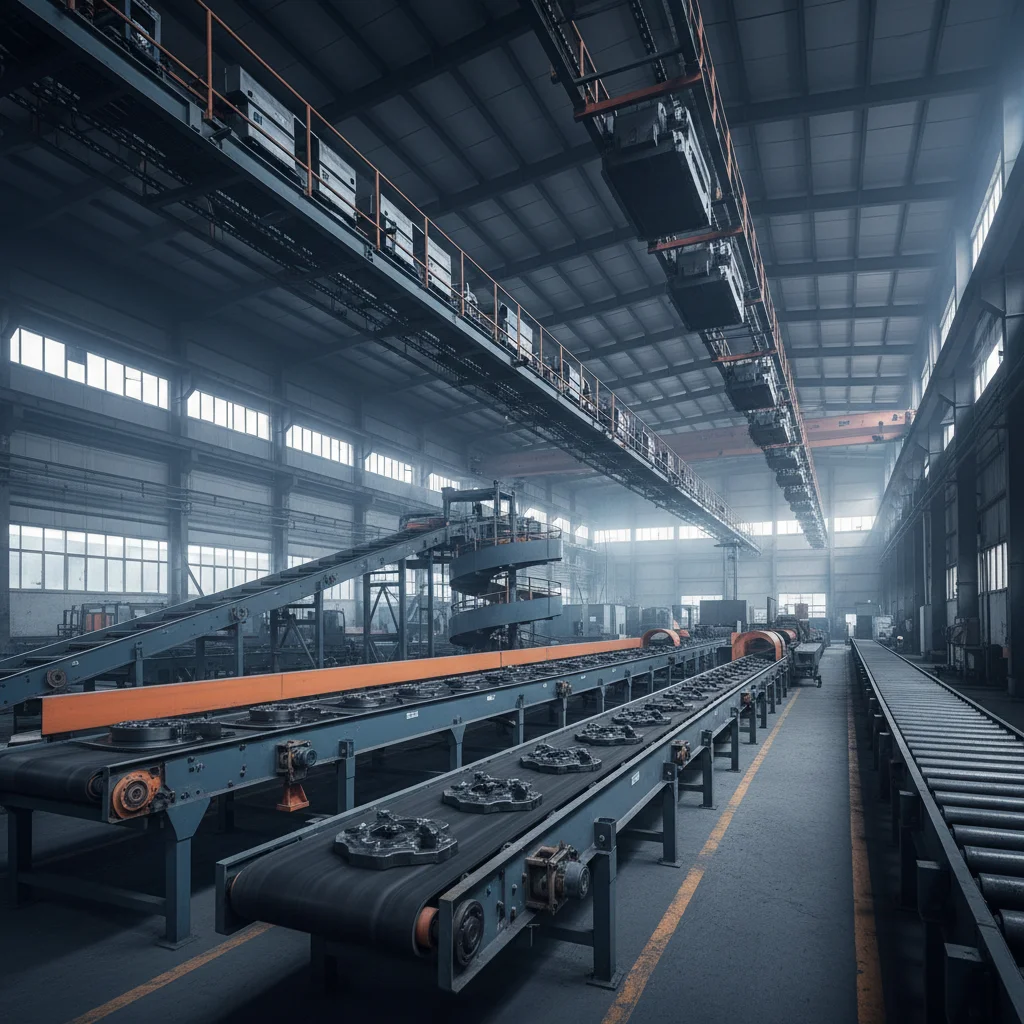
In the vast landscape of industrial automation, conveyor systems stand as the silent workhorses, tirelessly moving materials across manufacturing lines, distribution centers, and processing plants. At the heart of every efficient system lies a meticulously engineered collection of conveyor components. These aren't merely individual parts; they are the synchronized elements that dictate the speed, reliability, and overall productivity of an entire operation. The impact of their performance, or lack thereof, is quantifiable and profound. Industry analytics consistently highlight that downtime due to conveyor system failures costs manufacturers billions annually. For instance, a recent report by Grand View Research estimated the global conveyor systems market size at approximately USD 20.3 billion in 2022, with projections indicating a robust compound annual growth rate (CAGR) of 5.1% from 2023 to 2030. This growth underscores the increasing reliance on these systems and, by extension, the critical importance of their underlying components. Even a momentary malfunction, perhaps a worn roller bearing or a misaligned belt, can cascade into significant production bottlenecks, delayed shipments, and substantial financial losses. The financial toll isn't just direct; it extends to labor costs for repairs, missed deadlines impacting client relationships, and potential reputational damage. Therefore, understanding the strategic value and selecting high-quality conveyor components is not just an operational decision, but a fundamental business imperative that directly influences a company's bottom line and competitive edge. The sheer volume of goods moved globally by conveyor systems each day is staggering, emphasizing that the integrity of each component is paramount to sustaining this vast logistical ecosystem.
Unveiling Technical Advancements and Performance Advantages in Modern Conveyor Components
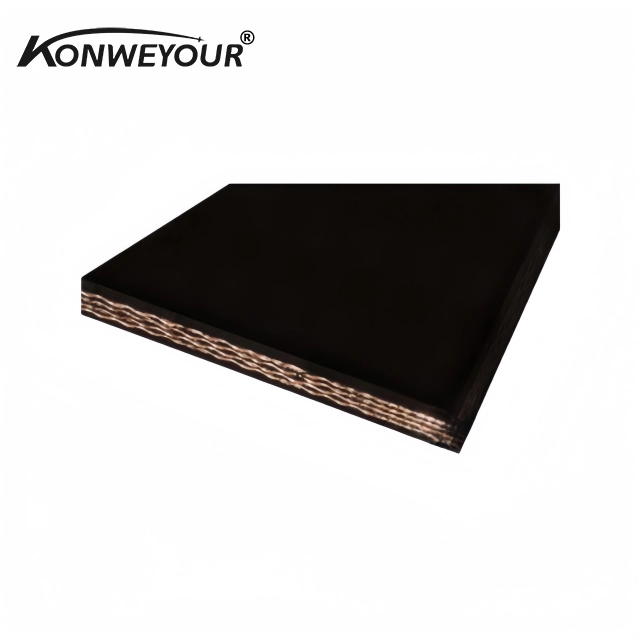
The evolution of conveyor components has been driven by relentless innovation, pushing the boundaries of material science, engineering precision, and integrated smart technologies. Modern components are a far cry from their predecessors, offering unparalleled performance advantages that directly translate into operational efficiency, reduced maintenance, and enhanced safety. Consider the advancements in conveyor belts: once primarily rubber, today's belts incorporate multi-ply fabrics, aramid fibers, and specialized compounds designed for extreme temperatures, chemical resistance, or superior abrasion resistance. These innovations extend belt life by up to 40% in demanding environments, drastically cutting replacement costs and associated downtime. Rollers and idlers, often overlooked, now feature sealed-for-life bearings, composite materials that reduce friction and noise, and modular designs facilitating quicker replacement. For instance, advanced low-friction bearings can reduce energy consumption by up to 15% in long conveyor lines, offering significant operational savings over time. Drive systems have transitioned to more energy-efficient motors, often paired with variable frequency drives (VFDs) that optimize speed and torque based on load, further reducing power consumption by an average of 20-30% compared to traditional fixed-speed systems. Furthermore, the integration of smart sensors into components like belt scales, metal detectors, and proximity sensors provides real-time data on system performance, enabling predictive maintenance. This proactive approach allows operators to identify potential issues before they escalate into costly failures, moving away from reactive repairs towards a more intelligent, data-driven maintenance strategy. The precision engineering of these components minimizes wear and tear across the entire system, leading to a longer operational lifespan and a more reliable material handling process. These technological leaps ensure that modern conveyor systems are not just faster, but also smarter, safer, and significantly more sustainable.
Strategic Manufacturer Comparison for Optimal Conveyor Component Selection
Choosing the right manufacturer for your conveyor components is a critical decision that impacts system longevity, operational efficiency, and overall cost of ownership. The market is saturated with options, ranging from global behemoths to niche specialists, each offering distinct advantages and disadvantages. A thorough comparison based on key criteria is essential for making an informed choice that aligns with your specific operational requirements and budget. We've compiled a comparative overview of typical manufacturer profiles to illustrate the spectrum of choices available:
Criteria | Global Industry Leader (e.g., Manufacturer A) | Specialized Innovation Hub (e.g., Manufacturer B) | Cost-Effective Volume Provider (e.g., Manufacturer C) |
Material Quality & Durability | Premium, often proprietary alloys and composites. 5+ year warranties common. | High-performance, often cutting-edge materials for specific applications. 3-5 year warranties. | Standard industrial-grade materials. 1-2 year warranties. |
Technological Innovation | Pioneers in R&D, often setting industry standards. Patented smart features. | Focus on specific technological niches (e.g., low-friction, high-temp, modular designs). | Adopts proven technologies, less R&D investment. |
Customization Capabilities | Extensive, with dedicated engineering teams for bespoke solutions. High design flexibility. | Exceptional for specific, complex challenges within their specialty. | Limited to minor modifications of standard products. |
Price Point | Highest initial investment, but often lowest total cost of ownership (TCO) due to longevity. | Mid-to-high, reflecting specialized expertise and materials. | Lowest initial cost, but potentially higher TCO due to shorter lifespan/maintenance. |
Lead Times | Generally stable for standard components, but custom solutions can have longer lead times. | Varies significantly based on project complexity; can be longer for highly specialized orders. | Typically shortest for standard, high-volume components. |
After-Sales Support & Global Reach | Global network, comprehensive support, training, and parts availability. | Strong technical support within their niche; regional service networks. | Basic support, often through distributors; limited global reach. |
Certifications & Compliance | Usually holds numerous international certifications (ISO, CE, FDA for relevant sectors). | Specific industry certifications relevant to their specialization. | Basic industry standards compliance. |
This comparison highlights that while a "Cost-Effective Volume Provider" might seem appealing initially due to lower prices, a "Global Industry Leader" often provides a superior return on investment through durability, innovation, and comprehensive support, leading to fewer breakdowns and longer system life. Similarly, a "Specialized Innovation Hub" can be invaluable for unique operational challenges where off-the-shelf solutions simply won't suffice. The optimal choice depends entirely on your specific application, budget constraints, and long-term strategic goals for your conveyor systems.
Tailored Excellence: Crafting Custom Conveyor Component Solutions for Unique Demands
While standardized conveyor components serve a wide range of industrial needs, a significant portion of modern manufacturing and logistics operations face unique challenges that demand bespoke solutions. From highly corrosive environments in chemical processing to extreme temperatures in foundries, or stringent hygiene requirements in food and pharmaceutical production, off-the-shelf parts often fall short. This is where the art and science of custom component engineering become indispensable. The process typically begins with an in-depth consultation, where engineers collaborate closely with clients to understand every nuance of their application. This involves analyzing factors such as material characteristics (abrasive, sticky, fragile), environmental conditions (temperature, humidity, chemical exposure), load requirements, speed variations, and spatial constraints. Advanced CAD/CAM software is then employed to design components that precisely fit these parameters, optimizing for performance and longevity. Material selection is paramount; for instance, a food processing line might require components made from FDA-approved polymers or specific grades of stainless steel to prevent contamination, while a mining operation might need ultra-hardened alloys or specialized ceramic coatings to withstand severe abrasion. Prototype development and rigorous testing follow, ensuring that the custom-designed component performs exactly as intended under simulated or actual operating conditions. One key advantage of custom solutions is the ability to integrate multiple functions into a single component, streamlining assembly and reducing potential points of failure. For example, a custom-designed transfer plate could incorporate specific contours for gentle handling of delicate electronics while also featuring integrated sensors for precise positioning. This level of tailored excellence not only addresses specific pain points but also often results in improved overall system efficiency, reduced maintenance intervals, and significantly extended operational life, providing a strong competitive advantage. Investing in custom components ensures that your conveyor system is perfectly optimized for its unique mission, rather than making do with a generic fit.
Real-World Impact: Diverse Application Case Studies of Advanced Conveyor Components
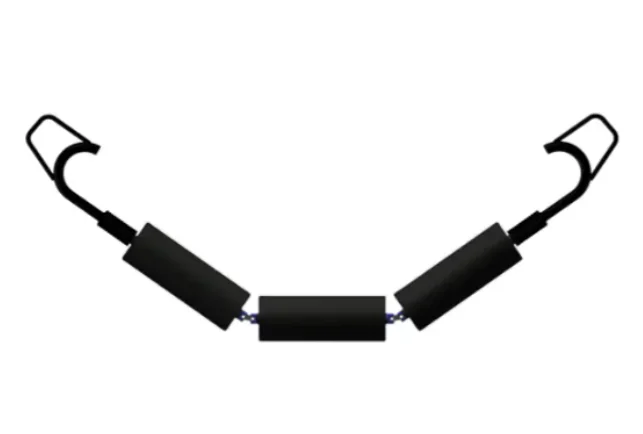
The true measure of advanced conveyor components lies in their real-world impact across diverse industries, transforming operational challenges into successes. These case studies highlight how strategic component selection and customization lead to tangible benefits, from increased throughput to significant cost savings.
Case Study 1: High-Speed E-commerce Fulfillment Center
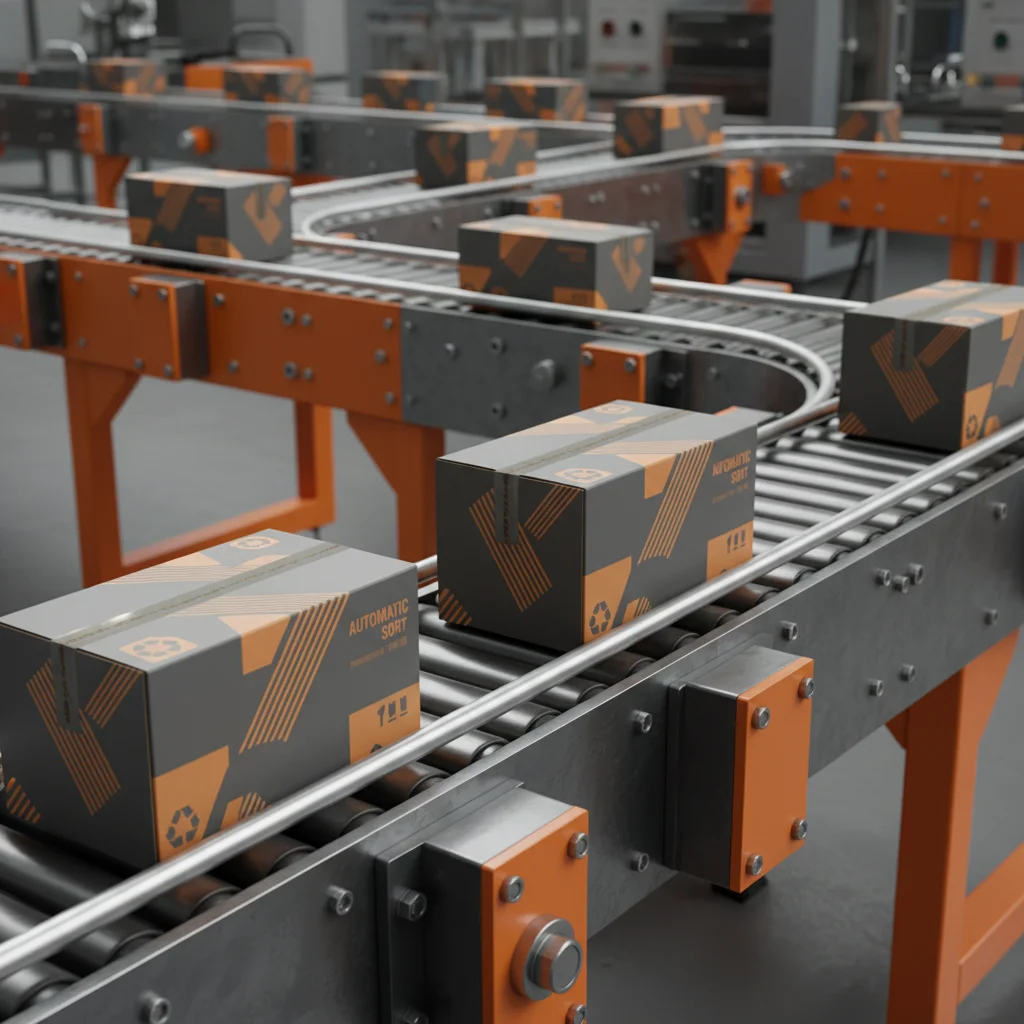
A leading global e-commerce giant was grappling with bottlenecks in its package sorting facility, where standard components struggled to keep pace with peak demand, leading to frequent belt slippages and roller failures. After an in-depth analysis, the facility upgraded its primary sorting lines with high-friction, modular belting and self-lubricating, precision-machined rollers. The new components were designed for sustained high-speed operation (up to 300 parcels per minute) and incorporated advanced polymer compounds resistant to dust and minor impacts. The result? A documented 25% increase in throughput efficiency during peak seasons, coupled with a 40% reduction in unscheduled downtime related to conveyor component failure within the first year. This allowed the company to process an additional 1.2 million packages monthly, directly impacting customer satisfaction and delivery speed.
Case Study 2: Underground Coal Mining Operation
A large-scale underground coal mine in Australia faced severe challenges with premature wear of its heavy-duty conveyor system, particularly its idler rollers and belt fasteners, due to extreme abrasive conditions and constant exposure to moisture and dust. Traditional components lasted mere months, incurring massive replacement costs and safety risks during maintenance in confined spaces. The solution involved implementing specialized heavy-duty idlers with ceramic-coated shells and triple-sealed bearings, alongside innovative mechanical belt fasteners designed for superior grip and minimal protrusion. These components were specifically engineered to withstand a staggering 5,000+ tons of material per hour. Post-implementation, the mine reported an astounding 70% extension in the lifespan of critical idler rollers and a 55% decrease in belt fastener failures. This translated into an annual saving of over $2 million in maintenance and replacement parts, significantly enhancing worker safety by reducing the frequency of hazardous underground repairs.
Case Study 3: Pharmaceutical Manufacturing Plant
A pharmaceutical company required a new conveyor system for transporting delicate vials through a sterile filling and packaging line. The critical requirements were absolute minimal vibration, precise positioning, and components that met strict FDA and GMP (Good Manufacturing Practice) hygiene standards. The solution involved a custom-engineered system utilizing specialized low-vibration belting made from medical-grade polyurethane, precision-machined plastic rollers with non-contact bearings, and a custom-designed accumulation table featuring gentle-handling components. Each component was selected for its non-shedding properties and ease of aseptic cleaning. The new system achieved an remarkable 99.9% product integrity rate, virtually eliminating product damage during conveyance, and ensured full compliance with regulatory standards. Furthermore, the system’s high-precision movement contributed to a 15% improvement in filling accuracy and reduced product loss, directly impacting batch quality and yield. These diverse examples powerfully demonstrate how targeted investments in advanced and custom-engineered components deliver measurable, transformative results across industrial sectors.
Beyond Installation: Longevity, Maintenance, and Future Trends in Conveyor Systems
The lifecycle of conveyor systems extends far beyond initial installation, with the long-term performance heavily influenced by judicious maintenance strategies and the foresight in component selection. High-quality conveyor components are intrinsically designed for longevity, but their sustained performance relies on a robust preventative maintenance regimen. This includes regular inspections of belts for wear and tear, lubrication of moving parts, tension adjustments, and monitoring of rollers and idlers for signs of fatigue or misalignment. Predictive maintenance, increasingly empowered by IoT sensors integrated into components, plays a pivotal role. These sensors collect real-time data on temperature, vibration, speed, and current draw, transmitting information to a central monitoring system. Algorithms analyze this data to predict potential component failures, allowing for proactive replacements during scheduled downtime, thereby averting catastrophic and costly unscheduled interruptions. This shift from reactive to predictive maintenance can reduce maintenance costs by 20-30% and improve asset availability by 10-15%. Looking ahead, the future of conveyor systems and their components is shaped by several transformative trends. Automation and robotics will continue to integrate more deeply, demanding components that offer greater precision, agility, and interoperability. The drive towards sustainability is pushing manufacturers to develop components from recycled or bio-based materials, and to design for easier end-of-life recycling. Additive manufacturing (3D printing) is also emerging as a game-changer for producing highly customized or geometrically complex components on demand, reducing lead times and material waste for specialized applications. Furthermore, the integration of artificial intelligence (AI) with sensor data promises even more sophisticated predictive capabilities, optimizing component usage and replacement schedules to an unprecedented degree. Investing in components that are future-proofed through smart technology and sustainable design principles ensures that today's conveyor systems remain efficient, reliable, and relevant in tomorrow's industrial landscape.
The Enduring Value of Superior Conveyor Components: A Strategic Investment
In conclusion, the efficacy of any material handling operation hinges critically on the quality and suitability of its conveyor components. Far from being mere commodities, these specialized parts are the backbone of industrial productivity, directly influencing operational uptime, energy consumption, maintenance overheads, and worker safety. The initial investment in superior components, though sometimes higher, consistently yields a far greater return through extended operational life, reduced downtime, lower energy costs, and a significant decrease in unexpected repair expenditures. We've explored how technical advancements have transformed these components into highly efficient, durable, and intelligent elements capable of meeting the most rigorous demands. The strategic decision-making involved in selecting the right manufacturer, whether a global leader, a specialized innovator, or a cost-effective provider, must always align with the unique requirements and long-term objectives of your specific application. Furthermore, the capacity for custom engineering allows businesses to tackle unique operational challenges with tailored solutions, maximizing efficiency and minimizing risks. Real-world application cases powerfully demonstrate how thoughtful component selection has led to dramatic improvements in throughput, safety, and cost savings across various industries. As industries continue to evolve, embracing automation, sustainability, and data-driven insights, the role of high-performance conveyor components will only become more central. They are not just parts; they are strategic assets that drive efficiency, reliability, and ultimately, profitability. Making an informed decision about these essential elements is an investment in the foundational strength and future success of your entire operational infrastructure.
Frequently Asked Questions (FAQ) About Conveyor Components
Q1: What are the primary types of conveyor components and their functions?
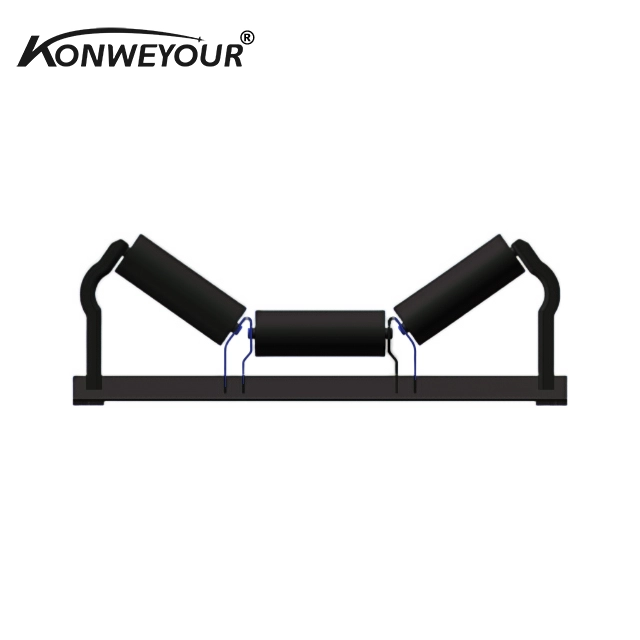
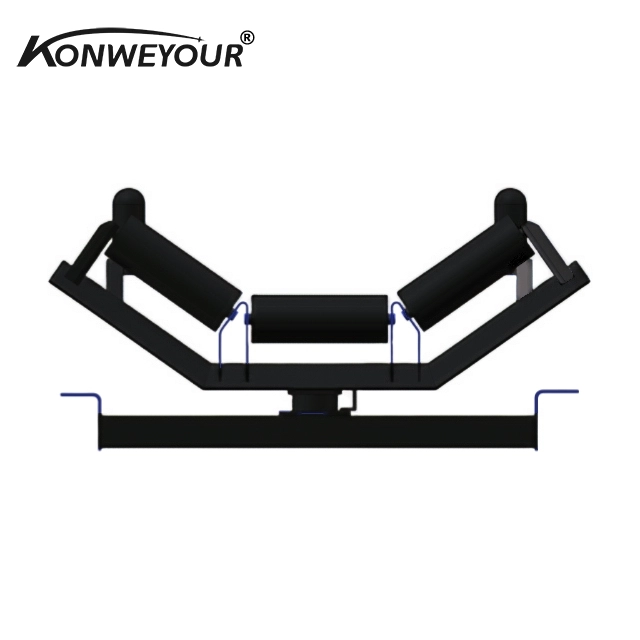
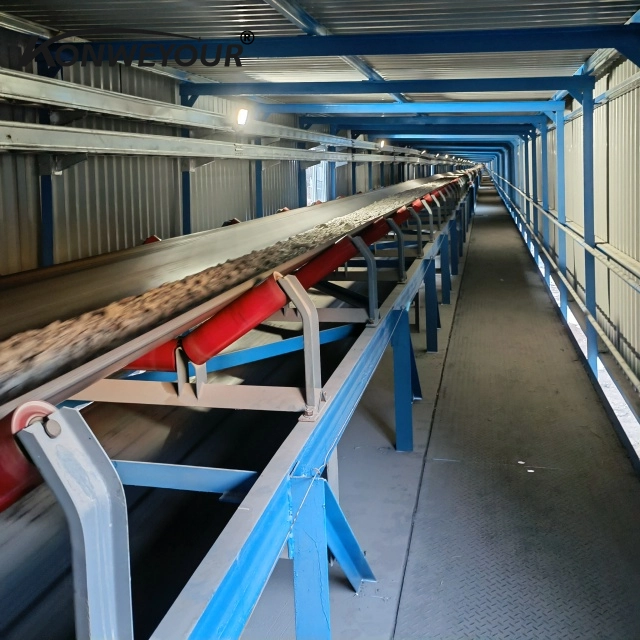
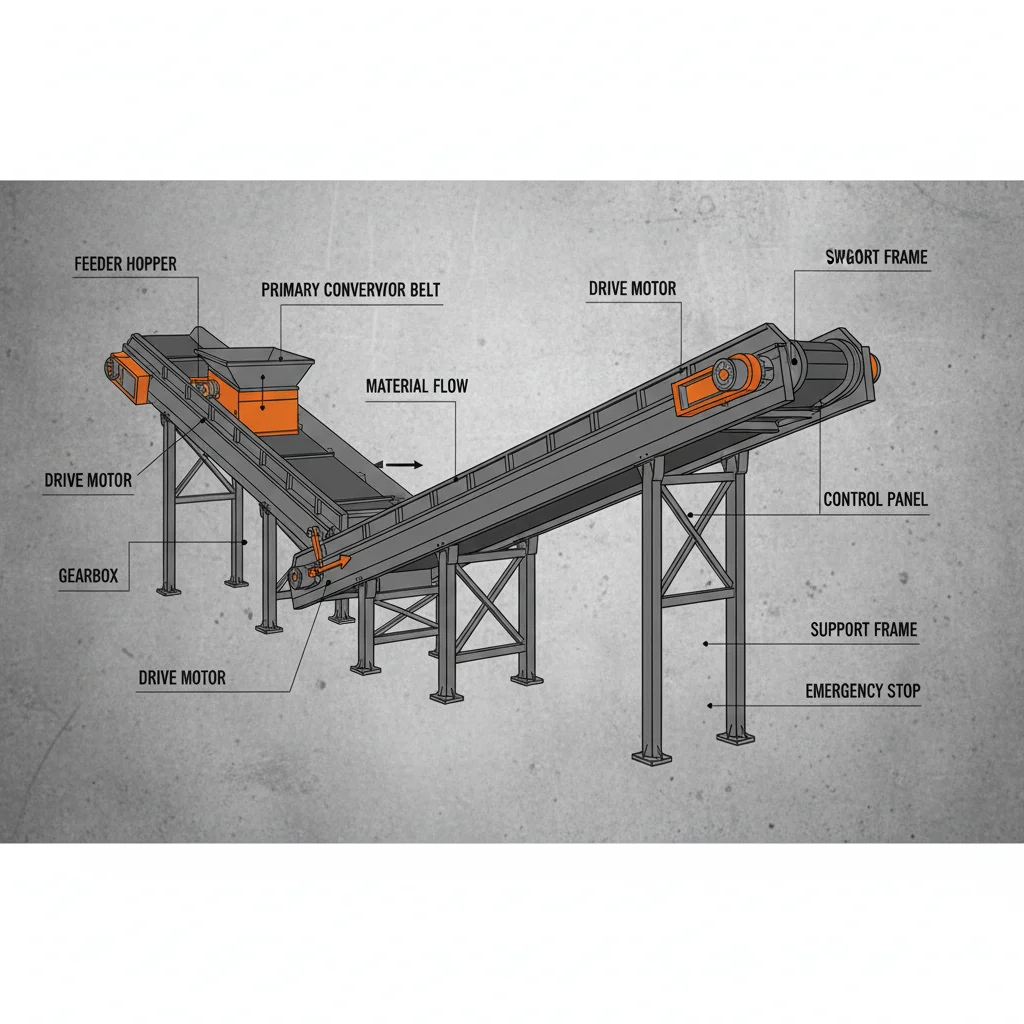
A1: The primary types include belts (for carrying materials), rollers/idlers (supporting the belt and material), frames (structural support), drive units (motors, gearboxes to power the system), pulleys (to guide and tension the belt), and various accessories like sensors, cleaners, and guards. Each component plays a crucial role in the system's overall function and efficiency.
Q2: How do I determine the right conveyor components for my specific application?
A2: Determining the right components involves considering several factors: the type and characteristics of the material being conveyed (abrasive, sticky, fragile), environmental conditions (temperature, moisture, chemicals), required throughput, conveying distance and incline, budget, and desired lifespan. Consulting with experienced engineers or manufacturers is highly recommended.
Q3: What are the key indicators of wear and tear in conveyor components that require attention?
A3: Key indicators include excessive noise or vibration from rollers, belts showing signs of fraying, cracking, or mistracking, motor overheating, unusual power consumption, material spillage along the conveyor path, and worn or seized bearings. Regular visual inspections and leveraging predictive maintenance technologies can help identify these early.
Q4: How do high-quality conveyor components contribute to energy efficiency?
A4: High-quality components contribute to energy efficiency through several means: low-friction bearings in rollers and idlers reduce the power needed to move the belt, lightweight yet durable belt materials lessen the overall load on the motor, and precision engineering minimizes misalignment and friction, all reducing the energy consumption required to operate the system.
Q5: Can existing conveyor systems be upgraded with modern, more efficient components?
A5: Yes, in many cases, existing conveyor systems can be significantly upgraded. Replacing outdated or worn components with modern, high-performance alternatives (e.g., energy-efficient motors, advanced composite rollers, or smart sensor-integrated belts) can dramatically improve efficiency, extend system life, and reduce maintenance costs without requiring a full system overhaul.
Q6: What role does customization play in selecting conveyor components?
A6: Customization is vital for applications with unique challenges, such as extreme environmental conditions, specific material handling requirements (e.g., very delicate or irregularly shaped items), or stringent regulatory standards (e.g., food-grade, explosion-proof). Custom components are designed to perfectly fit these niche demands, optimizing performance and reliability where standard parts would fail.
Q7: What is the expected lifespan of typical conveyor components and how can it be maximized?
A7: The lifespan varies greatly by component type and operating conditions, ranging from 1-2 years for some high-wear parts to 10+ years for robust structural elements. It can be maximized by selecting high-quality components designed for the specific application, implementing a rigorous preventative maintenance schedule, ensuring proper installation and alignment, and utilizing predictive maintenance technologies to address issues before they cause significant damage.