Understanding 3 Conveyor Roller Systems for Efficient Material Handling
In the realm of material handling, efficiency and reliability are paramount. 3 conveyor roller systems are a cornerstone of numerous industries, streamlining processes from warehousing and logistics to manufacturing and packaging. This article provides a comprehensive overview of these systems, exploring their benefits, applications, key components, and considerations for selecting the right solution. Investing in the correct roller system can dramatically improve productivity and reduce operational costs.
The Core Benefits of Using 3 Conveyor Roller Systems
3 conveyor roller systems offer a multitude of advantages for businesses seeking to optimize their material handling operations. They provide a cost-effective solution for moving a wide range of items, including boxes, packages, pallets, and more. The simplicity of the design minimizes maintenance requirements, and the systems are easily adaptable to various layouts and workflows. Beyond cost savings, these systems improve workplace safety by reducing manual handling and the risk of worker strain. JT Conveyor provides solutions tailored to your specific needs, maximizing efficiency.
Key Highlights: Cost-effective, minimizes maintenance, adaptable to various layouts, improves workplace safety, and increases productivity.
Applications Across Diverse Industries
The versatility of 3 conveyor roller systems lends itself to a broad spectrum of industrial applications. In warehouses and distribution centers, they facilitate the efficient sorting and transport of goods. Manufacturing plants utilize them for assembly line operations and material flow between workstations. Retail environments employ them for baggage handling and order fulfillment. The food and beverage industry uses them for packaging and processing applications, maintaining hygiene standards. JT Conveyor serves a wide range of industries, providing custom solutions for unique challenges.
Industry Applications:
• Warehousing & Distribution
• Manufacturing
• Retail
• Food & Beverage
3 Conveyor Roller Types: A Comparative Overview
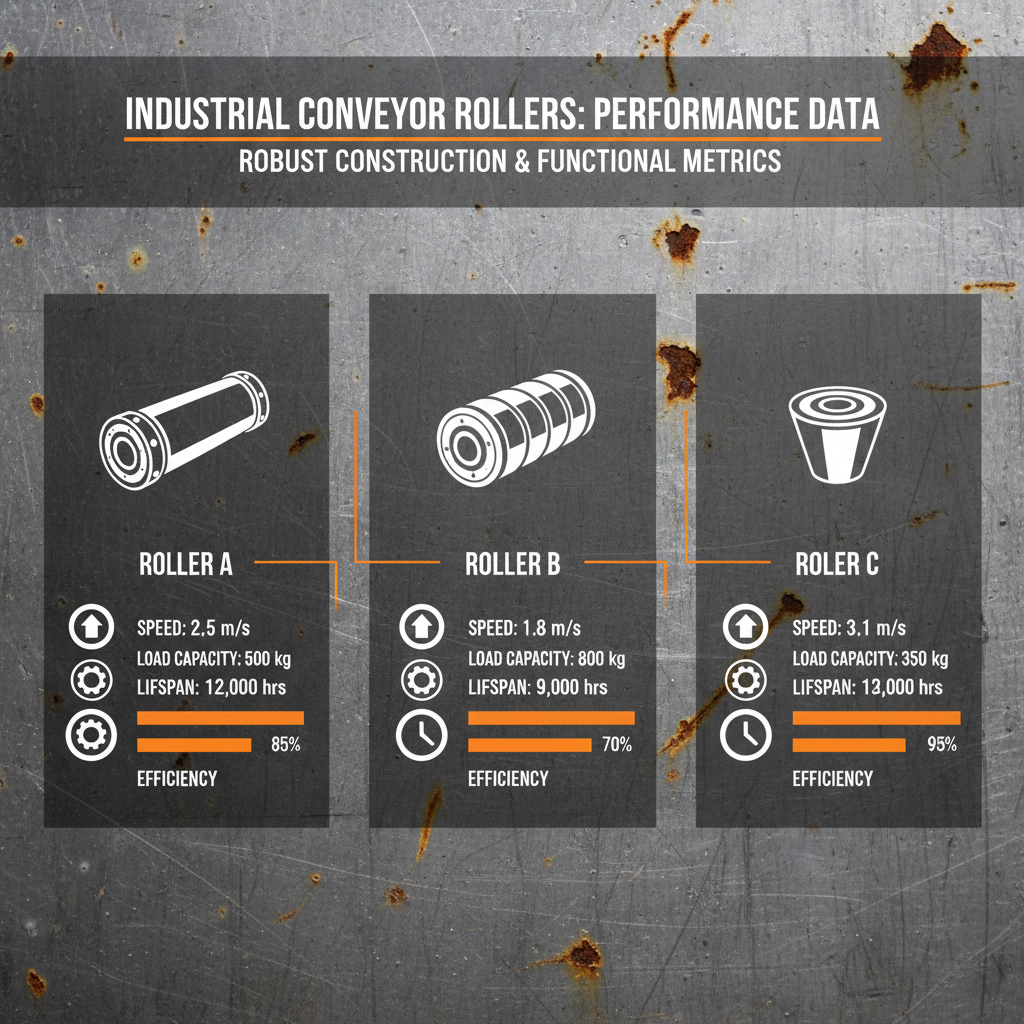
Several types of 3 conveyor roller systems are available, each suited to different applications and load capacities. Gravity roller conveyors utilize the force of gravity to move items downhill, making them ideal for simple, low-speed transport. Powered roller conveyors incorporate motors to drive the rollers, enabling controlled movement and handling of heavier loads. Finally, accumulation roller conveyors allow packages to stop and accumulate on the conveyor without impacting the item behind, vital for sorting and order picking. Understanding the distinctions is crucial for selecting the most appropriate system.
| Type |
Drive Mechanism |
Load Capacity |
Applications |
| Gravity Roller |
Gravity |
Light to Medium |
Simple transport, downhill movement |
| Powered Roller |
Electric Motor |
Medium to Heavy |
Controlled movement, inclines, heavy loads |
| Accumulation Roller |
Motorized with Zone Control |
Light to Medium |
Sorting, order picking, accumulation of items |
Key Components and Materials of 3 Roller Conveyors
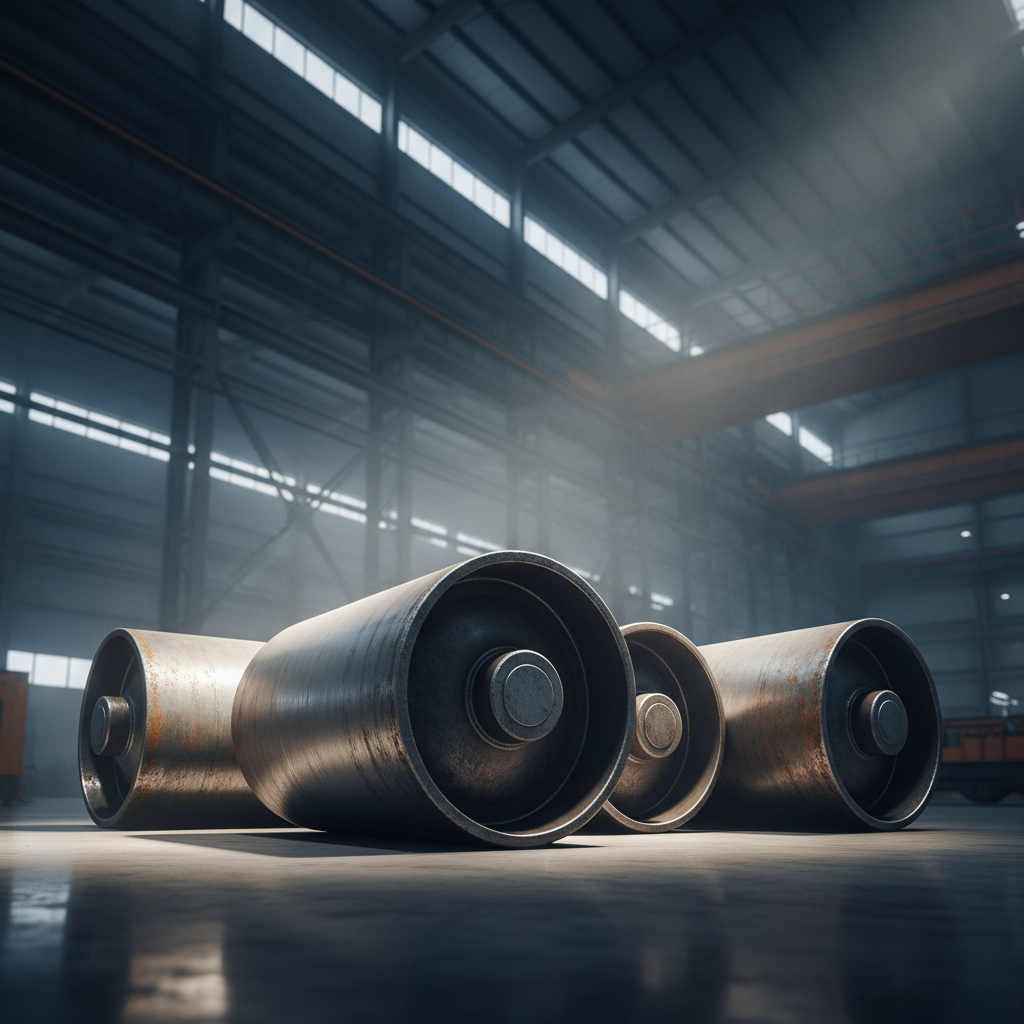
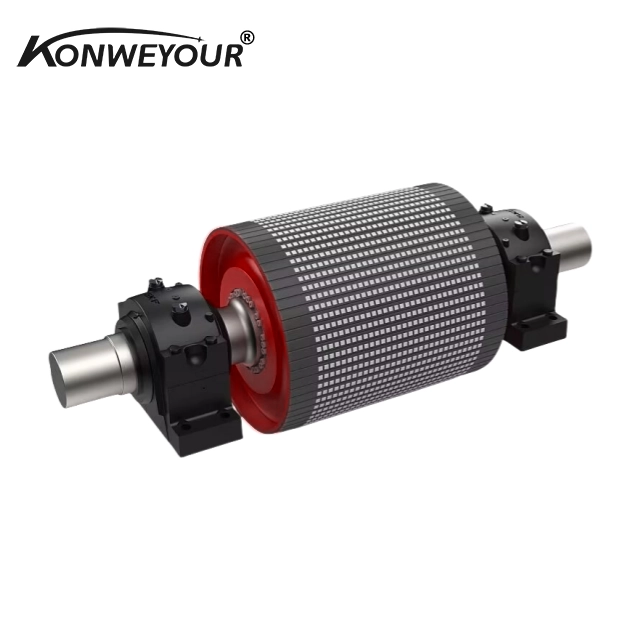
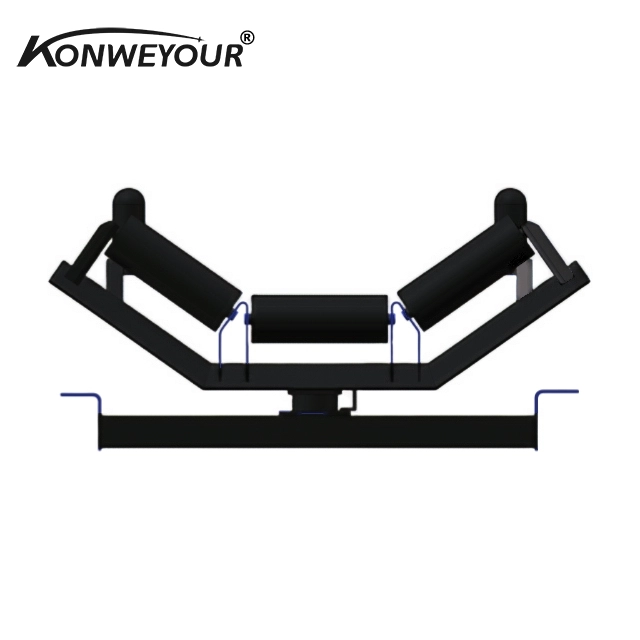
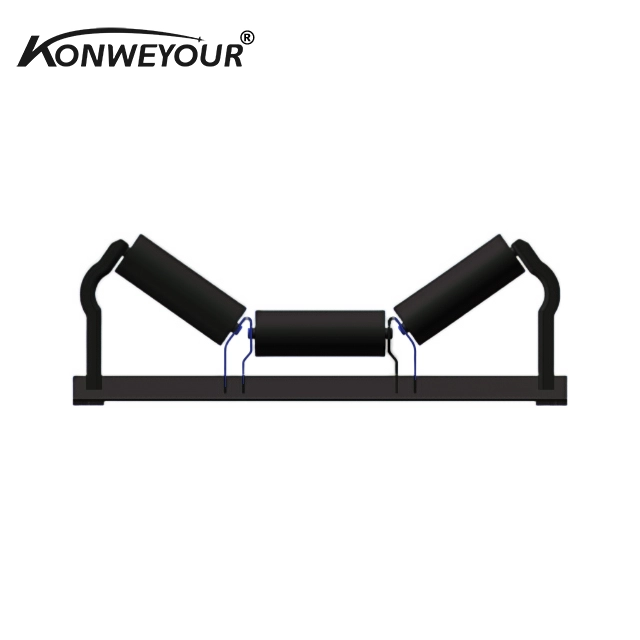
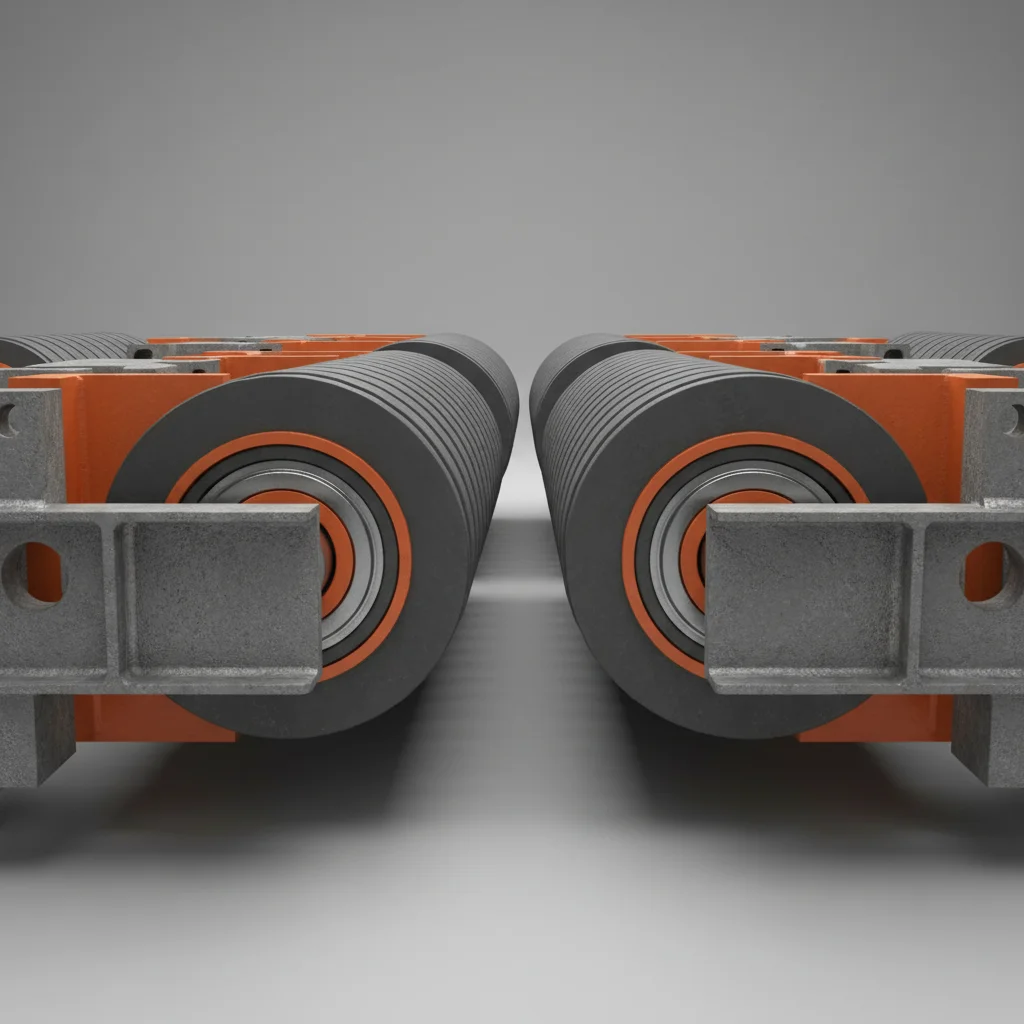
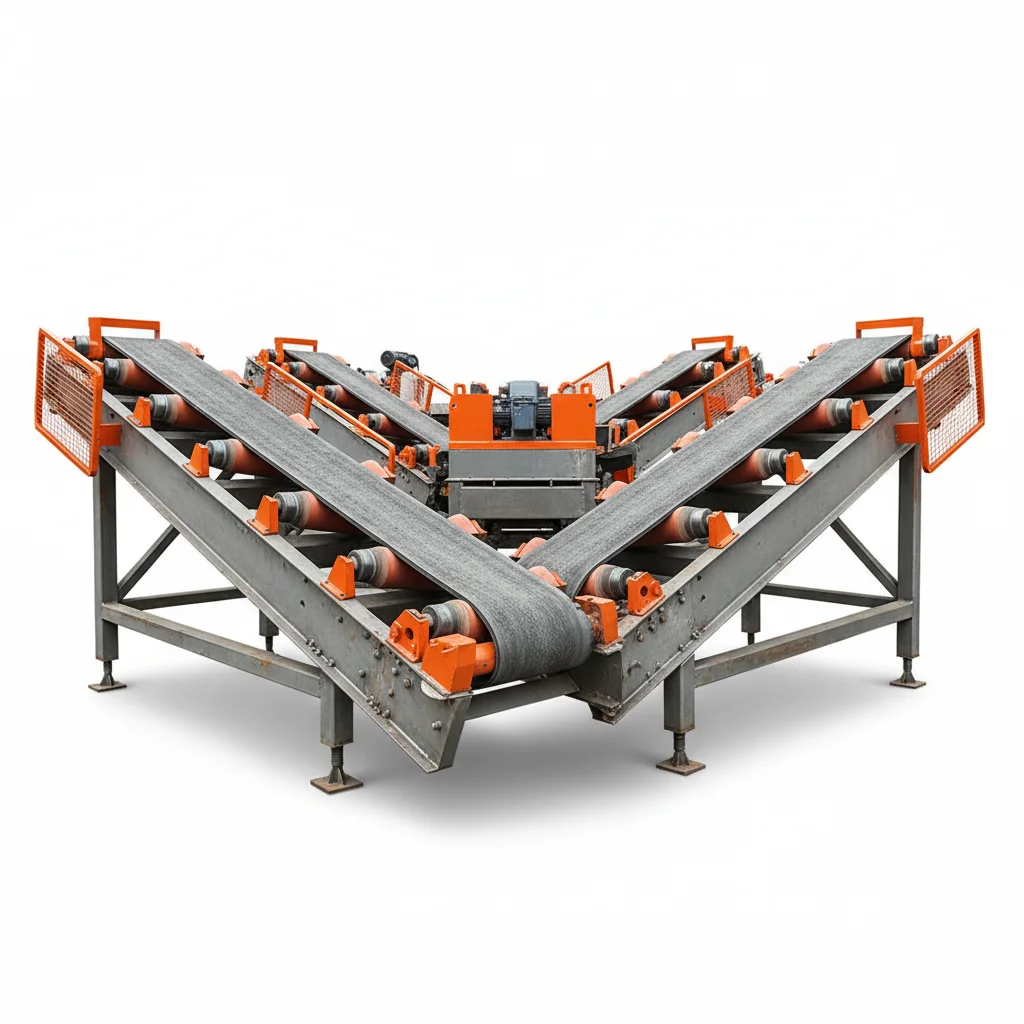
Understanding the components of a 3 roller conveyor is critical for maintenance and selecting the right system. The rollers themselves are typically constructed from steel, PVC, or stainless steel, depending on the application and load requirements. Frames are commonly made from steel or aluminum, providing structural support. Drive systems, in powered conveyors, involve motors, gearboxes, and belts or chains. Proper material selection ensures durability and longevity. JT Conveyor uses only high-quality materials in its manufacturing process.
Factors to Consider When Choosing a 3 Conveyor Roller System
Selecting the right 3 conveyor roller system requires careful consideration of several factors. Load capacity is paramount – ensure the system can handle the weight and dimensions of your products. The conveyor's length and layout should align with your facility's space and workflow. Environmental conditions, such as temperature and humidity, may necessitate specific material choices. Finally, budget constraints play a role in determining the most cost-effective solution. Consulting with experts at JT Conveyor can simplify this process.
Conclusion: Optimizing Your Operations with the Right Conveyor System
Investing in the right 3 conveyor roller system is a strategic decision that can yield significant benefits for your business. By carefully evaluating your needs, considering the different types of systems available, and partnering with a reputable provider like JT Conveyor, you can streamline your material handling operations, improve efficiency, and boost your bottom line.
Frequently Asked Questions (FAQs)
What is the typical lifespan of a 3 conveyor roller system?
The lifespan of a 3 conveyor roller system varies based on usage, maintenance, and the operating environment. Generally, with regular maintenance, a well-built system can last between 10 to 20 years. Factors such as load weight, operating hours, and the presence of corrosive materials can affect longevity. Routine inspections, lubrication of moving parts, and timely replacement of worn components are crucial for maximizing the system’s lifespan. JT Conveyor offers comprehensive maintenance plans to extend the life of your investment.
How much maintenance is required for a 3 conveyor roller system?
Maintenance requirements depend on the type of system and usage levels. Gravity roller conveyors require minimal maintenance, primarily consisting of cleaning and occasional lubrication. Powered roller conveyors demand more frequent maintenance, including regular belt or chain tensioning, motor inspection, and bearing lubrication. Preventative maintenance schedules are highly recommended to identify and address potential issues before they lead to downtime. JT Conveyor provides detailed maintenance guides and support services.
What safety features should I look for in a 3 conveyor roller system?
Safety is paramount. Essential safety features include emergency stop buttons easily accessible along the conveyor's length, safety guards to prevent entanglement, and clearly labeled operating instructions. Consider systems with automatic shutdown features in case of jams or malfunctions. Regular safety training for personnel operating and maintaining the conveyor is also critical. JT Conveyor prioritizes safety in its designs and offers comprehensive safety training programs.
Can 3 conveyor roller systems be customized to fit my specific needs?
Yes, absolutely! One of the major advantages of these systems is their adaptability. JT Conveyor specializes in custom-engineered solutions. We can tailor the length, width, height, roller material, drive mechanism, and other features to match your specific requirements and facility layout. From simple modifications to complete bespoke designs, we can deliver a system that perfectly fits your needs.