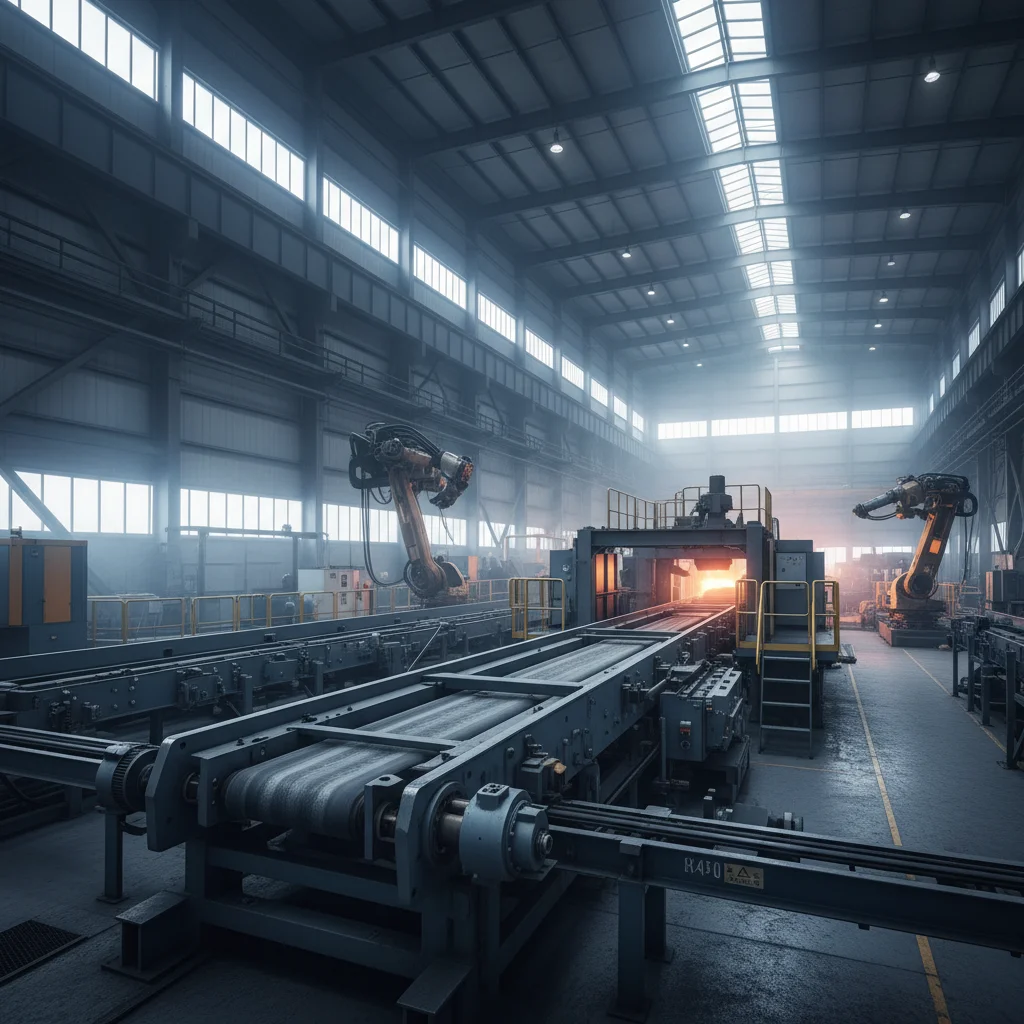
The Pivotal Role of Industrial Conveyor Systems in Modern Logistics
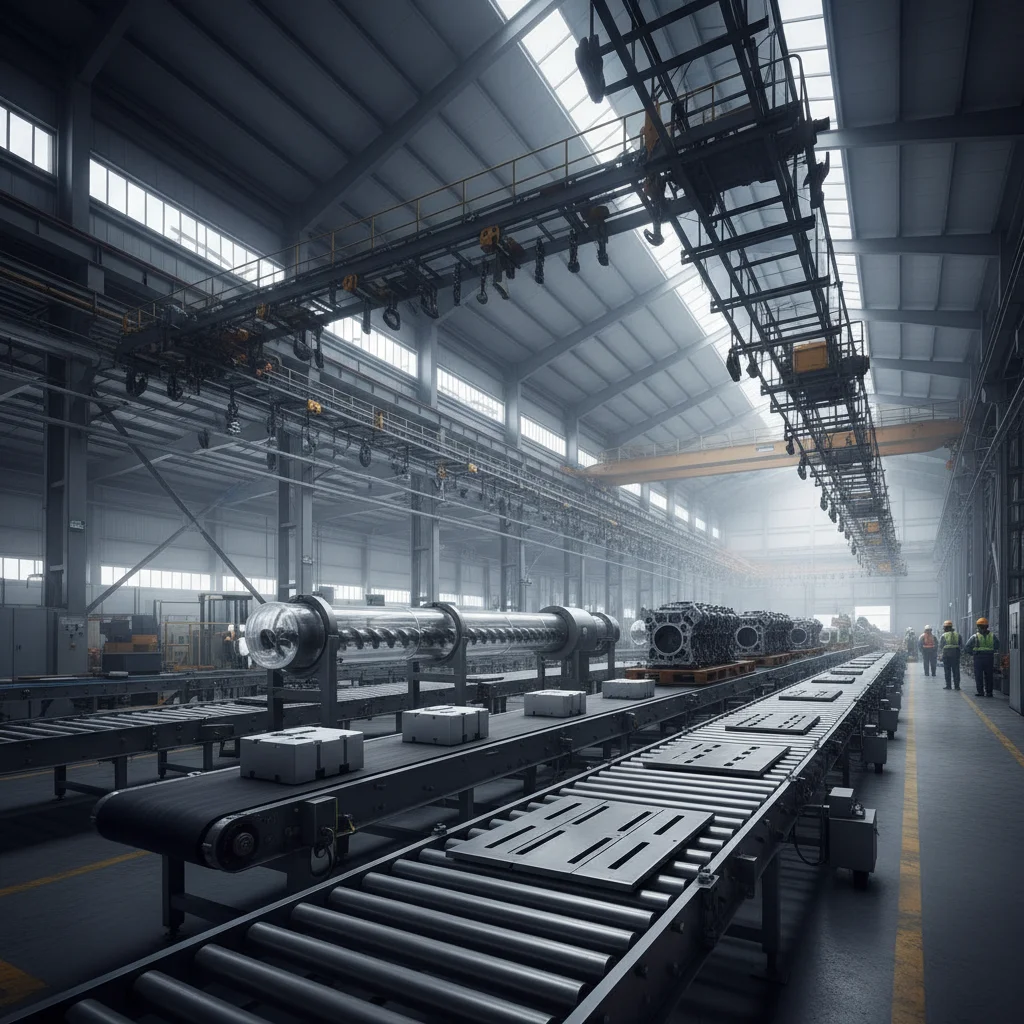
In the relentlessly evolving landscape of global industry, efficiency is not merely an advantage; it is a fundamental imperative. At the very heart of this efficiency, orchestrating the seamless flow of materials and products across diverse sectors, lie industrial conveyor systems. These sophisticated engineering marvels transcend simple material movement, acting as the critical arteries of manufacturing plants, distribution centers, and fulfillment hubs worldwide. From the intricate assembly lines of automotive giants to the high-speed sorting facilities of e-commerce behemoths, and the robust bulk handling operations in mining, the underlying principle remains consistent: to transport goods with unparalleled speed, precision, and safety. The impact of these systems is profound, extending far beyond the immediate point of transfer to influence overall operational costs, labor allocation, energy consumption, and crucially, workplace safety. They are the silent workhorses that enable industries to meet escalating consumer demands, adhere to stringent production schedules, and maintain a competitive edge in an increasingly complex global marketplace. Understanding their fundamental mechanics, their diverse applications, and the strategic advantages they confer is paramount for any enterprise aiming to optimize its logistical footprint and future-proof its operations in an era defined by rapid technological advancement and fierce competition. This deep dive aims to illuminate the multifaceted world of industrial conveyor systems, exploring their inherent value, technical prowess, customization potential, and transformative real-world applications.
The Unseen Efficiency: Data-Driven Impact of Conveyor Integration

The true value of advanced material handling systems, particularly sophisticated conveyor networks, is best underscored by compelling data. The global material handling equipment market, valued at approximately $230 billion in 2022, is projected to surge past $400 billion by 2030, a clear testament to the indispensable role these systems play in industrial growth. Specifically, integrating industrial conveyor systems can yield dramatic improvements in operational metrics. For instance, studies show that automated conveyor solutions can reduce manual labor requirements for material movement by an average of 60-75%, directly translating into substantial cost savings and allowing human capital to be redirected to higher-value tasks. Beyond labor, the precision and consistency offered by these systems lead to a significant reduction in product damage, often by up to 25%, particularly in industries handling delicate or high-value goods. Through optimized routing and controlled speeds, conveyor systems have been proven to boost overall throughput by 30-50% in distribution centers, enabling facilities to process a greater volume of goods within existing footprints and timeframes. Energy consumption, a critical factor in today's sustainability-conscious world, can also be optimized; modern systems incorporating variable frequency drives (VFDs) and intelligent motor controls can achieve energy savings of 15-20% compared to older, less efficient models. Furthermore, by automating repetitive lifting and moving tasks, conveyor systems are directly responsible for a 40% decrease in musculoskeletal injuries, creating a safer work environment and reducing associated workers' compensation claims. These figures are not mere statistics; they represent tangible, measurable benefits that directly impact a company's bottom line, competitive standing, and employee well-being, solidifying the argument for strategic investment in cutting-edge conveyor technology.
Engineering Excellence: Unpacking the Technical Advantages
The contemporary industrial conveyor system is a marvel of engineering, incorporating a suite of technical advantages that propel modern operations forward. At its core, modularity stands out as a key benefit, allowing systems to be easily configured, expanded, or reconfigured to adapt to changing production demands or facility layouts without extensive downtime or capital expenditure. This inherent flexibility means that a system initially designed for one purpose can be adapted for another, significantly extending its lifecycle and utility. Advanced automation and seamless integration capabilities are paramount; modern conveyors are equipped with sophisticated Programmable Logic Controllers (PLCs) and often connect to broader Manufacturing Execution Systems (MES) or Warehouse Management Systems (WMS). This digital backbone enables real-time monitoring, predictive maintenance, and precise control over material flow, integrating effortlessly with robotics, Automated Guided Vehicles (AGVs), and other smart factory components. The diversity in material handling is another critical technical advantage. Whether it's delicate pharmaceuticals, abrasive mining aggregates, bulky automotive components, or varied e-commerce packages, there is a specialized conveyor type—from hygienic stainless steel belt conveyors to heavy-duty chain conveyors or precision roller systems—designed to handle specific material characteristics with optimal care and efficiency. Furthermore, energy efficiency is no longer an afterthought but a design cornerstone, with features like low-friction components, energy-regenerative braking, and intelligent sleep modes contributing to reduced operational costs and a smaller carbon footprint. Enhanced safety features, including advanced sensors for jam detection, emergency stop mechanisms, protective guarding, and ergonomic loading/unloading zones, prioritize worker well-being, mitigating risks associated with manual handling and operational hazards. These technical advancements collectively ensure that today's industrial conveyor systems are not just movers of goods, but intelligent, adaptive, and integral components of an optimized industrial ecosystem.
Navigating the Landscape: A Comparative Look at Leading Manufacturers
Selecting the right industrial conveyor system demands a thorough understanding of the myriad manufacturers and their specialized offerings. The market is populated by a diverse range of companies, each bringing unique strengths, technological focuses, and industry specializations. A strategic comparison is crucial to align a vendor's capabilities with specific operational requirements. Below is a comparative table illustrating hypothetical manufacturer profiles, highlighting key differentiators that buyers should evaluate:
Manufacturer Name | Core Specialization | Key Technologies | Customization Score (1-5) | Support & Service | Target Industries |
ConveyPro Systems | High-throughput logistics & sorting | AI-driven sortation, PLC/SCADA integration, modular design | 4 | 24/7 global support, extensive parts network | E-commerce, Parcel, Warehousing, Distribution |
HeavyLoad Innovators | Robust bulk material handling | Heavy-duty belts, chain conveyors, extreme environment materials, predictive maintenance | 3 | Regional service hubs, specialized field technicians | Mining, Construction, Aggregates, Power Generation |
PrecisionFlow Automation | Cleanroom & precise manufacturing | Hygienic stainless steel, cleanroom compatible, micro-component handling, vision systems | 5 | Dedicated project managers, cleanroom certified technicians | Pharmaceutical, Food & Beverage, Electronics, Medical Devices |
FlexiMove Solutions | Flexible assembly & small part transport | Accumulation conveyors, flexible chain systems, ergonomic workstations, quick-change tooling | 4 | Remote diagnostics, comprehensive training programs | Automotive, General Manufacturing, Assembly Plants |
When evaluating these options, critical factors extend beyond the table to include a manufacturer's proven track record, their financial stability, the depth of their engineering team, and their commitment to research and development. It's imperative to assess their ability to provide comprehensive solutions from initial consultation and design to installation, commissioning, and long-term maintenance. Moreover, understanding their approach to project management, their responsiveness to support requests, and the availability of spare parts can significantly influence the total cost of ownership and the operational longevity of the chosen system. A detailed analysis tailored to specific industrial needs will always yield the most effective partnership.
Beyond Off-the-Shelf: Crafting Bespoke Conveyor Solutions
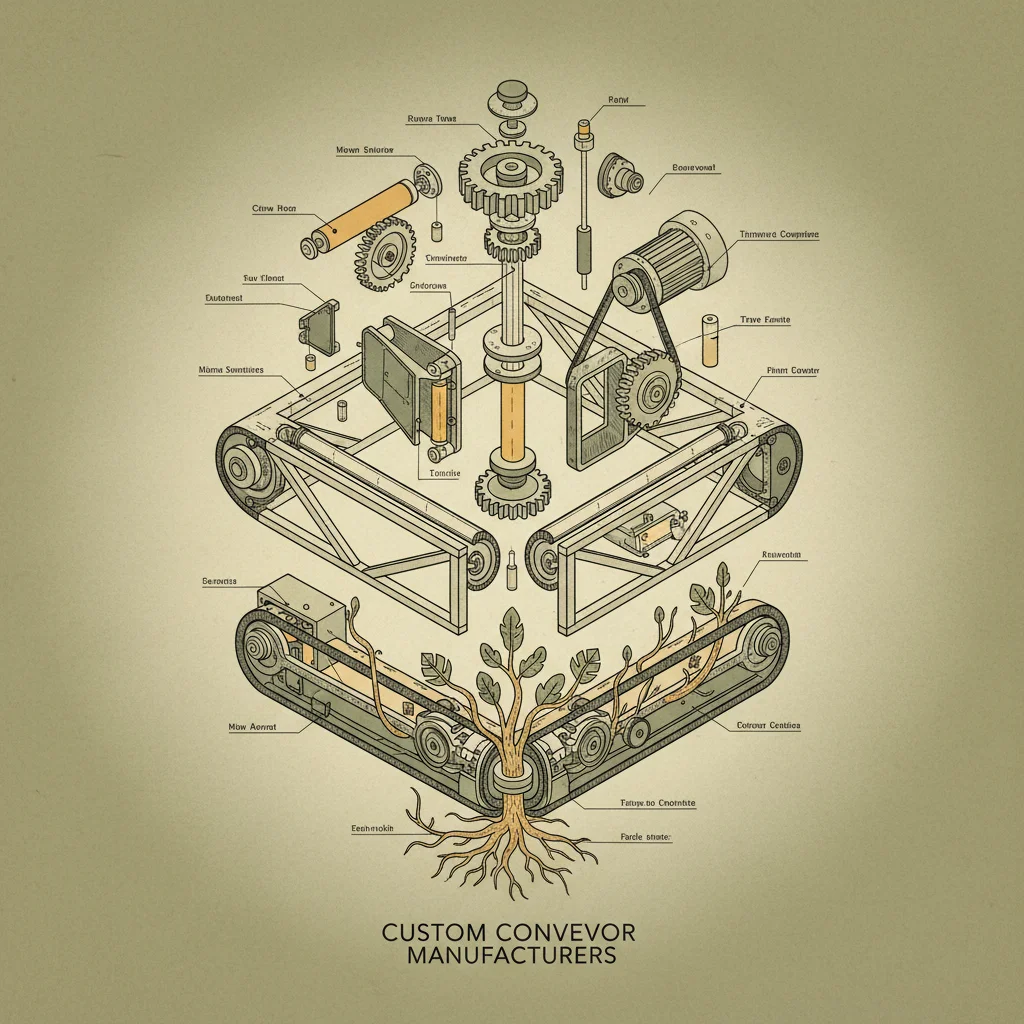
While standard conveyor systems offer foundational efficiency, the true competitive advantage often lies in bespoke solutions precisely tailored to an operation's unique demands. Moving beyond off-the-shelf products, custom industrial conveyor systems are engineered from the ground up to address specific spatial constraints, material characteristics, throughput requirements, and integration challenges that mass-produced units cannot adequately meet. The process begins with a comprehensive needs assessment, where expert engineers conduct detailed site surveys, analyze material flow, assess environmental conditions (e.g., extreme temperatures, corrosive atmospheres, cleanroom requirements), and thoroughly understand the nuances of the production or distribution process. This data then feeds into an iterative design phase, utilizing advanced CAD modeling and simulation software to create a virtual prototype, allowing for optimization and refinement before any physical construction begins. Customization extends to every component: specialized belt materials can be chosen for hygiene (e.g., FDA-approved for food processing), abrasion resistance (e.g., for heavy mining), or static dissipation (e.g., for electronics assembly). Frame materials range from anodized aluminum for lightweight applications to heavy-gauge stainless steel for corrosive or sterile environments. Control systems are meticulously programmed to integrate with existing enterprise resource planning (ERP) or manufacturing execution systems (MES), featuring custom human-machine interfaces (HMIs), vision systems for quality control, and sophisticated sensors for real-time data collection and predictive maintenance. Furthermore, bespoke solutions account for future scalability, designing in the flexibility for expansion or modification as business needs evolve. This commitment to precision engineering ensures that the conveyor system not only fits perfectly into the current operational ecosystem but also serves as a resilient, adaptable asset for years to come, maximizing return on investment and propelling operational excellence.
Real-World Dynamics: Transformative Application Case Studies
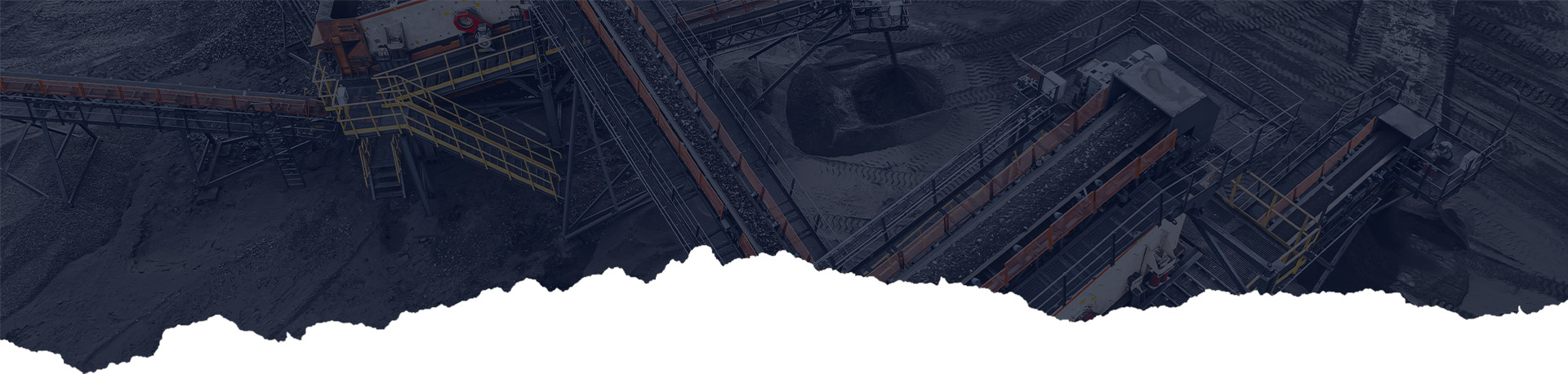
The theoretical benefits of advanced conveyor systems manifest most powerfully in real-world applications across diverse industrial sectors. These case studies highlight how tailor-made solutions drive tangible improvements in efficiency, safety, and productivity. Consider the automotive industry, where a major global manufacturer faced challenges in its body-in-white assembly line, experiencing bottlenecks and inconsistent takt times. By implementing a sophisticated network of overhead power-and-free conveyors integrated with automated guided vehicles (AGVs), the manufacturer achieved a remarkable 15% reduction in vehicle assembly time and a 20% increase in line flexibility, allowing for rapid model changeovers with minimal disruption. In the highly regulated food and beverage sector, a confectionery plant struggled with maintaining product integrity and hygiene during the packaging phase. A custom-designed hygienic stainless steel conveyor system with wash-down capabilities, equipped with specialized accumulation and transfer modules, eliminated cross-contamination risks and boosted packaging throughput by 25%, all while significantly reducing manual handling and associated labor costs. The burgeoning e-commerce and logistics industry provides another compelling example: a large fulfillment center grappling with rapidly escalating order volumes and labor shortages deployed an intelligent sortation conveyor system. This system, featuring high-speed diverters and integrated barcode scanners, could process over 300,000 packages daily with a 99.9% sortation accuracy rate, effectively eliminating the need for hundreds of manual sorters and slashing order fulfillment times by 40%. Even in heavy industries like mining, custom robust belt conveyors, designed for extreme loads and harsh environments, have enabled a major iron ore producer to increase its daily ore transport capacity by 18%, reducing reliance on costly and environmentally impactful trucking operations while simultaneously enhancing worker safety on site. These diverse examples underscore the transformative power of expertly designed and implemented industrial conveyor systems, demonstrating their critical role in optimizing complex operations and driving competitive advantage.
Embracing the Future: Optimizing Operations with Advanced Industrial Conveyor Systems
The journey through the intricate world of industrial conveyor systems reveals not just their current utility but also their dynamic evolution. From their fundamental role in streamlining logistics and manufacturing to their profound, data-driven impact on operational efficiency, these systems are indispensable. We've explored the sophisticated engineering behind their technical advantages, offering unprecedented precision, modularity, and integration capabilities. The market, rich with specialized manufacturers, demands careful consideration, emphasizing that the right partnership is as critical as the technology itself. Crucially, the move towards bespoke solutions highlights a recognition that standardized approaches often fall short, with custom designs providing the ultimate fit for unique operational challenges and aspirations. Real-world applications, spanning from automotive assembly to high-volume e-commerce fulfillment and heavy mining operations, unequivocally demonstrate the transformative power of these systems in achieving measurable improvements in throughput, cost reduction, and safety. Looking ahead, the trajectory of industrial conveyor systems is marked by continued innovation. The integration of Artificial Intelligence (AI) for predictive maintenance and optimized routing, the proliferation of Internet of Things (IoT) sensors for real-time data acquisition, and enhanced collaboration with autonomous mobile robots (AMRs) are shaping the next generation of material handling. Sustainability will also remain a key driver, pushing for more energy-efficient designs and the use of recyclable materials. Investing in cutting-edge industrial conveyor systems is not merely a capital expenditure; it is a strategic commitment to operational excellence, future scalability, and sustained competitive advantage. By embracing these advanced solutions, businesses can effectively future-proof their operations, ensuring agility, resilience, and profitability in an ever-accelerating global economy.
Frequently Asked Questions about Industrial Conveyor Systems
1. What are the primary types of industrial conveyor systems?
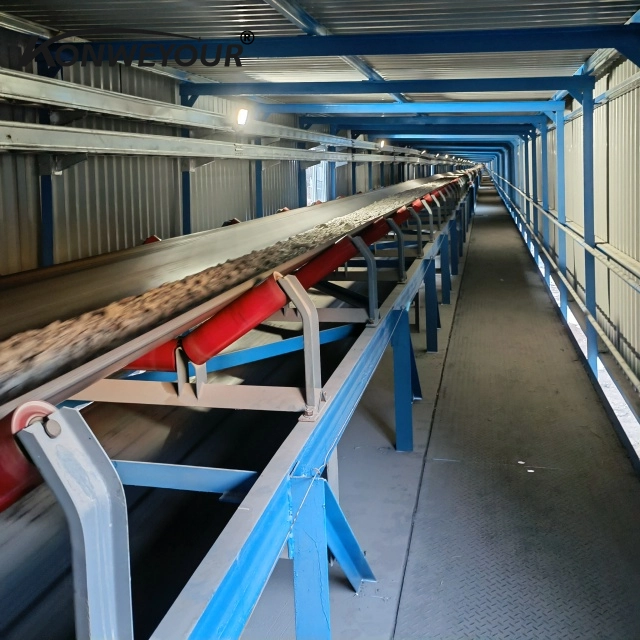
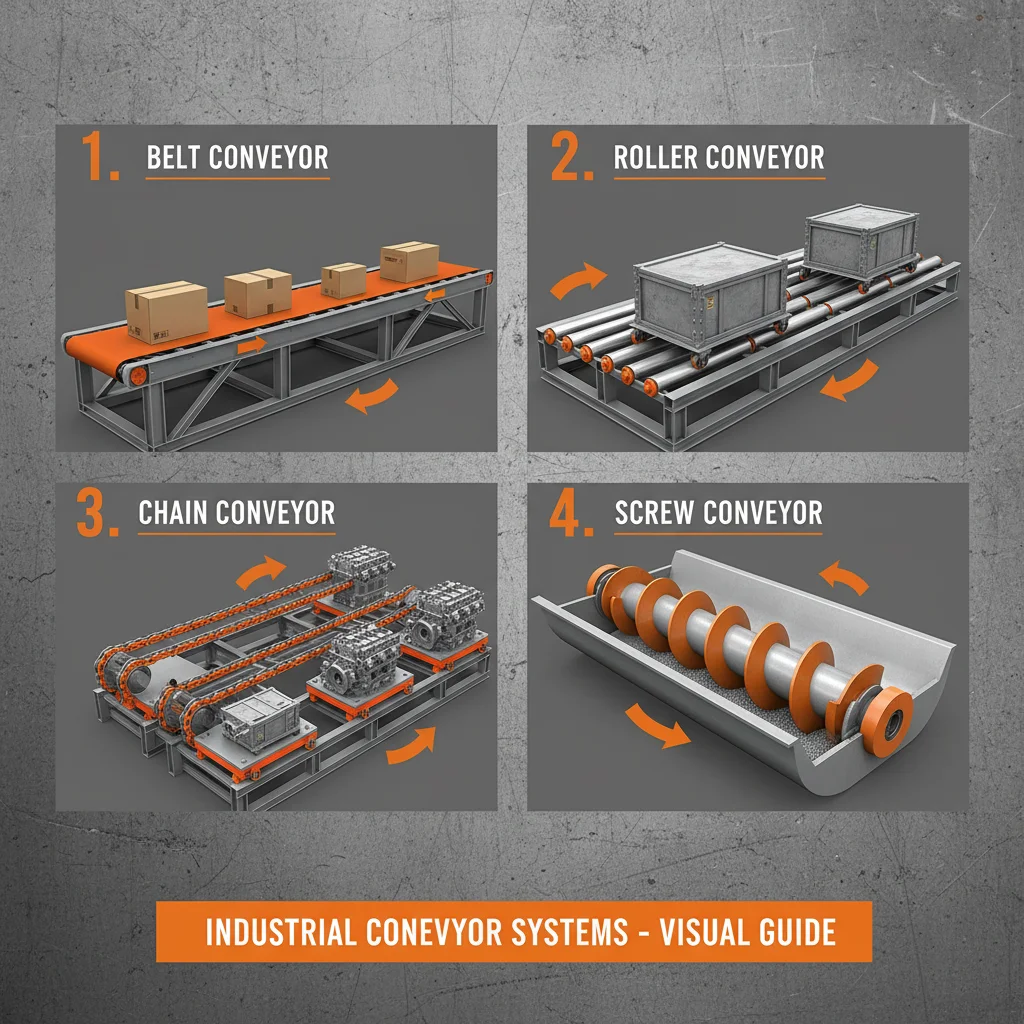
The most common types include belt conveyors (for various bulk and packaged goods), roller conveyors (powered or gravity-fed for boxes, pallets), chain conveyors (for heavy or irregularly shaped items, often in assembly lines), modular plastic belt conveyors (versatile, durable, often used in food processing), screw/auger conveyors (for granular or powdered materials), and overhead conveyors (for maximizing floor space and complex routing).
2. How do industrial conveyor systems improve operational efficiency?
They improve efficiency by automating material transport, reducing manual labor, increasing throughput capacity, minimizing human error, ensuring consistent product flow, optimizing space utilization, and enabling seamless integration with other automated processes like robotics and packaging machinery.
3. What factors should be considered when choosing a conveyor system?
Key factors include the type, weight, size, and fragility of the material being transported, required throughput rate, available space and layout, environmental conditions (e.g., temperature, dust, hygiene requirements), desired level of automation, budget, energy efficiency goals, and future scalability needs.
4. Can conveyor systems be integrated with existing automation?
Absolutely. Modern industrial conveyor systems are designed for high compatibility and can be seamlessly integrated with existing Warehouse Management Systems (WMS), Manufacturing Execution Systems (MES), Enterprise Resource Planning (ERP) systems, robotics, Automated Guided Vehicles (AGVs), and other smart factory components through PLCs and various communication protocols.
5. What maintenance is typically required for industrial conveyor systems?
Regular maintenance includes inspecting belts, chains, and rollers for wear; lubricating moving parts; checking motor and gearbox performance; tensioning belts/chains; ensuring sensors and safety devices are functioning correctly; and periodically cleaning the system. Predictive maintenance strategies, often enabled by IoT sensors, are increasingly used to anticipate and prevent failures.
6. How do conveyor systems contribute to workplace safety?
Conveyors significantly enhance safety by reducing manual lifting, bending, and carrying, which are common causes of musculoskeletal injuries. They also feature emergency stops, protective guarding, sensors for jam detection, and controlled movement, all of which mitigate risks associated with human interaction with heavy machinery and materials.
7. What are the emerging trends in industrial conveyor technology?
Emerging trends include increased adoption of AI and machine learning for predictive maintenance and route optimization, greater integration with IoT for real-time monitoring and data analytics, development of more energy-efficient and sustainable designs, enhanced modularity for rapid reconfiguration, and advanced collaborative robotics for loading and unloading tasks.