The Indispensable Role of Coal Mine Conveyors in Modern Mining
In the demanding landscape of modern mining, the efficient and safe transport of bulk materials is not merely a logistical challenge but a cornerstone of operational success and profitability. At the heart of this intricate process lies the coal mine conveyor, an engineering marvel designed to move vast quantities of extracted coal from the mine face to processing plants or stockpiles with unparalleled continuity. Without a robust and reliable conveying system, the entire mining operation grinds to a halt, underscoring its critical importance. Globally, the coal industry extracts billions of tons annually; for instance, in 2023 alone, global coal production exceeded 8.3 billion tons, with a significant portion relying on efficient conveyor systems for movement. These systems are not just machines; they are the arteries of a mine, ensuring a steady flow of material that directly impacts production targets and revenue streams. The inherent harshness of the mining environment – abrasive materials, dust, moisture, and confined spaces – necessitates a conveying solution that is not only powerful but also incredibly durable, adaptable, and inherently safe. Early conveying methods were labor-intensive and inefficient, prone to bottlenecks and high operational costs. The evolution of the coal mine conveyor has transformed this paradigm, introducing automation, sophisticated control systems, and enhanced safety features that have revolutionized bulk material handling. This transformation has allowed mines to achieve higher throughputs, reduce manual intervention, and significantly mitigate risks associated with material transport. As global energy demands continue to evolve, the relentless pursuit of operational excellence within the coal sector mandates continuous innovation in conveyor technology, making it a pivotal area of investment and development for any forward-thinking mining enterprise seeking to optimize its extraction and processing capabilities.
Quantifying Efficiency: The Economic Impact of Advanced Conveyor Systems
The transition from traditional, less-efficient material handling methods to sophisticated conveyor systems represents a monumental shift in mining economics, delivering quantifiable benefits that significantly bolster a mine's bottom line. The economic impact of advanced conveying solutions is multifaceted, primarily manifesting through reduced operational costs, increased throughput, and diminished downtime. Consider the staggering statistics: an optimized conveyor system can cut energy consumption for material transport by as much as 20-30% compared to truck-based hauling over long distances, translating into millions of dollars in annual savings for large-scale operations. For instance, a mine handling 10 million tons of coal annually could see its transport energy costs drop by $1-2 million by switching from a hybrid truck-conveyor system to an all-conveyor solution where feasible. Furthermore, these systems inherently require less labor. A single automated conveyor system can effectively replace dozens of haul trucks and their respective drivers, maintenance crews, and fuel infrastructure, yielding labor cost reductions of 15-25% over the operational lifespan. Beyond direct savings, the consistent and uninterrupted flow of material facilitated by modern conveyors dramatically increases production capacity. Studies indicate that mines utilizing advanced belt systems experience a 10-15% uplift in daily output due to minimized bottlenecks and continuous material flow. This enhanced productivity is directly linked to higher revenue generation. Moreover, robust conveyor systems, equipped with predictive maintenance capabilities and durable components, drastically reduce unplanned downtime. A typical mine can face annual losses of 1-3% of its production due to equipment failures; a reliable conveyor system with high Mean Time Between Failures (MTBF) can reduce this figure by half, protecting millions in potential earnings. The cumulative effect of these efficiencies – reduced energy, labor, and maintenance costs, coupled with increased output and minimized downtime – paints a clear picture: investing in advanced conveyor technology is not merely an expense, but a strategic investment yielding substantial and measurable returns, fundamentally reshaping a mine's economic viability and competitive edge.
Engineering Excellence: Unpacking the Technical Superiority of Modern Conveying Solutions
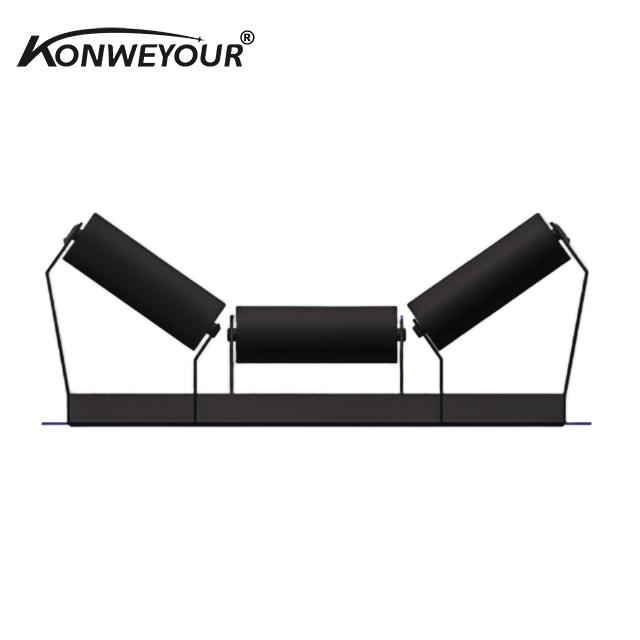
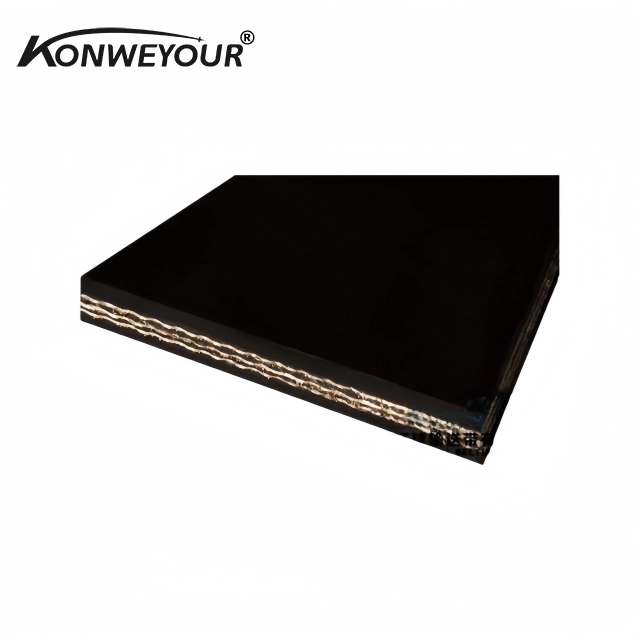
The modern bulk material conveyor system is a testament to engineering ingenuity, evolving far beyond simple belts and rollers to incorporate advanced technologies that enhance performance, safety, and longevity. At the core of this superiority are several key technical advancements. Firstly, robust belt materials are engineered from multi-ply fabrics, steel cord, or hybrid composites, designed to withstand extreme abrasion, impact, and tensile stress. These belts can endure the harsh conditions of a mine, extending operational life and reducing replacement frequency. For instance, belts reinforced with steel cords can achieve tensile strengths exceeding 10,000 kN/m, capable of spanning vast distances and handling massive loads. Secondly, advanced drive systems are pivotal. Variable Frequency Drives (VFDs) and direct drive technologies have replaced traditional fixed-speed motors, offering precise control over belt speed, smooth startup/shutdown sequences, and significant energy savings by matching power consumption to actual load requirements. This minimizes wear on mechanical components and reduces peak demand charges. Thirdly, intelligent monitoring and control systems, leveraging IoT sensors and sophisticated software, provide real-time data on belt tension, tracking, speed, temperature, and material flow. Features like belt rip detection, metal detection, and emergency stop systems are integrated, ensuring immediate response to potential hazards. Predictive maintenance algorithms analyze this data to anticipate failures, allowing for proactive servicing and preventing costly unscheduled shutdowns. Fourthly, modular design principles enable easier installation, maintenance, and scalability. Components like idlers, rollers, and frames are often standardized, facilitating rapid replacement and reconfiguration. Lastly, advanced safety features are non-negotiable. Beyond emergency stops, systems now include anti-rollback devices, pull-cord switches, belt misalignment switches, and specialized guarding to protect personnel. The integration of dust suppression systems and fire detection/suppression further elevates safety standards in challenging underground environments. These combined technical advantages ensure that modern conveying solutions are not only highly efficient but also remarkably resilient, safe, and adaptable to the dynamic demands of a mining operation, setting a new benchmark for material handling performance.
Strategic Selection: A Comparative Analysis of Leading Conveyor Manufacturers
Choosing the right conveyor system is a critical strategic decision that demands a thorough evaluation of available manufacturers and their specific offerings. The market is populated by numerous reputable suppliers, each with distinct strengths in terms of technology, capacity, support, and cost-effectiveness. A comprehensive comparison is essential to align the chosen solution with a mine's unique operational requirements and budget constraints. Below is a simplified, illustrative comparison table showcasing hypothetical attributes of leading manufacturers, designed to highlight key differentiating factors a prospective buyer might consider:
Feature/Manufacturer | Global Conveyor Solutions (GCS) | MineTech Systems (MTS) | Industrial Bulk Movers (IBM) |
Specialization | Long-distance, high-capacity overland systems | Modular, underground conveying solutions | Heavy-duty, abrasive material handling |
Max. Capacity (t/h) | ~15,000 | ~8,000 | ~12,000 |
Drive System Tech | Direct Drive, VFDs, Regenerative braking | Compact VFDs, Hydraulic start options | Robust Gear Drives, Soft-start systems |
IoT & Automation | Advanced Predictive Maintenance, AI-driven diagnostics | Standardized Sensor Integration, Remote Monitoring | Essential Monitoring, SCADA integration |
Customization Scope | Extensive (full bespoke engineering) | Moderate (modular adaptability) | Specific component adjustments |
After-Sales Support | Global 24/7, comprehensive training, spare parts network | Regional support hubs, standard warranty | Localized support, parts on request |
Typical Lead Time | 12-18 months (for large projects) | 6-12 months | 8-14 months |
Initial Investment (Relative) | High | Medium-High | Medium |
This table illustrates that while GCS might be the go-to for vast, complex overland projects with cutting-edge automation, MTS could be preferred for its specialized compact, modular systems ideal for intricate underground layouts, and IBM for its robust, durable solutions in extremely abrasive environments. The decision matrix often extends beyond these points to include factors like environmental compliance, specific safety certifications, power availability, and the manufacturer's track record in similar geological conditions. Engaging with multiple vendors, requesting detailed technical specifications, conducting site visits, and thoroughly vetting their installation and support capabilities are paramount steps. The ultimate goal is to identify a partner whose technological expertise, product reliability, and support infrastructure can deliver a conveyor system that offers the optimal balance of performance, longevity, and total cost of ownership for the mine's operational horizon.
Tailored for Performance: Crafting Bespoke Conveyor Systems for Unique Mine Environments
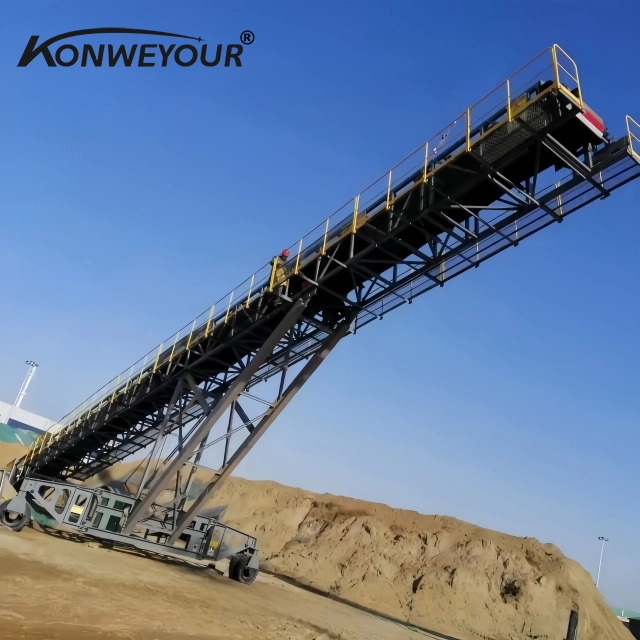
In the realm of mining, a 'one-size-fits-all' approach to material handling is a recipe for inefficiency and operational bottlenecks. Each mine presents a unique set of challenges – from geological characteristics and mine layout to material properties and specific operational goals – necessitating bespoke conveyor solutions meticulously engineered to thrive in their intended environment. The process of crafting a customized conveyor system begins with an exhaustive site assessment and detailed consultation. Engineers meticulously analyze factors such as: the intended conveyor length and gradient (e.g., steep inclinations require specialized cleated belts or pipe conveyors); the nature of the material being transported (e.g., highly abrasive coal demands different belt compounds and idler designs than softer varieties; wet coal might require enhanced drainage or drying sections); existing infrastructure limitations (power supply, available space); and environmental considerations (dust control, noise reduction, temperature extremes). For instance, a deep underground mine might require a series of shorter, highly flexible conveyors integrated with transfer points and advanced ventilation systems, while an open-pit mine might benefit from a single, high-capacity overland system stretching for several kilometers. Customization extends to every component: belt width and strength are calculated based on throughput requirements and material density, drive systems are selected to match power availability and load profiles, and idler spacing and roller types are chosen to optimize belt support and minimize wear. Even the structural framework can be adapted – from standard steel trusses to enclosed gantry systems for weather protection or specialized designs for seismic zones. Furthermore, integration with existing mine control systems (SCADA, PLC) is crucial, ensuring seamless operation and centralized monitoring. This level of customization ensures maximum operational efficiency, minimizes downtime due to inappropriate equipment, and ultimately extends the lifespan of the entire system. By partnering with manufacturers capable of comprehensive engineering, design, and fabrication, mines can develop conveying infrastructures that are perfectly attuned to their specific demands, transforming raw coal handling into a highly optimized, safe, and cost-effective process.
Real-World Impact: Diverse Applications Across Global Mining Operations
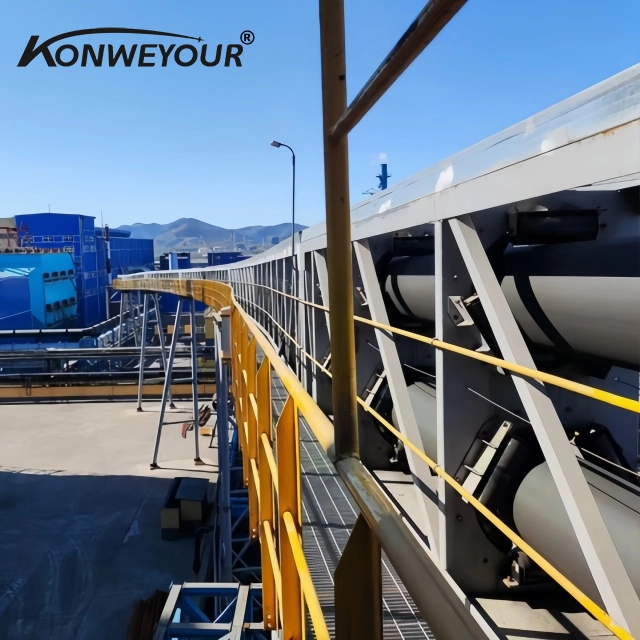
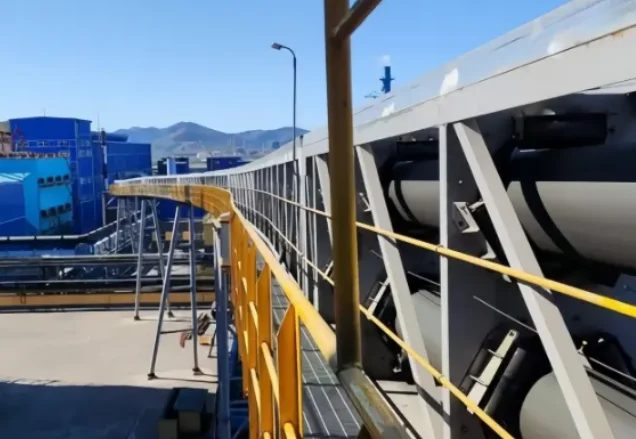
The efficacy and adaptability of modern conveyor systems are best illuminated through their widespread and successful deployment across various mining operations globally. These application cases demonstrate how tailored solutions can surmount unique challenges and deliver substantial operational improvements. Consider the example of a large open-pit coal mine in Australia, where a 15-kilometer overland `coal mine conveyor` system was installed to transport coal from the pit to the processing plant. This system, featuring regenerative braking on downhill sections, not only moved an average of 8,000 tons per hour but also generated excess electricity fed back into the grid, significantly reducing the mine's overall energy consumption by 18%. This technological leap replaced a fleet of 50 heavy-duty trucks, leading to a 75% reduction in CO2 emissions from transportation and a 60% decrease in operational expenditure related to fuel and vehicle maintenance. In another instance, an underground longwall mine in North America faced challenges with limited space and extreme gradients in its main development drives. A highly modular and flexible pipe conveyor system was implemented, capable of navigating sharp turns and inclines exceeding 18 degrees while fully encapsulating the coal to minimize dust. This bespoke solution increased material flow by 25% compared to its predecessor, reduced coal spillage by 95%, and significantly improved air quality within the underground environment, leading to enhanced worker safety and compliance with stringent environmental regulations. Furthermore, a coal port terminal in South Africa, tasked with rapidly loading vast quantities of coal onto ships, deployed a series of high-capacity shiploading conveyors integrated with a sophisticated stacker-reclaimer system. This setup achieved an average loading rate of 12,000 tons per hour, dramatically cutting vessel turnaround times by 30% and enabling the port to handle an additional 5 million tons of coal annually. These diverse applications underscore the versatility and transformative potential of advanced conveying technology. From boosting throughput and cutting costs to enhancing safety and environmental performance, `coal mine conveyor` systems are proving to be indispensable assets, driving efficiency and sustainability across the global mining industry, irrespective of the scale or complexity of the operation.
Pioneering Tomorrow: The Evolving Landscape of Coal Mine Conveyor Technology
The trajectory of coal mine conveyor technology is one of continuous innovation, driven by an unyielding demand for greater efficiency, enhanced safety, and reduced environmental impact. Looking ahead, several transformative trends are poised to redefine the landscape of bulk material handling in mining. Foremost among these is the escalating integration of artificial intelligence (AI) and machine learning (ML). Future conveyor systems will move beyond predictive maintenance to prescriptive maintenance, where AI algorithms analyze vast datasets from sensors to not only foresee failures but also recommend optimal operational adjustments and maintenance schedules to maximize uptime and extend component life. This will involve autonomous operation, where conveyors can self-regulate speed, load, and routing based on real-time mine conditions and production targets, minimizing human intervention and maximizing efficiency. Furthermore, advanced robotics and automation are set to play a more significant role in conveyor inspection and maintenance, with drones and autonomous vehicles performing routine checks in hazardous areas, further enhancing safety. Materials science will also continue to advance, leading to the development of even lighter, stronger, and more durable belt materials with superior resistance to abrasion, heat, and chemicals, potentially incorporating self-healing properties. The focus on sustainability will drive innovations in energy efficiency, with more widespread adoption of regenerative drive systems and the exploration of renewable energy sources to power conveyor operations. Dust and noise suppression technologies will become more sophisticated, employing active noise cancellation and advanced filtration systems to create healthier and safer working environments. The concept of a fully digitalized mine, where every `coal mine conveyor` is a node in an interconnected network, providing real-time data to a central control system for holistic optimization, is rapidly becoming a reality. These advancements collectively point towards a future where conveyor systems are not just machines for moving material, but intelligent, autonomous, and environmentally responsible entities that are integral to the sustainable and profitable operation of modern coal mines. Embracing these evolving technologies will be crucial for any mining enterprise aiming to maintain a competitive edge and secure its operational future.
Frequently Asked Questions about Coal Mine Conveyors
Q1: What are the primary types of conveyors used in coal mines?
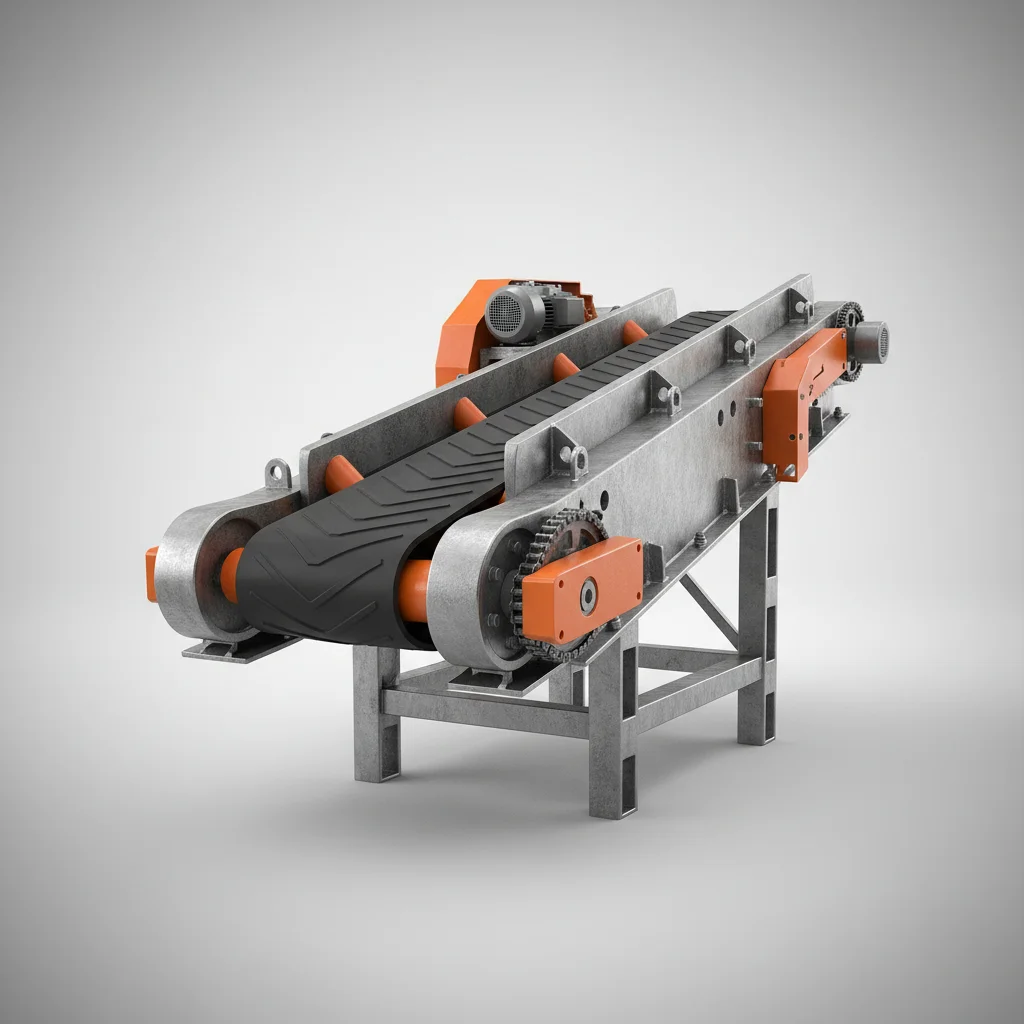
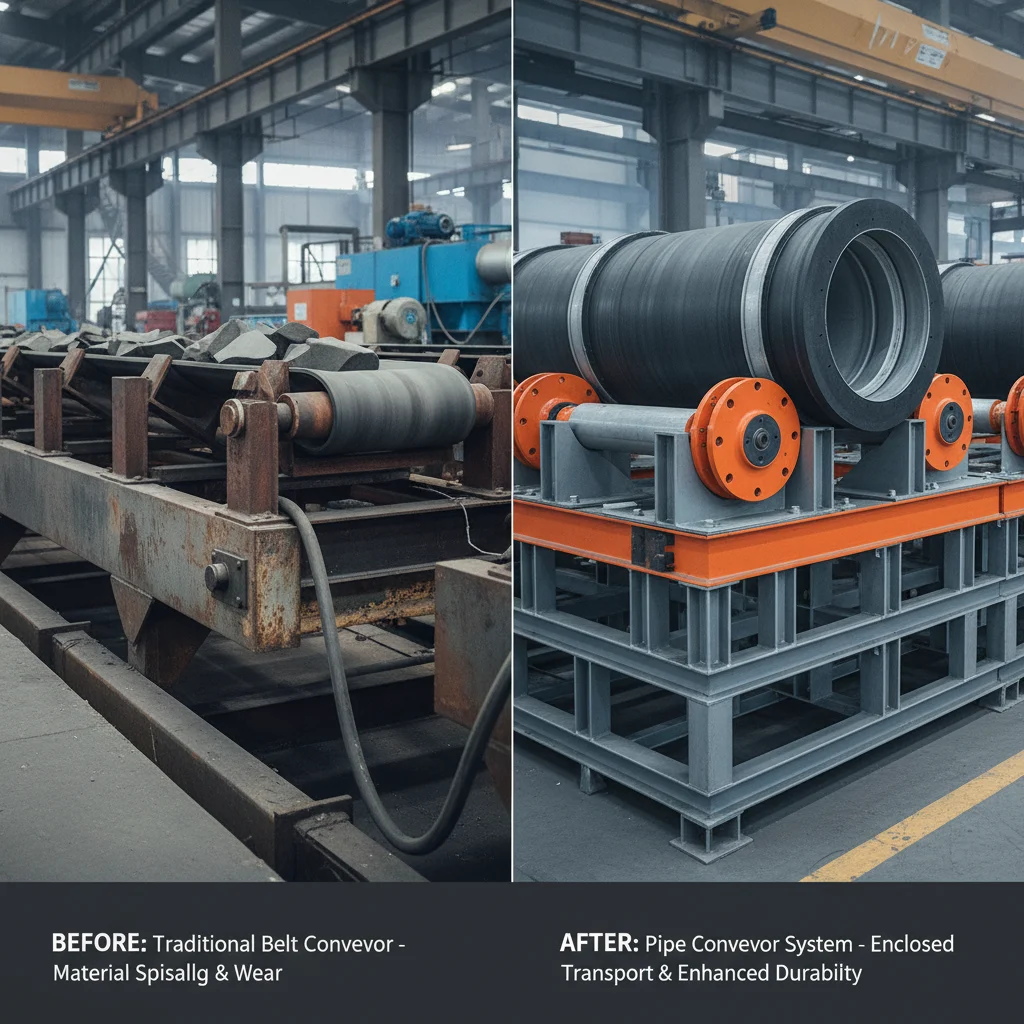
A1: The primary types include troughed belt conveyors for general bulk material transport, pipe conveyors for enclosed, dust-free, and curve-negotiating transport, steep-angle conveyors for significant elevation changes, and armored face conveyors (AFCs) specifically used at the longwall face to move coal away from the shearer.
Q2: How do modern coal mine conveyors contribute to safety?
A2: Modern conveyors incorporate numerous safety features such as emergency stop pull cords, belt misalignment switches, anti-rollback devices, fire detection and suppression systems, advanced guarding, and robust dust suppression to minimize hazards. Predictive maintenance also prevents catastrophic failures, further enhancing safety.
Q3: What role does automation play in contemporary conveyor systems?
A3: Automation allows for centralized control, real-time monitoring of performance metrics (speed, load, tension), automatic fault detection, and integrated safety shutdowns. Advanced systems use IoT sensors and AI for predictive maintenance, optimizing operations, and reducing the need for human intervention in hazardous areas.
Q4: What are the main challenges in maintaining coal mine conveyors?
A4: Key maintenance challenges include abrasive wear on belts and idlers, tracking issues, roller bearing failures, splice integrity, dust accumulation, and environmental factors like moisture and temperature extremes. Regular inspection, proper lubrication, and timely replacement of worn components are crucial.
Q5: What factors influence the choice of belt material for a coal mine conveyor?
A5: Factors include the type of coal (abrasiveness, lump size), operational environment (temperature, moisture), required tensile strength, fire resistance regulations, and specific application (e.g., underground vs. overland). Common materials include various plies of fabric, steel cord, or specialized synthetic compounds.
Q6: How do conveyor systems improve energy efficiency in coal mining?
A6: Modern conveyors use energy-efficient motors (e.g., VFDs, direct drives) that match power consumption to load. Regenerative braking systems on downhill sections can feed energy back into the grid. Optimized belt designs, low-friction idlers, and proper tensioning also significantly reduce energy consumption compared to truck-based hauling.
Q7: Can coal mine conveyors be customized for specific mine layouts or material characteristics?
A7: Absolutely. Customization is a core aspect of modern conveyor design. Systems can be tailored for specific lengths, gradients, turns, material properties (e.g., wet, sticky, abrasive coal), environmental conditions, and integration with existing mine infrastructure. This ensures optimal performance and efficiency for unique operational demands.