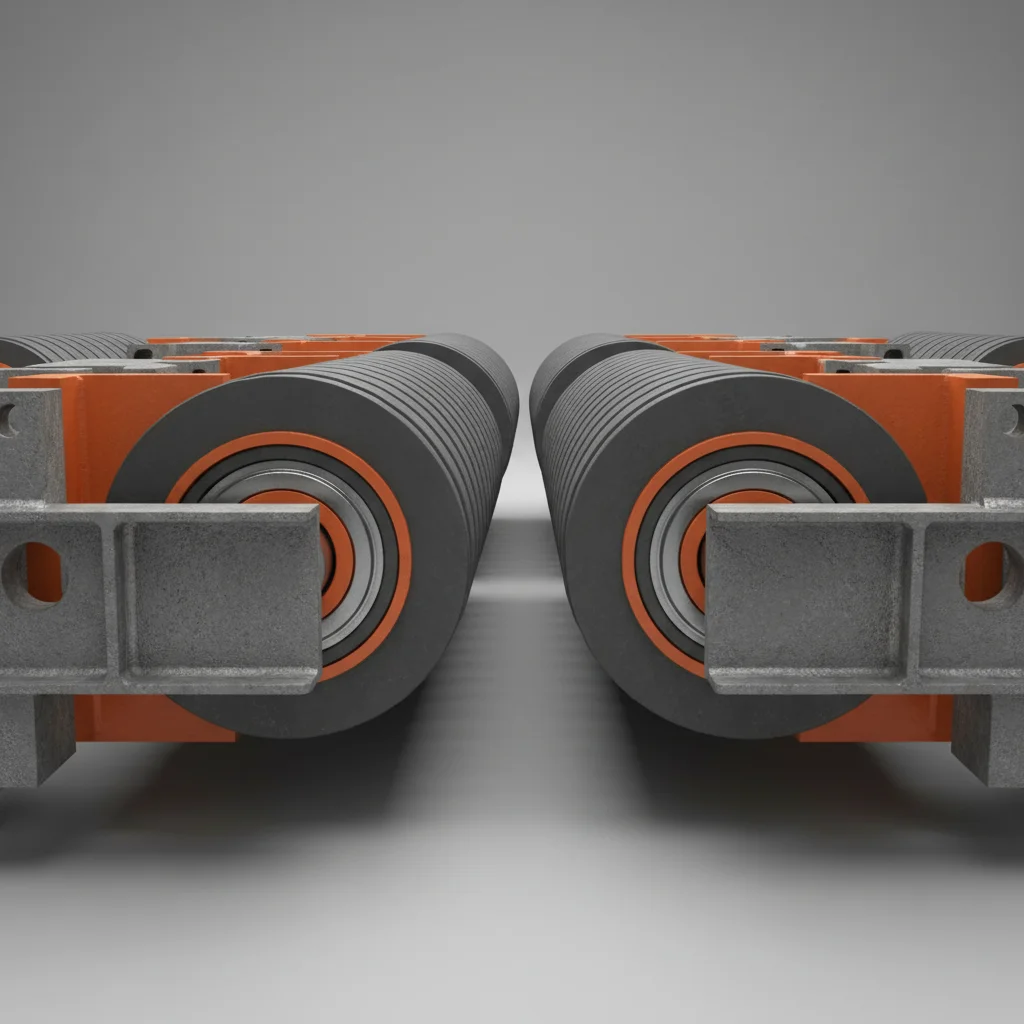
Understanding Mild Steel Conveyor Rollers
In the realm of material handling, efficient and reliable conveyor systems are crucial. At the heart of many of these systems lie mild steel conveyor rollers. These components play a vital role in smoothly transporting goods across various industries. This article will explore the features, benefits, applications, and key considerations when selecting mild steel conveyor rollers, with a focus on quality and durability. Proper roller selection directly impacts system efficiency and longevity.
What are Mild Steel Conveyor Rollers?
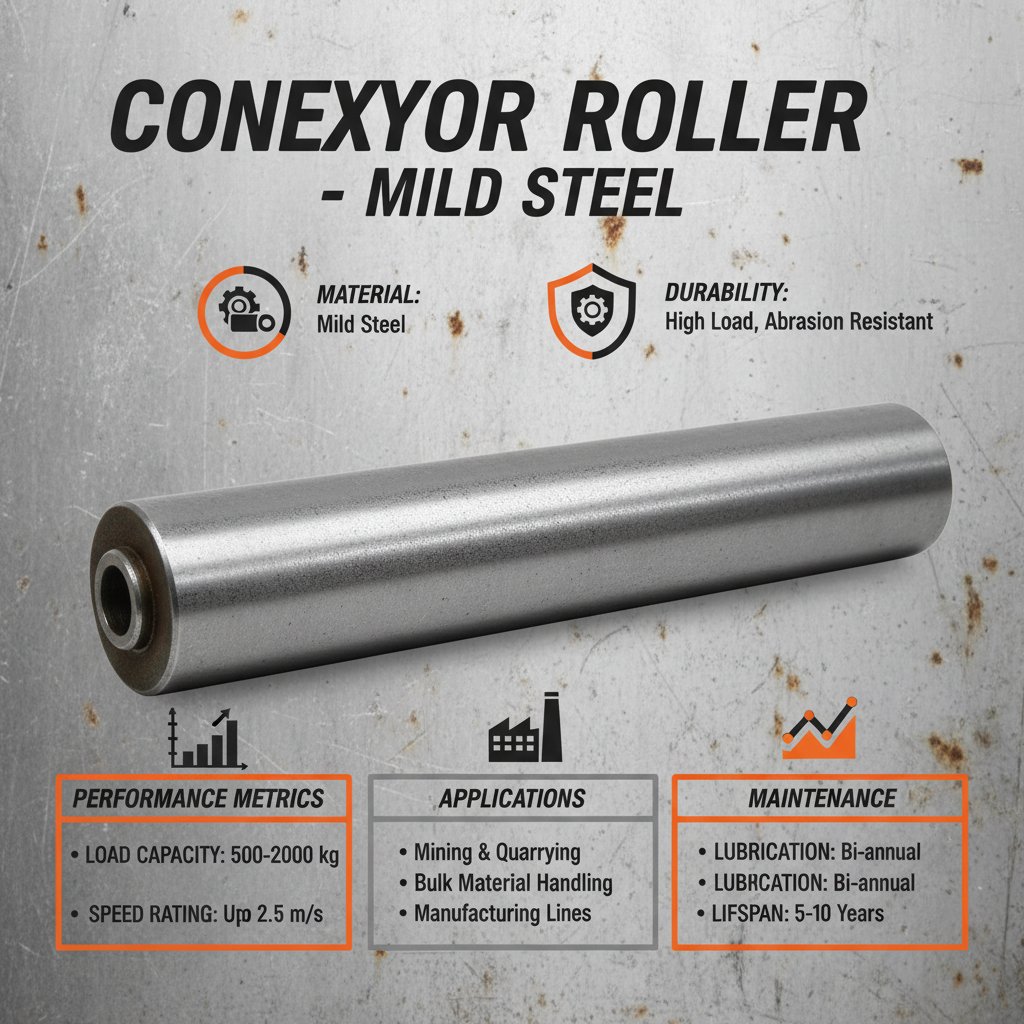
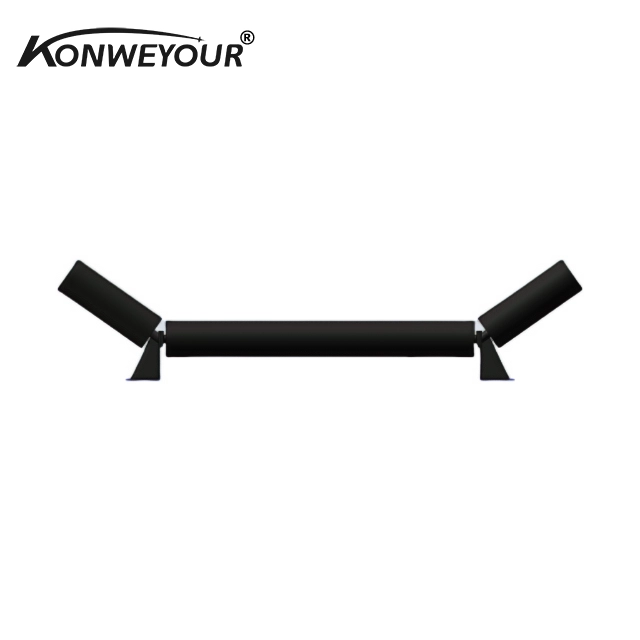
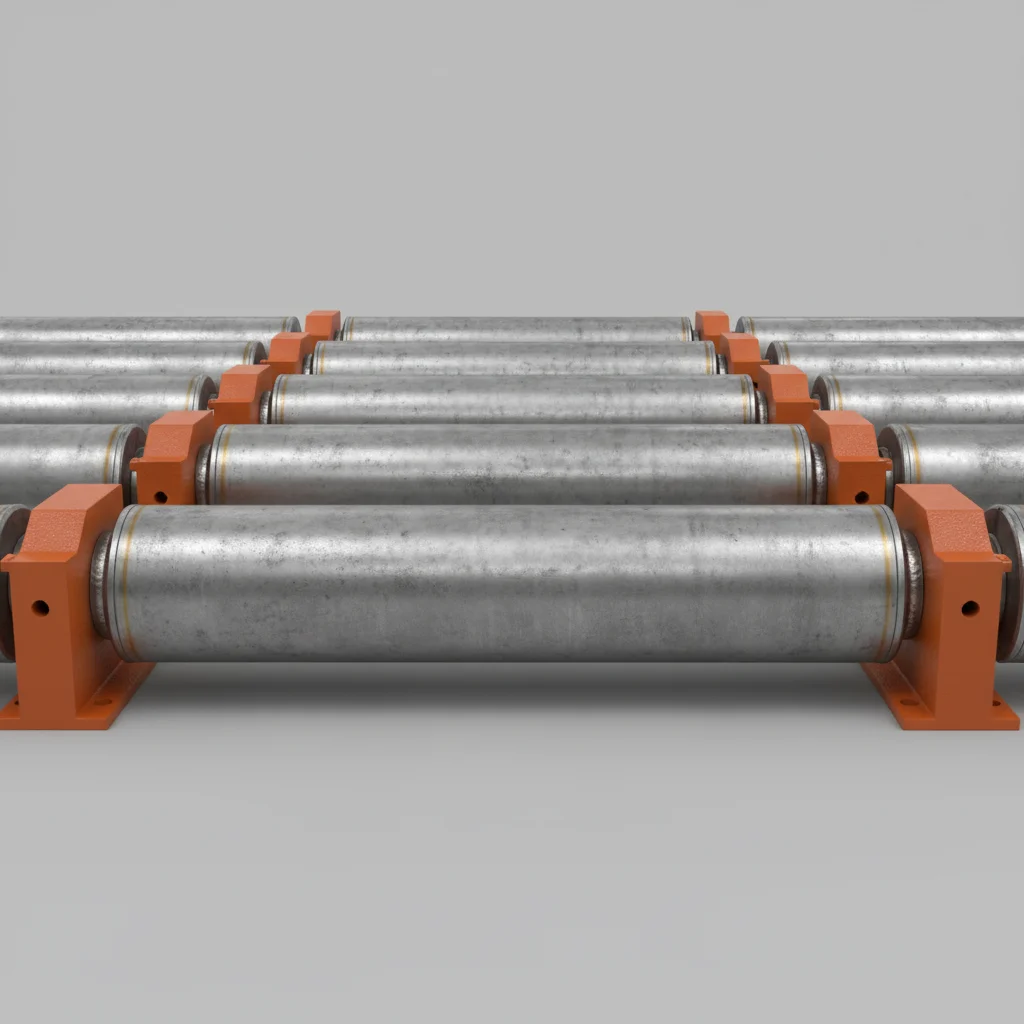
Mild steel conveyor rollers are cylindrical components designed to support and facilitate the movement of materials on a conveyor belt. They are typically constructed from carbon steel, known for its strength and affordability. These rollers are essential for reducing friction between the belt and the conveyed material, enabling smooth and consistent transportation. They come in various diameters, lengths, and load capacities to suit diverse applications. JT Conveyor specializes in producing high-quality rollers tailored to specific customer needs.
Key Characteristics: Durable, Cost-effective, Versatile, and Customizable.
Applications of Mild Steel Conveyor Rollers
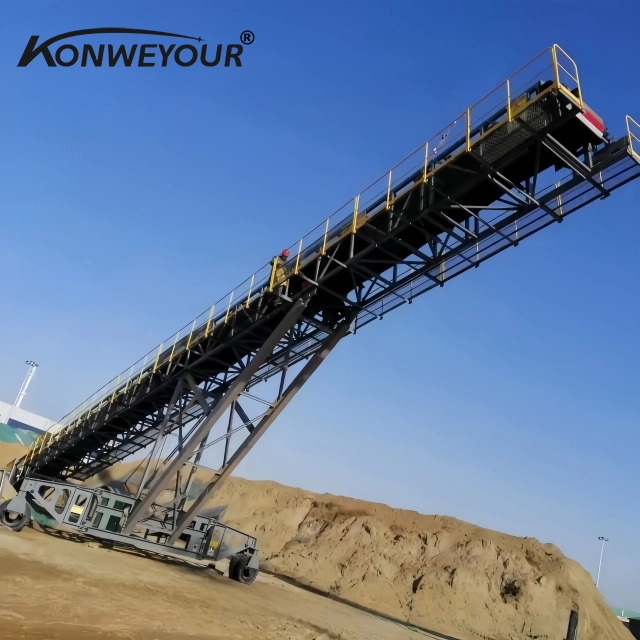
Mild steel conveyor rollers find applications across a broad spectrum of industries, including: logistics and warehousing, manufacturing, mining, agriculture, food processing, and packaging. In warehousing, they facilitate the efficient movement of pallets and boxes. Within manufacturing, they support assembly lines and material transfer. Mining operations rely on them for handling bulk materials. The versatility of these rollers makes them a critical component in countless automated systems. Selecting the right roller type is crucial for optimal performance in each specific application.
Industry Applications:
• Logistics & Warehousing
• Manufacturing
• Mining & Quarrying
• Food Processing
Mild Steel vs. Other Roller Materials: A Comparison
While mild steel is a popular choice, other materials like stainless steel, PVC, and aluminum are also used for conveyor rollers. Each material offers distinct advantages and disadvantages. Stainless steel provides superior corrosion resistance, ideal for wet environments. PVC is lightweight and suitable for applications requiring low friction. Aluminum is known for its strength-to-weight ratio. However, mild steel generally offers the best balance of strength, durability, and cost-effectiveness for many applications. JT Conveyor can advise on the best material based on your specific needs.
| Material |
Strength |
Corrosion Resistance |
Cost |
| Mild Steel |
High |
Moderate (requires coating) |
Low |
| Stainless Steel |
Very High |
Excellent |
High |
| PVC |
Moderate |
Good |
Moderate |
Factors to Consider When Choosing Mild Steel Conveyor Rollers
Several key factors should guide your selection of mild steel conveyor rollers. These include the load capacity required, the operating environment (temperature, humidity, potential for corrosion), the speed of the conveyor system, and the type of material being conveyed. Proper bearing selection is also critical for ensuring smooth operation and longevity. JT Conveyor offers a wide range of roller sizes, load capacities, and bearing options to meet your specific requirements.
Maintaining and Extending the Life of Your Mild Steel Rollers
Regular maintenance is essential for maximizing the lifespan of your mild steel conveyor rollers. This includes periodic inspection for wear and tear, lubrication of bearings, and cleaning to remove debris. Addressing issues like bearing failure or misalignment promptly can prevent more significant damage and costly downtime. Applying a protective coating can also help prevent corrosion in harsh environments. JT Conveyor provides expert advice on roller maintenance and can supply replacement parts as needed.
Conclusion: Choosing the Right Mild Steel Conveyor Rollers
Selecting the right mild steel conveyor rollers is a crucial investment for efficient and reliable material handling. By considering factors like load capacity, operating environment, and proper maintenance, you can ensure long-lasting performance and minimize downtime. Partnering with a reputable supplier like JT Conveyor ensures access to high-quality products and expert support.
Frequently Asked Questions (FAQs)
What is the typical lifespan of mild steel conveyor rollers?
The lifespan of mild steel conveyor rollers can vary significantly based on factors like load, operating environment, and maintenance practices. With proper lubrication and regular inspection, rollers can typically last between 5 to 10 years. However, harsh conditions – such as exposure to corrosive substances or heavy loads – can shorten this lifespan. Regular inspection and preventative maintenance are key to maximizing their service life. The quality of the steel and bearing used also impacts longevity. JT Conveyor offers rollers constructed from high-quality materials designed for durability.
How do I determine the correct load capacity for my conveyor rollers?
Determining the correct load capacity requires careful consideration of the maximum weight that the rollers will be supporting. This includes the weight of the conveyed materials, as well as any dynamic loads that may occur during operation. It's recommended to add a safety factor of at least 20% to account for unexpected variations in weight. Consulting with a conveyor system expert, like those at JT Conveyor, can ensure you select rollers with sufficient capacity.
What type of bearings are commonly used in mild steel conveyor rollers?
Common bearing types include sealed ball bearings, tapered roller bearings, and cylindrical roller bearings. Sealed ball bearings are cost-effective and suitable for light to moderate loads. Tapered roller bearings are designed for heavier loads and higher speeds. Cylindrical roller bearings offer excellent radial load capacity. The choice of bearing depends on the specific application requirements and load characteristics. JT Conveyor can recommend the optimal bearing type for your needs.
How can I protect mild steel rollers from corrosion?
Protecting mild steel rollers from corrosion involves several strategies. Applying a protective coating, such as paint, epoxy, or galvanization, creates a barrier against moisture and corrosive substances. Regular cleaning to remove contaminants is also essential. In particularly harsh environments, stainless steel rollers may be a more suitable option. Regular inspection for signs of corrosion allows for timely intervention and prevents further damage.