Mastering the Art to Design Conveyor Components for Peak Performance
In the intricate world of industrial automation and material handling, the efficiency and reliability of an entire system often hinge on the meticulous design of its individual conveyor components. From the rollers and belts to the frames and drives, each element plays a pivotal role in ensuring seamless operation, optimizing throughput, and ultimately, impacting a company's bottom line. Poorly designed components can lead to frequent breakdowns, increased maintenance costs, and significant production losses, while expertly engineered solutions can unlock unprecedented levels of productivity and longevity.
Consider the staggering impact of operational bottlenecks: a recent industry report indicated that inadequate conveyor system design contributes to an average of 15-20% downtime in manufacturing plants annually, translating into millions of dollars in lost revenue for large enterprises. Conversely, investing in superior component design can yield remarkable returns. Companies that prioritize advanced design principles report up to a 30% reduction in energy consumption due to optimized friction and load distribution, coupled with a 25% increase in component lifespan, drastically cutting replacement costs. This isn't merely about moving products from point A to point B; it's about engineering a strategic advantage that permeates every facet of an operation. The imperative to design conveyor components with precision, foresight, and an understanding of the end-user environment has never been more critical, driving innovation and demanding a multidisciplinary approach that combines material science, mechanical engineering, and predictive analytics.
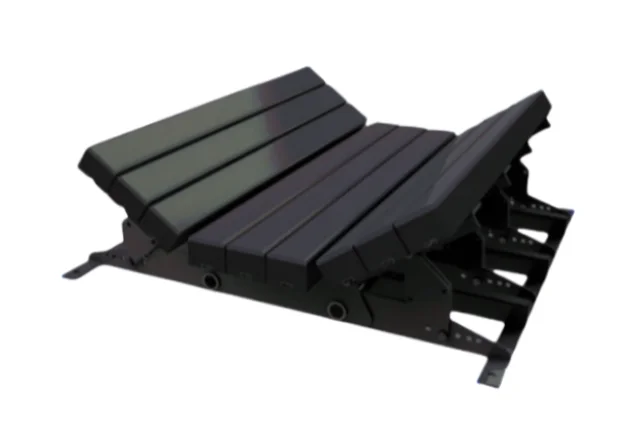
Unlocking Operational Excellence Through Advanced Engineering
The journey to operational excellence in material handling begins with a deep dive into advanced engineering principles applied to conveyor component design. Modern industrial demands require components that are not just robust, but also intelligent, energy-efficient, and adaptable. This necessitates the adoption of cutting-edge technologies and methodologies throughout the design process.
Key technical advantages in contemporary component design include:
· Sophisticated Material Science: Beyond traditional steel and rubber, engineers are leveraging advanced polymers, composite materials, and specialized alloys. For instance, ultra-high molecular weight polyethylene (UHMW-PE) offers exceptional wear resistance and a low coefficient of friction, extending the lifespan of rollers and guide rails in abrasive environments by up to 40% compared to conventional materials. Similarly, fiber-reinforced composites are being used for lightweight yet incredibly strong structural elements, reducing overall system weight and energy demands.
· Precision Simulation and Analysis: The days of trial-and-error prototyping are largely behind us. Finite Element Analysis (FEA) allows designers to simulate stress distribution, fatigue life, and deformation under various load conditions, identifying potential failure points before manufacturing even begins. Computational Fluid Dynamics (CFD) is employed to optimize airflow around components, crucial for cooling and dust control in sensitive applications. This predictive capability can cut design iteration cycles by over 50% and significantly reduce development costs.
· Modular Design Philosophy: Modern conveyor systems are increasingly modular, allowing for easier assembly, maintenance, and future expansion. Designing components with standardized interfaces and interchangeable parts not only streamlines inventory management but also facilitates rapid reconfiguration to meet changing production demands, potentially reducing reconfiguration time by up to 70%.
· Energy Efficiency and Sustainability: From low-friction bearings to high-efficiency motor drives, every component is scrutinized for its energy footprint. Integrated sensors and intelligent control systems optimize motor speeds based on real-time load, leading to energy savings of 10-20%. Furthermore, the selection of recyclable materials and designs that minimize waste during manufacturing contributes to overall sustainability goals.
· Smart Integration and IoT Readiness: Components are now designed with embedded sensors that monitor performance metrics such as temperature, vibration, and wear. This data, when integrated into an Industrial Internet of Things (IIoT) platform, enables predictive maintenance, alerting operators to potential issues before they cause costly downtime. This proactive approach can reduce unplanned maintenance by over 30%.
These technical advancements collectively elevate the design of conveyor components from a purely mechanical exercise to a sophisticated engineering discipline, yielding systems that are more reliable, efficient, and ultimately, more profitable for businesses.
Navigating the Landscape of Component Providers
Selecting the right manufacturer for conveyor components is as critical as the design itself. The market is saturated with providers, each offering a distinct set of capabilities, material expertise, and service models. A comprehensive evaluation framework is essential to ensure that the chosen partner aligns with specific project requirements, budget constraints, and long-term operational goals. Factors such as a manufacturer's commitment to R&D, quality control processes, supply chain resilience, and after-sales support can significantly influence the success and longevity of a conveyor system.
Below is a comparative overview highlighting key differentiators among hypothetical component manufacturers:
Criteria | Manufacturer A (Specialized High-Precision) | Manufacturer B (Volume Production Standard) | Manufacturer C (Custom & Niche) |
Material Quality & Durability | Premium, exotic alloys, advanced polymers (e.g., aerospace grade), 99.9% consistency. | Standard industrial steel, rubber, common plastics, 95% consistency. | Specialized composites, ceramics, food-grade/chemical-resistant polymers, tailored to application. |
Design & Engineering Expertise | In-house FEA, CFD, rapid prototyping, highly specialized R&D team. | Standard CAD, basic simulation, focus on proven designs. | Collaborative design, bespoke tooling, deep domain knowledge for unique challenges. |
Customization Capability | High (extensive modifications, novel designs). | Low (minor adjustments to standard products). | Very High (from concept to production of entirely new components). |
Lead Time for Standard Orders | Moderate (due to precision manufacturing). | Fast (high volume, off-the-shelf). | Varies (can be longer due to customization, but expedited options available). |
Post-Sales Support & Warranty | Comprehensive, dedicated technical support, extended warranty (e.g., 5 years+). | Standard, limited support, basic warranty (e.g., 1-2 years). | Personalized, ongoing consultation, flexible warranty based on agreement. |
Cost-Effectiveness (per unit) | Higher initial investment, lower lifecycle cost. | Lower initial investment, moderate lifecycle cost. | Variable, often higher initial, but optimized for specific ROI. |
Industry Certifications | ISO 9001, AS9100, specific industry standards (e.g., ATEX for hazardous environments). | ISO 9001. | ISO 9001, specific industry (e.g., FDA for food contact, API for oil & gas). |
Beyond this table, crucial qualitative aspects include a manufacturer's communication clarity, transparency in their processes, and their track record of successful project delivery. A reliable partner will not only supply components but also act as an extension of your engineering team, offering insights and support throughout the project lifecycle, ensuring that the chosen components truly enhance the overall system performance.
Tailoring Solutions for Unique Industrial Challenges
In an industrial landscape where every application presents distinct challenges, a one-size-fits-all approach to conveyor components is often a recipe for inefficiency and failure. The ability to provide highly customized solutions is paramount for achieving optimal system performance and longevity. This process moves beyond merely selecting from a catalog; it involves a deep consultative partnership between the client and the engineering team to design components perfectly suited to the operating environment and specific material handling requirements.
The customization journey typically unfolds through several critical stages:
1. Initial Consultation and Needs Assessment: This foundational step involves a thorough understanding of the client's operations, the type of material being conveyed (e.g., abrasive aggregates, delicate electronics, corrosive chemicals, food products), environmental conditions (temperature extremes, dust, humidity), load capacities, desired throughput, and existing infrastructure. Engineers might conduct site visits or detailed virtual assessments to gather comprehensive data.
2. Conceptualization and Specification Development: Based on the assessment, preliminary concepts are developed. This includes exploring various material options (e.g., stainless steel for hygiene, specialized plastics for chemical resistance, rubber compounds for impact absorption), bearing types (sealed, self-lubricating, high-temperature), and structural designs (e.g., reinforced frames for heavy loads, lightweight structures for portability). Detailed specifications are drafted, outlining performance criteria, dimensions, and material properties.
3. CAD Modeling and Prototyping: Utilizing advanced Computer-Aided Design (CAD) software, engineers create precise 3D models of the custom components. These models are not just visual representations but include detailed engineering data for analysis. For complex or novel designs, rapid prototyping methods like 3D printing or CNC machining can produce physical models quickly, allowing for hands-on evaluation and iterative refinement before full-scale manufacturing. This stage helps validate design integrity and functionality.
4. Simulation and Performance Validation: Before physical production, sophisticated simulation tools (FEA, CFD) are employed to virtually test the component under expected operational stresses. This allows for predictive analysis of wear patterns, load distribution, thermal performance, and dynamic behavior. Adjustments can be made digitally, significantly reducing the cost and time associated with physical testing.
5. Material Selection and Sourcing: Critical to customization is the expert selection of materials. For instance, in food processing, components must meet FDA regulations for direct food contact, necessitating specific grades of stainless steel or food-grade polymers. In mining, components require extreme abrasion resistance, often utilizing specialized ceramic liners or hardened alloys. The sourcing of these materials must adhere to strict quality controls.
6. Manufacturing and Quality Assurance: The custom design is brought to life using precision manufacturing techniques. Throughout this process, stringent quality assurance protocols are implemented, including dimensional checks, material composition verification, and functional testing to ensure that the final component exactly matches the validated design specifications and performs reliably in its intended application.
This tailored approach ensures that every custom-designed component is not just an off-the-shelf part, but a precisely engineered solution that integrates seamlessly into the client's system, addresses their specific challenges, and delivers measurable improvements in efficiency, safety, and operational longevity.
Real-World Impact: Diverse Industry Applications
The strategic deployment of expertly designed conveyor components transcends theoretical advantages, manifesting in tangible operational improvements across a multitude of industries. From the meticulous demands of pharmaceutical production to the arduous conditions of mining, specialized components are engineered to solve specific, complex challenges, proving their real-world value.
· Food & Beverage Processing: In this highly regulated sector, hygiene and material compatibility are paramount. Custom-designed food-grade components, such as stainless steel modular belts with open designs for easy cleaning, specialized rollers with antimicrobial coatings, and sealed bearings impervious to washdowns, drastically reduce the risk of contamination. For instance, a dairy processing plant replaced standard rollers with custom-engineered sealed polymer rollers, reducing bacterial growth points by 60% and cutting cleaning time by 25%, ensuring compliance and enhancing product safety.
· Automotive Manufacturing: The automotive industry requires robust, high-precision components capable of handling heavy loads, extreme temperatures (e.g., paint ovens), and precise positioning. Custom-designed friction rollers with specific coefficients of friction are essential for smooth, controlled movement of car bodies on assembly lines, preventing damage and maintaining tight production schedules. Heavy-duty chain conveyors with specialized attachments are designed to withstand constant welding sparks and high impact, extending lifespan by over 30% compared to general-purpose chains.
· Logistics and E-commerce Fulfillment: With the explosive growth of e-commerce, speed and accuracy are critical. Conveyor systems here often utilize high-speed, low-noise components like specialized tapered rollers for precise package sorting, modular plastic belts with smart tracking embedded, and low-maintenance motor-driven rollers (MDRs) for zone-based conveyance. A large fulfillment center implemented custom MDRs with integrated sensors, achieving a 15% increase in sorting speed and a 20% reduction in package misroutes due to enhanced component control.
· Mining and Aggregate: This industry presents some of the most challenging environments for conveyor components, dealing with extreme abrasion, heavy impacts, and corrosive materials. Custom-engineered idlers with reinforced housings and specialized labyrinth seals prevent dust and moisture ingress, significantly extending bearing life from months to years. Heavy-duty rubber belts with specific ply constructions and rip-resistant features are custom-made to handle sharp, abrasive rocks, reducing belt replacement frequency by up to 50% and cutting associated downtime.
· Pharmaceutical Production: Similar to food & beverage, pharmaceutical facilities demand ultra-clean components, often in controlled environments. Stainless steel conveyors with electropolished surfaces, specialized cleanroom-compatible rollers, and vibration-dampening components are custom-fabricated to prevent particle generation and ensure product integrity. A pharmaceutical manufacturer requiring precise tablet handling adopted custom-designed small-pitch plastic modular belts, virtually eliminating product damage and improving processing yields by over 10%.
These diverse examples underscore the principle that off-the-shelf solutions often fall short. By investing in components meticulously engineered for their specific operational context, businesses can achieve unparalleled performance, safety, and cost-efficiency, transforming their material handling challenges into competitive advantages.
The Horizon of Conveyor Technology and Design
The trajectory of conveyor technology and design is marked by an accelerating pace of innovation, driven by the broader currents of Industry 4.0, sustainability imperatives, and an insatiable demand for greater efficiency and resilience. The future of conveyor components will be characterized by a profound integration of digital intelligence, advanced manufacturing techniques, and novel materials, pushing the boundaries of what these systems can achieve.
Several key trends are shaping this horizon:
· AI-Driven Generative Design: Artificial intelligence is poised to revolutionize the initial design phase. Generative design algorithms can explore thousands, even millions, of design iterations based on specified parameters (load capacity, weight, material, cost, manufacturing process) in a fraction of the time a human engineer could. This allows for the discovery of optimized geometries that are lighter, stronger, and more efficient than traditional designs, leading to significant material savings and performance gains.
· Additive Manufacturing (3D Printing): While already impactful, additive manufacturing's role in producing conveyor components will expand beyond prototyping. With advancements in materials (e.g., metal alloys, high-performance polymers) and large-format printing capabilities, it will enable the direct production of complex, customized components with intricate internal structures impossible to achieve with conventional manufacturing. This facilitates rapid, on-demand part replacement and the creation of highly specialized components for niche applications.
· Predictive Maintenance via IIoT and Digital Twins: The integration of embedded sensors collecting real-time data (vibration, temperature, current draw, acoustic signatures) will become standard. This data will feed into sophisticated analytics platforms and 'digital twin' models – virtual replicas of physical conveyor systems. These digital twins can simulate wear and tear, predict component failure with remarkable accuracy (e.g., predicting bearing failure weeks in advance with 90%+ accuracy), and recommend proactive maintenance, virtually eliminating unscheduled downtime.
· Sustainable Materials and Circular Economy Principles: Environmental stewardship is increasingly a core design criterion. The development of new bio-based polymers, recycled materials, and easily recyclable or biodegradable composites for components will gain traction. Furthermore, design for disassembly and repair will become standard, supporting a circular economy model where components are reused, refurbished, or fully recycled at the end of their lifecycle, minimizing waste and resource consumption.
· Autonomous and Collaborative Systems: As robots become more prevalent in material handling, conveyor components will be designed for seamless interaction with autonomous guided vehicles (AGVs) and collaborative robots (cobots). This includes intelligent conveyor sections that can communicate and adapt their speed or direction based on robotic movements, enhancing overall system flexibility and safety.
· Enhanced Ergonomics and Safety: Future designs will place an even greater emphasis on worker safety and comfort. This includes components designed for easier, tool-less maintenance, reduced noise and vibration, and integrated safety features that minimize pinch points and offer immediate emergency stops, aligning with an industry-wide push for zero-harm workplaces.
These innovations promise not just incremental improvements but transformative shifts in how conveyor systems are conceived, built, operated, and maintained, ensuring they remain at the forefront of industrial efficiency and innovation.
Beyond the Blueprint: The Future of Design Conveyor Components
The journey from a preliminary concept to a fully operational, high-performance conveyor system is a testament to meticulous engineering, strategic material selection, and an unwavering commitment to operational excellence. We've explored how data-driven insights underscore the critical importance of superior component design, how advanced engineering techniques unlock unprecedented levels of efficiency and reliability, and how a discerning approach to manufacturer selection forms the bedrock of a successful project. The power of customization, demonstrated through diverse industry applications, highlights that truly optimal solutions are those meticulously tailored to unique challenges, transforming specific operational bottlenecks into streamlined processes and competitive advantages.
Looking ahead, the horizon of conveyor technology is not merely an evolution but a revolution. With AI-driven generative design, the expanding capabilities of additive manufacturing, predictive maintenance powered by IIoT and digital twins, and a profound emphasis on sustainability, the way we design conveyor components is poised for radical transformation. These advancements promise systems that are not only more efficient, resilient, and intelligent but also environmentally conscious and inherently safer for human interaction. The future will demand components that are not just parts of a machine, but integral, intelligent nodes within a larger, interconnected industrial ecosystem.
Ultimately, to design conveyor components effectively is to craft the very arteries of industrial productivity. It requires foresight, innovation, and an understanding that every bolt, every roller, and every belt contributes to the grand narrative of operational success. Partnering with experts who embrace these future trends and possess the deep engineering acumen to translate complex requirements into tangible, high-performing solutions is no longer a luxury but a strategic imperative for any enterprise aiming to thrive in the dynamic landscape of modern industry.
FAQ: Design Conveyor Components
Q1: What are the primary factors to consider when you design conveyor components?
A1: Key factors include the type of material being conveyed (e.g., abrasive, delicate, hot, corrosive), required throughput and speed, environmental conditions (temperature, humidity, dust), load capacity, available space, maintenance accessibility, energy efficiency goals, and regulatory compliance (e.g., FDA for food contact).
Q2: How does material selection impact the design and performance of conveyor components?
A2: Material selection is crucial. It directly affects durability, wear resistance, coefficient of friction, weight, corrosion resistance, temperature tolerance, and cost. For instance, using UHMW-PE for guide rails reduces friction and extends life in abrasive environments, while stainless steel is vital for hygienic applications in food and pharmaceutical industries.
Q3: What role does simulation software play in designing modern conveyor components?
A3: Simulation software like Finite Element Analysis (FEA) and Computational Fluid Dynamics (CFD) are indispensable. They allow engineers to virtually test components for stress, fatigue, deformation, and thermal performance under various conditions, identifying potential failure points and optimizing designs before physical prototyping, significantly reducing development time and costs.
Q4: Can conveyor components be customized for unique industrial challenges, and what is the process?
A4: Absolutely. Customization is often necessary for optimal performance. The process typically involves initial consultation and needs assessment, conceptual design, CAD modeling, virtual simulation (FEA), material selection, prototyping, and rigorous quality assurance during manufacturing, ensuring the component precisely fits the application's unique demands.
Q5: How do intelligent features like sensors and IIoT integration enhance conveyor component design?
A5: Integrating sensors into components allows for real-time monitoring of critical parameters like temperature, vibration, and wear. This data, fed into IIoT platforms, enables predictive maintenance, anomaly detection, and performance optimization. This proactive approach can reduce unplanned downtime by anticipating failures before they occur, improving overall system reliability and efficiency.
Q6: What are the future trends influencing the design of conveyor components?
A6: Future trends include AI-driven generative design for optimized geometries, increased use of additive manufacturing for complex custom parts, advanced predictive maintenance via digital twins, adoption of sustainable and recycled materials, and designs optimized for seamless integration with autonomous robotic systems.
Q7: What is the typical lifespan improvement expected from well-designed conveyor components versus standard ones?
A7: While variable by application, well-designed conveyor components utilizing superior materials, precision engineering, and optimized operational parameters can often achieve a lifespan extension of 25% to 50% or more compared to standard, off-the-shelf components. This significantly reduces replacement frequency, maintenance costs, and associated downtime.