The Indispensable Role of Conveyor Belts for the Mining Industry
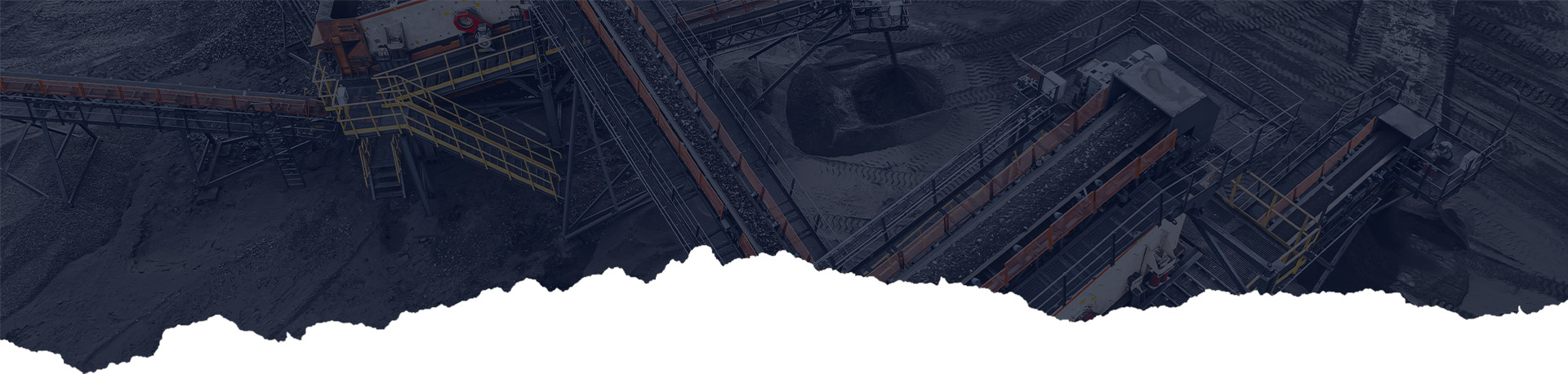
In the relentless pursuit of raw materials that power global industries, the mining sector operates under immense pressure to maximize efficiency, ensure safety, and minimize operational costs. At the very heart of this complex logistical challenge lies the conveyor belt for mining industry, a piece of equipment that is far more than just a transportation mechanism. It is the lifeblood of material handling, an engineered marvel designed to withstand the harshest conditions imaginable – from abrasive ores and extreme temperatures to heavy loads and continuous operation. Without robust, reliable, and intelligently designed conveyor systems, the seamless movement of millions of tons of extracted minerals, overburden, and waste would be impossible, crippling production schedules and significantly escalating operational expenses. This foundational technology underpins the profitability and productivity of both open-pit and underground mining operations, demanding constant innovation and a deep understanding of unique site-specific requirements. The selection and maintenance of these critical systems are paramount, directly influencing a mine’s output, safety record, and overall economic viability. Investing in advanced conveyor solutions is not merely an expense, but a strategic decision that directly translates into sustained operational excellence and competitive advantage in a highly demanding global market.
Understanding the Operational Imperatives and Data-Driven Impact
The operational landscape within the mining industry is characterized by an unyielding demand for efficiency, often under perilous conditions. Every component of a mining operation is scrutinized for its contribution to throughput, safety, and cost-effectiveness. Conveyor belts, as central arteries for material transport, bear a significant responsibility in these metrics. Consider the staggering volumes involved: a large open-pit mine can process upwards of 100,000 tons of material daily. Any inefficiency in the conveying system, be it due to frequent breakdowns, spillage, or premature wear, can translate into substantial financial losses. Industry data suggests that unscheduled downtime, often linked to conveyor issues, can cost large mining operations anywhere from $10,000 to $50,000 per hour, depending on the scale and type of material. A properly engineered and maintained conveyor system can reduce unscheduled downtime by as much as 15-20%, directly improving operational uptime. Furthermore, optimized belt speeds and loading can increase material throughput by an additional 10-25% without requiring significant capital expenditure on additional machinery. The ripple effect extends to energy consumption; advanced belt designs and intelligent drive systems can cut energy usage by 5-10% compared to older, less efficient models. These are not incremental gains; they represent significant improvements to the bottom line, underscoring the necessity of treating conveyor belt selection and maintenance with the utmost strategic importance. The data unequivocally points to conveyor systems as a pivotal determinant of a mine's economic success and operational resilience.
Unpacking Technical Advantages and Material Science Innovations
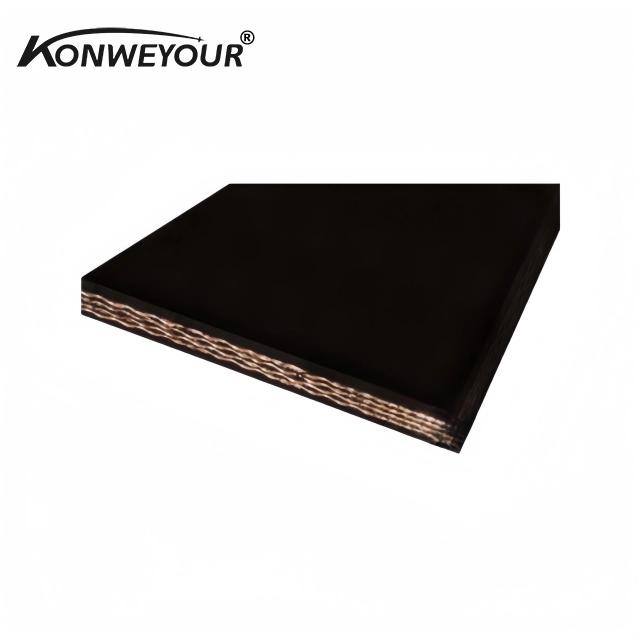
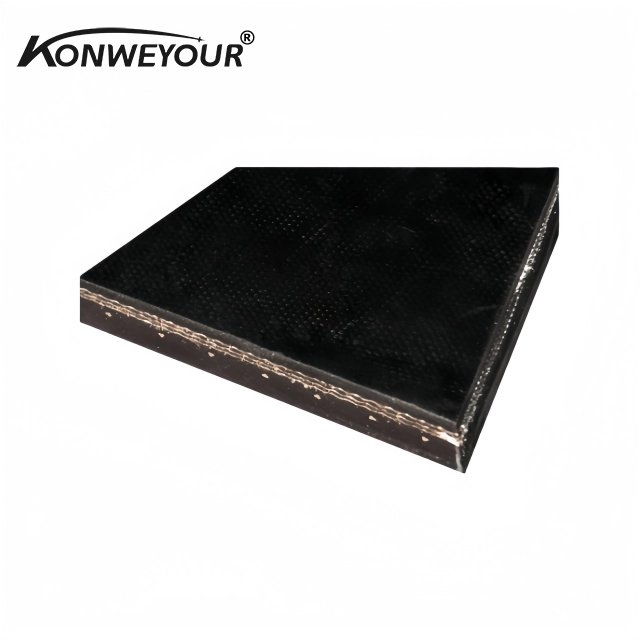
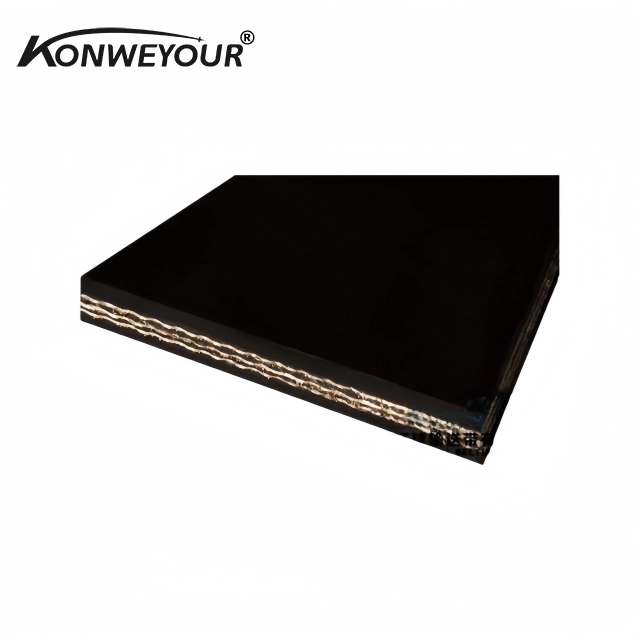
Modern conveyor belts for mining applications are the culmination of decades of material science innovation and engineering ingenuity. Far from simple rubber straps, these are highly sophisticated composite structures designed for specific challenges. One of the primary technical advantages lies in the development of advanced rubber compounds. These compounds are engineered to resist extreme abrasion from sharp, heavy ore, maintain flexibility in sub-zero temperatures, and withstand chemical attack from various mining byproducts. For instance, high-grade synthetic rubbers combined with specific additives offer significantly enhanced cut-and-gouge resistance, extending belt life in challenging environments by up to 50%. The internal carcass construction is equally crucial; modern belts employ high-strength fabrics such as polyester-nylon (EP) or steel cord reinforcement. Steel cord belts, in particular, offer superior tensile strength, allowing for longer single-flight systems, which reduces the number of transfer points and associated maintenance. These belts can manage tensions exceeding 8,000 kN/m, enabling transport over several kilometers with a single drive. Furthermore, advancements in splice technology, including hot vulcanization and mechanical fasteners, ensure joint integrity under immense stress, minimizing failure points. The integration of smart monitoring systems, featuring embedded sensors, allows for real-time detection of belt damage, splice degradation, and tracking irregularities, enabling predictive maintenance rather than reactive repairs. This proactive approach not only prevents costly failures but also optimizes belt performance and extends its operational lifespan, representing a significant leap forward in reliability and efficiency for the mining sector.
Strategic Selection: A Comparative Analysis of Conveyor Belt Solutions
Choosing the optimal conveyor belt solution involves a detailed evaluation of various types, each suited to specific mining conditions and material characteristics. The industry offers a diverse range, from general-purpose fabric-reinforced belts to highly specialized steel cord and pipe conveyors. A comparative analysis helps illustrate the strategic choices available:
Feature/Belt Type | Fabric-Reinforced (e.g., EP/NN) | Steel Cord (ST) | Pipe Conveyor | Aramid-Reinforced (e.g., Kevlar®) |
Typical Application | Medium-duty, general material handling, shorter distances | Heavy-duty, long-distance, high-lift, high-tension | Environmentally sensitive areas, enclosed transport, steep inclines | High strength-to-weight ratio, impact resistance, non-metallic mines |
Tensile Strength | Up to 3,150 N/mm | Up to 8,000 N/mm (and higher) | Similar to ST, often customized | Up to 6,000 N/mm (excellent strength-to-weight) |
Impact Resistance | Good, improved with specific cover compounds | Excellent, especially with impact-absorbing covers | Good, material contained within the pipe form | Very High, fibers absorb energy effectively |
Splice Reliability | Good with proper vulcanization or mechanical fasteners | Very high with skilled vulcanization | High, often factory-prepared sections | Excellent, specialized splice techniques |
Initial Cost | Lowest | High | Highest (due to complex system) | High (premium material) |
Maintenance | Moderate, routine inspections | Moderate, but downtime is costly | Lower due to enclosed nature, but specialized | Lower due to extended lifespan |
Environmental Benefits | Minimal | Minimal | Significant (no spillage, dust reduction) | Lightweight, potentially lower energy consumption |
This comparison highlights that while fabric-reinforced belts are cost-effective for shorter, less demanding routes, steel cord belts are the workhorses for high-volume, long-distance transport. Pipe conveyors offer unparalleled environmental advantages and are ideal for challenging terrains or materials that require containment. Aramid-reinforced belts provide a lightweight, high-strength alternative, particularly useful where weight is a concern or where non-metallic components are preferred due to magnetic interference. The decision ultimately rests on a holistic assessment of material properties, operational distance, inclination, environmental constraints, and long-term economic projections, often requiring expert consultation to optimize the investment.
Tailored Excellence: Customization as a Core Competency
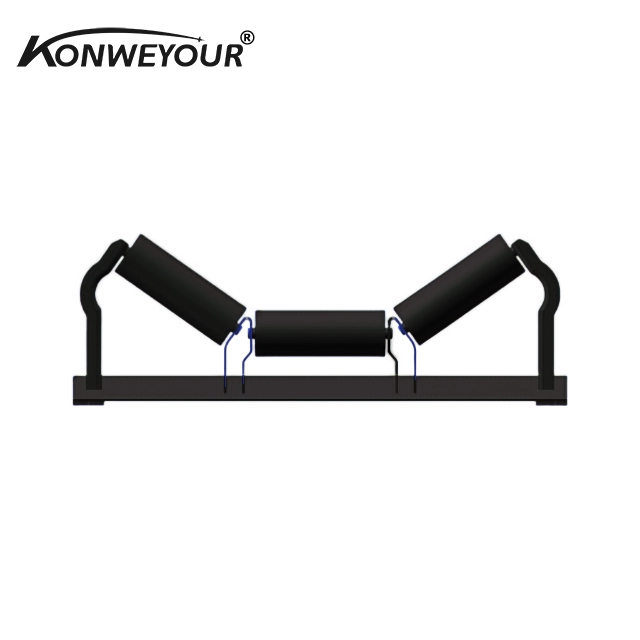
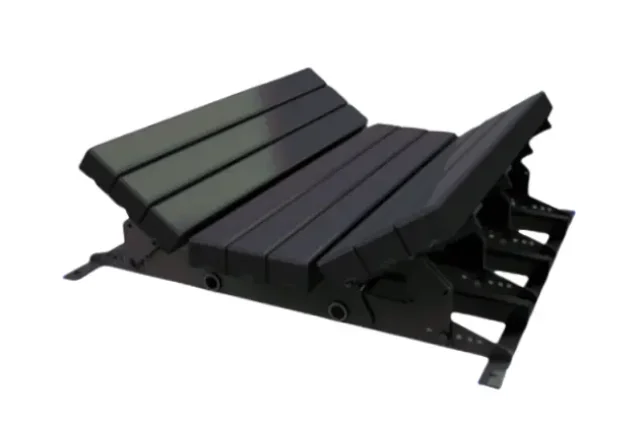
The highly varied nature of mining operations means that a one-size-fits-all approach to conveyor belts is rarely optimal. Successful mining companies recognize that customization is not a luxury, but a necessity for achieving peak operational efficiency and longevity. Customization starts with an in-depth analysis of the specific mineral being transported – whether it's highly abrasive iron ore, sticky bauxite, corrosive potash, or fine coal dust. Each material dictates specific requirements for cover rubber compounds, such as enhanced resistance to cutting, gouging, or oil. For instance, a mine transporting sharp, angular granite will require a belt with a thicker, more resilient top cover and potentially a rip-stop design, while a coal mine might prioritize fire-retardant and anti-static properties. Furthermore, environmental conditions play a crucial role. Belts operating in arctic regions demand special rubber compounds that retain flexibility at -40°C, preventing cracking and premature failure. Conversely, applications in scorching desert climates require heat-resistant belts capable of handling material temperatures up to 200°C without degradation. The physical layout of the mine also influences design; steep incline conveyors may necessitate special cleated or sidewall belts to prevent material rollback, while long-distance overland conveyors require precise tensioning and sag control to minimize energy consumption and wear. Beyond the belt itself, customization extends to idler selection, pulley lagging, and transfer chute designs, all optimized to work symbiotically with the belt to maximize throughput, minimize spillage, and reduce noise. This meticulous, tailored approach ensures that every component functions in perfect harmony, yielding a system that is robust, efficient, and perfectly aligned with the mine's unique operational demands.
Real-World Application: Case Studies from Diverse Mining Environments
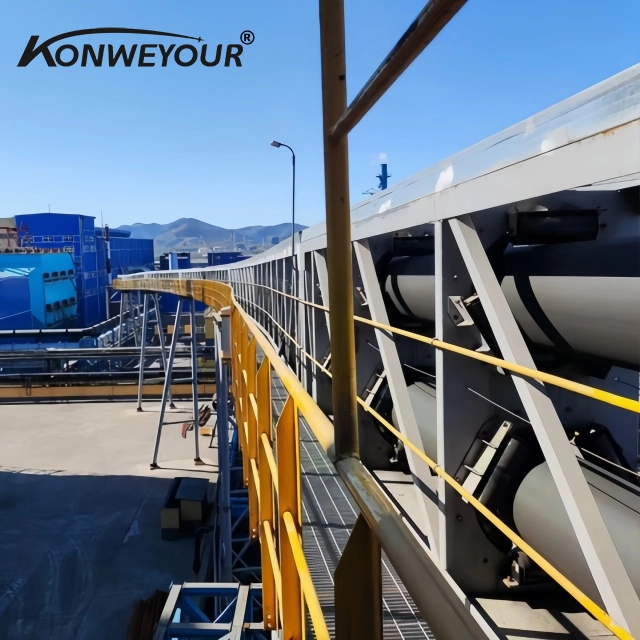
The efficacy of advanced conveyor belt systems is best illustrated through their successful deployment in diverse and challenging mining operations worldwide. Consider a major iron ore mine in Western Australia, known for its extremely abrasive material and high throughput requirements. By upgrading from conventional multi-ply fabric belts to high-tension steel cord belts with specialized wear-resistant covers, the mine achieved a 30% increase in belt lifespan and a 15% reduction in energy consumption over a 10km overland conveyor system. This transition significantly minimized downtime associated with belt replacement and repair, translating into millions of dollars saved annually in operational costs and increased output. In a different scenario, an underground coal mine in South Africa faced persistent challenges with fire safety and material containment in confined spaces. The implementation of fire-retardant and anti-static aramid-reinforced belts, coupled with enclosed pipe conveyor sections, dramatically improved safety compliance and eliminated issues of dust emission and spillage. The lightweight nature of aramid also allowed for easier installation in restricted areas. Another compelling example comes from a copper mine in the Andes, where extreme elevations and steep inclines were a formidable obstacle. Here, the deployment of state-of-the-art pocket belt conveyors enabled the mine to transport concentrate over a 2,000-meter vertical lift at an unprecedented angle of 35 degrees, a task previously deemed impractical with conventional systems. These solutions not only facilitated extraction in otherwise inaccessible areas but also offered substantial cost savings by reducing the need for extensive road networks and truck fleets. Each of these cases underscores the critical role of expertly chosen and customized conveyor belt technology in overcoming specific operational hurdles, enhancing safety, and driving profound economic benefits in the mining sector.
Sustaining Performance and Future Innovations in Conveyor Belts for the Mining Industry
The evolution of the conveyor belt for mining industry is a continuous journey driven by the twin imperatives of operational excellence and sustainability. Looking forward, the industry is poised for further transformative innovations, particularly in the realms of smart technology, material circularity, and autonomous operation. The integration of advanced IoT sensors and artificial intelligence is rapidly becoming standard, moving beyond simple condition monitoring to predictive analytics that can forecast maintenance needs with remarkable accuracy. This shift from reactive to truly predictive maintenance minimizes unscheduled downtime, extending the life of conveyor assets and optimizing resource allocation. Innovations in material science continue to push boundaries, with research focusing on self-healing rubber compounds, enhanced lightweight composites, and more environmentally friendly synthetic materials that reduce the carbon footprint of production and disposal. The drive towards a circular economy is also influencing belt design, with manufacturers exploring options for easier recycling and the incorporation of recycled content into new belts, thereby reducing waste and raw material dependency. Furthermore, the trend towards fully autonomous mining operations necessitates conveyor systems that can integrate seamlessly with sophisticated control networks, operating with minimal human intervention. This requires enhanced diagnostic capabilities, remote monitoring, and automated adjustment features to maintain optimal performance. The long-term value proposition of investing in advanced conveyor belt technology remains undeniable. It’s not just about moving material; it's about safeguarding personnel, preserving the environment, maximizing productivity, and ensuring the enduring profitability of mining ventures globally. As the world continues to demand raw materials, the role of the innovative conveyor belt will only grow in strategic importance, defining the future efficiency and sustainability of the mining industry.
Frequently Asked Questions about Conveyor Belts for the Mining Industry
1. What types of conveyor belts are commonly used in the mining industry?
The mining industry commonly uses several types, including fabric-reinforced belts (e.g., EP, NN for general material handling), steel cord belts (for high-strength, long-distance, and high-lift applications), pipe conveyors (for enclosed, environmentally sensitive transport), and specialized belts like sidewall or cleated belts for steep inclines. The choice depends on material characteristics, distance, inclination, and environmental factors.
2. How do conveyor belts enhance safety in mining operations?
Conveyor belts significantly enhance safety by automating material transport, reducing the need for manual handling and vehicle traffic in hazardous areas. Modern belts can also incorporate safety features like rip detection, emergency stop systems, fire-retardant materials, and enclosed designs (like pipe conveyors) to minimize dust and spillage, reducing respiratory hazards and slip-and-fall risks.
3. What are the key factors to consider when selecting a conveyor belt for a specific mining application?
Key factors include the type and abrasiveness of the material being transported, throughput requirements (tons per hour), conveying distance and inclination, environmental conditions (temperature, moisture, chemicals), operational lifespan expectations, and safety regulations. Expert consultation is often recommended to optimize selection.
4. How do smart conveyor belt systems improve efficiency and reduce costs?
Smart conveyor belt systems integrate sensors and IoT technology to monitor belt condition, tension, tracking, and splice integrity in real-time. This enables predictive maintenance, allowing for proactive repairs before failures occur, thereby minimizing unscheduled downtime, extending belt life, and optimizing operational costs. They can also provide data for optimizing material flow and energy consumption.
5. Can conveyor belts be customized for unique mining challenges?
Absolutely. Customization is crucial in mining. Belts can be tailored with specific rubber compounds for abrasion, heat, or chemical resistance; reinforced with specialized fabrics or steel cords for strength; and designed with unique profiles (e.g., cleats, sidewalls) for steep inclines. Transfer points and loading zones are also customized to minimize impact and spillage.
6. What maintenance practices are critical for extending the life of mining conveyor belts?
Critical maintenance practices include regular inspection for wear, cuts, and splice integrity; proper cleaning to prevent material buildup; timely repair of minor damages; correct tensioning; accurate alignment of idlers and pulleys; and the use of high-quality splicing materials and techniques. Implementing a predictive maintenance program based on sensor data is also highly beneficial.
7. What role do conveyor belts play in sustainable mining practices?
Conveyor belts contribute to sustainable mining by reducing reliance on fuel-intensive truck transport, thereby lowering carbon emissions. Pipe conveyors minimize dust emissions and spillage, protecting air quality and local ecosystems. Furthermore, advancements in material science are leading to more durable belts that require fewer replacements, and the industry is exploring recycling initiatives for end-of-life belts, promoting a circular economy.