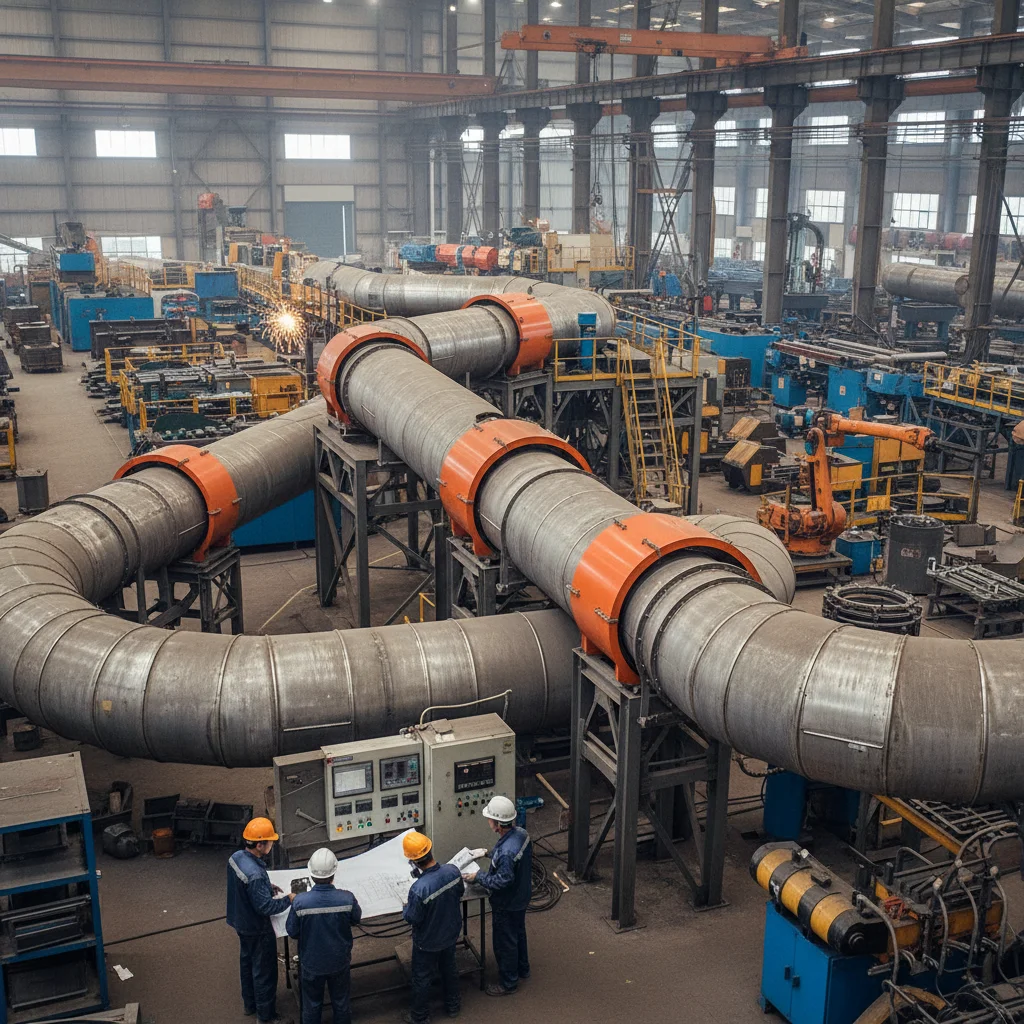
The Indispensable Role of the Modern Mine Conveyor
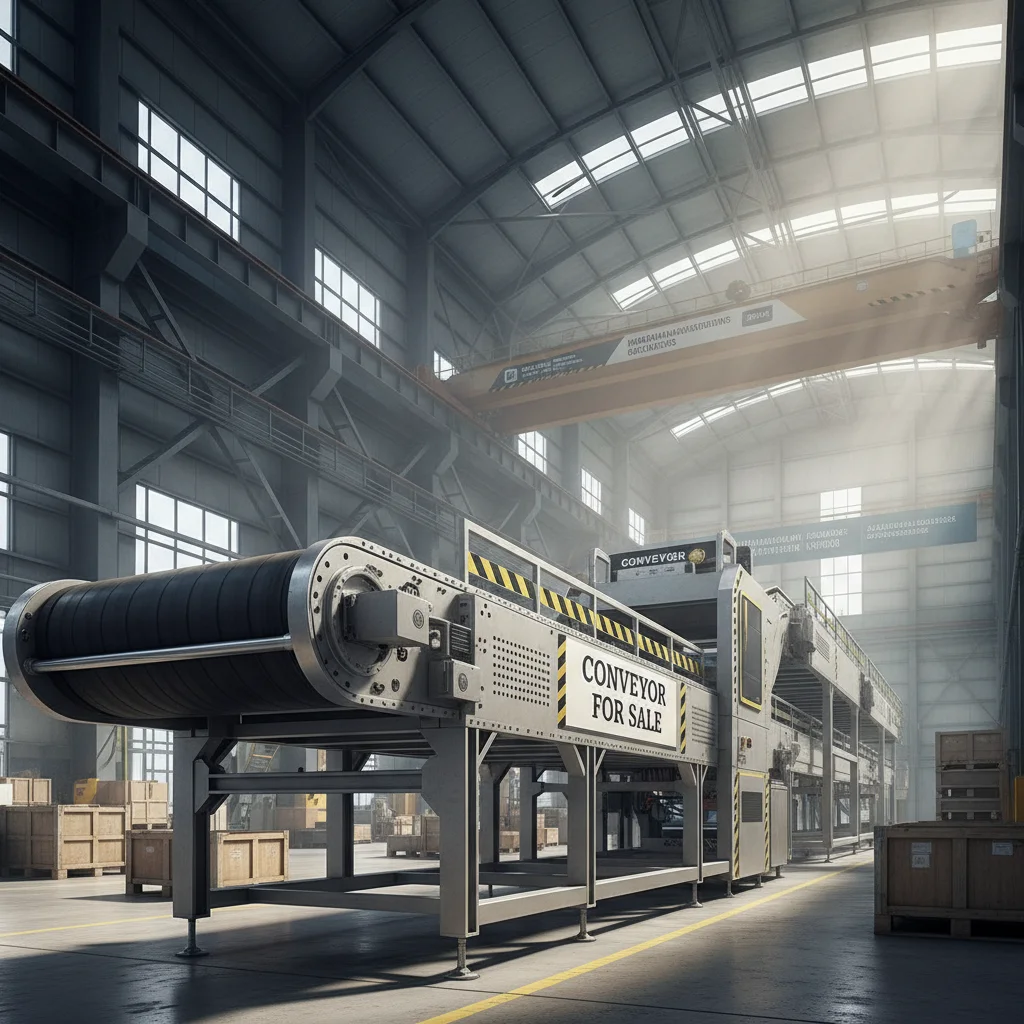
The modern mining industry operates under immense pressure – to extract resources efficiently, safely, and sustainably. At the heart of this intricate operation lies the mine conveyor system, a crucial artery that dictates the flow of excavated materials from the subterranean depths or open-pit faces to processing plants or stockpiles. Far from being a mere transportation mechanism, today's mine conveyor represents a sophisticated engineered solution, fundamental to optimizing productivity and ensuring operational continuity. Its robust design and continuous movement capability significantly reduce labor costs and increase throughput compared to intermittent transport methods like trucks, especially in high-volume, long-distance applications. The reliability and performance of these systems are paramount, directly influencing a mine's overall output, energy consumption, and environmental footprint. A well-designed mine conveyor system is not just about moving material; it's about moving it intelligently, with minimal wear, maximum energy efficiency, and unwavering safety protocols, underpinning the economic viability of mining ventures worldwide. These systems are engineered to withstand the most demanding conditions, from abrasive ores and extreme temperatures to corrosive environments, ensuring continuous operation and minimizing costly downtime. The longevity and durability of these components directly translate into lower total cost of ownership over the operational lifespan of a mine. Therefore, the strategic selection and meticulous maintenance of a mine conveyor system are not merely logistical considerations but foundational elements of a successful mining enterprise.
Quantifying Efficiency: The Data-Driven Impact of Advanced Conveyor Systems
The transition from traditional, less automated material handling to advanced conveyor systems often yields quantifiable improvements that profoundly impact a mine's bottom line. For instance, implementing a state-of-the-art overland conveyor system can reduce energy consumption for material transport by as much as 30-40% compared to a fleet of diesel trucks over equivalent distances. This translates directly into substantial operational cost savings and a reduced carbon footprint, aligning with increasingly stringent environmental regulations. Furthermore, the continuous flow nature of conveyors can boost material throughput rates by up to 25%, allowing mines to meet production targets more consistently and capitalize on market demand fluctuations. In terms of safety, automated conveyor systems significantly reduce human interaction with heavy machinery and dangerous hauling routes, leading to a documented decrease in incident rates by over 50% in some highly mechanized operations. Predictive maintenance capabilities, often integrated with modern conveyor controls, can extend component lifespan by 15-20% and reduce unscheduled downtime by up to 70%, preventing costly interruptions that can run into millions of dollars per day for large-scale mining operations. These systems provide real-time data on belt tension, motor load, bearing temperatures, and material flow, enabling operators to make informed decisions and optimize performance dynamically. The financial implications are clear: an investment in a modern conveyor system often demonstrates a rapid return on investment, driven by enhanced productivity, lower operational expenditures, and improved safety records.
Engineering Excellence: Technical Advantages and Innovations
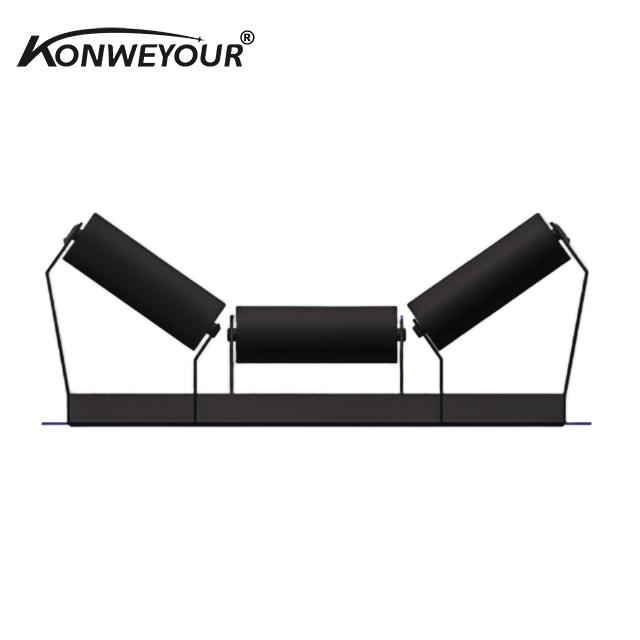
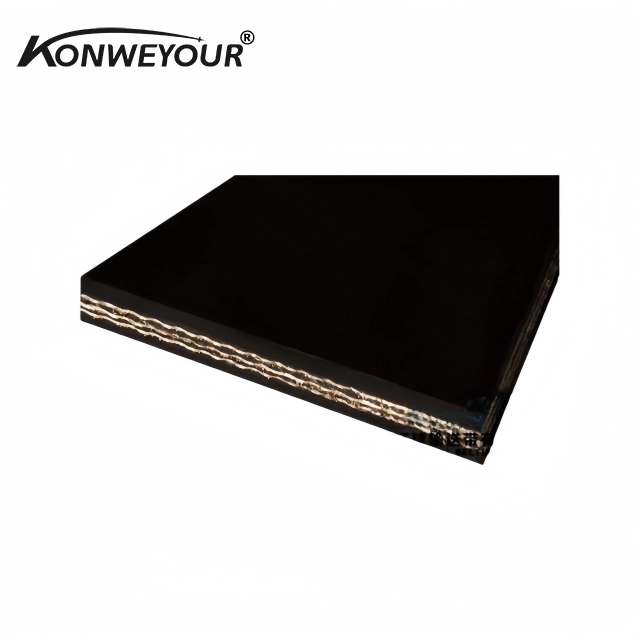
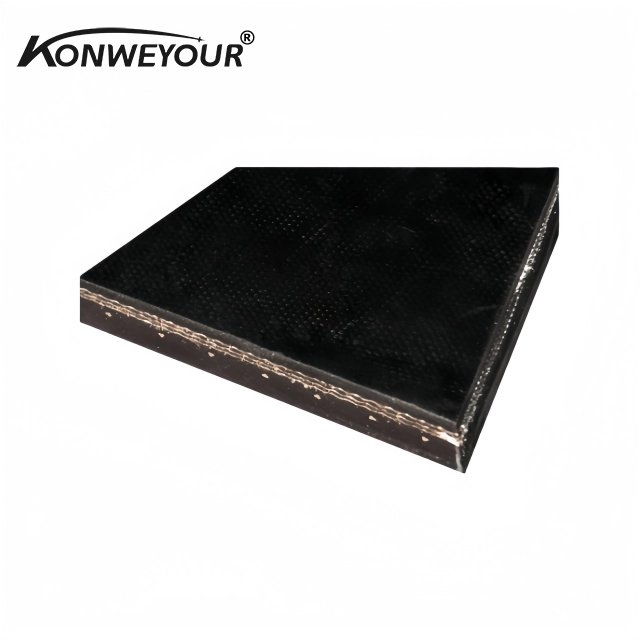
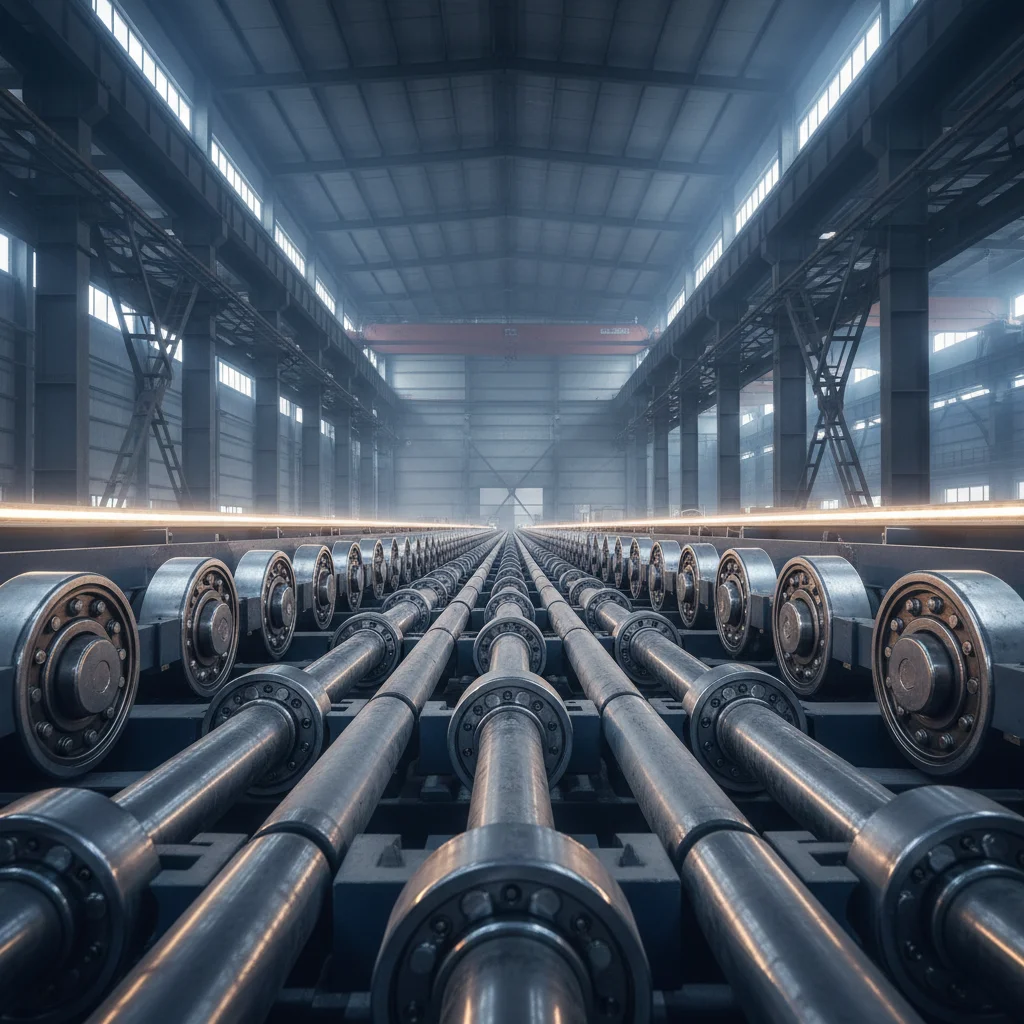
Modern mine conveyor systems are paragons of engineering ingenuity, integrating advanced technologies to overcome the unique challenges of material handling in harsh environments. A key technical advantage lies in their modular design, which allows for rapid installation, flexible reconfiguration, and easier maintenance. This modularity extends to components like idlers, rollers, and belt sections, facilitating swift replacements and minimizing downtime. Energy efficiency is another paramount consideration, addressed through innovations such as variable frequency drives (VFDs) that precisely control motor speed based on material load, regenerative braking systems that feed energy back into the grid on downhill sections, and low-friction idlers that reduce drag. Belt technology has seen significant advancements, with multi-ply fabrics, steel cord reinforcements, and specialized compounds offering superior abrasion resistance, tear strength, and chemical inertness, extending operational life even with highly abrasive or corrosive materials. Automation and remote monitoring systems are transforming conveyor operations. Sensors strategically placed along the conveyor path provide real-time data on belt tracking, material spillage, and component health. This data is fed into centralized control rooms, allowing operators to monitor system performance, diagnose issues, and even make adjustments remotely. Predictive maintenance algorithms analyze historical and real-time data to anticipate potential failures, scheduling maintenance proactively rather than reactively, thereby preventing catastrophic breakdowns. Furthermore, advancements in dust suppression systems, noise reduction techniques, and magnetic separation integration enhance environmental compliance and worker safety, making modern conveyors not just efficient, but also responsible.
Strategic Selection: A Comparative Analysis of Mine Conveyor Manufacturers
Choosing the right mine conveyor manufacturer is a critical decision that impacts a project's long-term viability, efficiency, and safety. The market is populated by a range of providers, from global conglomerates offering comprehensive solutions to specialized firms focusing on niche applications. Evaluating these manufacturers requires a thorough assessment of their capabilities across several key metrics. This comparison table highlights typical differentiating factors that buyers should consider when making an informed choice:
Feature/Category | Global Leader A | Specialized Innovator B | Cost-Effective Provider C |
Typical System Capacity | Up to 20,000 TPH+ (large-scale, high volume) | 500 - 5,000 TPH (medium to specialized projects) | 100 - 2,000 TPH (standard, budget-conscious) |
Technology & Innovation | Cutting-edge R&D, IoT, AI integration, advanced automation. Leaders in proprietary belt and component tech. | Focus on specific niche tech (e.g., steep angle, pipe conveyors), custom engineering, quick adaptation. | Standard, proven technologies. Less emphasis on frontier innovation; reliable basic functions. |
Durability & Build Quality | Premium materials, heavy-duty construction, extended warranty options. Designed for extreme conditions. | High-quality components tailored for specific challenges. Excellent for unique material types. | Good standard quality, fit for purpose in less extreme conditions. Cost-optimized material selection. |
Customization Capabilities | Extensive, highly flexible design for complex projects. Full project lifecycle support. | High degree of specialization for bespoke solutions. Strong engineering collaboration. | Limited to standard configurations; minor modifications possible. |
Service & Support Network | Global presence, extensive after-sales support, spare parts availability, predictive maintenance services. | Regional strength, dedicated technical support for specialized systems. May rely on partnerships. | Local support, basic spare parts. Emphasis on self-maintenance or third-party service. |
Cost-Effectiveness | Higher initial investment, but superior TCO due to longevity, efficiency, and minimal downtime. | Competitive for specialized applications; value derived from tailored performance. | Lower initial cost, suitable for projects with tighter budgets or shorter operational lifespans. |
Project Management | Full turnkey solutions, experienced project managers, robust risk assessment. | Collaborative approach, strong focus on engineering and integration support. | Basic project coordination, more client involvement required. |
When selecting a manufacturer, mines must weigh these factors against their specific project requirements, budget constraints, expected operational lifespan, and the criticality of the material being transported. A global leader might be ideal for a vast, long-term iron ore project, while a specialized innovator could be perfect for a unique challenge in an underground gold mine, and a cost-effective provider suitable for a shorter-term quarry operation.
Tailored Solutions: Crafting Bespoke Mine Conveyor Systems
One of the most significant advantages of modern conveyor technology is its remarkable adaptability. Given the vast diversity of mining operations – from deep underground coal mines to sprawling open-pit copper facilities and intricate processing plants – a one-size-fits-all approach is simply ineffective. Bespoke mine conveyor systems are engineered from the ground up to meet the precise, often unique, demands of each site. This customization begins with a thorough analysis of the material characteristics: its abrasiveness, density, moisture content, temperature, and lump size. These factors dictate the choice of belt material, idler type, and chute design to prevent premature wear and material spillage. Topography plays a crucial role, influencing the selection between flat, troughed, or pipe conveyors, and dictating the need for horizontal curves, steep inclines, or decline sections, often necessitating advanced belt tensioning and braking systems. Environmental conditions, such as extreme heat, cold, dust, or corrosive atmospheres, necessitate specific component materials and protective enclosures. Furthermore, integration with existing infrastructure, including crushers, screens, stackers, reclaimers, and other processing equipment, is paramount. A truly customized solution considers the entire material flow path, optimizing transfer points to minimize impact and degradation, and incorporating advanced control systems for seamless operation. Whether it’s an overland conveyor spanning dozens of kilometers, an underground system navigating tight turns, or a specialized pocket belt conveyor for vertical lifts, the ability to engineer a system that perfectly aligns with operational objectives ensures maximum efficiency, safety, and longevity, making customization a core pillar of effective mine material handling.
Real-World Application: Case Studies in Diverse Mining Environments
The efficacy of advanced mine conveyor systems is best demonstrated through their successful application in challenging real-world scenarios across the globe. Consider a large-scale iron ore mine in the Pilbara region of Western Australia, notorious for its high volumes, abrasive materials, and extreme heat. Here, an extensive overland conveyor system, stretching over 50 kilometers, replaced a fleet of heavy-haul trucks. This system, featuring high-strength steel-cord belts and sophisticated dust suppression, achieved a material throughput of over 10,000 tonnes per hour, slashing operational costs by an estimated 35% and reducing fuel consumption significantly. The continuous operation also minimized environmental impact associated with truck emissions and road maintenance. In another instance, an underground coal mine in Appalachia, facing increasing safety regulations and rising extraction costs, implemented a fully automated longwall conveyor system. This system incorporated explosion-proof components, remote monitoring, and predictive maintenance software. The result was a 20% increase in daily production, a dramatic reduction in personnel exposure to hazardous environments, and a 60% decrease in unscheduled downtime, allowing the mine to operate more safely and profitably. Furthermore, a copper mine in the Atacama Desert, dealing with steep gradients and fine, dusty ore, deployed a specialized pipe conveyor system. This innovative solution encapsulated the material, eliminating spillage and dust emissions, which are critical in environmentally sensitive areas, while safely traversing gradients up to 30 degrees that conventional troughed belts could not manage. These diverse examples underscore that tailored mine conveyor solutions are not just theoretical advantages but practical necessities that deliver tangible benefits in terms of productivity, safety, and environmental stewardship across the full spectrum of mining operations.
Future Horizons for Mine Conveyor Technology
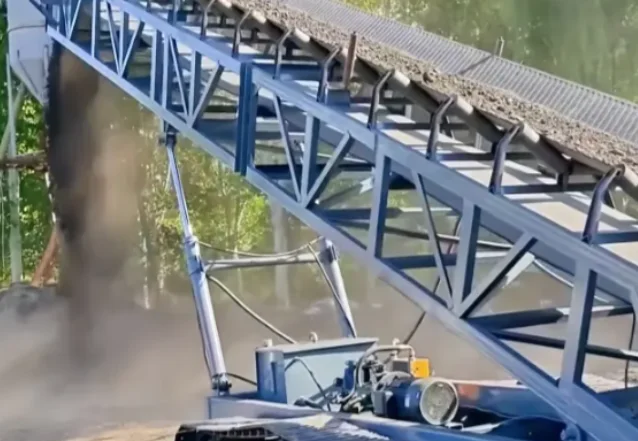
The evolution of the mine conveyor is far from complete; the industry is poised for continued innovation driven by demands for greater efficiency, sustainability, and safety. Emerging trends point towards even higher levels of automation and intelligence. Future systems will likely feature enhanced self-learning capabilities, where artificial intelligence algorithms analyze vast datasets from sensors to optimize belt speed, tension, and material flow in real-time, proactively adapting to changing conditions and preventing potential failures before they occur. The integration of advanced robotics for maintenance and inspection tasks will further reduce human exposure to hazardous environments, improving overall safety metrics. Imagine drones equipped with thermal imaging and lidar scanning belts for early detection of wear or damage, or autonomous robots replacing idlers in active sections. Materials science will continue to push boundaries, leading to even lighter, stronger, and more durable belt materials that can withstand extreme conditions and abrasive materials for longer periods, reducing replacement cycles and waste. Energy recovery systems will become more sophisticated, potentially harnessing kinetic energy not just from downhill sections but from braking and starting, contributing to a truly net-zero energy operation in some contexts. The concept of "smart conveyors" integrated into a broader "smart mine" ecosystem will become standard, with seamless communication between all operational assets, providing a holistic view of the mining process. This interconnectedness will enable unprecedented levels of optimization, leading to significant reductions in operational costs, enhanced environmental performance, and a safer working environment. Ultimately, the mine conveyor of tomorrow will be a highly intelligent, self-optimizing, and fully integrated component of a sustainable and efficient mining enterprise.
Frequently Asked Questions (FAQ) about Mine Conveyors
Here are some common questions about mine conveyor systems:
1. What are the primary types of mine conveyors?
The most common types include troughed belt conveyors for bulk materials on flat or inclined surfaces, pipe conveyors which enclose material for dust-free transport and can handle steeper angles and horizontal curves, steep-angle conveyors (e.g., pocket belt, sidewall belt) for significant elevation changes, and sometimes specialized types like vibrating conveyors for fine or delicate materials.
2. How is the capacity of a mine conveyor determined?
Conveyor capacity (typically measured in tonnes per hour or cubic meters per hour) is primarily determined by belt width, belt speed, the angle of troughing idlers, and the density of the material being transported. Material characteristics like lump size and flowability also play a role.
3. What are the key factors to consider when selecting a mine conveyor system?
Critical factors include the type and characteristics of the material to be transported (abrasiveness, density, lump size, moisture), required throughput capacity, transport distance and elevation changes, environmental conditions (temperature, dust, corrosives), available space, power supply, and budget constraints.
4. How do modern mine conveyors contribute to safety in mining operations?
Modern conveyors enhance safety by reducing reliance on trucks, minimizing human exposure to heavy machinery and traffic, integrating emergency stop systems, belt misalignment detection, pull cords, and advanced monitoring that prevents component failure and spillage. Automated operation reduces manual intervention in hazardous areas.
5. What is predictive maintenance, and how does it apply to mine conveyors?
Predictive maintenance uses data from sensors (e.g., vibration, temperature, acoustic) and analytical tools to monitor the condition of conveyor components in real-time. By identifying patterns and anomalies, it anticipates potential failures before they occur, allowing for scheduled maintenance during planned downtime, thereby preventing unexpected breakdowns and maximizing operational uptime.
6. Can mine conveyors be designed to handle steep inclines?
Yes, specialized conveyor systems are designed for steep inclines. These include sidewall belt conveyors, which have corrugated rubber sidewalls to contain material, and pocket belt conveyors, which form individual "pockets" to securely transport material at angles up to 90 degrees (vertical).
7. What are the environmental benefits of using advanced mine conveyor systems?
Advanced conveyors offer significant environmental benefits, including reduced energy consumption compared to diesel trucks (leading to lower greenhouse gas emissions), minimized dust and noise pollution through enclosed systems and quieter components, and decreased land disturbance by requiring narrower rights-of-way than roads.