Conveyor Spare Parts: Keeping Your System Running Smoothly
Having spent well over a decade in the industrial equipment sector, I’ve learned a thing or two about the unsung heroes of conveyor systems — the spare parts. Conveyor spare parts aren’t just replacements; they’re the building blocks that keep operations humming without costly downtime. You'd be surprised how often what feels like a small gear or a simple roller ends up being a lifesaver on the production line.
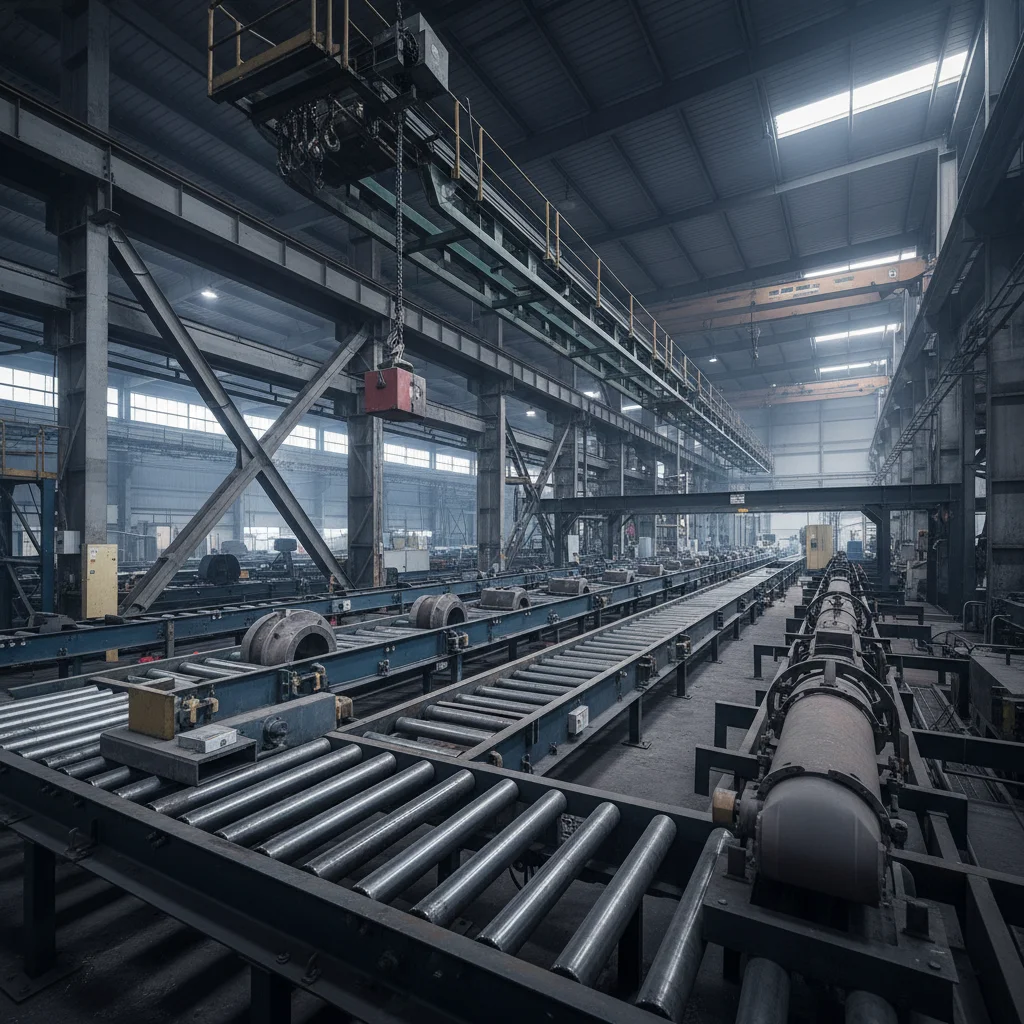
In real terms, conveyor systems face considerable wear and tear – belts stretch, rollers degrade, and motors need fine-tuning. It’s not glamorous, but reliable spare parts make all the difference between a hiccup and a shutdown. Frankly, investing in quality components upfront saves headaches later.
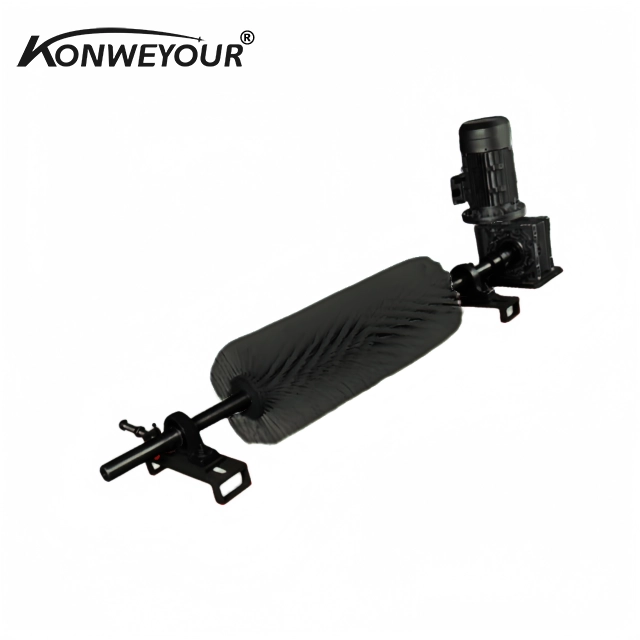
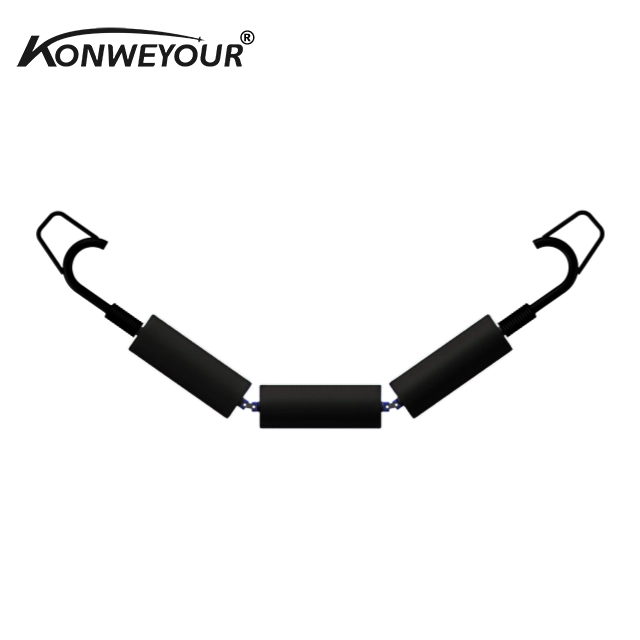
I recall one job site where a client struggled with frequent belt misalignments. After analyzing the problem, we found that poorly fitted idler rollers were the culprit. Swapping in precision-engineered rollers designed to withstand heavy loads completely changed the throughput. Since then, the client always insists on OEM parts — oddly enough, cheaper parts sometimes cost more in the long haul.
What Makes a Good Conveyor Spare Part?
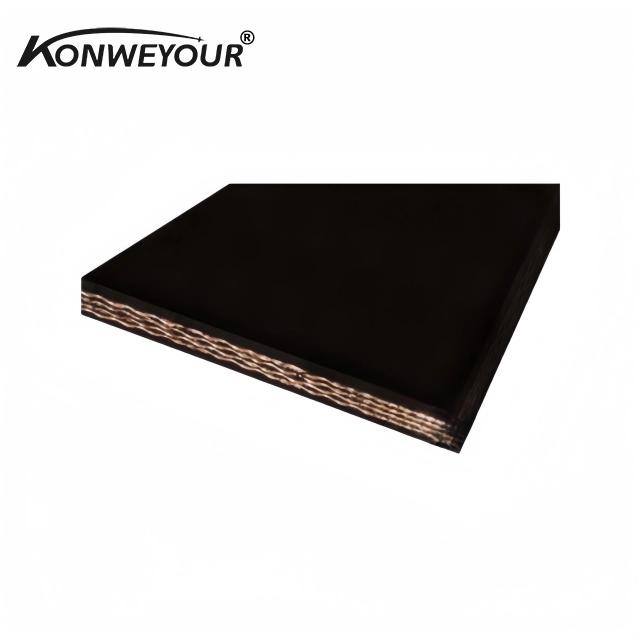
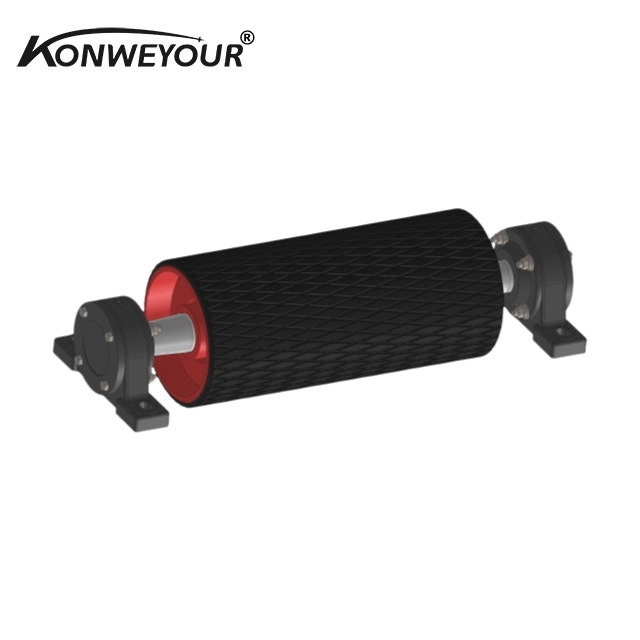
Durability, compatibility, and material quality top the list. Most belts are made of synthetic rubber or PVC, so parts like pulleys and rollers need matching abrasion resistance. Materials like stainless steel or heavy-duty polymers ensure longevity, especially in harsh environments. Plus, proper testing for tensile strength and heat resistance isn’t just a box to check — it reflects how the part will perform during those intense production spikes.
Nowadays, customization options have grown tremendously. Need a conveyor with specific load capacities or non-standard belt widths? Most vendors are ready to tweak designs or recommend parts accordingly. That's invaluable when you’re dealing with unique product handling needs.
Typical Conveyor Spare Parts Specifications
| Part |
Material |
Typical Load Capacity |
Common Use |
| Rollers (Idler) |
Steel / Polyurethane Coated |
Up to 1000 lbs per roller |
Guide/Support belt |
| Pulleys |
Cast Iron / Aluminum |
Up to 5000 lbs total |
Drive and bend belt |
| Belts |
PVC / Rubber / Steel Reinforced |
Varies widely |
Product transport |
| Motors |
Electric (various types) |
Up to 10 HP typical |
Power conveyor movement |
Choosing a Vendor: What to Watch For
Many engineers including myself have found that the difference between a good vendor and a great vendor lies in support and customization prowess. Here’s a quick rundown:
| Vendor |
Customization |
Lead Time |
Technical Support |
Warranty |
| JT Conveyor |
High – Tailored parts & expert advice |
Typically 2-3 weeks |
24/7 phone and online |
Full replacement warranty |
| Generic Supplier A |
Limited, standard parts only |
1-2 weeks |
Business hours only |
Limited |
| Supplier B |
Moderate customization options |
3-4 weeks |
Email only support |
Standard 1 year |
If I had to distill one piece of advice: partner with vendors who know conveyors inside and out, and who aren’t just shipping parts, but providing solutions. That’s really where lifetime value is found.
To round things off, remember that the right conveyor spare parts do more than just fix problems — they keep your plant robust, your lines moving, and your costs down. And if you ask me, that peace of mind is priceless.
References:
1. Industry Handbook on Conveyor Systems, 2021 Edition
2. JT Conveyor Official Material Specifications, 2023
3. Personal interviews with plant engineers, 2022