Understanding Conveyor Replacement Parts: Vital Components for Industry Reliability
At some point, almost every industrial operation faces downtime due to worn or broken conveyor components. Conveyor replacement parts might sound mundane, but globally, they form the backbone of streamlined manufacturing, logistics, and even humanitarian aid delivery. Knowing what they are, why they matter, and how to choose the right ones can save money, boost efficiency, and extend equipment life — it’s a bit like investing wisely in your supply chain’s health.
Global Context: Why Conveyor Replacement Parts Matter Around the World
Globally, conveyor systems support an estimated 60% of material handling operations in manufacturing and distribution. According to the International Organization for Standardization (ISO 5048), conveyor belts alone move billions of tons of goods annually, emphasizing the scale of dependency industries place on these systems.
Yet, challenges like equipment wear, environmental stress, and supply chain disruptions often result in conveyor downtime. For example, the World Bank notes that efficient logistics networks can raise GDP growth by up to 2%, so the impact of failing conveyor components isn’t just operational — it’s economic.
Conveyor replacement parts answer these challenges by facilitating quick repairs, reducing costs, and improving equipment reliability — which in turn supports global supply chains, ensures safety standards, and keeps goods flowing even under intense pressure.
What Are Conveyor Replacement Parts?
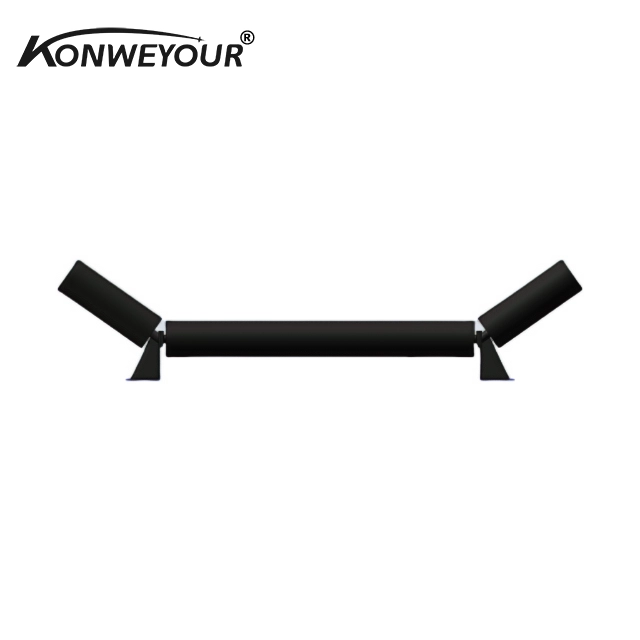
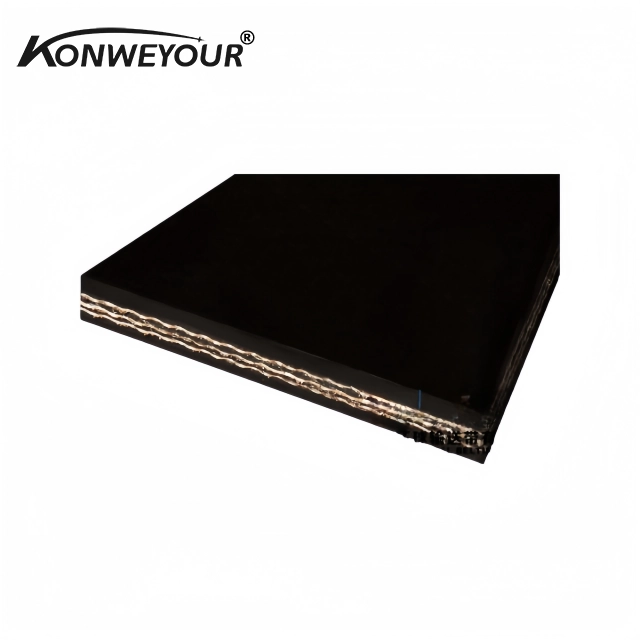
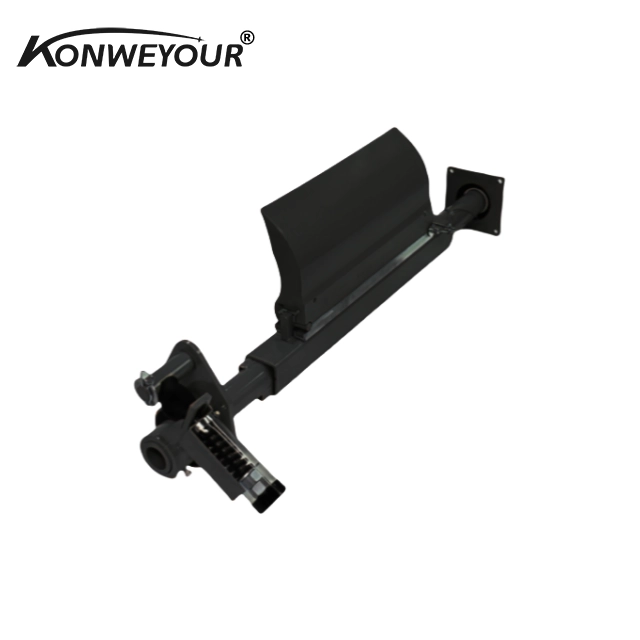
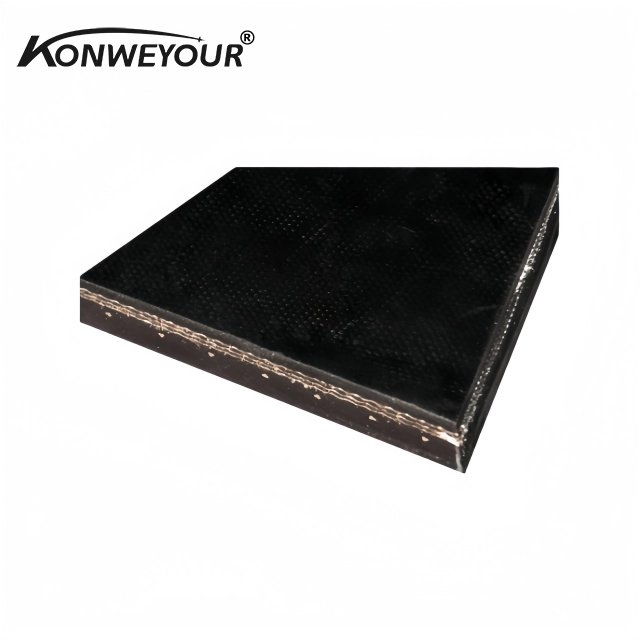
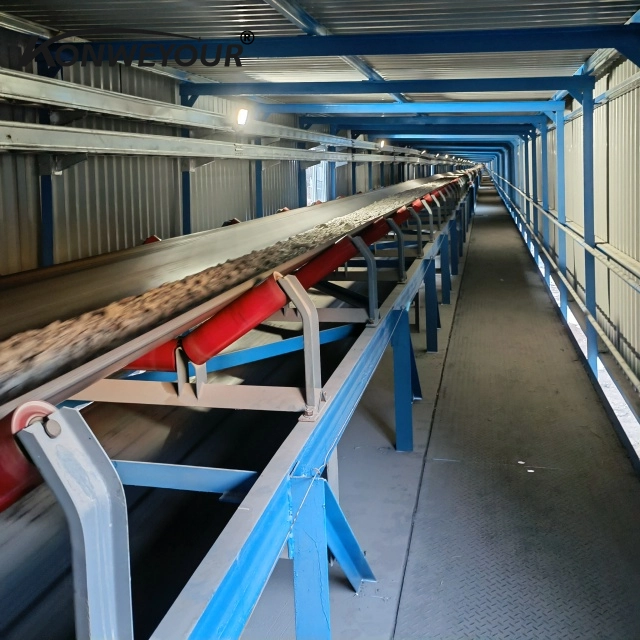
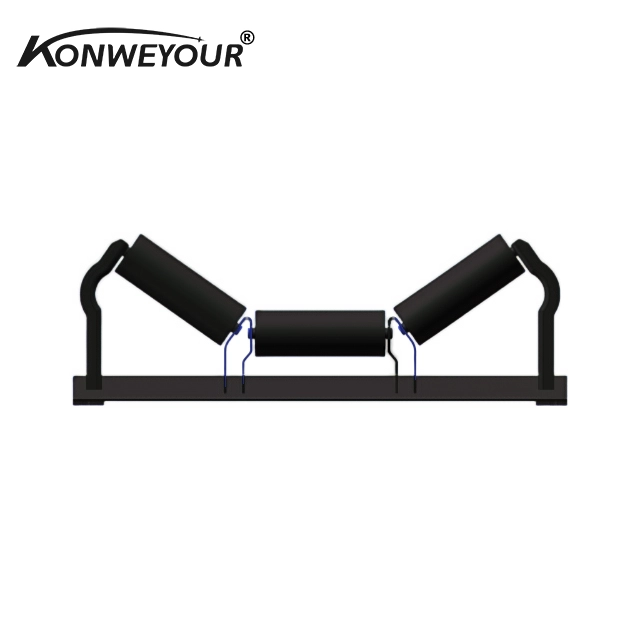
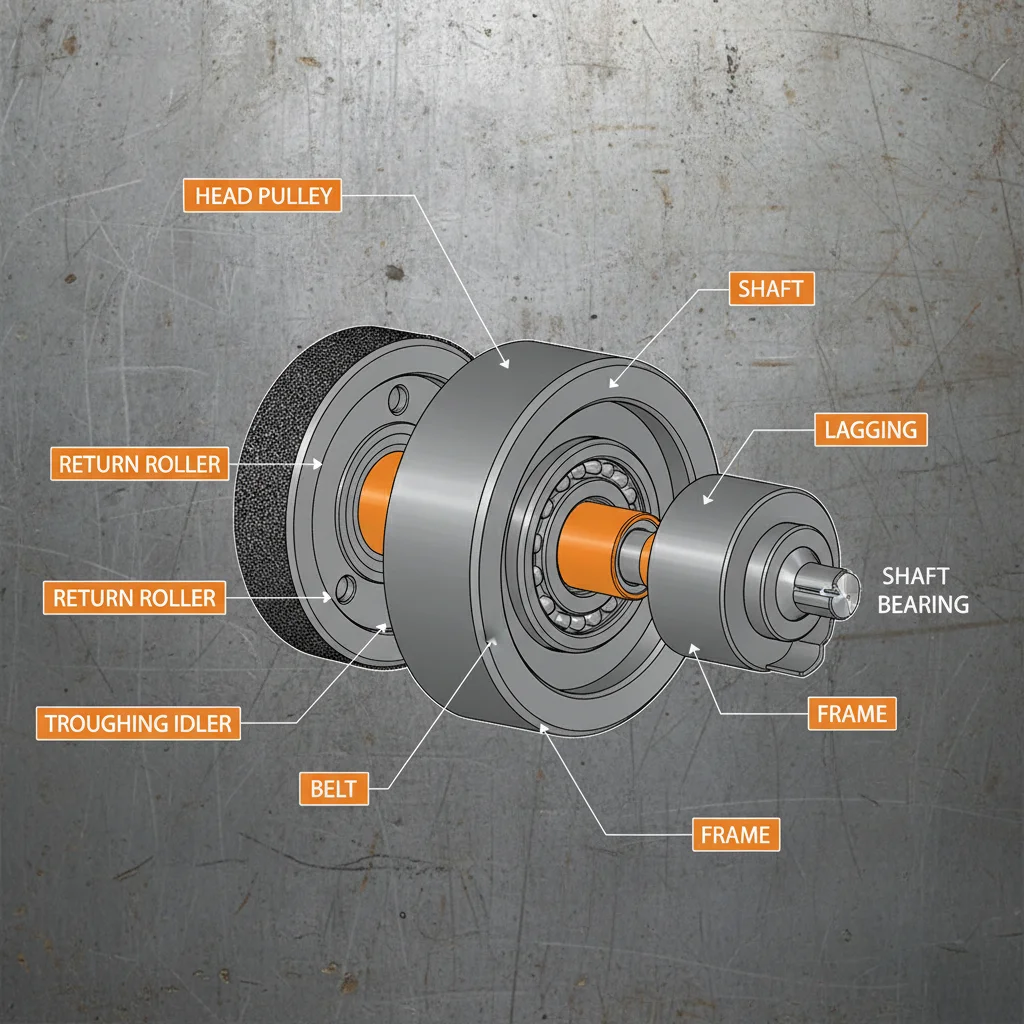
In straightforward terms, conveyor replacement parts are the components used to repair or upgrade conveyor systems. These include belts, rollers, pulleys, motors, and bearings — the very pieces that keep materials moving smoothly through production lines or warehouses.
Modern industry relies heavily on conveyor systems because they speed up production and reduce labor costs. Even in humanitarian contexts, conveyor systems with reliable replacement parts help speed up sorting and distribution of relief goods efficiently and safely.
Core Components and Considerations in Conveyor Replacement Parts
1. Durability
Conveyor parts must withstand constant wear and harsh environments, from heavy loads to corrosive materials. Choosing wear-resistant belts or sealed bearings can minimize downtime — a big deal when you need your line running 24/7.
2. Scalability
Whether upgrading a small warehouse or a sprawling mine operation, parts should be compatible with existing or expanded systems. Scalability means you don’t need to overhaul entire systems just for one faulty component.
3. Cost Efficiency
It’s not just about buying the cheapest part but assessing lifecycle costs. High-quality replacement parts, though maybe pricier upfront, reduce long-term expenses by avoiding frequent repairs.
4. Compatibility
Parts need to match brand and model specifics. Oddly enough, one wrong-sized roller or motor type can create chain reactions of damage.
5. Ease of Installation
Some components are easy DIY swaps; others require expert technicians. Understanding this helps reduce unexpected downtime.
Sample Conveyor Replacement Part Specifications
| Component |
Material |
Typical Lifespan |
Compatibility |
Average Cost (USD) |
| Conveyor Belt |
Polyvinyl chloride (PVC), Rubber |
3–5 years |
Multiple brands/models |
$500–2,000 per belt |
| Rollers |
Steel, Stainless Steel |
5–7 years |
Mostly universal |
$50–200 each |
| Bearings |
Chrome Steel, Ceramic |
7–10 years |
Brand specific |
$30–100 each |
How Conveyor Replacement Parts Benefit Global Industries
In manufacturing hubs like Germany, China, and the U.S., conveyor replacement parts keep automotive assembly lines humming. Oddly enough, these parts are just as crucial in remote mining operations in Australia or South Africa, where downtime costs are staggering given logistical challenges.
Beyond mining and manufacturing, the agriculture sector in developing regions uses conveyor spares to maintain food processing plants, reducing waste and enhancing food security — something the UN’s Food and Agriculture Organization (FAO) stresses as vital for sustainable development.
In post-disaster relief scenarios, conveyor systems equipped with reliable replacement parts enable rapid distribution of aid supplies, accelerating humanitarian responses when timing is everything.
Vendor Comparison for Conveyor Replacement Parts
| Vendor |
Product Range |
Lead Time |
Customization Options |
Warranty |
| JT Conveyor |
Belts, Rollers, Bearings, Motors |
7–10 days |
Yes, made-to-order belts |
2 years |
| Global Conveyors Inc. |
Rollers, Bearings |
14 days |
Limited |
1 year |
| Industrial Parts Co. |
Motors, Belts |
5–7 days |
Custom motor designs |
3 years |
Advantages and Long-Term Value of Conveyor Replacement Parts
Conveyor replacement parts bring many benefits that resonate beyond pure economics. Cost savings over time are evident when investing in parts built for longevity. They support sustainability by extending equipment life, which reduces waste and environmental strain.
On a more human level, reliable parts contribute to workplace safety and dignity by minimizing accidents caused by malfunctioning equipment. They embody trustworthiness — a promise that your supply chain won’t break down at the worst moment.
Future Trends: What’s Next for Conveyor Replacement Parts?
We're seeing exciting advances in materials science, like belts reinforced with aramid fibers for extra strength and heat resistance. Also, digital transformation brings smart sensors integrated into replacement parts, allowing predictive maintenance and reducing unexpected downtime.
Green policies encourage manufacturers to offer eco-friendly materials, recycling options, and energy-efficient motors, aligning conveyor maintenance with sustainability goals.
Challenges and Solutions
However, challenges persist. Supply chain disruptions can delay parts, impacting production. Compatibility issues occasionally cause mismatches, creating further delays or damage. Seasoned engineers often suggest maintaining stock of critical parts and working with trusted vendors to mitigate risks.
Innovations such as modular designs and universal mounting systems help ease compatibility concerns, improving flexibility and speeding up repairs.
FAQs About Conveyor Replacement Parts
- Q: How often should conveyor belts be replaced?
A: Generally, conveyor belts last 3-5 years depending on usage and environment. Regular inspections help determine if wear or damage requires replacement sooner.
- Q: Can I install replacement parts myself?
A: It depends on the component. Simple parts like rollers might be DIY-friendly, but motors or belts often require trained technicians to ensure safety and proper alignment.
- Q: Are customized conveyor parts more expensive?
A: Custom parts usually cost more upfront but pay off in efficiency and better fit, reducing downtime and maintenance costs long term.
- Q: How do I choose the right vendor for conveyor replacement parts?
A: Look for vendors with a broad selection, quick lead times, clear warranty policies, and positive customer feedback — especially those offering customization options like JT Conveyor.
- Q: What’s the environmental impact of conveyor replacement parts?
A: Many parts are recyclable or made from eco-friendly materials. Proper maintenance extends lifespan, reducing waste and resource use.
Conclusion
To wrap it up, conveyor replacement parts are more than just spares; they are critical investments in operational continuity, cost saving, and sustainability. Whether you’re in heavy industry, agriculture, or humanitarian aid, these parts keep the wheels – or belts – turning efficiently. For reliable, customizable, and high-quality conveyor replacement parts, visit our website: https://www.jtconveyor.com.
It feels like the right replacement part often goes unnoticed until you really need it — so prepping in advance isn’t just smart, it’s essential.
References
- ISO 5048 – Mechanical conveyors and conveyors belt specifications
- World Bank – Transport Sector Overview
- FAO – Sustainable Food Systems and Material Handling