Understanding Conveyor Roller Pulleys: A Comprehensive Guide
Conveyor roller pulleys are essential components in material handling systems, playing a crucial role in the smooth and efficient movement of goods. They are used in a vast array of industries, from logistics and warehousing to manufacturing and mining. Choosing the right pulley for your conveyor system is paramount to ensuring optimal performance and longevity. This article will delve into the types, applications, and key considerations when selecting conveyor roller pulleys, helping you make informed decisions for your business. Understanding these components will significantly improve your operation.
Types of Conveyor Roller Pulleys
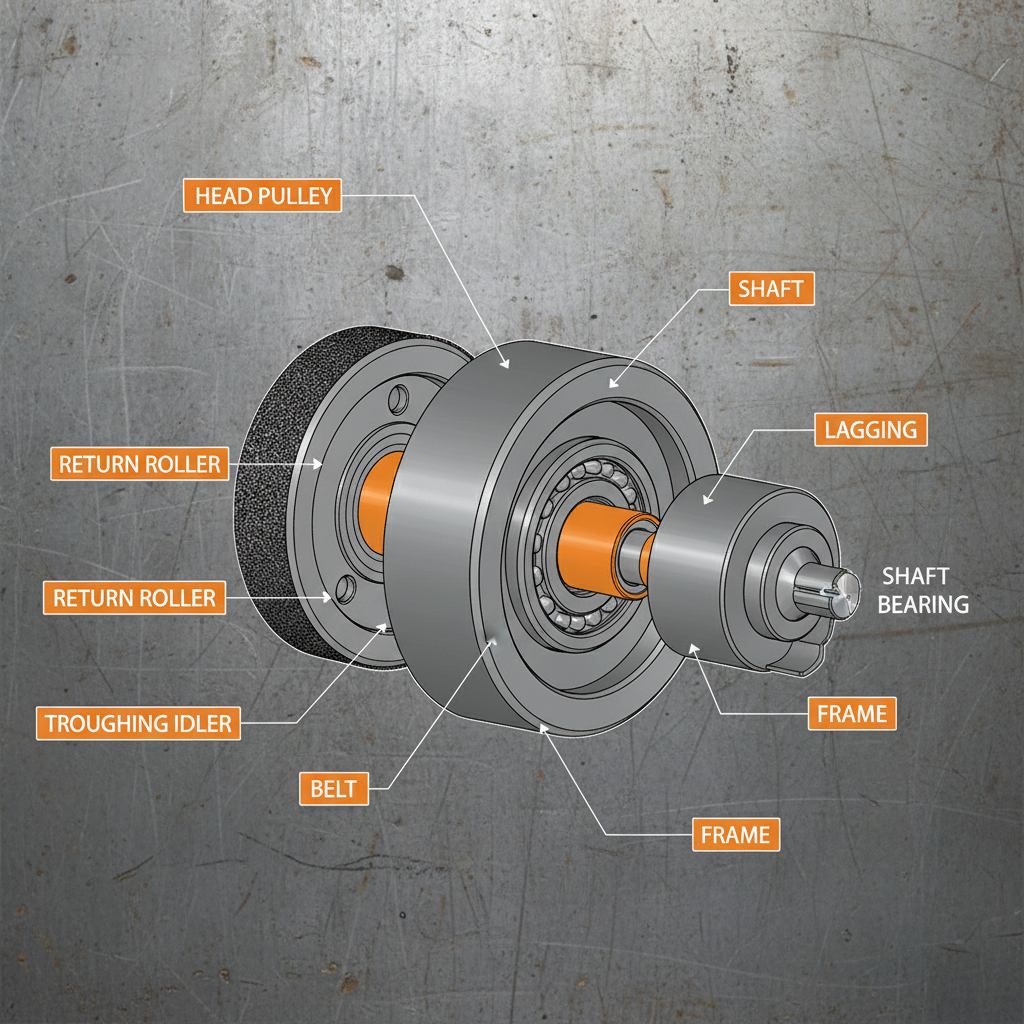
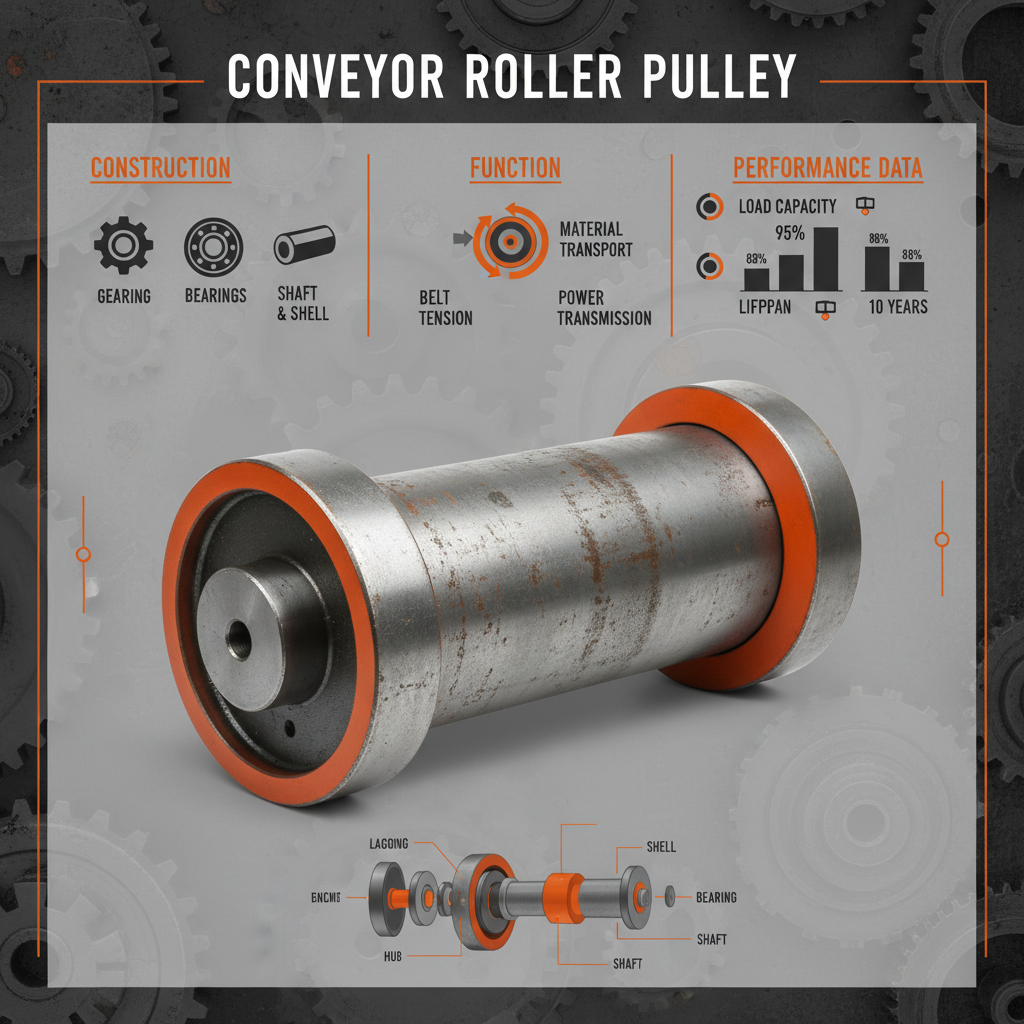
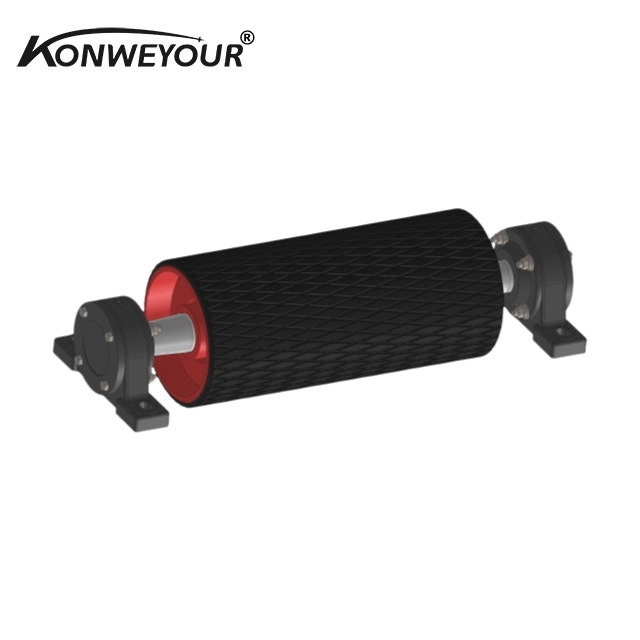
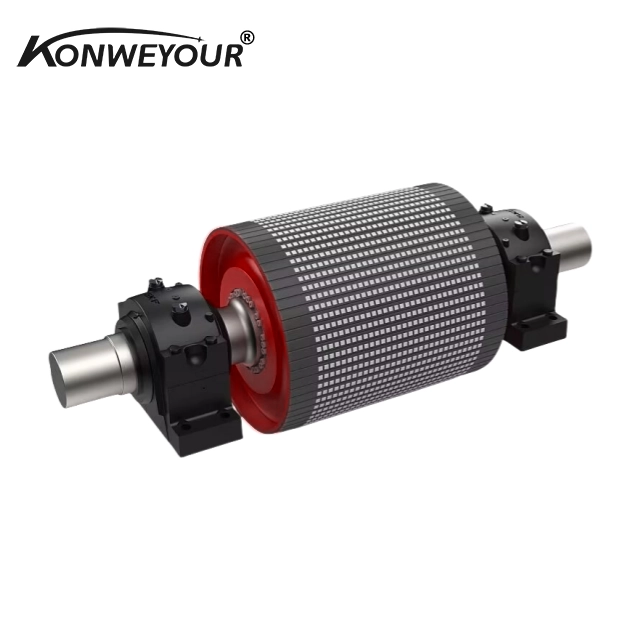
Conveyor roller pulleys come in a variety of types, each designed for specific applications and load requirements. The most common types include:
- Drive Pulleys: These pulleys are powered and responsible for moving the conveyor belt.
- Idler Pulleys: These are unpowered and support the belt, maintaining its shape and preventing sagging.
- Snub Pulleys: Used to increase the arc of contact between the belt and the drive pulley, enhancing traction.
- Bend Pulleys: Facilitate changes in direction of the conveyor belt.
- Wing Pulleys: Help center the belt and prevent it from wandering.
The materials used in pulley construction also vary, with steel, stainless steel, and coated materials being common choices. The selection depends on factors like the environment, the materials being conveyed, and the expected load.
Key Considerations: Choosing the correct material and type of pulley can significantly impact conveyor system performance and lifespan.
Factors Influencing Conveyor Roller Pulley Selection
Several key factors must be considered when selecting conveyor roller pulleys. These include the belt type, the materials being conveyed, the load capacity, the conveyor speed, and the operating environment. A proper understanding of these factors is crucial for ensuring the system functions efficiently and reliably. For example, abrasive materials necessitate pulleys with wear-resistant coatings.
Essential Selection Criteria:
• Belt Type (e.g., flat, V-belt, modular)
• Material Properties (abrasiveness, weight, temperature)
• Load Capacity (maximum weight the pulley must support)
• Operating Environment (temperature, humidity, exposure to chemicals)
Selecting the correct pulley isn’t just about meeting basic requirements; it's about optimizing performance. Factors like pulley diameter impact belt speed and traction. Larger diameter pulleys typically allow for higher speeds, while smaller diameters provide better traction. Regular inspection and maintenance are also vital for maximizing pulley lifespan and preventing costly downtime. Look for pulleys with sealed bearings to minimize maintenance and ensure smooth operation.
| Pulley Feature |
Benefit |
| Diameter |
Impacts belt speed and traction. Larger = faster, smaller = more traction. |
| Material |
Determines durability, corrosion resistance, and suitability for specific materials. |
| Bearing Type |
Affects maintenance requirements and smooth operation. Sealed bearings reduce maintenance. |
Common Issues and Troubleshooting
Common issues with conveyor roller pulleys include bearing failure, belt slippage, and premature wear. Bearing failure can often be identified by unusual noises or excessive vibration. Belt slippage indicates insufficient traction, potentially requiring adjustments to pulley diameter or belt tension. Premature wear suggests improper material selection or excessive loading. Regular preventative maintenance, including lubrication and inspection, can mitigate these issues.
Why Choose JT Conveyor for Your Pulley Needs?
At JT Conveyor, we offer a comprehensive selection of high-quality conveyor roller pulleys designed to meet the diverse needs of our customers. We provide expert guidance in selecting the optimal pulleys for your specific application, ensuring reliable performance and long-term cost savings. Our commitment to quality and customer satisfaction makes us a trusted partner in material handling solutions.
Conclusion: Ensuring Smooth Operations with Quality Pulleys
Investing in high-quality conveyor roller pulleys is crucial for maintaining efficient and reliable material handling systems. By carefully considering factors like load capacity, material compatibility, and operating environment, you can optimize performance and minimize downtime. Partnering with a trusted supplier like JT Conveyor ensures you receive the expertise and quality products you need to succeed.
Frequently Asked Questions (FAQs)
What is the typical lifespan of a conveyor roller pulley?
The lifespan of a conveyor roller pulley varies greatly depending on operating conditions, load, and maintenance. Generally, with proper lubrication and regular inspection, a well-maintained pulley can last between 5 to 10 years. However, factors such as abrasive materials, high temperatures, and excessive loading can significantly reduce its lifespan. Look for signs of wear, such as cracks, corrosion, or bearing noise, and replace the pulley proactively to prevent system failures. JT Conveyor provides robust, durable pulleys designed for longevity even in challenging environments.
How do I determine the correct pulley size for my conveyor system?
Determining the correct pulley size involves several calculations. Key factors include the belt speed required, the conveyor length, and the desired reduction ratio (if applicable). A larger pulley diameter generally results in higher belt speeds, while a smaller diameter provides greater traction. It’s crucial to consult with a conveyor system expert or use online pulley sizing tools to ensure accurate calculations. JT Conveyor offers expert assistance in pulley selection and can help you determine the optimal size for your application.
What maintenance is required for conveyor roller pulleys?
Regular maintenance is vital for extending the lifespan of conveyor roller pulleys. This includes periodic lubrication of bearings, inspection for wear and damage (cracks, corrosion), and ensuring proper belt tension. Regular cleaning to remove debris buildup is also important. Addressing minor issues promptly can prevent more significant and costly repairs down the line. JT Conveyor offers a range of maintenance guides and resources to help you keep your system running smoothly.
Can conveyor roller pulleys be used in corrosive environments?
Yes, conveyor roller pulleys can be used in corrosive environments, but it’s essential to select materials that are resistant to the specific corrosive agents present. Stainless steel and coated pulleys are commonly used in such applications. The coating material will need to be selected based on the specific environment. JT Conveyor offers a variety of corrosion-resistant pulley options to suit a wide range of applications, and can help you choose the best solution for your needs.