Understanding Pan Conveyor Parts: Essential Components for Efficient Material Handling
Whether you’re skimming over factory floors or logistics hubs, pan conveyor parts are quietly powering the continuous motion of goods across industries. But why does it matter? Globally, pan conveyors underpin crucial supply chains—from manufacturing plants to humanitarian aid distribution centers—helping move everything smoothly, safely, and sustainably. The better you understand these parts, the more you appreciate how they shape productivity and innovation around the world.
Introduction: Global Relevance in an Interconnected Industrial World
Material handling is a cornerstone of nearly every global industry. According to the World Bank, efficient infrastructure and logistics can slash operational costs by up to 30%, directly impacting economic growth. Here’s the challenge: with increasing demand for speedy, flexible production lines, the need for dependable conveyor systems—and specifically the pan conveyor parts that make them tick—has never been greater. These components must withstand diverse environments, from dusty mines in Australia to chilly warehouses in Scandinavia, all while minimizing downtime. Managing this complexity is no small feat.
What Are Pan Conveyor Parts?
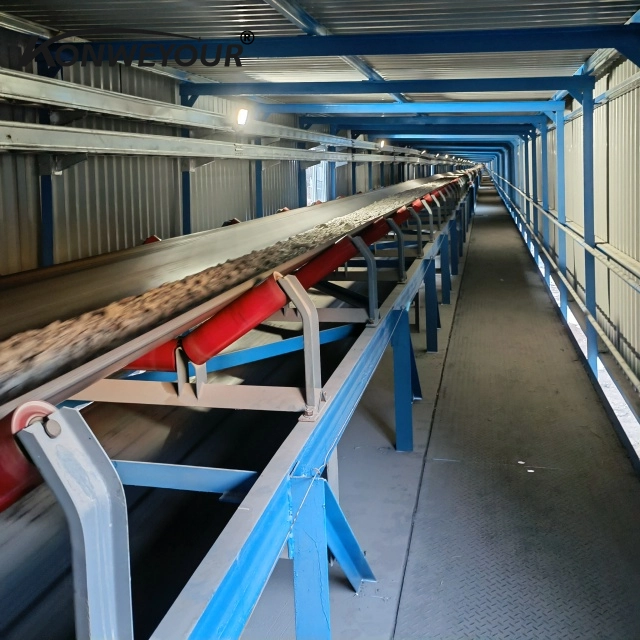
Simply put, pan conveyor parts form the building blocks of pan conveyor systems—those rugged devices featuring flat, typically steel pans attached to chains, carrying bulk materials along a path. Think of them as the plates on which goods move from point A to B. Their role stretches beyond manufacturing; they’re vital in food processing, mining, recycling, even humanitarian aid, where reliable material transport can save time and lives.
Key Components of Pan Conveyor Systems
Durability: Built to Withstand Harsh Conditions
Pan conveyor parts usually face tough abuse—from abrasive materials to extreme temperatures. That’s why corrosion-resistant steel and wear-resistant coatings are common features. This durability doesn’t just extend equipment lifespan; it ensures workers’ safety and consistent operations.
Scalability: Adaptation Across Industries
Modularity is key. Pan parts come in varied sizes and shapes enabling systems to scale up or down effortlessly. Industries with fluctuating outputs rely on this flexibility for speedy adjustments.
Cost Efficiency: Balancing Investment and Performance
Though initial costs can seem steep, quality pan conveyor parts often yield savings via reduced maintenance and downtime. Plus, OEM compatibility can keep replacement parts affordable and available.
Ease of Maintenance: Minimized Downtime
Quick-release pans, standard fasteners, and intuitive designs enable faster inspections and repairs, which frankly, can save companies thousands in lost production hours.
Global Applications & Use Cases
The versatility of pan conveyor parts shows worldwide. In mining operations in South Africa, these parts move heavy ore safely with minimal spillage. In Asia’s food processing plants, stainless steel pans ensure sanitary transport of raw products. Oddly enough, during post-disaster responses—like after typhoons in the Philippines—humanitarian agencies use pan conveyor systems to expedite relief distributions efficiently, highlighting their humanitarian importance.
Advantages & Long-Term Value
Beyond practicality, pan conveyor parts contribute to sustainability by reducing waste due to spillage, enhancing automation, and promoting workplace safety. They foster trust among stakeholders: managers feel confident about uptime, engineers appreciate customizable designs, and workers benefit from safer environments. In real terms, investing in reliable parts translates to peace of mind and continued innovation.
Future Trends & Innovations
The future looks promising. Green manufacturing is prompting new eco-friendly materials—think recycled steel or bio-based coatings—into pan conveyor parts. Digital twins and IoT sensors are enabling real-time monitoring to pre-empt failures before they happen. Automation remains a hot trend; robotic loaders paired with conveyors demand ever-more precise components. The industry is also nodding to ISO standards for safety and environmental impact, pushing continuous upgrades.
Challenges & Solutions
The typical obstacles? Wear and tear, occasional misalignment, and contamination from transported materials. Though many companies adapt by implementing rigorous maintenance schedules and adopting modular pan designs for faster swaps, innovation in smart materials and AI-driven diagnostics is set to change the game. Frankly, engineers now enjoy better predictive tools and durable composites that extend cycle life beyond traditional expectations.
FAQs About Pan Conveyor Parts
- Q: What materials are commonly used for pan conveyor parts?
A: Mostly corrosion-resistant steel variants for durability, with options for stainless steel or specially coated surfaces, depending on application needs such as food-grade environments or abrasive conditions.
- Q: How often should pan conveyor parts be inspected?
A: Inspection frequency depends on usage intensity and materials being handled, but a general rule is a monthly visual check complemented by quarterly in-depth maintenance.
- Q: Can pan conveyor parts be customized for unusual layouts?
A: Absolutely. Many manufacturers allow custom sizes and shapes, even integration with existing systems, facilitating solutions for complex or space-constrained settings.
- Q: How do I choose the right supplier for these parts?
A: Look for vendors offering quality certifications, solid warranties, and responsive technical support. Checking references or visiting manufacturing sites helps too.
Product Specification Table: Typical Pan Conveyor Parts
| Component |
Material |
Thickness (mm) |
Typical Use |
Special Features |
| Flat Pan Plate |
Stainless Steel (304) |
3 - 6 |
Food-grade conveyors |
Corrosion resistant, smooth surface |
| Side Rail |
Carbon Steel with Anti-Wear Coating |
5 - 8 |
Bulk material containment |
Impact resistant, replaceable |
| Chain Link |
Heat-Treated Alloy Steel |
N/A |
Load bearing & motion |
High tensile strength |
Vendor Comparison Table: Leading Suppliers of Pan Conveyor Parts
| Supplier |
Product Range |
Certifications |
Lead Time |
After-Sales Support |
| JT Conveyor |
Comprehensive pan conveyor parts |
ISO 9001, CE |
2-4 weeks |
Technical hotline, field service |
| Global Conveyors Ltd. |
Specialized steel pans and chains |
ISO 14001 |
3-6 weeks |
Online resources, maintenance plans |
| Conveyor Innovations |
Custom fabrication, rapid prototyping |
CE, RoHS |
1-3 weeks (small orders) |
Dedicated project consultants |
Mini Takeaway
Pan conveyor parts might not grab headlines, but they are the unsung heroes of global supply chains. Their blend of robustness, flexibility, and innovation keeps goods flowing and industries growing.
Conclusion
In summary, the importance of pan conveyor parts extends well beyond mere mechanical components; they embody durability, adaptability, and forward-thinking design vital to contemporary industry. Embracing best practices and keeping an eye on innovation ensures these parts continue to serve their pivotal role efficiently worldwide. If you want to explore quality pan conveyor parts tailored for your needs, visit our website: pan conveyor parts. Because often, the right components make a lasting difference.
Reflection & References
From hands-on warehouse visits to analyzing manufacturing breakthroughs, it's clear that pan conveyor parts are evolving fast. While this overview tries to capture the essentials backed by reliable industrial standards—including ISO certifications and World Bank logistics data—the field is always moving. Curious readers might want to explore:
- Conveyor Belt Systems — Wikipedia
- International Organization for Standardization (ISO)
- World Bank: Transport & Logistics