Choosing the Right Conveyor Parts Suppliers: Insights from the Field
Having spent over a decade in the industrial equipment sector, I’ve had my fair share of experiences with conveyor parts suppliers — and frankly, it’s more nuanced than one might expect. When your facility depends on smooth, consistent material flow, the reliability of these parts isn’t just a nice-to-have: it’s mission critical.
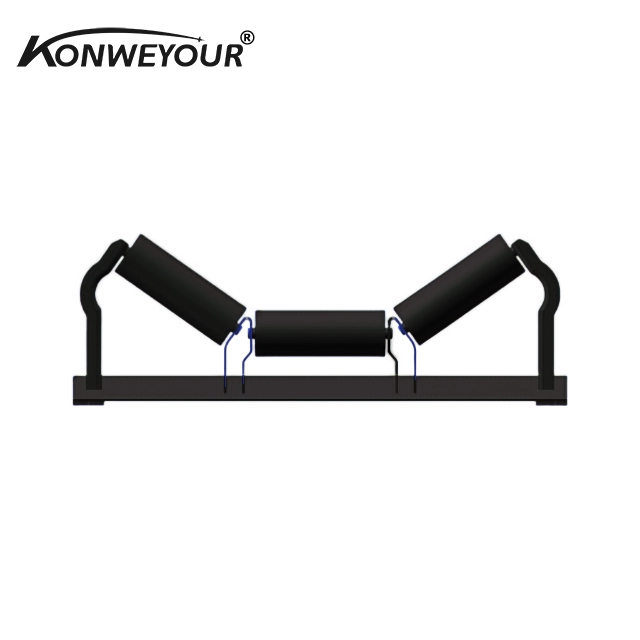
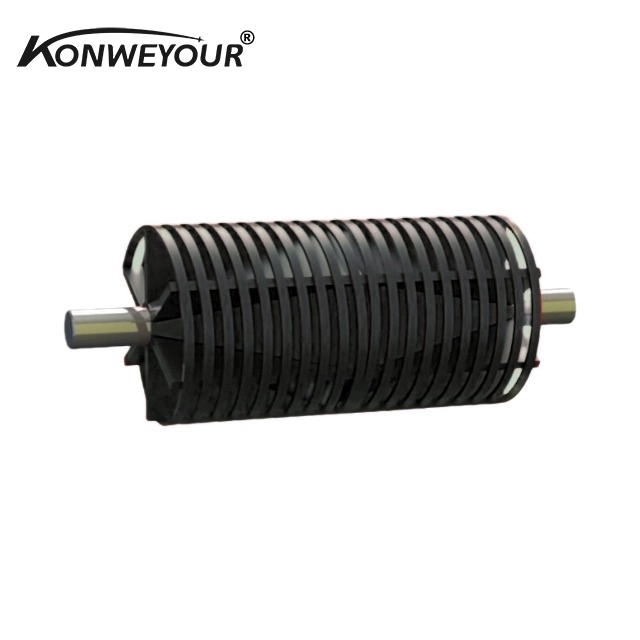
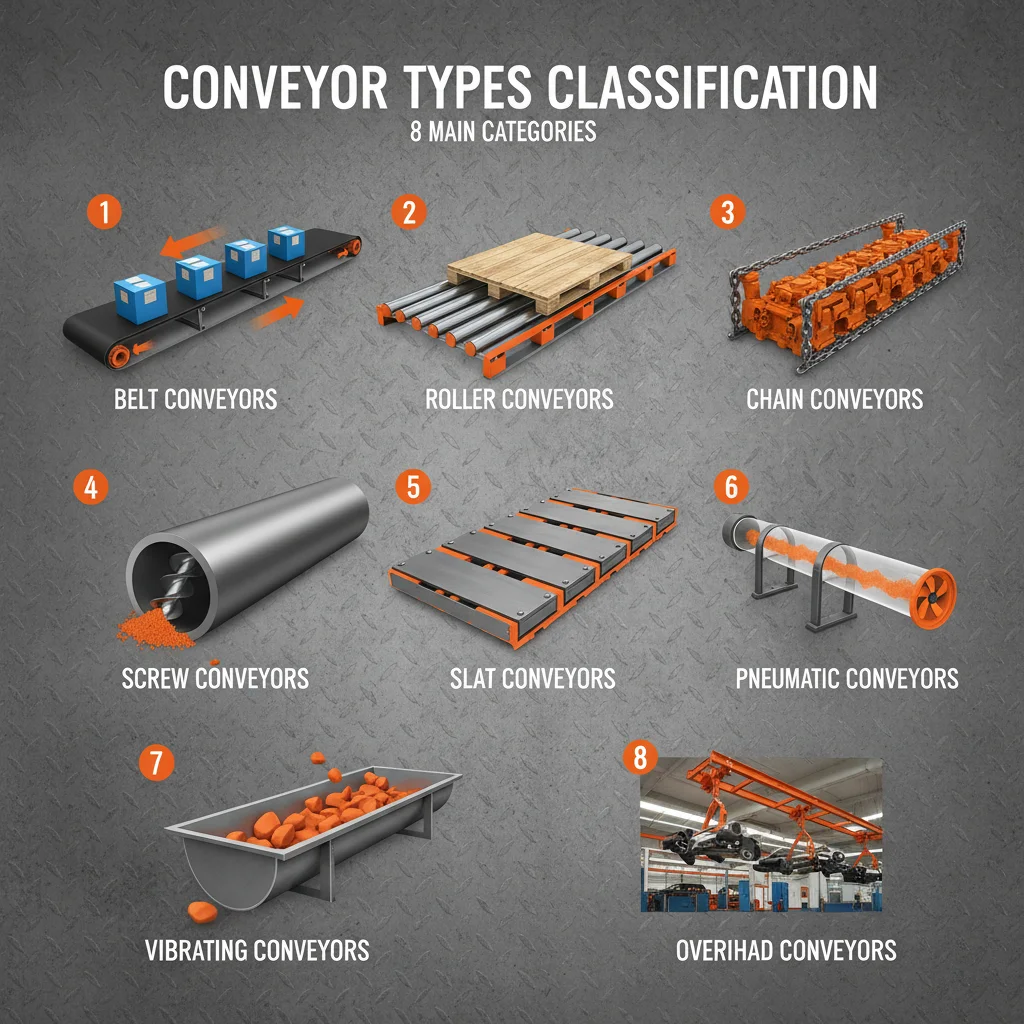
Conveyor parts, from belts to rollers, pulleys to bearings, may seem like commodities—but in real terms, quality, customization options, and supplier support can make or break your operation. I remember one instance years ago, working with a food packaging line where a sudden roller failure shut down the line for hours. The supplier’s responsiveness then was as crucial as the part specs themselves.
What’s interesting is how trends in design and materials have evolved. For example, many manufacturers have shifted toward urethane-coated rollers or modular conveyor belts for easier maintenance and longer wear resistance. You see, raw material choices—like the grade of steel or polymer composites—can significantly impact durability. I noticed that suppliers emphasizing stringent testing protocols usually deliver better consistency.
Speaking of which, testing isn’t just about ticking boxes. In my experience, thorough fatigue and load testing replicates real-world wear better. One conveyor parts supplier I know insists on a six-month accelerated wear test. It’s a good sign they’re confident in their product.
Now, customization is another angle I appreciate in a supplier. Not every production line is cookie-cutter; sometimes you need engineered solutions unique to your setup. Having a supplier who listens and adapts part specifications accordingly is invaluable.
If you’re hunting for conveyor parts suppliers, I recommend looking beyond price. Evaluate their product quality, certifications, tech support, and willingness to collaborate. For instance, JT Conveyor strikes a good balance for many engineers I’ve worked with—they offer solid specs with knowledgeable reps who understand the nuts and bolts.
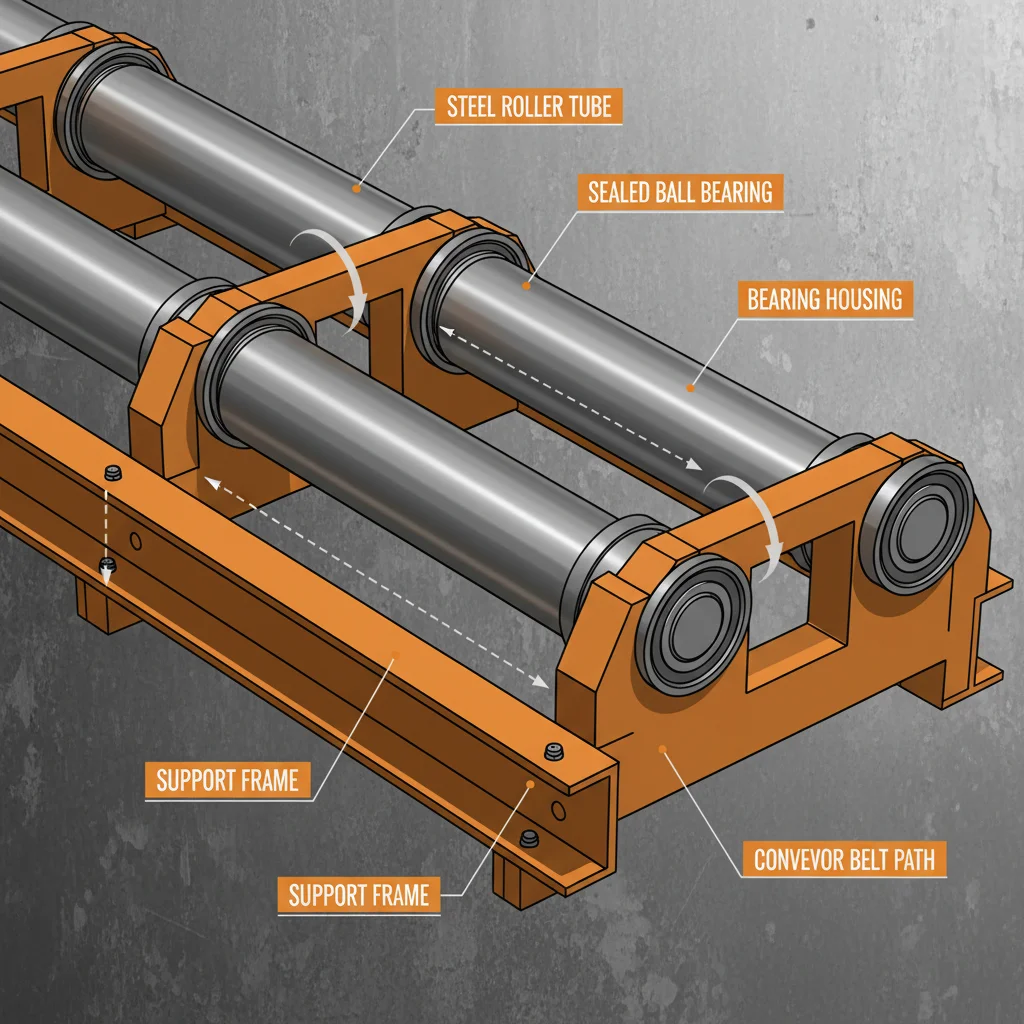
Typical Conveyor Roller Specifications
| Parameter |
Typical Values |
Notes |
| Diameter |
1.5" to 4" |
Depends on load and belt type |
| Material |
Steel, Stainless Steel, Urethane Coated |
Urethane improves grip, reduces wear |
| Bearing Type |
Sealed, Ball Bearings |
Sealed bearings reduce maintenance |
| Load Capacity |
Up to 500 lbs per roller |
Depends on shaft and roller construction |
| Surface Finish |
Galvanized, Painted, Smooth |
Should match environment conditions |
To help visualize the market landscape a bit, here’s a quick side-by-side I jotted down based on my interactions with a few notable suppliers:
Conveyor Parts Supplier Comparison
| Supplier |
Product Range |
Customization |
Customer Support |
Typical Lead Time |
| JT Conveyor |
Comprehensive (rollers, belts, pulleys) |
High – tailored engineering options |
Responsive, knowledgeable |
2-3 weeks typical |
| Supplier B |
Standard rollers and belts |
Limited |
Moderate |
4-6 weeks |
| Supplier C |
Niche specialty components |
Medium |
Good but limited regional coverage |
3-4 weeks |
Honestly, the supplier ecosystem feels a bit like a family reunion some days: everyone talks about quality, lead times, and support but the real proof is in site visits and conversations — not just glossy catalogs. I’d advise anyone new to conveyor parts purchasing to lean into those exchanges.
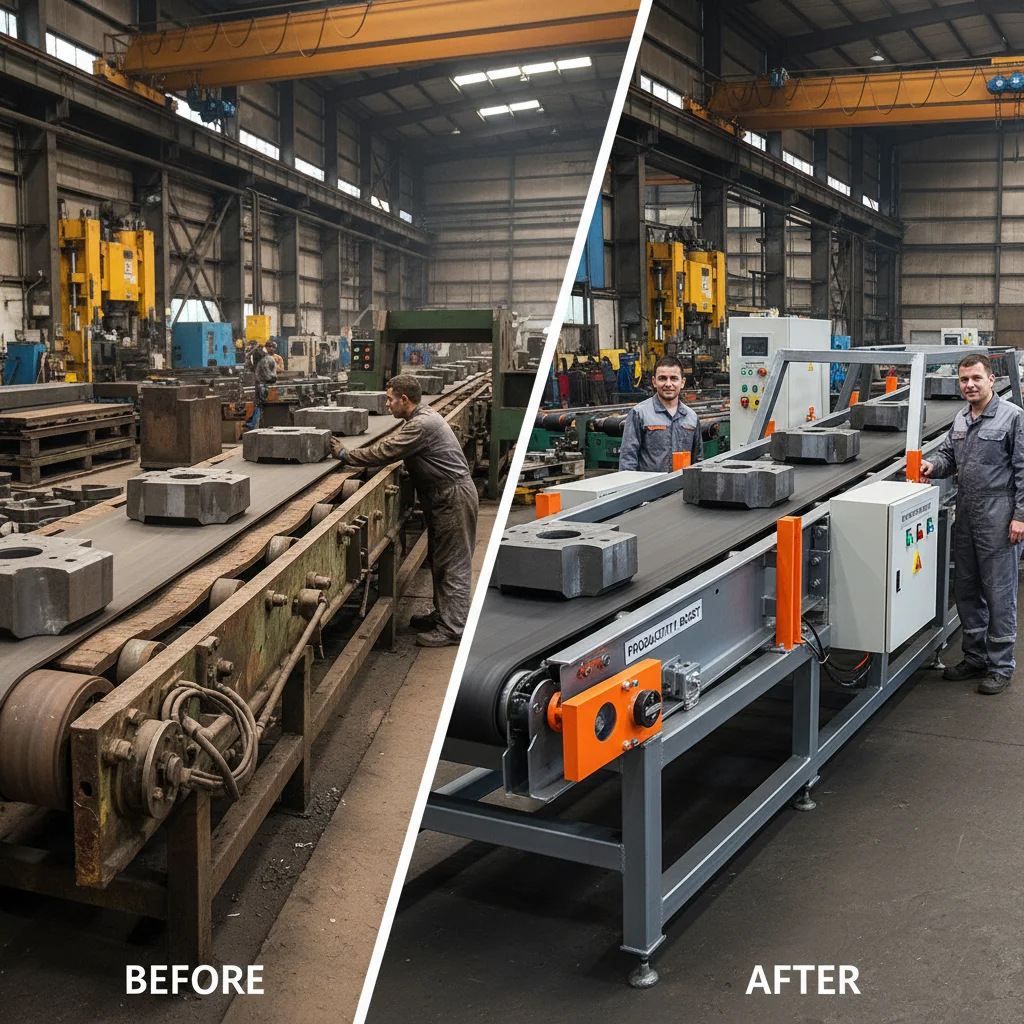
To leave you with a quick story: a client once opted for a cheaper, less vetted supplier only to face multiple failures over a six-month period. The downtime and extra maintenance far eclipsed the initial savings. Switching to a reputable supplier with strong warranties ended up saving them a lot more in the long run.
In conclusion, when sourcing conveyor parts, consider your operational realities and supplier relationship just as much as specs and price — the two go hand in hand. And if you want a solid starting point, JT Conveyor is definitely worth a closer look.
A bit of experience goes a long way in this sector — don't underestimate the power of a good partnership.
- Industry research on conveyor part materials and testing regimes
- Conversations with technical procurement teams
- Field experiences and case studies shared by manufacturers