Understanding Conveyor Wear Strip Material: A Comprehensive Guide
In the realm of bulk material handling, the longevity and efficiency of conveyor systems are paramount. A key component influencing both is the conveyor wear strip material. These strips act as sacrificial barriers, protecting expensive conveyor components from abrasion and impact. This article will delve into the various types of wear strip materials, their applications, benefits, and factors to consider when selecting the right material for your specific needs. Ensuring optimal wear strip performance is crucial for minimizing downtime and maximizing the return on your conveyor system investment.
What is Conveyor Wear Strip Material?
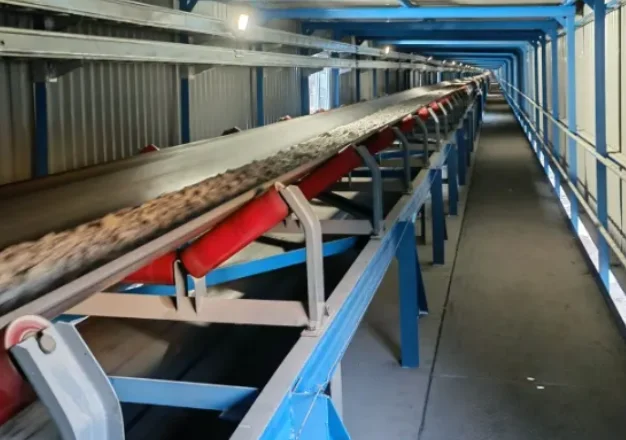
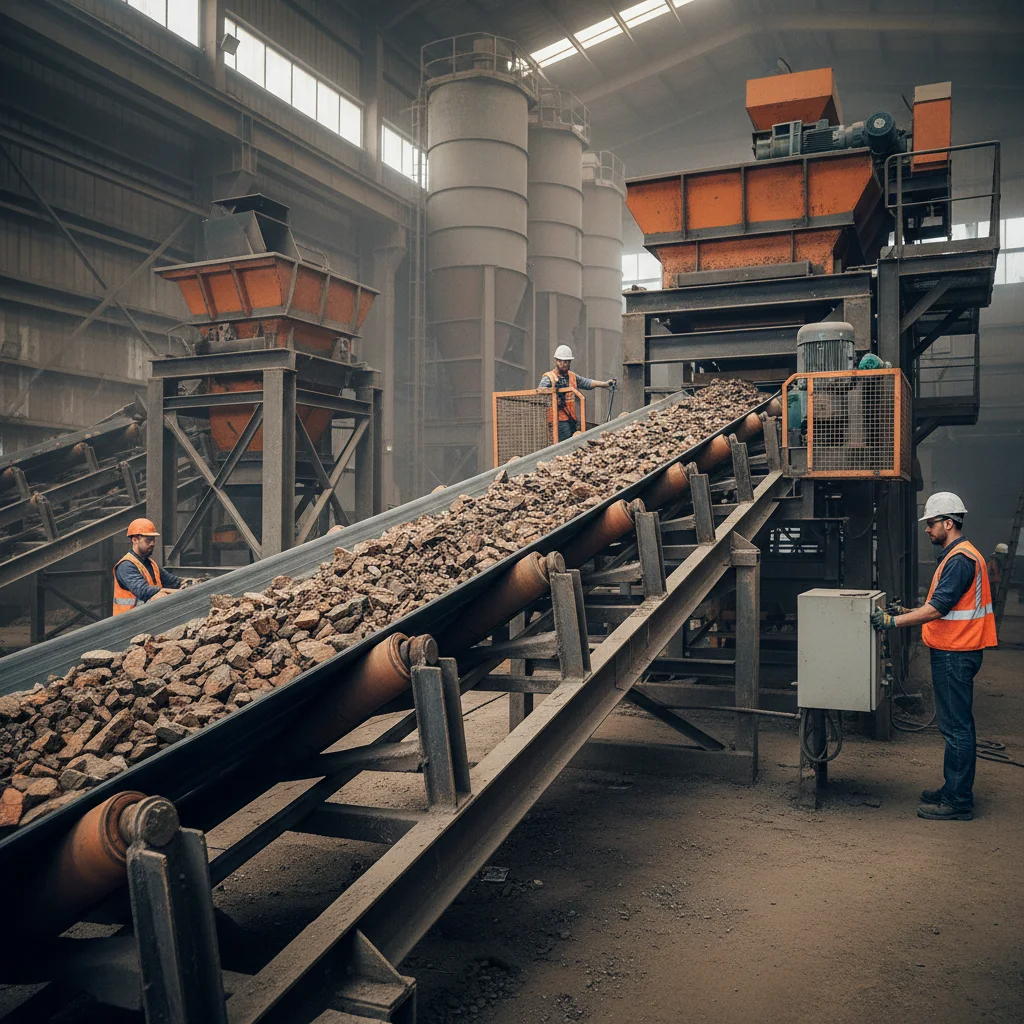
Conveyor wear strips are durable components installed along the trough of a conveyor belt to shield the belt and supporting structure from wear caused by abrasive materials. They're commonly found in industries like mining, aggregate processing, agriculture, and recycling. The primary function of these strips is to absorb the impact and abrasion from the conveyed material, extending the life of the conveyor belt, idlers, and frame. Without effective wear strips, these components would degrade rapidly, leading to costly repairs and downtime. Different materials offer varying levels of resistance to abrasion, impact, and chemical exposure, making material selection critical.
Key Benefits: Extend the life of conveyor components, reduce maintenance costs, minimize downtime, and improve overall conveyor system efficiency.
Common Types of Conveyor Wear Strip Materials
Several materials are commonly used for conveyor wear strips, each with its strengths and weaknesses. The choice depends heavily on the type of material being conveyed, the conveyor's operating conditions, and budgetary constraints. Common materials include UHMW-PE (Ultra-High Molecular Weight Polyethylene), steel, ceramic, and polyurethane. JT Conveyor offers a wide range of these materials tailored to specific industrial applications. Understanding the properties of each material is crucial for making an informed decision.
Material Properties Overview:
• UHMW-PE: Excellent abrasion resistance, low friction, self-lubricating.
• Steel: High impact resistance, durable, suitable for heavy loads.
• Ceramic: Exceptional wear resistance, ideal for highly abrasive materials.
• Polyurethane: Good abrasion and impact resistance, flexible, versatile.
UHMW-PE vs. Steel Wear Strips: A Detailed Comparison
UHMW-PE and steel are two of the most popular materials for conveyor wear strips. UHMW-PE excels in abrasion resistance and has a low coefficient of friction, reducing material buildup. Steel, on the other hand, offers superior impact resistance and is suitable for handling heavier materials. However, steel can be prone to corrosion and may require more maintenance. The ideal choice depends on the specific application and the characteristics of the material being conveyed.
| Feature |
UHMW-PE |
Steel |
| Abrasion Resistance |
Excellent |
Good |
| Impact Resistance |
Good |
Excellent |
| Cost |
Moderate |
Moderate to High |
| Maintenance |
Low |
Moderate (corrosion prevention) |
Factors to Consider When Selecting Wear Strip Material
Choosing the right conveyor wear strip material requires a thorough assessment of several factors. These include the material's abrasiveness, impact velocity, operating temperature, and potential chemical exposure. The size and weight of the conveyed material also play a significant role. For example, handling sharp rocks necessitates a highly abrasion-resistant material like ceramic, while handling heavier materials requires a more robust option like steel. JT Conveyor's experts can assist in analyzing your specific requirements and recommending the optimal material.
Installation and Maintenance Best Practices
Proper installation and regular maintenance are crucial for maximizing the lifespan of conveyor wear strips. Ensure the strips are securely fastened and correctly aligned. Regularly inspect the strips for wear and tear, and replace them before they become excessively damaged. Prompt replacement prevents damage to more expensive conveyor components. Following manufacturer's recommendations for installation and maintenance is essential for optimal performance.
Conclusion: Protecting Your Investment with the Right Wear Strips
Selecting the appropriate conveyor wear strip material is a vital step in ensuring the longevity and efficiency of your bulk material handling system. By carefully considering the factors outlined in this article and partnering with a reliable supplier like JT Conveyor, you can minimize downtime, reduce maintenance costs, and maximize your return on investment. Don't underestimate the importance of this often-overlooked component!
Frequently Asked Questions (FAQs)
How often should conveyor wear strips be replaced?
The replacement frequency depends heavily on the material being conveyed, the conveyor's load, and the operating environment. Regular inspections (at least monthly) are crucial. Replace strips when they exhibit significant wear, cracks, or deformation. As a general guideline, UHMW-PE strips may last 6-12 months, while steel strips could last significantly longer depending on usage. Proactive replacement is always preferable to waiting until a failure occurs, which can lead to more extensive damage and downtime.
What is the best wear strip material for abrasive materials like gravel?
For highly abrasive materials like gravel, ceramic wear strips are generally the best choice. They offer exceptional wear resistance and can withstand the constant impact and abrasion from hard, angular particles. While more expensive than other options, their extended lifespan and reduced maintenance requirements often make them the most cost-effective solution in the long run. UHMW-PE is also a viable option for less severe abrasion.
Can wear strips be used on both flat and troughed conveyors?
Yes, wear strips can be effectively used on both flat and troughed conveyors. However, the installation method and material selection may vary. On troughed conveyors, strips are typically installed along the sides and bottom of the trough to protect the belt and supporting structure. Careful consideration should be given to the angle of the trough and the material's flow characteristics when selecting the appropriate wear strip material and mounting method.