Selecting the Right Quarry Conveyor Rollers for Optimal Performance
Efficient material handling is crucial in quarry operations, and quarry conveyor rollers are the backbone of this process. Choosing the correct rollers directly impacts productivity, reduces downtime, and lowers maintenance costs. This article will explore the key considerations when selecting quarry conveyor rollers, detailing various types, materials, and essential specifications. We’ll also highlight how JT Conveyor can provide tailored solutions to meet your specific needs.
Understanding the Different Types of Quarry Conveyor Rollers
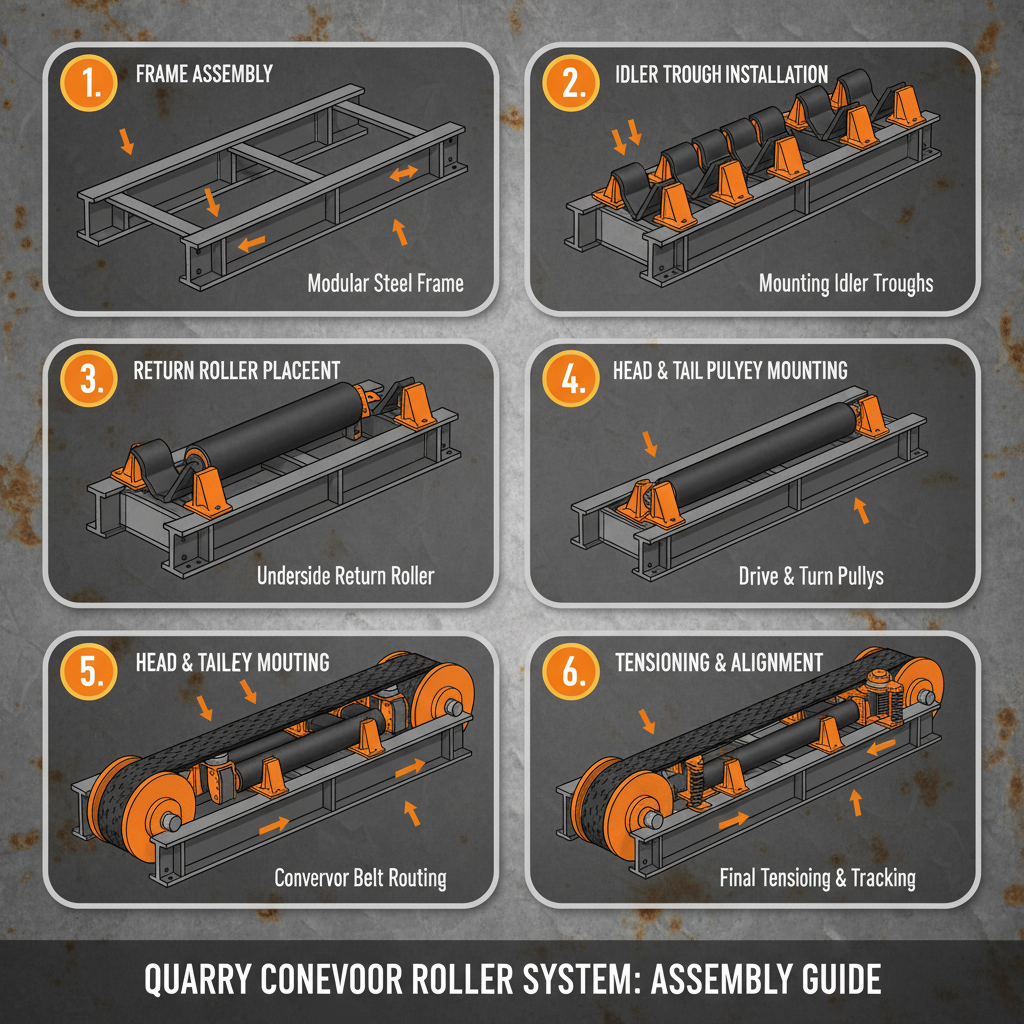
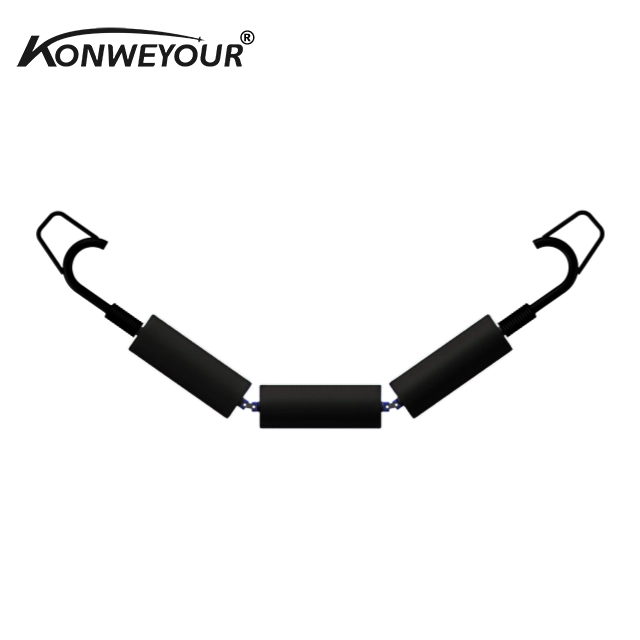
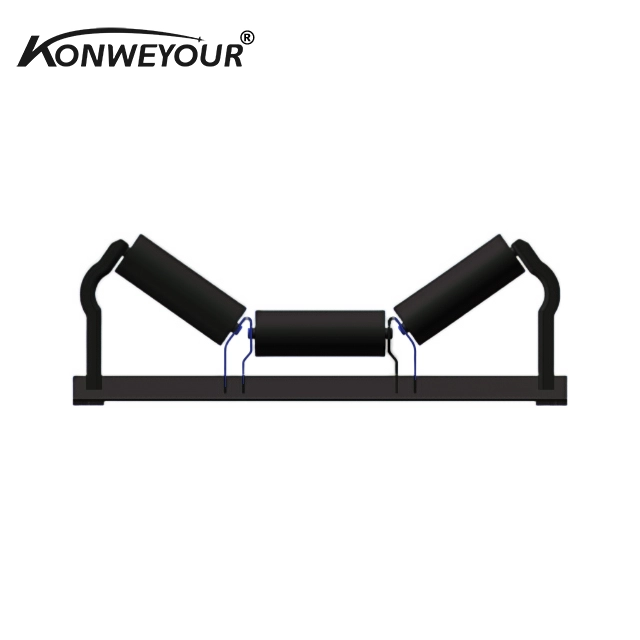
Quarry conveyor rollers aren’t a one-size-fits-all solution. Several types cater to different applications. Carry rollers support the load-bearing strand of the conveyor belt, while return rollers guide the returning strand. Idler rollers are strategically placed to support the belt and prevent sagging between supports. Impact rollers are positioned under the loading point to absorb the force of falling materials, significantly extending belt life. Finally, wing pulleys are used to help center the belt and prevent material spillage. Choosing the correct roller type for each section of the conveyor system is essential for optimal efficiency.
Material Selection: Choosing the Right Build for Quarry Conveyor Rollers
The harsh environment of a quarry demands robust and durable conveyor rollers. Common materials include carbon steel, stainless steel, and coated steel. Carbon steel rollers offer excellent strength and are cost-effective for general applications. However, they are susceptible to corrosion. Stainless steel rollers provide superior corrosion resistance, making them ideal for wet or chemically aggressive environments. Coated steel rollers, often with epoxy or polyurethane coatings, offer a balance between cost and corrosion protection. The optimal material depends on the specific materials being conveyed and the environmental conditions of the quarry.
Key Considerations: The choice of material is directly linked to the longevity and reliability of your conveyor system. Investing in high-quality materials minimizes downtime and reduces long-term maintenance costs.
Factors Influencing Quarry Conveyor Roller Selection
Beyond the type and material, several factors influence roller selection. Load capacity is paramount – rollers must be rated to handle the maximum weight of materials being conveyed. Belt speed affects roller wear, with higher speeds requiring more durable materials and precise bearing selection. Material abrasiveness dictates the need for wear-resistant coatings or hardened steel rollers. Finally, environmental conditions, such as temperature, humidity, and exposure to chemicals, must be considered to ensure long-term performance. A comprehensive assessment of these factors is essential for optimal roller selection.
Critical Roller Selection Parameters:
• Load Capacity
• Belt Speed
• Material Abrasiveness
• Environmental Conditions
Comparing Roller Options: A Performance Overview
Selecting the ideal conveyor roller requires careful comparison. The following table highlights the key differences between common roller options to assist in making an informed decision. JT Conveyor offers expert guidance to help you navigate these choices.
| Roller Type |
Material |
Typical Application |
Cost (Relative) |
| Carry Roller |
Carbon Steel |
General Conveying |
Low |
| Impact Roller |
Steel with Rubber Coating |
Loading Points |
Medium |
| Return Roller |
Carbon Steel |
Belt Return Section |
Low |
| Wing Pulley |
Steel |
Belt Centering |
Medium |
JT Conveyor: Your Partner for Reliable Quarry Conveyor Roller Solutions
At JT Conveyor, we specialize in providing high-quality, durable quarry conveyor rollers tailored to your specific operational needs. We offer a comprehensive range of roller types, materials, and sizes, backed by expert engineering support. Our commitment to quality and customer satisfaction ensures optimal performance and minimal downtime for your quarry operations. Contact us today to discuss your requirements and receive a customized solution.
Conclusion: Optimizing Quarry Operations with the Right Conveyor Rollers
Investing in the correct quarry conveyor rollers is critical for maximizing efficiency, minimizing downtime, and ensuring the longevity of your conveyor systems. By carefully considering the factors outlined in this article and partnering with a trusted supplier like JT Conveyor, you can achieve optimal performance and maintain a competitive edge.
Frequently Asked Questions (FAQs)
What is the typical lifespan of a quarry conveyor roller?
The lifespan of a quarry conveyor roller varies greatly depending on operating conditions, material abrasiveness, and load capacity. Generally, rollers can last between 5 and 10 years with proper maintenance. However, in highly abrasive environments or with heavy loads, the lifespan may be shorter. Regular inspection and lubrication are crucial for maximizing roller life. Factors like misalignment and improper belt tension can also significantly reduce lifespan. JT Conveyor offers preventative maintenance programs to help extend roller life and minimize downtime.
How often should conveyor rollers be inspected?
Conveyor rollers should be inspected at least monthly, or more frequently in harsh operating conditions. Inspections should include checking for bearing wear, shell damage, misalignment, and proper lubrication. Look for signs of cracking, deformation, or excessive play in the bearings. Address any issues promptly to prevent further damage and potential system failures. JT Conveyor can provide comprehensive inspection checklists and training for your maintenance personnel.
What are the benefits of using coated conveyor rollers?
Coated conveyor rollers offer enhanced protection against abrasion, corrosion, and material buildup. Coatings like polyurethane or epoxy can significantly extend roller life, particularly in applications involving sticky or abrasive materials. They also reduce friction, which can improve energy efficiency. While generally more expensive than standard steel rollers, the increased lifespan and reduced maintenance costs often make coated rollers a cost-effective solution in the long run. JT Conveyor offers a wide range of coating options to suit your specific needs.
Can JT Conveyor provide custom conveyor roller solutions?
Yes, JT Conveyor specializes in providing custom conveyor roller solutions tailored to your unique requirements. We can manufacture rollers to specific dimensions, materials, and load capacities. We also offer engineering services to help you optimize your conveyor system for maximum efficiency and reliability. Our team will work closely with you to understand your challenges and develop a solution that meets your exact needs.