Conveyor Pulley Lagging is a key solution in the industry, specifically within bulk material handling and mining sectors. This article explores how https://www.jtconveyor.com supports professionals with durable, high-performance products, and explains why this product is an ideal choice for businesses in these sectors.
Table of Contents
So, what exactly is conveyor pulley lagging and why should you care? At its core, conveyor pulley lagging is the rubber or polyurethane coating applied to the shell of conveyor pulleys. It acts like a grip-enhancer between the pulley and the belt, improving traction, reducing slippage, and extending both pulley and belt life. For anyone dealing with large-scale material transport, it’s a small detail that yields big returns.
- Typically crafted from abrasion-resistant rubber compounds or high-durability polyurethane, lagging varies in thickness but often runs 6-12mm.
- A notable case comes from a mining operation in Western Australia, where JT Conveyor’s lagging reduced belt slippage by 30%, cutting unexpected downtime.
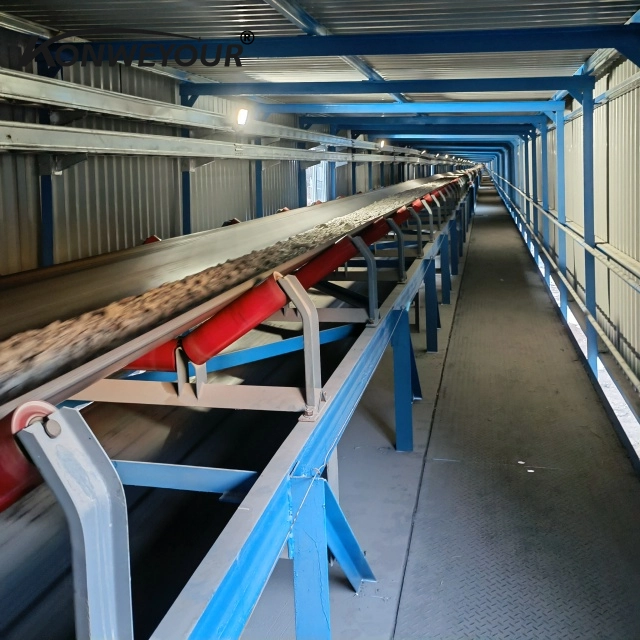
If you’re puzzling over where to use lagging, it’s common in bulk material industries like mining, cement, power plants, and ports. These industries demand reliable belt traction under varied, often harsh, conditions. Lagging helps by preventing belt slippage in wet or dusty environments—sort of like giving your conveyor belt a better grip on the pulley.
- Features such as anti-slip properties, wear resistance, and easy installation give JT Conveyor’s lagging a competitive edge.
- They also offer custom solutions tailored to your specific operational pressures and belt widths, rather than one-size-fits-all.
Conveyor Pulley Lagging Product Specifications
| Specification |
Range/Value |
Notes |
| Material |
Natural/Synthetic Rubber, Polyurethane |
Depends on abrasion & temperature requirements |
| Thickness |
6mm - 12mm |
Standard options with custom thickness available |
| Hardness (Shore A) |
65 - 75 |
Balance of grip and wear resistance |
| Temperature Resistance |
-30°C to 80°C (typical rubber) |
Polyurethane suits higher temps up to 120°C |
Cost, Maintenance & User Experience
When it comes to cost, it’s not just about the purchase price, but the total cost of ownership. JT Conveyor’s lagging products usually cost a bit more upfront compared to cheaper alternatives—but frankly, the durability and reduced belt wear end up saving clients money long term.
- Many users report fewer unscheduled shutdowns due to slippage-related belt damage.
- Maintenance frequency drops—thanks to lagging’s resistance to abrasion and weathering.
Vendor Comparison: Conveyor Pulley Lagging Providers
| Feature |
JT Conveyor |
Competitor A |
Competitor B |
| Material Options |
Rubber, Polyurethane |
Rubber Only |
Rubber, Limited Polyurethane |
| Customization |
Yes, tailored solutions |
Standard sizes only |
Some options |
| Durability / Warranty |
5 years |
3 years |
4 years |
Sustainability & Market Trends
Interestingly, sustainability is becoming increasingly important even in this niche product category. Some manufacturers, including JT Conveyor, now emphasize eco-friendly rubber compounds and recycling programs as part of their offering. Regulatory pressures on waste, chemical use, and emissions from heavy industries are tightening, pushing suppliers to innovate.
- Market demand for longer-lasting lagging reduces the frequency of replacements and associated landfill waste.
- As automation grows, so does the need for reliable conveyor components that minimize downtime and energy consumption.
Frequently Asked Questions about Conveyor Pulley Lagging
- What is Conveyor Pulley Lagging and how does it work?
- It's a rubber or polyurethane coating wrapped around conveyor pulleys to improve belt grip, reduce slippage, and protect pulley surfaces. By enhancing friction, lagging helps maintain smooth material transport.
- What are the main benefits of using Conveyor Pulley Lagging in industrial applications?
- Key benefits include increased traction, reduced belt wear, protection against corrosion, and lower maintenance costs, all of which contribute to higher uptime and ROI.
- How does Conveyor Pulley Lagging compare to traditional alternatives?
- Traditional steel pulleys without lagging often suffer from slippage and more rapid wear. Lagging provides a cushioning effect and friction boost, making it a more advanced and effective solution.
- What industries can benefit most from Conveyor Pulley Lagging implementation?
- Mining, cement, power generation, port handling, and more—anywhere conveyor belts move heavy materials under challenging conditions can benefit significantly.
Conclusion on Conveyor Pulley Lagging from china
To wrap things up: Conveyor pulley lagging might sound like a simple add-on, but it’s really a game-changer in optimizing conveyor belt performance and durability. With companies like JT Conveyor offering tailored, durable solutions, businesses can reduce downtime and gain a solid return on investment. For a closer look, you should definitely check out https://www.jtconveyor.com and see what’s possible.
Reflecting on this, it's clear that small improvements in component design can ripple out into major operational benefits — a good reminder that sometimes the difference is rubber, quite literally.
- “Benefits of Conveyor Pulley Lagging in Mining”, Journal of Material Handling, 2022
- Case Study: Western Australia Mining Operation, JT Conveyor, 2023
- Industry Trends Report: Bulk Material Handling Sustainability, 2023