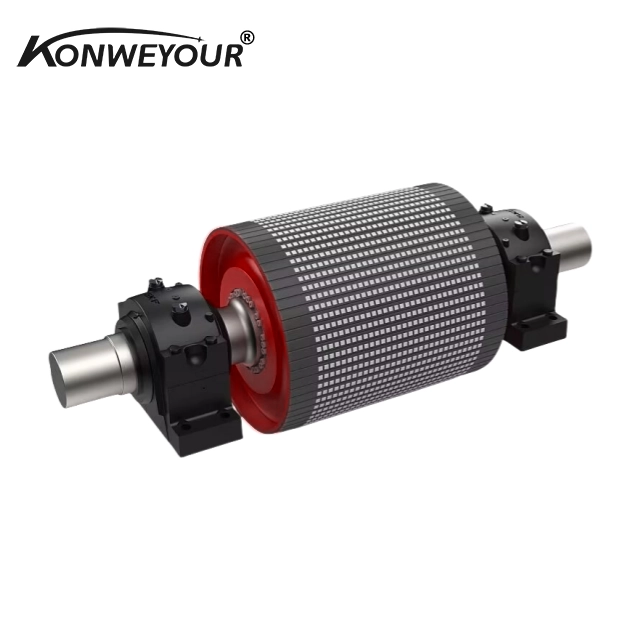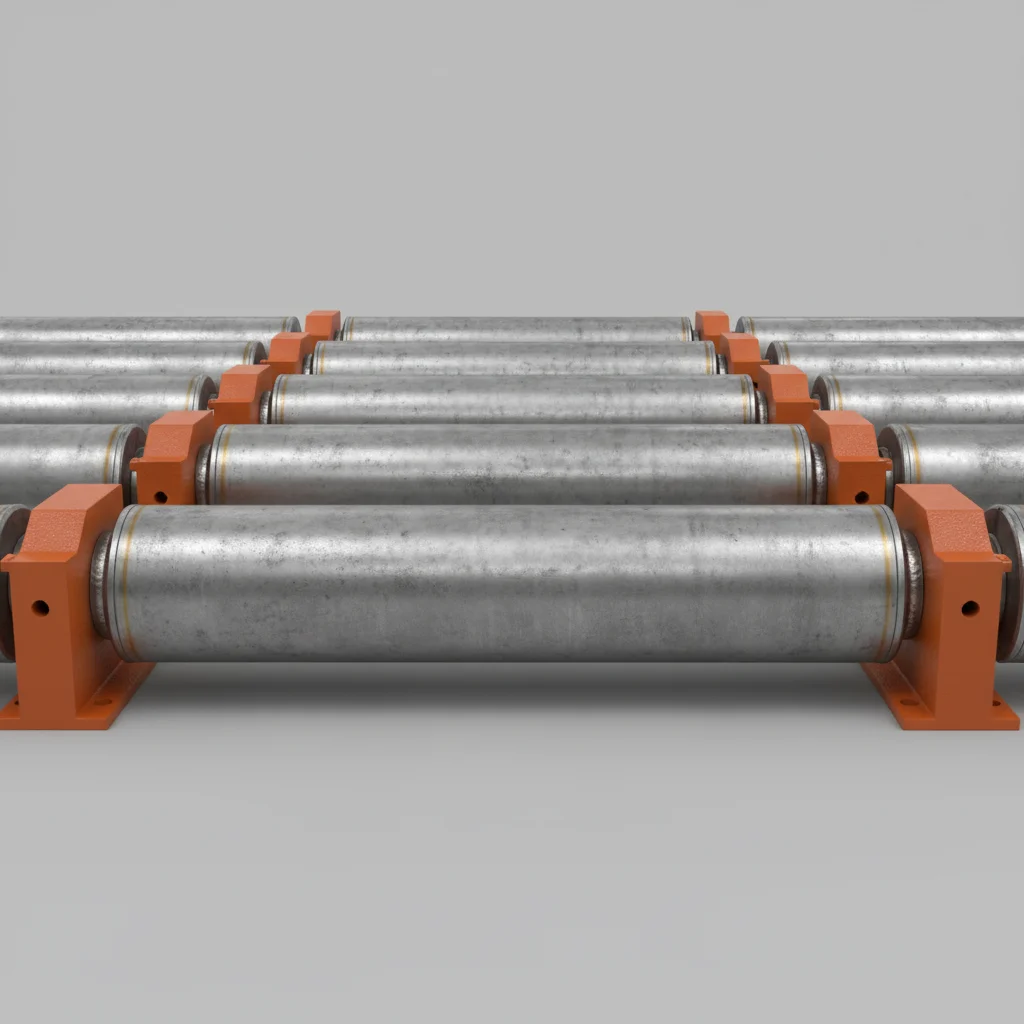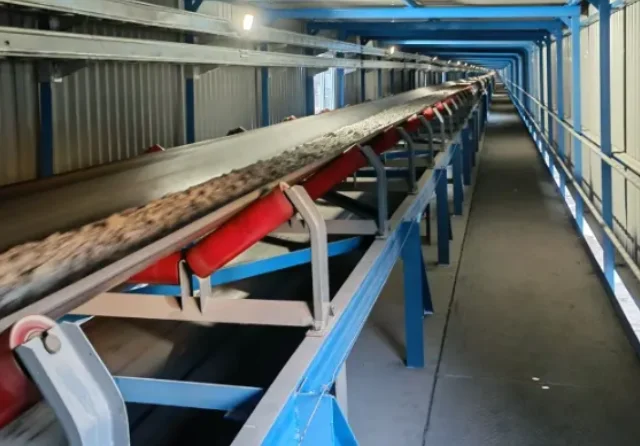
Steel conveyor rollers are essential components in material handling systems across a vast range of industries. From manufacturing and logistics to mining and agriculture, these rollers facilitate the smooth and efficient movement of goods. Choosing the right steel conveyor rollers is crucial for optimizing performance, minimizing downtime, and ensuring a safe working environment. This article provides an in-depth look at steel conveyor rollers, covering their types, applications, benefits, and key considerations when making a purchase. JT Conveyor specializes in providing high-quality steel conveyor rollers tailored to your specific needs.
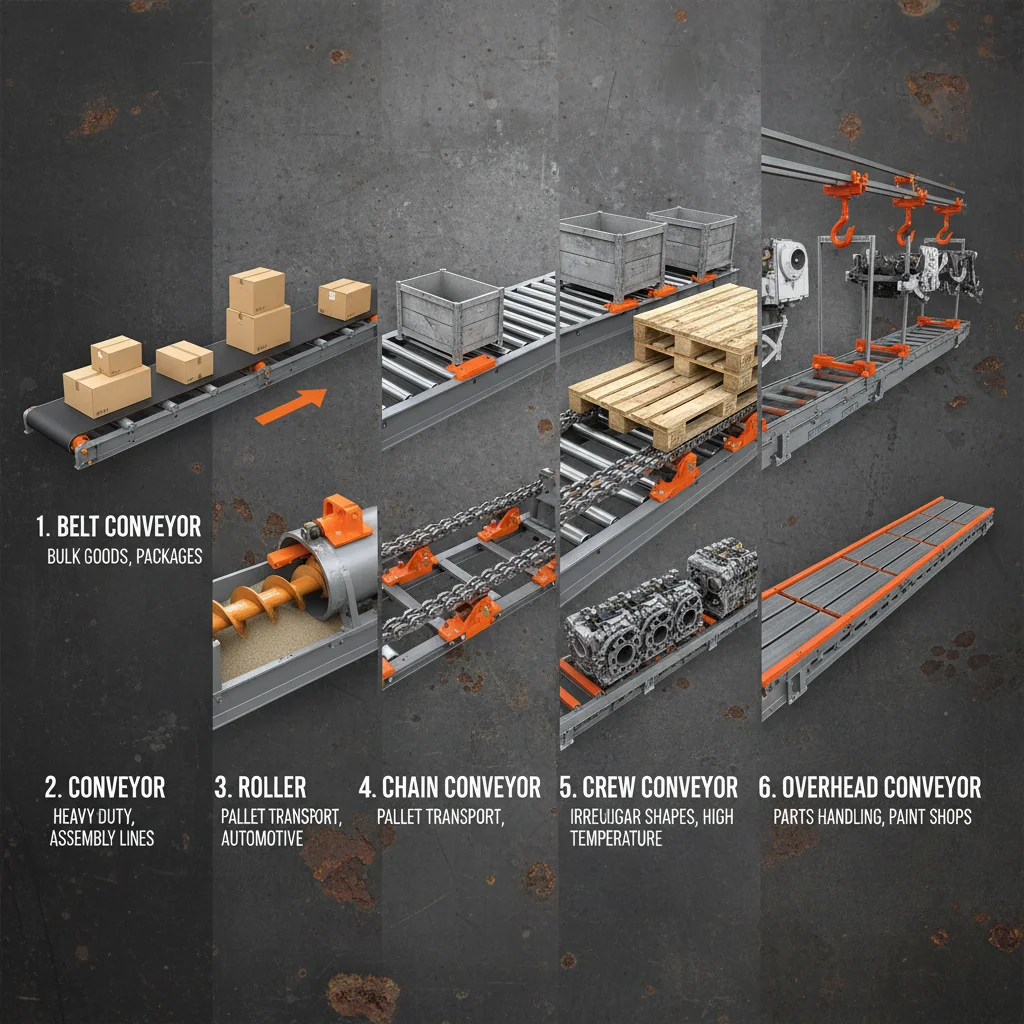
Conveyor systems are the backbone of modern material handling, impacting everything from manufacturing and logistics to agriculture and even humanitarian aid. They aren’t just belts moving boxes; they’re complex networks engineered to optimize flow, reduce labor costs, and improve safety. Understanding the different conveyor types and applications is critical for anyone involved in project planning, operational efficiency, or supply chain management. Globally, the market for conveyor systems is substantial – estimated at over $40 billion annually and growing steadily as industries automate and demand faster, more reliable movement of goods.
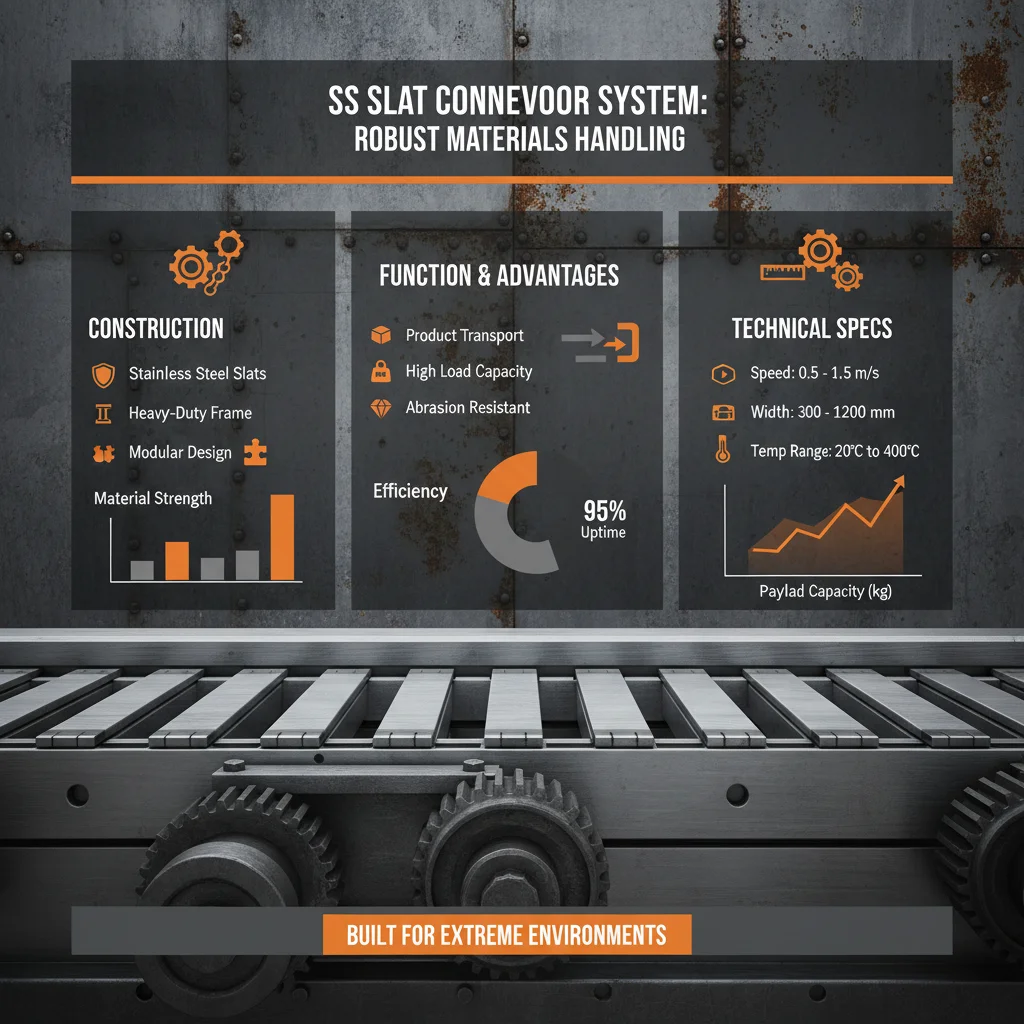
The ss slat conveyor represents a cornerstone of modern material handling, quietly enabling efficiency across a diverse range of industries. From agricultural processing and food production to manufacturing and logistics, these systems provide a reliable and cost-effective method for moving goods. Understanding the principles behind ss slat conveyor design, operation, and maintenance is crucial for optimizing processes and ensuring consistent output. The benefits extend beyond mere convenience, contributing to improved workplace safety, reduced labor costs, and enhanced overall productivity. Globally, the demand for efficient material handling solutions is soaring, driven by increasing production volumes and the complexities of modern supply chains. According to a report by Market Research Future, the global conveyor systems market is projected to reach USD 7.5 billion by 2028, registering a CAGR of 6.2% from 2022 to 2028. This growth underscores the critical role conveyors play in enabling global commerce. The ss slat conveyor, with its robust design and adaptability, is ideally positioned to meet this growing demand, offering a versatile solution for a wide spectrum of applications.
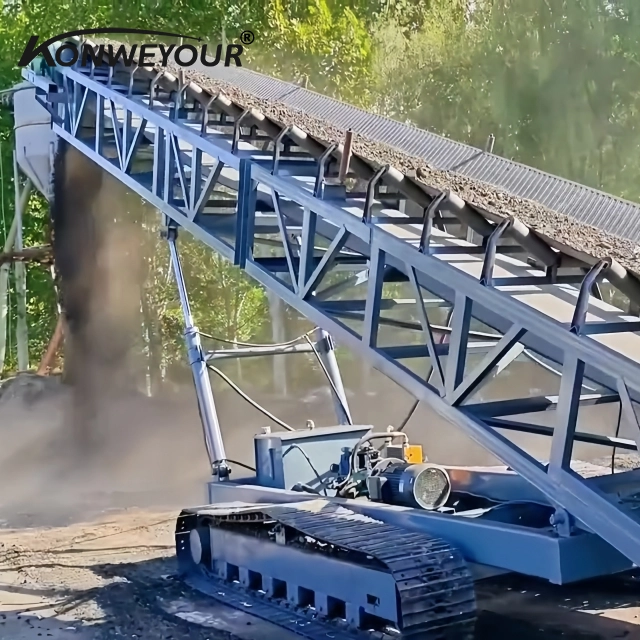
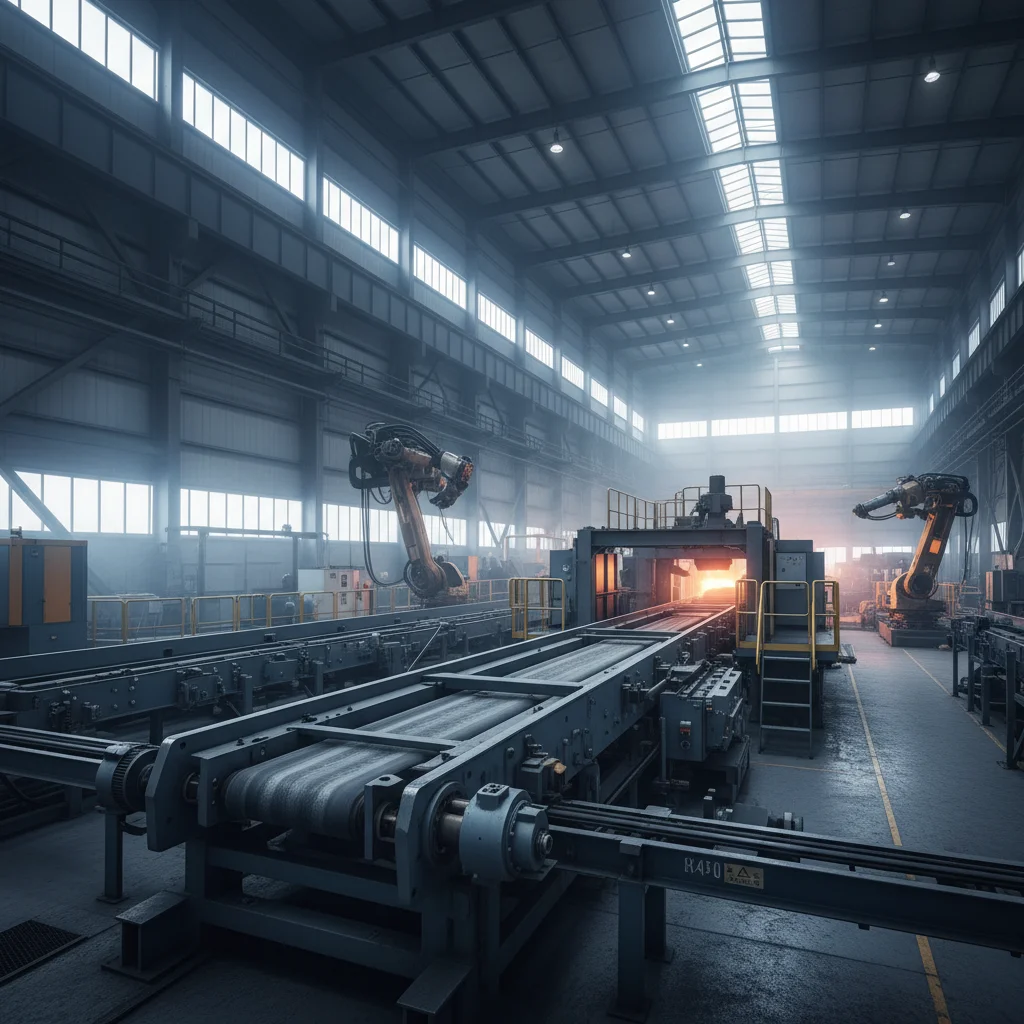
Conveyor and equipment systems are the backbone of modern material handling, playing a vital role in countless industries worldwide. From the efficient movement of goods in manufacturing and logistics to the critical transport of bulk materials in mining and agriculture, these systems are integral to global supply chains and economic productivity. Understanding the nuances of conveyor and equipment – their design, operation, and maintenance – is crucial for optimizing processes, reducing costs, and ensuring safety. The continued advancement of these technologies is driven by a need for increased efficiency, automation, and sustainability. The global market for conveyor and equipment is substantial and continuously growing. According to recent reports, the industry is projected to reach billions of dollars in the coming years, fueled by rising industrialization in emerging economies and a focus on automating processes in developed nations. These systems aren’t merely about moving items from point A to point B; they represent a complex interplay of engineering disciplines, including mechanical, electrical, and control systems. Investing in robust and intelligently designed conveyor and equipment offers a substantial return in terms of operational efficiency and reduced downtime.