Understanding Conveyor Belt Drum Rollers
Efficient material handling is critical for businesses involved in logistics, manufacturing, and distribution. At the heart of many effective systems lie conveyor belt drum rollers. These seemingly simple components are vital for smooth operation, reducing friction, and supporting the weight of conveyed materials. This article provides a comprehensive overview of drum rollers, their types, applications, and how to choose the right ones for your specific needs. We’ll explore the importance of quality drum rollers in maximizing your conveyor system's efficiency and longevity.
What are Conveyor Belt Drum Rollers?
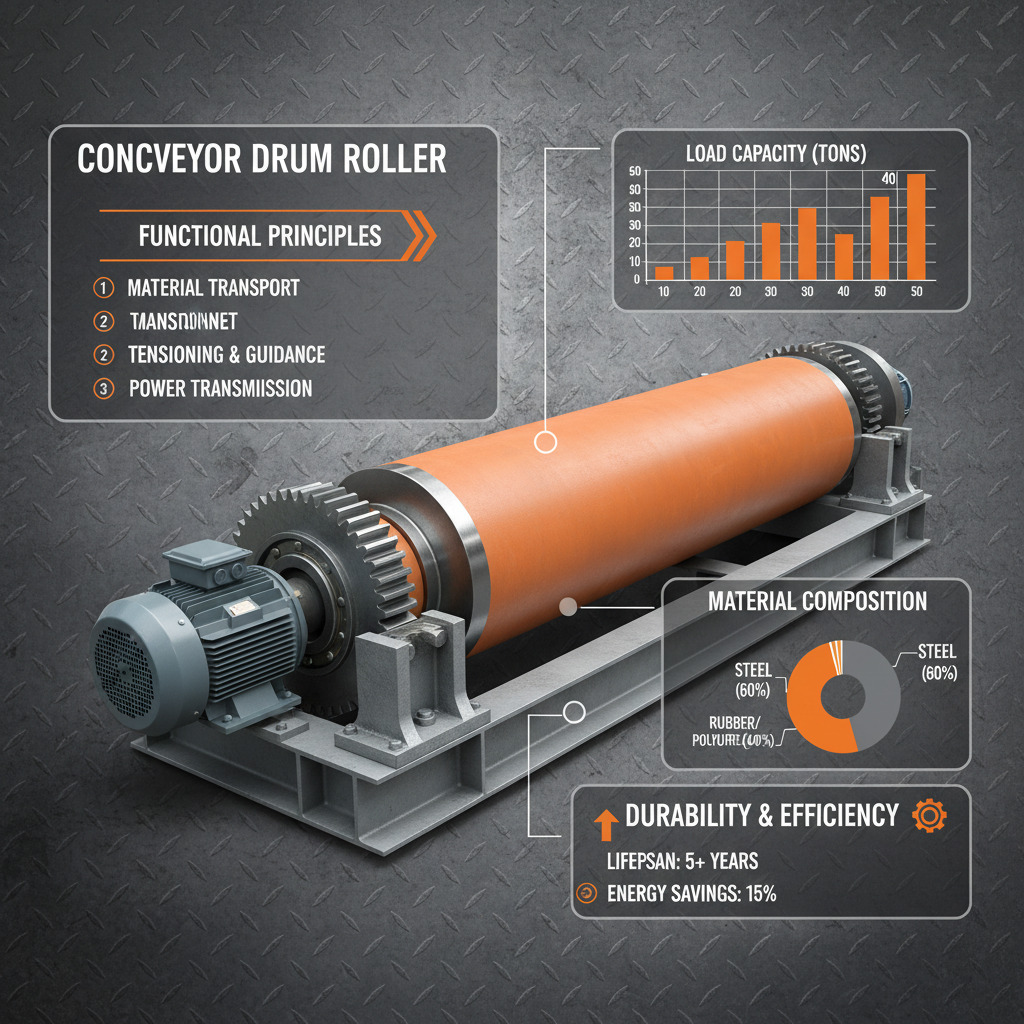
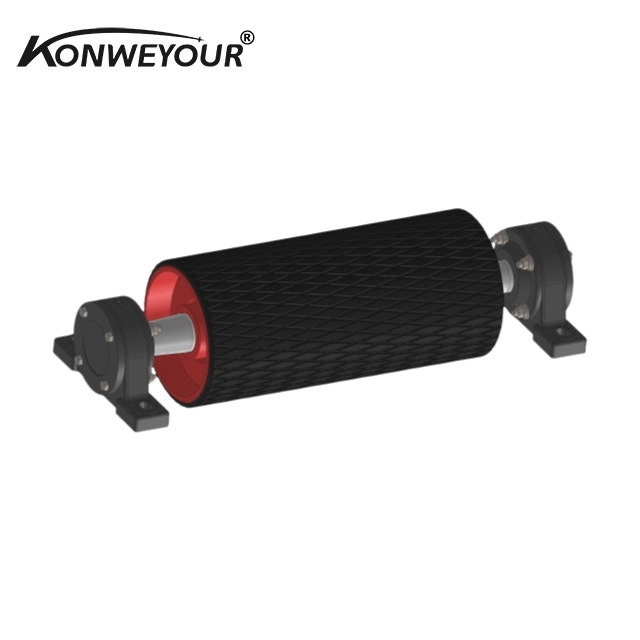
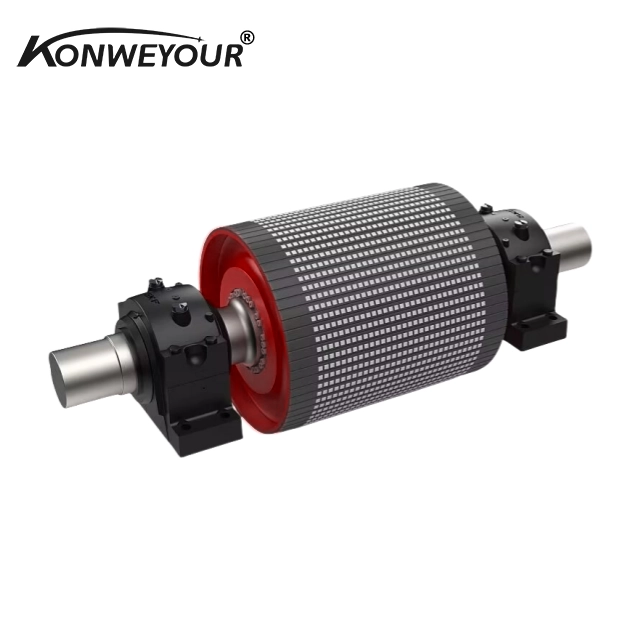
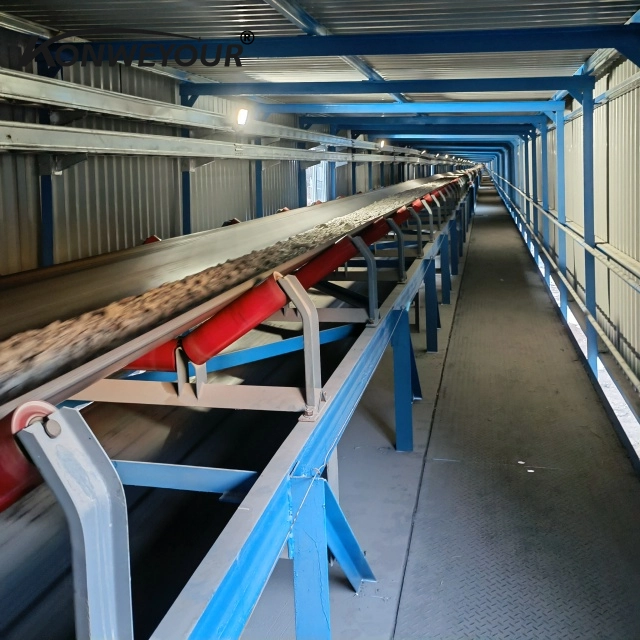
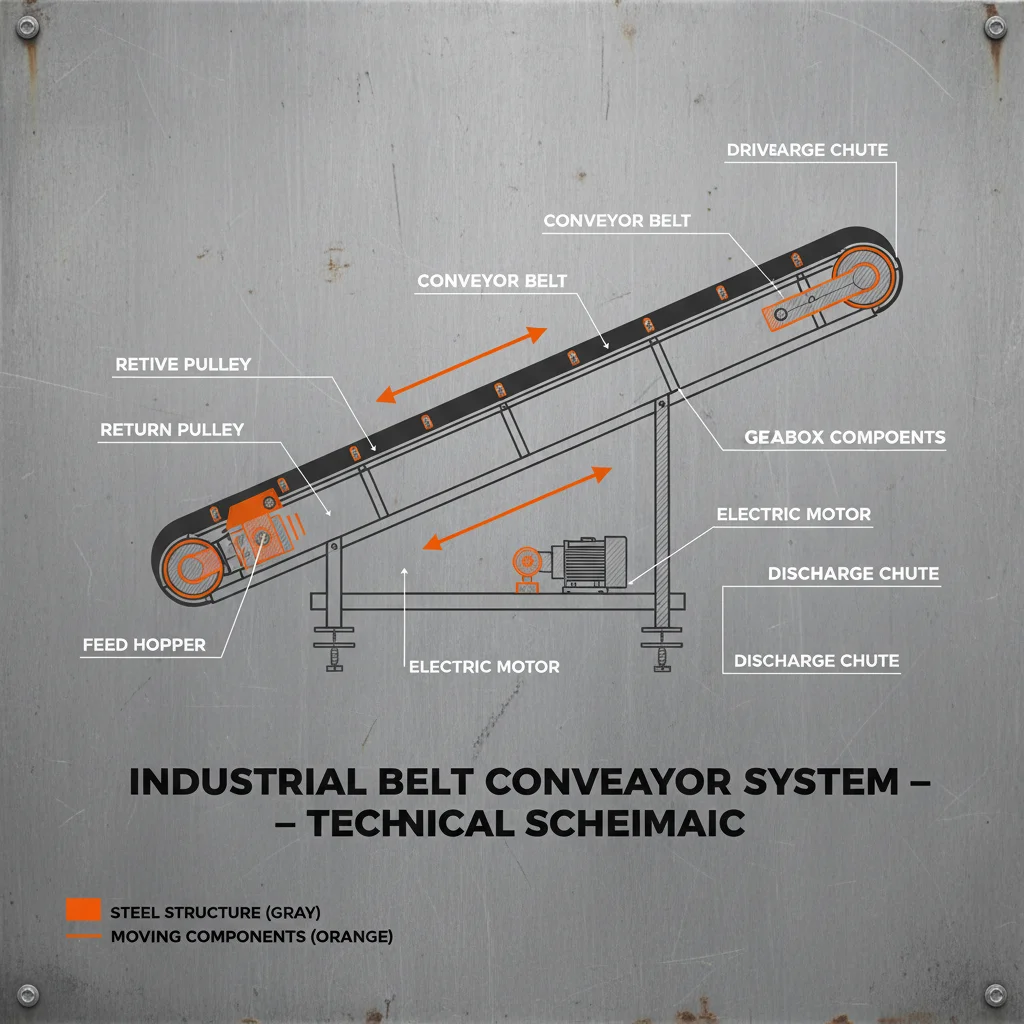
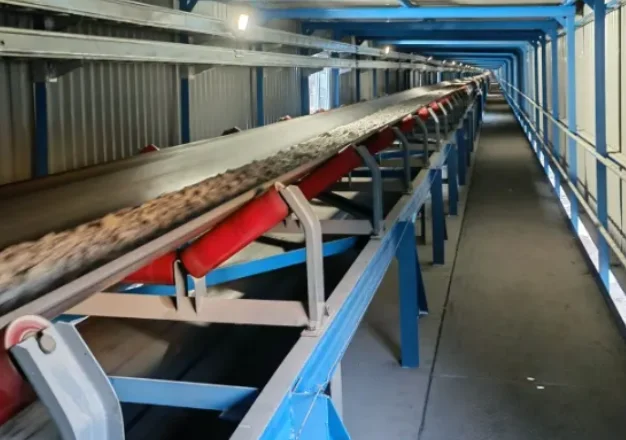
Conveyor belt drum rollers, often simply called rollers, are cylindrical components that support the conveyor belt and facilitate the movement of materials. They are strategically positioned along the conveyor frame to create a smooth, continuous surface for the belt to travel on. These rollers minimize friction, allowing for efficient and consistent material flow. Without reliable drum rollers, conveyor systems would experience increased wear and tear, reduced efficiency, and potential damage to conveyed goods. JT Conveyor offers a wide range of these critical components, ensuring optimal performance.
Key Benefit: Minimizing friction, allowing for efficient and consistent material flow, and reducing wear and tear on the conveyor system.
Types of Conveyor Belt Drum Rollers
Drum rollers aren't a one-size-fits-all solution. They come in various types designed for specific applications and load requirements. Common types include:
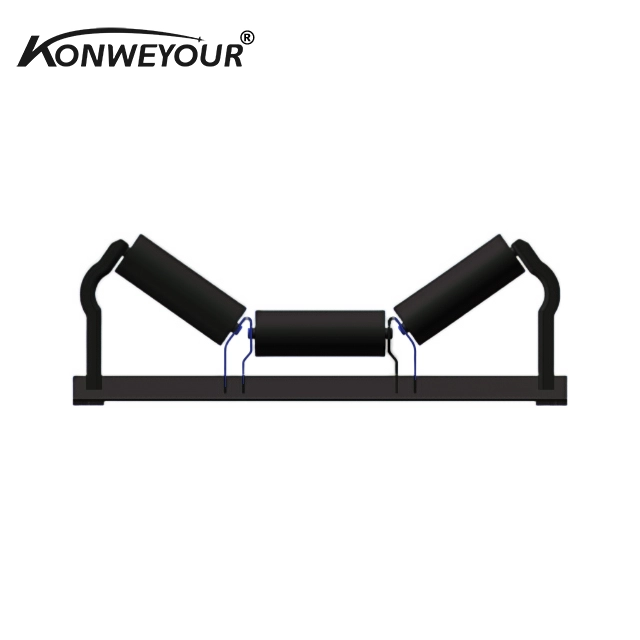
- Carrying Rollers: Support the weight of the conveyor belt and the conveyed materials.
- Return Rollers: Support the returning side of the conveyor belt.
- Tapered Rollers: Used to guide the belt and prevent it from drifting.
- Impact Rollers: Designed to absorb the impact of materials being loaded onto the conveyor belt.
- Spiral Rollers: Used for directional control of the belt.
The choice of roller type depends on factors such as the weight of the materials, the speed of the conveyor, and the environmental conditions.
Key Roller Characteristics:
• Carrying Capacity: The maximum load a roller can support.
• Material: Steel, stainless steel, PVC, and other materials.
• Diameter: Influences belt tracking and friction.
• Bearing Type: Impacts roller lifespan and maintenance.
Choosing the Right Conveyor Belt Drum Roller
Selecting the appropriate drum rollers is crucial for ensuring the optimal performance and longevity of your conveyor system. Consider the following factors:
- Load Capacity: Determine the maximum weight the rollers will need to support.
- Material Compatibility: Choose a material that is resistant to corrosion and wear from the conveyed materials.
- Environmental Conditions: Consider factors like temperature, humidity, and exposure to chemicals.
- Conveyor Speed: Higher speeds may require rollers with higher precision and durability.
- Maintenance Requirements: Select rollers that are easy to maintain and lubricate.
JT Conveyor’s team of experts can help you assess your needs and recommend the best roller solutions.
| Roller Type |
Typical Application |
Material Options |
| Carrying Roller |
General material handling, bulk material conveying |
Steel, Stainless Steel |
| Return Roller |
Supporting the return side of the belt |
Steel, PVC |
| Impact Roller |
Loading zones, high-impact applications |
Steel with rubber coating |
Maintenance and Longevity
Regular maintenance is essential for maximizing the lifespan of your conveyor belt drum rollers. This includes:
- Lubrication: Lubricate the bearings regularly to reduce friction and prevent wear.
- Inspection: Inspect rollers for damage, such as cracks, dents, or excessive wear.
- Alignment: Ensure proper alignment to prevent belt tracking issues.
- Cleaning: Keep rollers clean to prevent material buildup.
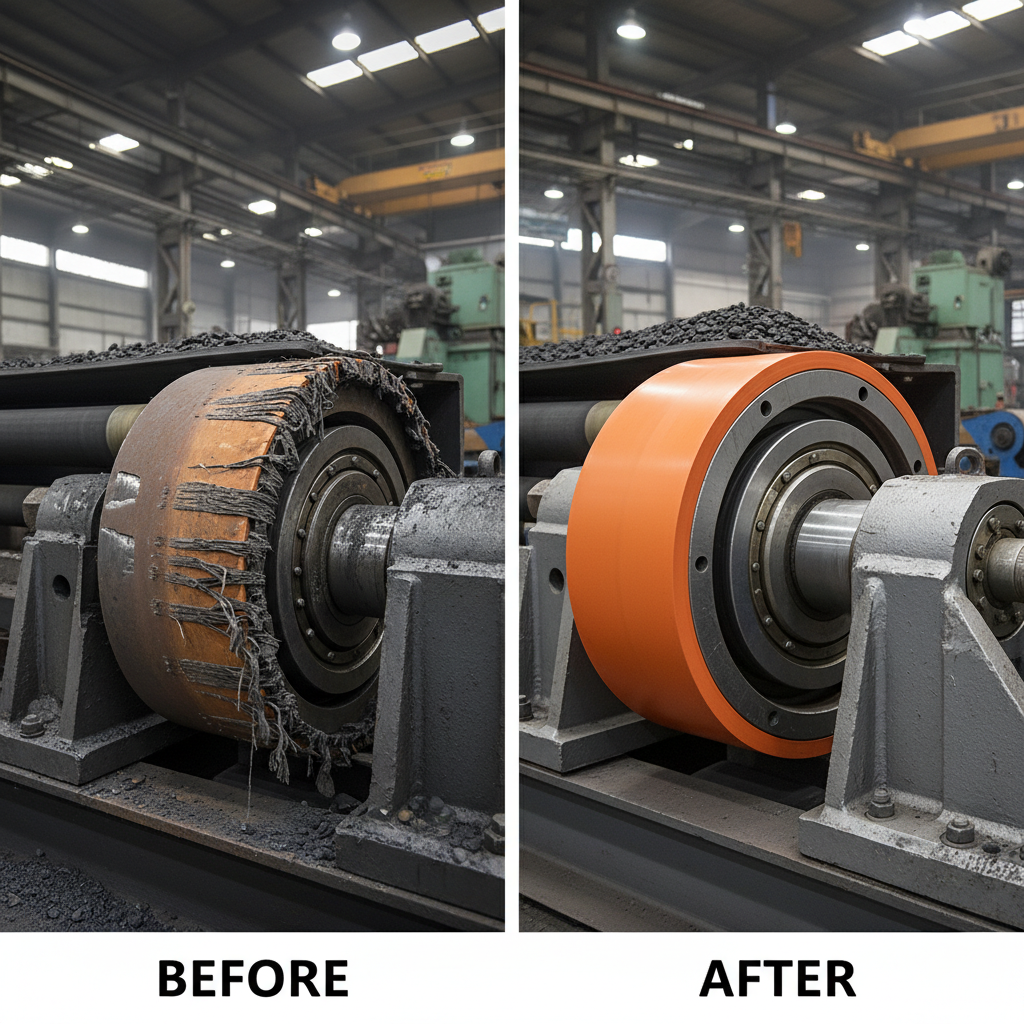
By following these maintenance practices, you can significantly extend the life of your drum rollers and minimize downtime.
Conclusion: Investing in Quality Drum Rollers
Conveyor belt drum rollers are indispensable components in countless industries. Choosing the right rollers, coupled with a proactive maintenance schedule, is key to achieving optimal efficiency, reducing downtime, and ensuring the long-term reliability of your conveyor systems. JT Conveyor is dedicated to providing high-quality drum rollers and expert support to meet your specific material handling needs.
Frequently Asked Questions (FAQs)
What is the typical lifespan of a conveyor drum roller?
The lifespan of a drum roller varies significantly depending on usage, load, maintenance, and environmental conditions. Generally, well-maintained rollers can last between 5 and 10 years. However, rollers operating under heavy loads or in harsh environments may require replacement sooner. Regularly scheduled inspections and lubrication are crucial for maximizing their lifespan. Look for signs of wear like bearing noise, uneven rotation, or structural damage.
How do I identify the correct roller size for my conveyor?
Determining the correct roller size involves considering several factors. The roller’s diameter impacts belt tracking and friction. Wider and heavier materials generally require larger diameter rollers. The conveyor's speed and the distance between supports also play a role. Consulting with a conveyor specialist, like the team at JT Conveyor, can provide accurate recommendations based on your specific application. They will consider your materials, loads, and conveyor system design.
What materials are conveyor drum rollers typically made from?
Conveyor drum rollers are commonly made from steel, stainless steel, and PVC. Steel rollers are known for their strength and durability, making them suitable for heavy-duty applications. Stainless steel rollers offer corrosion resistance, ideal for environments with moisture or chemicals. PVC rollers are lightweight and cost-effective, often used for lighter loads and smoother surfaces. The choice of material depends on the specific application and environmental factors.